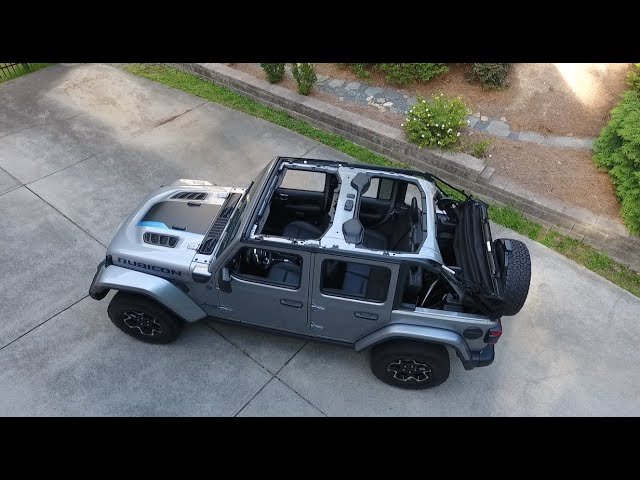
The Jeep Wrangler stands as an icon among off-road vehicles, known for its rugged design and loyal following. If you’re a Jeep owner, mechanic, or DIY enthusiast, understanding the Jeep Wrangler wiring diagram is more than a technical skill—it’s your ticket to smoother repairs, safer upgrades, and troubleshooting success.
But wiring diagrams can be confusing, especially if you’re not an experienced auto electrician. This guide will break down what you need to know, using simple language, real examples, and practical advice.
Whether you want to fix a light, install a new stereo, or diagnose a tricky electrical issue, you’ll find the clarity you need here.
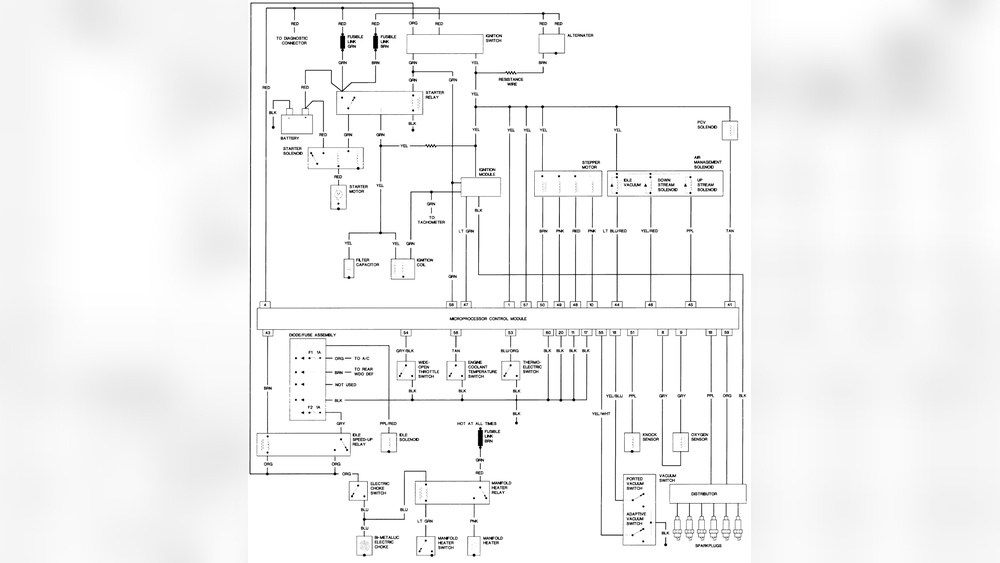
What Is A Jeep Wrangler Wiring Diagram?
A wiring diagram is a visual map of all the electrical connections in your Jeep. It shows how wires link different parts, such as the battery, headlights, switches, and sensors. Unlike a simple schematic, a wiring diagram uses symbols, colors, and sometimes even pictures of components. For the Jeep Wrangler, the diagram tells you where every wire goes, what it connects to, and which color wire does what.
For example, if you want to change your tail light, the diagram shows which wire carries power, which is the ground, and where the wires run. This saves you from guessing and possibly making dangerous mistakes.
Why Wiring Diagrams Matter For Jeep Wrangler Owners
Wiring diagrams are not just for professionals. Here’s why every Jeep Wrangler owner should care:
- Faster Repairs: You can find problems and fix them faster when you know where each wire goes.
- Safe Modifications: Adding new lights or a winch? A diagram shows you how to do it without causing shorts or fires.
- Troubleshooting: If something electrical isn’t working, the wiring diagram helps you test the right wires and connections.
- Avoiding Damage: Guessing with wires can damage expensive components, especially in modern Wranglers with computer controls.
Many beginners miss this: every Jeep generation (YJ, TJ, JK, JL, etc.) has different wiring layouts. Using the wrong diagram can cause confusion and mistakes.

Key Components In A Jeep Wrangler Wiring Diagram
Understanding the main parts you’ll see in a Wrangler wiring diagram helps you read it with confidence.
Common Symbols And Colors
- Lines: Represent wires
- Dots or junctions: Where wires connect
- Squares/rectangles: Major components (relays, fuses, switches)
- Zigzag lines: Resistors or loads (like bulbs)
- Arrows: Direction of current or flow
Wire colors often have meaning:
- Red: Power (often constant 12V)
- Black: Ground
- Yellow, green, blue: Signals or switched power
But always check your Jeep’s manual—color codes can change by year or trim.
Main Electrical Systems
Most Jeep Wrangler diagrams include:
- Lighting system: Headlights, tail lights, turn signals
- Ignition system: Key switch, starter, ECU
- Charging system: Battery, alternator, main fuse
- Accessories: Radio, power windows, locks
- Sensors and computers: Modern Jeeps use multiple modules (PCM, TIPM)
Each system often has its own section in the wiring diagram, making it easier to follow.
How To Read A Jeep Wrangler Wiring Diagram
Let’s break down reading a wiring diagram into clear steps, using a simple example: troubleshooting a non-working headlight.
- Identify the circuit: Find the headlight circuit in the diagram. Look for the headlight symbol and trace the wires.
- Follow the flow: Start from the battery. See how power goes through fuses, switches, and finally to the headlight.
- Check connections: Look for points where wires join, split, or go through connectors. These are common problem areas.
- Find grounds: Every circuit needs a ground. Make sure you know where the headlight ground connects to the body.
- Look for fuses/relays: Notice if the headlight power goes through a relay or fuse—these can fail and cause issues.
Here’s a simple comparison of three generations and how their headlight wiring differs:
| Model Year | Headlight Type | Main Fuse/Relay Location | Ground Point |
|---|---|---|---|
| YJ (1987–1995) | Halogen sealed beam | Fuse box under dash | Chassis near radiator |
| TJ (1997–2006) | Halogen bulb | Fuse box under hood | Fender apron |
| JK (2007–2018) | Halogen or LED | TIPM (under hood) | Engine bay ground stud |
This shows why you need the right diagram for your Wrangler year and model.
Where To Find Jeep Wrangler Wiring Diagrams
You can find wiring diagrams from several sources:
- Official Service Manual: The most detailed and accurate, but may cost money.
- Chilton/Haynes Manuals: Good for most repairs, but sometimes have simplified diagrams.
- Online Forums: Wrangler forums and Jeep communities often share diagrams for free.
- Aftermarket Repair Databases: Sites like AllData or Mitchell1 (subscription required).
A quick tip: Always double-check diagram sources. Some free diagrams online can be outdated or wrong.
Practical Example: Installing Auxiliary Lights Using A Wiring Diagram
Suppose you want to add off-road lights to your Jeep Wrangler JK. Here’s how a wiring diagram helps:
- Locate power source: The diagram shows which wires in the fuse box can safely supply extra lights.
- Find a safe ground: It identifies existing ground points, so you don’t risk a poor connection.
- Understand relay wiring: Most diagrams include the relay circuit. You’ll see how to wire the switch, relay, and lights safely.
- Avoid computer circuits: The diagram shows which wires are for sensitive systems, so you avoid accidental damage.
Many beginners forget to use a relay when adding high-power lights. Without a relay, you risk melting your switch or causing a fire.

Common Wiring Problems In Jeep Wranglers
Jeep Wranglers are tough, but wiring issues happen, especially in older models or after off-road trips. Here are some common problems and what the wiring diagram can tell you:
Corroded Connectors
Water and mud can get into connectors, causing corrosion. The diagram helps you locate all connectors in the affected circuit, so you can clean or replace them.
Broken Grounds
If a single light or accessory stops working, it’s often a bad ground. The wiring diagram shows every ground point—critical for fast repairs.
Blown Fuses
Diagrams show which fuse protects each circuit. Don’t just replace a blown fuse; the wiring diagram helps you trace the cause, like a shorted wire.
Chafed Or Pinched Wires
Off-roading can rub wires against metal, causing shorts. The diagram helps you follow wire routes, so you check the right places.
Here’s a quick overview of common problems by Wrangler generation:
| Generation | Frequent Issues | Key Diagram Section |
|---|---|---|
| YJ | Faded wiring, brittle insulation | Lighting, charging circuits |
| TJ | Corroded connectors, relay failure | Fuse/relay box, grounds |
| JK | TIPM faults, CAN bus errors | Module wiring, data lines |
| JL (2018+) | Sensor/module issues, multiplexed wiring | Network wiring, module diagrams |
Notice the trend: as Wranglers get newer, their wiring gets more complex.
Tips For Using Jeep Wrangler Wiring Diagrams Safely
- Disconnect the battery before working on any wiring. This prevents accidental shorts or shocks.
- Label wires if you disconnect more than one at a time. Even a simple photo on your phone helps.
- Use the right tools: Test light, multimeter, and wire strippers are essential.
- Check for updates: Jeep sometimes issues wiring changes after recalls or service bulletins.
- Never guess: If a wire’s purpose is unclear, double-check the diagram or ask an expert.
- Document changes: If you add or change wiring, update your own diagram. This is invaluable if you sell your Jeep or need repairs later.
Reading A Wiring Diagram: Step-by-step Example
Let’s say your radio won’t turn on after replacing the battery.
- Open the wiring diagram for your Wrangler’s year.
- Locate the radio circuit: Find the wire colors listed for power, ground, and ignition.
- Check the fuse: See which fuse powers the radio (often marked in the diagram).
- Test for power: Use a test light or multimeter at the radio connector—does the power wire have 12V with the key on?
- Check ground: Confirm the ground wire connects properly to the chassis ground point.
- Look for broken wires: If no power or ground, trace the wires back using the diagram until you find the break.
If you find a blown fuse, the diagram also shows what else shares that fuse—so you can check for other problems.
Jeep Wrangler Wiring Diagrams And Aftermarket Upgrades
Many Jeep owners add accessories like winches, light bars, or upgraded stereos. The wiring diagram is your friend here:
- Winch: Shows the safest battery connection points and which wires to avoid.
- Light bars: Helps you route wires away from airbags or sensitive modules.
- Stereo: Modern Wranglers use CAN bus wiring—diagrams show which wires are safe to tap.
Here’s a comparison of common upgrades and wiring concerns:
| Upgrade | Wiring Risk | Diagram Section to Check |
|---|---|---|
| Winch | Shorts at battery, alternator overload | Charging, ground circuits |
| Light bar | Incorrect switch wiring, poor grounding | Accessory, relay circuits |
| Stereo | CAN bus interference, power draw | Radio, data networks |
| CB radio | RF noise, battery drain | Accessory power, grounds |
A non-obvious insight: Many new Wranglers have body control modules that monitor electrical loads. If you tap the wrong wire, the computer may shut down the circuit for safety.
When To Call A Professional
While many wiring jobs are DIY-friendly, know your limits. If you see warning lights, smell burning, or find melted wires, stop and call a qualified technician.
Modern Wrangler wiring, especially after 2012, includes sensitive modules that are expensive to replace if damaged.
Also, if you’re unsure about airbag system wiring or anything related to the engine control module, don’t risk it. These systems require special knowledge and tools.
Where To Learn More
The best source for official diagrams is the Jeep service manual for your model year. Owners forums like WranglerForum.com also have helpful guides and real-world advice. For an overview of automotive wiring symbols and standards, check the Wikipedia wiring diagram page.

Frequently Asked Questions
How Do I Know Which Jeep Wrangler Wiring Diagram Matches My Vehicle?
Check the year, model, and trim of your Jeep. Wiring changes even within the same model year.
Always use the VIN (vehicle identification number) to confirm you have the right diagram.
What Tools Do I Need To Use A Wiring Diagram?
A multimeter, test light, and basic hand tools are essential. For more advanced work, a wiring probe and good-quality wire strippers help. Always have safety glasses and gloves.
Can I Download A Free Jeep Wrangler Wiring Diagram Online?
Yes, but quality varies. Forums and DIY sites often share diagrams, but always verify them with an official manual or trusted source. Outdated or wrong diagrams can cause damage.
What’s The Difference Between A Wiring Diagram And A Schematic?
A wiring diagram shows actual wire paths, colors, and connections in your Jeep. A schematic shows how the circuit works but not the exact wire locations. For repairs, always use the wiring diagram.
Is It Safe To Add Aftermarket Accessories Using The Wiring Diagram?
Yes, if you follow the diagram and basic safety rules: use relays, fuse every new circuit, and avoid tapping into critical wires. If unsure, consult a professional.
Mastering the Jeep Wrangler wiring diagram unlocks safer upgrades, faster repairs, and more confidence with your vehicle. Even if you’re not an electrician, learning to read diagrams is a skill that pays for itself—on the trail and in the garage.