The Jeep Wrangler Willys edition is a special trim that pays homage to the original military Jeeps. It's designed for off-road enthusiasts who appreciate heritage styling combined with modern capability.
One of the most distinctive features of any vehicle, especially an off-road icon like the Wrangler, is its wheels. The Willys edition wheels are not just about looks; they are engineered to enhance performance and durability, particularly in challenging terrains.
Understanding the specific Willys wheels specifications is key for owners looking to maintain, upgrade, or simply appreciate the unique aspects of this popular Jeep model.
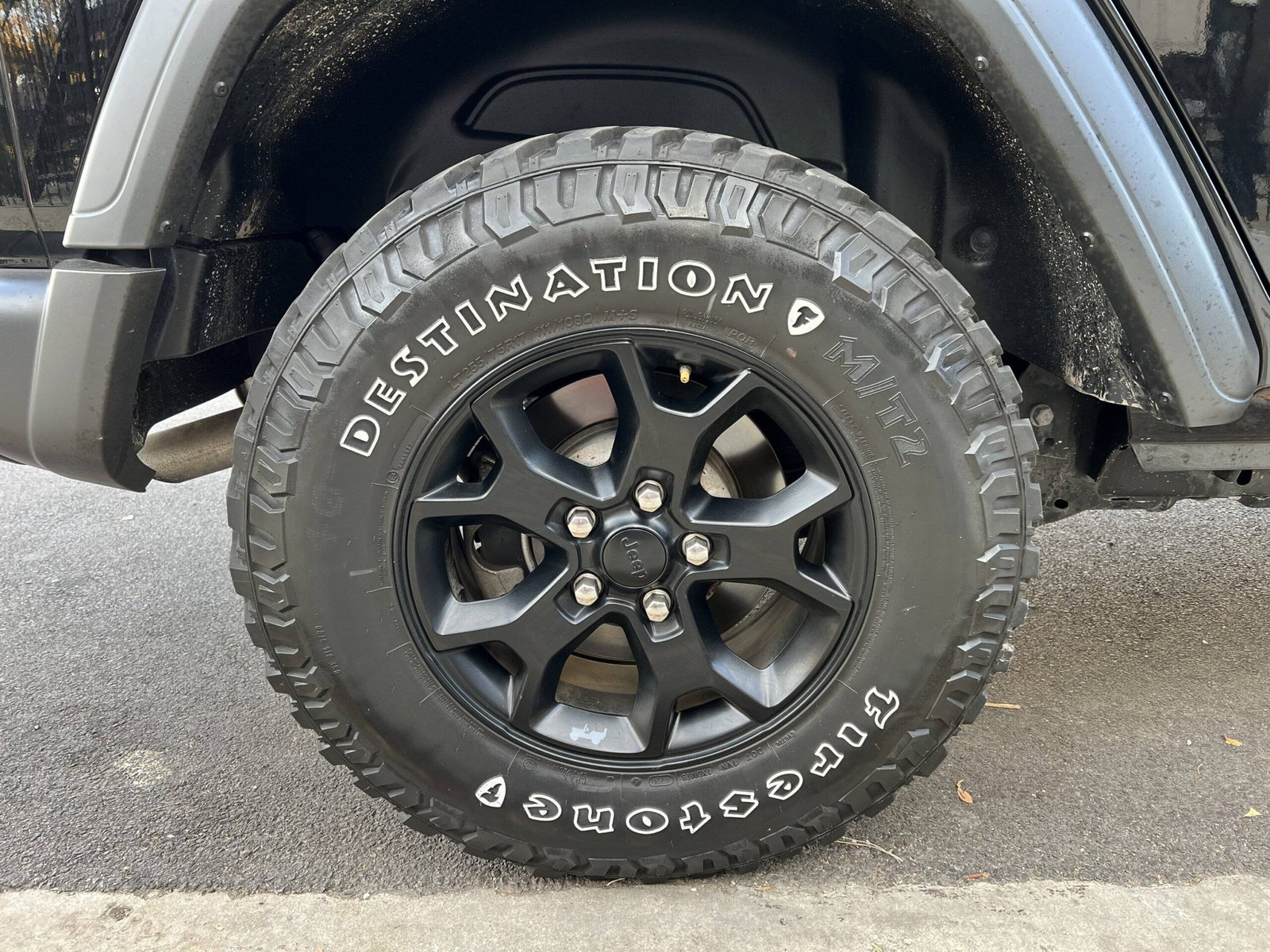
These wheels often come with specific tire sizes and rim dimensions that are optimized for the Willys’ off-road prowess. They typically feature a design that balances rugged aesthetics with practical functionality, such as a beadlock-capable rim that helps keep the tire seated on the wheel during low-pressure off-roading.
The choice of wheels and tires is crucial for grip, handling, and overall driving experience, whether you’re tackling rocky trails or cruising down the highway. Let’s explore the details that make the Willys wheels stand out.
Understanding The Willys Edition’s Wheel Philosophy
The Willys edition of the Jeep Wrangler is all about blending historical significance with contemporary performance. This philosophy extends directly to its wheel and tire package.
Jeep designers carefully select components that not only look the part but also contribute to the vehicle's legendary off-road capabilities.
The Willys wheels are often a step up from the base models, offering features that are more geared towards serious trail use.
The decision to equip the Willys with specific wheels is not arbitrary. It's a strategic choice to enhance the vehicle's identity and its functional purpose.
These wheels are typically designed to accommodate larger, more aggressive tires, which are essential for off-road traction.
They also often feature a robust construction to withstand the harsh impacts encountered when driving over rocks, mud, and uneven surfaces. This focus on durability ensures that the wheels can handle the demands of off-roading without compromising safety or performance.
Furthermore, the aesthetic appeal of the Willys wheels is carefully considered. They often sport a design that evokes the classic Jeep look, sometimes with a darker finish or a more utilitarian appearance compared to the wheels on higher-end trims.
This visual cue reinforces the connection to the original Willys MB, making the edition instantly recognizable and appealing to Jeep purists.
The goal is to provide a package that is both highly functional for off-road adventures and visually distinct, celebrating Jeep’s rich heritage.
Key Willys Wheels Specifications: Rims
The rims are the foundation of any wheel assembly. For the Jeep Wrangler Willys, the rim specifications are crucial for understanding its off-road potential and compatibility with various tire options.
Jeep has offered different Willys editions over the years, and specifications can vary slightly between model years and specific packages.
However, certain characteristics remain consistent with the Willys ethos.
Rim Diameter And Width
The rim diameter for most Jeep Wrangler Willys editions typically hovers around 17 inches. This size is a popular choice in the off-road community because it allows for a good balance between tire sidewall height and braking system clearance. A larger sidewall (provided by the tire) offers better cushioning over rough terrain and allows for lower tire pressures, which increases the tire’s contact patch with the ground for improved traction. Simultaneously, a 17-inch rim is generally large enough to accommodate the braking components of a modern vehicle like the Wrangler.
The rim width is also a critical factor, influencing the type of tire that can be safely mounted. For Willys editions, the rim width is often around 7.5 inches. This width is well-suited for the factory-equipped tire sizes, providing adequate support for the tire’s bead and maintaining its shape under stress. A wider rim can sometimes allow for a wider tire, but it’s essential to ensure the rim width is compatible with the tire manufacturer’s recommendations to avoid issues like tire de-beading or uneven wear.
Bolt Pattern And Offset
Understanding the bolt pattern is essential for anyone considering aftermarket wheel changes. The Jeep Wrangler, including the Willys editions, universally uses a 5×5 inch (or 5x127mm) bolt pattern. This means there are five lug nuts evenly spaced around a 127mm diameter circle. This standardized pattern ensures compatibility with a wide range of Jeep and aftermarket wheels designed for Wranglers.
The wheel offset refers to how the wheel mounts to the hub. It’s the distance from the wheel’s mounting surface to the centerline of the rim. For the Willys edition, the factory offset is typically a positive offset, often around +44.45mm (or +1.75 inches). A positive offset means the mounting surface is on the “outside” of the rim’s centerline. This design helps keep the tires tucked closer to the vehicle’s body, which is beneficial for maintaining on-road handling characteristics and minimizing the risk of tire rubbing on suspension components during articulation. When choosing aftermarket wheels, paying close attention to offset is crucial, as incorrect offset can lead to steering issues, suspension stress, or tire rubbing.
Beadlock Capability
A significant feature often found on Willys edition wheels, or at least designed to be compatible with beadlock setups, is beadlock capability. While not all Willys editions come with true beadlock wheels from the factory, many are equipped with beadlock-capable rims. This means the rim is designed to work with a beadlock ring system.
A beadlock system clamps the tire’s bead (the edge that seals against the rim) between the rim and a separate ring, bolted to the wheel. This mechanical lock prevents the tire from coming off the rim even at very low tire pressures, which are often used for extreme off-roading to maximize traction on rocks and slippery surfaces. Running very low pressures without beadlocks can lead to the tire de-beading, which can be dangerous and immediately stops your off-road progress. The Willys edition’s focus on off-road performance makes beadlock capability a highly desirable feature, even if it’s an optional upgrade or a feature on specific sub-trims of the Willys package.
Tire Specifications For Willys Editions
The wheels are only half the story; the tires are what connect the vehicle to the ground. The tires that come standard on the Jeep Wrangler Willys editions are specifically chosen to complement the wheel specifications and enhance off-road performance.
These tires are typically more aggressive than those found on standard trims, offering a better grip on various surfaces.
Standard Tire Size
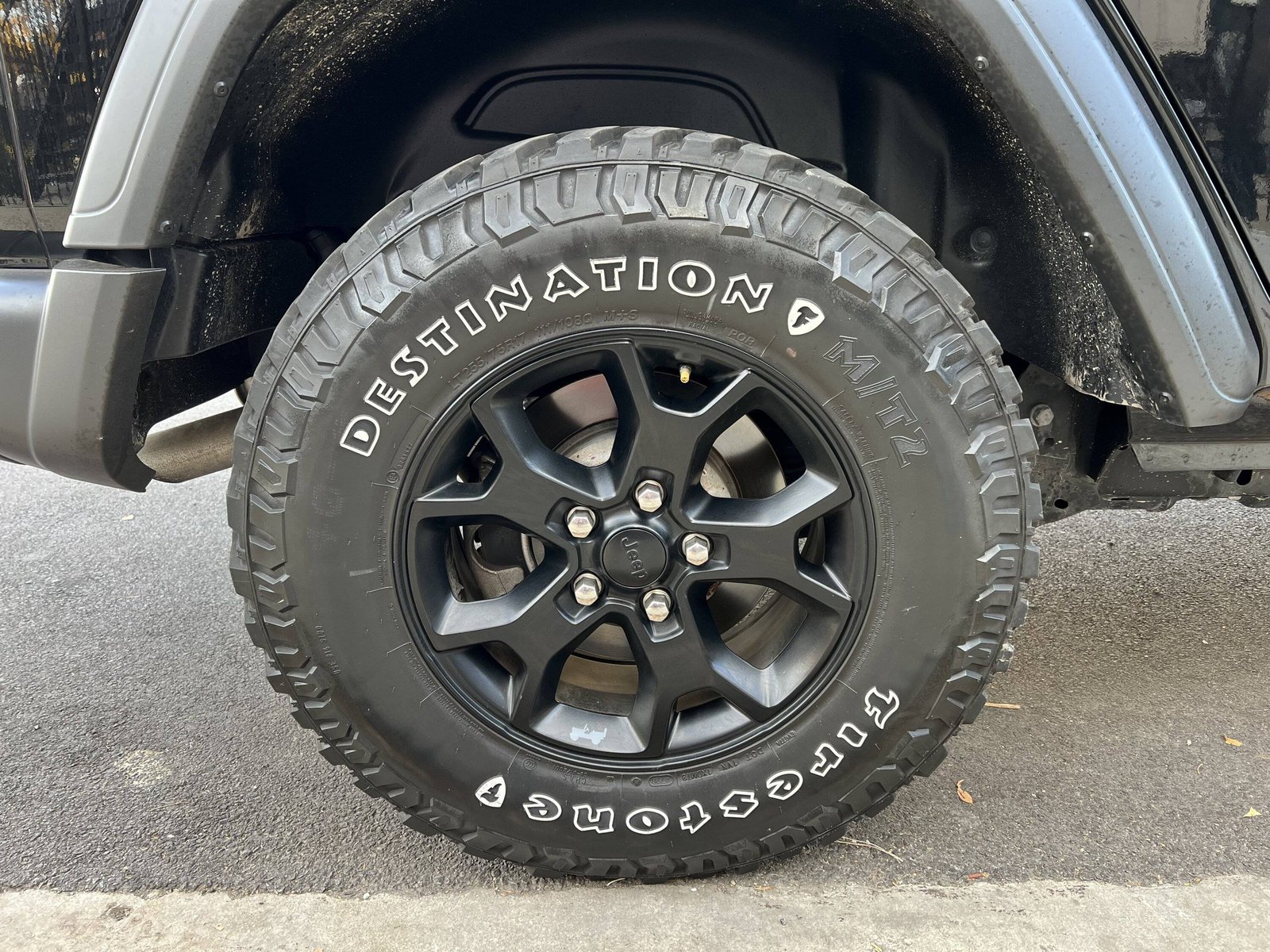
Jeep commonly equips the Willys editions with LT255/75R17 tires. Let’s break down what this means:
- LT: This signifies “Light Truck” construction. LT tires are generally more robust than P-metric (passenger car) tires, featuring stronger sidewalls and construction designed to handle heavier loads and the rigors of off-road use.
- 255: This is the tire’s width in millimeters. So, the tire is 255mm wide at its widest point.
- 75: This is the aspect ratio, expressed as a percentage. It’s the tire’s sidewall height as a percentage of its width. In this case, the sidewall height is 75% of 255mm. This results in a taller sidewall, which is beneficial for off-road comfort and flexibility.
- R: This indicates the tire’s construction is Radial. Most modern tires are radial.
- 17: This is the diameter of the rim the tire is designed to fit, matching the 17-inch rims common on Willys editions.
This tire size provides a good balance of on-road manners and off-road capability. The 255mm width offers a decent contact patch, while the 75 aspect ratio provides ample sidewall for absorbing impacts and conforming to terrain.
Tire Type: All-terrain Vs. Mud-terrain
Willys editions often come with All-Terrain (AT) tires as standard. These tires are designed to perform reasonably well in a variety of conditions: on pavement, dirt roads, gravel, and even light mud or snow. They typically feature a tread pattern that is more aggressive than highway tires but less aggressive than dedicated Mud-Terrain (MT) tires. This makes them a versatile choice for daily driving and weekend adventures.
In some specific Willys packages or as an optional upgrade, Jeep might offer Mud-Terrain (MT) tires. MT tires have larger, more aggressive tread blocks with wider voids between them. This design excels in loose surfaces like mud, sand, and rocks, providing maximum grip. However, MT tires are generally louder on the highway, offer a harsher ride, and wear faster on pavement compared to AT tires. The choice between AT and MT often depends on the owner’s primary use case for the vehicle.
Tire Pressure Considerations
Maintaining the correct tire pressure is crucial for both safety and performance, especially for off-roading. The recommended cold tire pressure for the LT255/75R17 tires on a Willys edition is typically around 35 PSI (pounds per square inch) when driving on the road. This pressure ensures optimal tire wear, fuel efficiency, and handling on pavement.
However, for off-road use, drivers often significantly lower their tire pressure. Dropping to 15-20 PSI, or even lower for beadlock-equipped vehicles, can dramatically improve traction by increasing the tire’s footprint and allowing it to better conform to obstacles. It’s crucial to remember that driving on significantly deflated tires on pavement is unsafe and can damage the tires and wheels. Always reinflate tires to the recommended pressure before returning to paved roads.
Design And Aesthetics Of Willys Wheels
Beyond the technical specifications, the design of the Willys wheels plays a significant role in the overall appeal of this special edition Jeep. Jeep has consistently aimed to give the Willys a distinct visual identity that harks back to its heritage while fitting into the modern Wrangler lineup.
Finish And Color Options
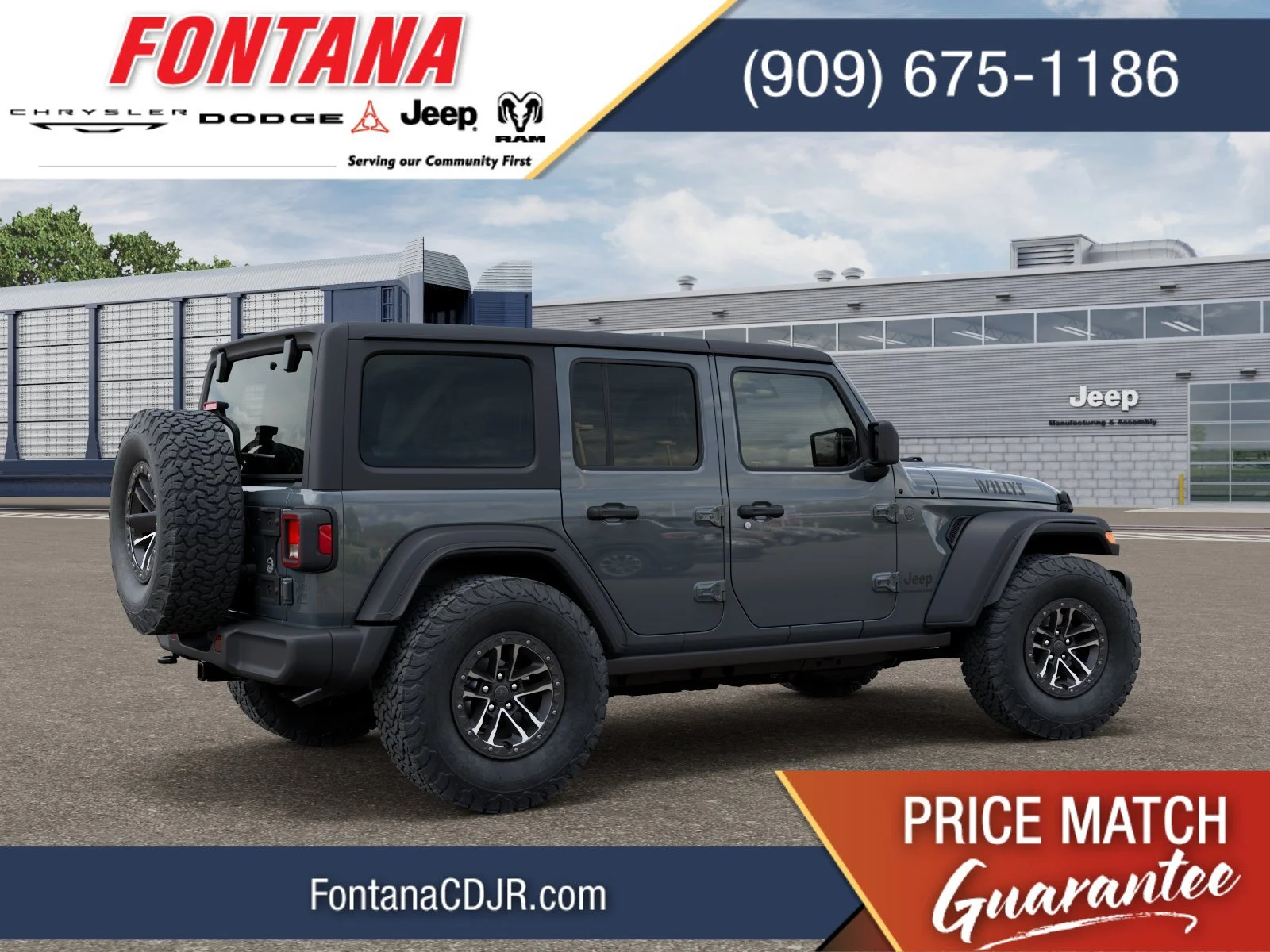
The wheels on the Willys editions often feature a darker, more utilitarian finish. Common options include Satin Black, Gloss Black, or a dark gray/charcoal color. These finishes complement the rugged aesthetic and are often paired with contrasting elements on the vehicle, such as black grille accents, fender flares, and badging. The dark finish also helps to mask brake dust and minor scuffs that can occur during off-road excursions, maintaining a cleaner appearance.
Some Willys packages might offer variations, but the overarching theme is a subdued, tough look rather than a flashy or polished one. This deliberate choice reinforces the Willys’ purpose as a capable off-roader with a nod to its military roots, where practicality and durability were paramount.
Wheel Design Style
The design of the wheels themselves often draws inspiration from classic Jeep wheels but with modern execution. You’ll typically find a multi-spoke design, often with a somewhat chunky or robust appearance. These designs are not purely cosmetic; they are engineered for strength. The spokes are designed to distribute stress effectively, and the overall construction aims to be lightweight yet incredibly durable.
Some Willys editions might feature designs that mimic the look of beadlock wheels, even if they aren't true beadlocks from the factory. This includes a prominent outer ring or simulated beadlock bolts around the rim's edge.
This styling cue is purely aesthetic but effectively communicates the vehicle's off-road intentions and adds to its distinctive character.
The combination of the dark finish and the robust spoke design creates a visually appealing wheel that is instantly recognizable as part of the Willys package.
Performance Advantages Of Willys Wheels
The specific wheel and tire package on the Jeep Wrangler Willys edition offers tangible performance benefits, particularly in off-road scenarios. These advantages stem from the careful selection of materials, dimensions, and tire types.
Enhanced Off-road Traction
The most significant performance advantage comes from the tires typically fitted to Willys wheels. The LT255/75R17 All-Terrain tires offer a more aggressive tread pattern than standard highway tires. This means larger, deeper tread blocks with more biting edges, which significantly improve grip on loose surfaces like dirt, gravel, mud, and sand. The “LT” (Light Truck) construction also means stronger sidewalls that can better withstand punctures from sharp rocks or debris.
When combined with the ability to air down tires for off-roading, the larger contact patch created by these tires allows the Wrangler to claw its way over obstacles more effectively. The taller sidewall also helps to absorb impacts, providing a smoother ride over rough terrain and allowing the tires to flex and conform to the ground, maximizing traction.
Improved Durability And Strength
Willys edition wheels are built to withstand the abuse of off-road driving. The 17-inch rims, often made from cast aluminum, are designed with strength in mind. They are typically wider than base model wheels, providing better support for the tire, and their construction is optimized to resist bending or cracking when subjected to impacts from rocks, potholes, or hard landings.
The beadlock-capable feature, even if not standard true beadlocks, is a testament to the off-road focus. True beadlock wheels offer the ultimate security against de-beading at low pressures, but even the capability signifies a design that anticipates aggressive off-road use. The robust construction ensures that the wheels can handle the stresses of crawling over rocks and navigating challenging trails without failing.
Trail-ready Aesthetics
While not a direct performance metric, the visual appeal of the Willys wheels contributes to the overall driving experience. The dark, rugged finishes and robust spoke designs give the Wrangler Willys a purposeful, ready-for-anything look. This aesthetic is not just for show; it reinforces the owner’s connection to Jeep’s heritage and its off-road legacy. For many owners, the distinctive look of the Willys wheels is a primary reason for choosing this particular trim, and it enhances the pride of ownership.
Aftermarket Considerations And Upgrades
While the factory Willys wheels and tires are quite capable, many Jeep owners eventually look towards the aftermarket for further customization or enhanced performance. Understanding the specifications of the factory Willys wheels is crucial for making informed decisions about upgrades.
Tire Upgrades
Many Willys owners choose to upgrade their tires before their wheels. A common upgrade path is moving from the standard LT255/75R17 All-Terrain tires to larger or more aggressive options.
- Larger AT Tires: Owners might opt for a slightly wider tire, such as a LT275/70R17, or a tire with a more aggressive tread pattern within the AT category. This can provide more off-road grip without sacrificing too much on-road comfort.
- Mud-Terrain Tires: For those who frequently encounter mud or rocks, switching to Mud-Terrain (MT) tires in a similar size (e.g., LT255/75R17 MT) or a slightly larger size is a popular choice. Brands like BFGoodrich, Goodyear, and Falken offer excellent MT options.
- Tire