The world of truck customization is vast, and often, enthusiasts look to swap parts between different makes and models to achieve a unique look or improved performance. One common question that arises is whether wheels from one popular vehicle, the Jeep Wrangler, can be fitted onto another, the Nissan Frontier.
While both are rugged trucks, their underlying engineering, especially regarding wheel fitment, can differ significantly. This article dives deep into the specifics of bolt patterns, offsets, and other critical factors to determine the compatibility of Jeep Wrangler wheels on a Nissan Frontier, offering practical advice for anyone considering this modification.
Understanding wheel fitment goes beyond just the bolt pattern. It involves a complex interplay of dimensions and engineering choices made by manufacturers.
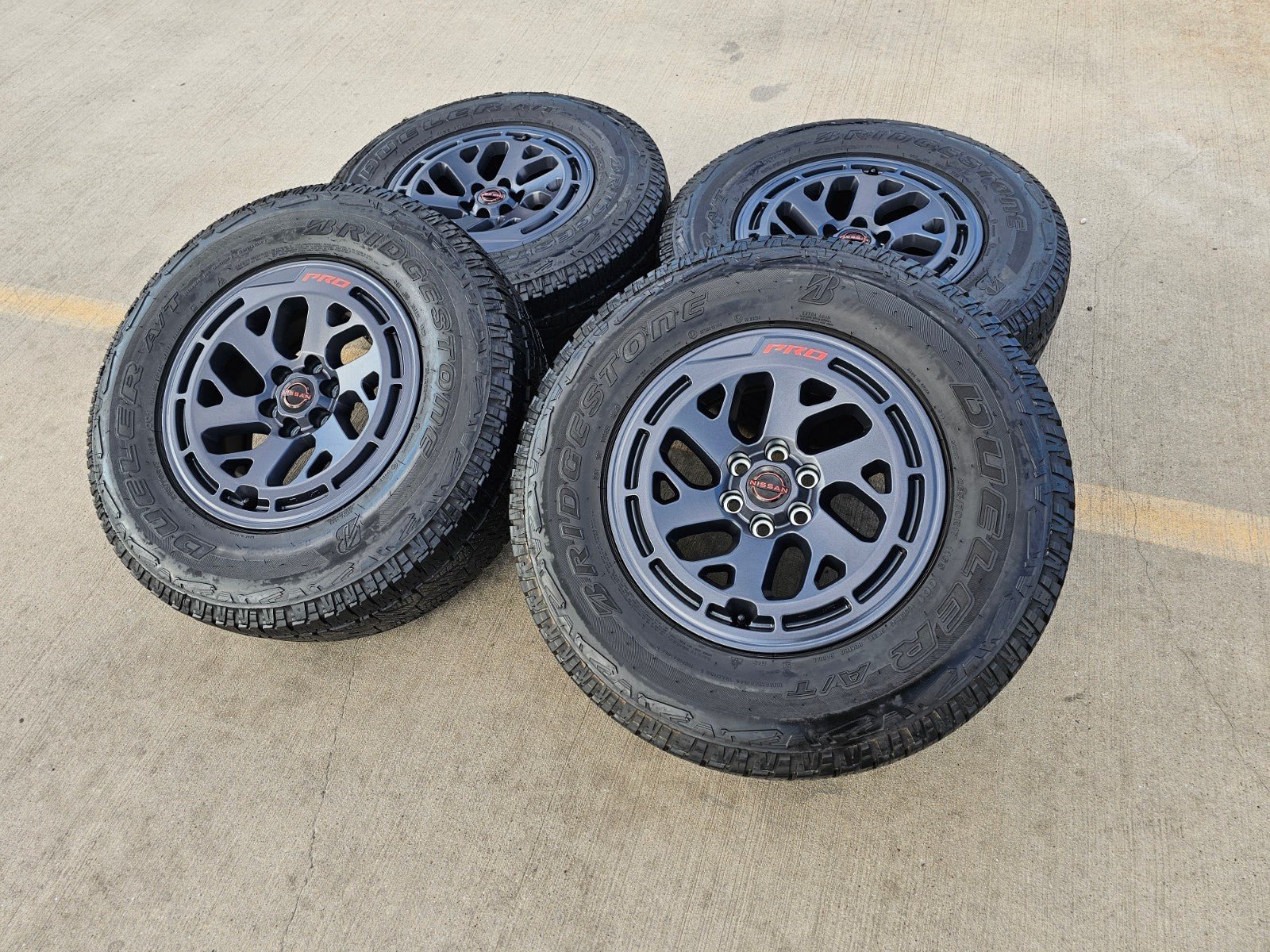
A wheel that looks like it might fit could cause serious problems if the underlying specifications aren't aligned.
We’ll explore the key differences and similarities, potential challenges, and what you need to consider before making the switch.
The Crucial Factor: Bolt Pattern Explained
The bolt pattern, also known as the lug pattern or bolt circle, is the most fundamental aspect of wheel compatibility. It describes the arrangement of the lug holes on the wheel hub. This pattern is defined by the number of lug holes and the diameter of the circle on which these holes are centered.
For the Jeep Wrangler, especially recent generations like the JK (2007-2018) and JL (2018-present), the common bolt pattern is 5×5 inches (or 5x127mm). This means there are five lug holes arranged in a circle with a diameter of 5 inches. Older Wranglers, such as the TJ (1997-2006), also used a 5×4.5 inch (5×114.3mm) bolt pattern.
The Nissan Frontier, on the other hand, has historically used a 6-lug bolt pattern. The specific diameter of this pattern can vary slightly depending on the generation and model year, but it is commonly 6×114.3mm (which is equivalent to 6×4.5 inches). Some newer models might have slight variations, but the fundamental difference is the number of lugs and the overall pattern diameter.
Comparing Jeep Wrangler And Nissan Frontier Bolt Patterns
| Vehicle | Common Bolt Pattern (Inches) | Common Bolt Pattern (mm) | Number of Lugs |
|---|---|---|---|
| Jeep Wrangler | 5×5 | 5×127 | 5 |
| Nissan Frontier | 6×4.5 | 6×114.3 | 6 |
As you can see from the table, the bolt patterns are fundamentally different. The Jeep Wrangler uses a 5-lug pattern, while the Nissan Frontier uses a 6-lug pattern.
This is a significant mismatch that immediately raises a red flag for direct fitment.
Beyond Bolt Pattern: Other Critical Fitment Factors
Even if the bolt patterns were somehow compatible, several other factors determine if wheels will fit correctly and safely on your vehicle. These include:
Center Bore Diameter
The center bore is the hole in the middle of the wheel that sits over the vehicle’s hub. For a proper fit, the wheel’s center bore should ideally match the vehicle’s hub bore diameter. If the wheel’s center bore is larger than the hub bore, hub-centric rings are often used to fill the gap and ensure the wheel is centered correctly.
- Jeep Wrangler: The center bore diameter for most Jeep Wranglers is around 71.5mm.
- Nissan Frontier: The center bore for the Nissan Frontier is typically around 73mm.
While these numbers are close, a mismatch can still cause vibration issues if not addressed with appropriate hub-centric rings. However, the primary issue remains the bolt pattern difference.
Wheel Offset And Backspacing
Wheel offset refers to how the wheel is mounted to the hub assembly. It’s the distance from the mounting surface of the wheel to the centerline of the wheel. Offset can be positive, negative, or zero.
- Positive offset: The mounting surface is closer to the outside of the wheel.
- Negative offset: The mounting surface is closer to the inside of the wheel.
- Zero offset: The mounting surface is exactly at the centerline of the wheel.
Backspacing is another measurement related to how much space the wheel takes up inside the fender well. It’s the distance from the back of the wheel mounting surface to the inside edge of the wheel rim.
- Jeep Wrangler: Wranglers typically have a negative offset, often ranging from -10mm to -30mm, depending on the specific model and wheel size. This pushes the wheels outward, which is beneficial for off-road clearance and accommodating larger tires.
- Nissan Frontier: Nissan Frontiers usually have a positive offset, typically around +30mm to +45mm. This keeps the wheels tucked in closer to the vehicle’s body.
This significant difference in offset and backspacing means that even if you could somehow bolt on a Jeep wheel, it would likely sit very differently on the Frontier. A Wrangler wheel with its typical negative offset would push the wheel much further out from the Frontier’s hub than intended, potentially causing rubbing issues with the fenders, suspension components, or bodywork, especially when turning or going over bumps.
Wheel Diameter And Width
While not directly related to bolt pattern compatibility, the overall diameter and width of the wheel are crucial for tire fitment and clearance. Jeep Wranglers are often equipped with larger diameter wheels (17-inch, 18-inch, 20-inch) and wider rims to accommodate off-road tires. Nissan Frontiers also come in various wheel sizes, but the standard fitments might differ.
If you were to somehow adapt Wrangler wheels, you’d need to ensure that the tire sizes you plan to use would fit both the wheel dimensions and the Frontier’s wheel wells without excessive rubbing.

The Impossibility Of Direct Fitment: Why It Won’t Work
Given the fundamental differences in bolt patterns, 5 lugs on the Jeep Wrangler versus 6 lugs on the Nissan Frontier, a direct bolt-on installation of Jeep Wrangler wheels onto a Nissan Frontier is not possible. The lug holes will not align, and the wheels simply will not mount onto the vehicle’s hubs.
Trying to force fit wheels with mismatched bolt patterns is extremely dangerous. It can lead to:
- Wheel detachment: The most severe risk is the wheel coming off the vehicle while driving, which can cause catastrophic accidents.
- Lug stud damage: Forcing lug nuts onto misaligned holes can damage the studs and the wheel itself.
- Brake component interference: Mismatched wheels can interfere with brake calipers, rotors, or other critical braking system parts.
- Suspension and steering issues: Improperly fitted wheels can put undue stress on suspension and steering components, leading to premature wear and unpredictable handling.
Potential (but Not Recommended) Workarounds
While direct fitment is impossible, some enthusiasts explore methods to adapt incompatible wheels. These typically involve adapters or spacers.
Wheel Adapters
Wheel adapters are devices that bolt onto your vehicle’s existing hub and provide a new bolt pattern for the aftermarket wheel. In theory, you could use adapters designed to go from the Frontier’s 6-lug pattern to a 5-lug pattern that matches a Jeep Wrangler wheel.
However, this approach comes with significant drawbacks:
- Complexity and Cost: Custom adapters can be expensive and require precise manufacturing to ensure safety and proper fit.
- Increased Stress on Hubs: Adapters add an extra layer between the hub and the wheel, increasing leverage and stress on the wheel studs and bearings. This can lead to premature wear and potential failure, especially under demanding driving conditions like off-roading.
- Changes in Offset: Adapters effectively change the wheel’s offset. A 6-lug to 5-lug adapter will typically push the wheel further outward, similar to using a large spacer. This can exacerbate clearance issues with fenders and suspension components.
- Safety Concerns: The reliability of adapters depends heavily on their quality and installation. Poorly manufactured or installed adapters are a major safety hazard.
- Legality: In some regions, the use of wheel adapters might be illegal or not road-legal due to safety regulations.
Wheel Spacers
Wheel spacers are simpler than adapters. They are flat discs that fit between the wheel and the hub, essentially pushing the wheel further out. While spacers can help clear suspension components or achieve a more aggressive stance, they do not change the bolt pattern. Therefore, spacers alone cannot make a 5-lug Jeep wheel fit a 6-lug Frontier hub. If used in conjunction with adapters, they further compound the issues mentioned above regarding offset and stress.

Why People Consider This Swap (and Better Alternatives)
The appeal of putting Jeep Wrangler wheels on a Nissan Frontier likely stems from a few perceived advantages:
- Aesthetic: Jeep Wrangler wheels, especially the iconic designs, are popular and can give a truck a rugged, off-road look.
- Availability: Wranglers are produced in large numbers, and their wheels might be readily available on the used market.
- Off-Road Capability: Some Wrangler wheels are designed for off-road use, potentially offering better durability or accommodating larger tires.
However, given the insurmountable bolt pattern difference and the risks associated with adapters, this is generally not a recommended modification.
Fortunately, there are much safer and more straightforward ways to achieve a similar look or improved performance for your Nissan Frontier:
- Aftermarket Wheels with the Correct Bolt Pattern: The aftermarket wheel industry offers a vast selection of wheels specifically designed for the Nissan Frontier. You can find numerous styles that mimic the rugged appearance of Jeep wheels, or offer unique designs, all while ensuring proper fitment and safety. Look for wheels with the 6×114.3mm (6×4.5 inch) bolt pattern.
- Tire Upgrades: To achieve a more aggressive stance and off-road capability, focus on upgrading your tires. The Frontier can often accommodate larger tires with minor or no modifications (like lifting the suspension or fender trimming), depending on the size.
- Suspension Modifications: A lift kit can raise the vehicle’s ride height, providing more clearance for larger tires and improving off-road performance. This is a common and effective way to enhance the Frontier’s capabilities and aesthetics.
- Cosmetic Enhancements: Consider wheel painting or powder coating your existing Frontier wheels to achieve a different look. Black, gunmetal, or even custom colors can dramatically change the appearance.
Understanding Your Frontier’s Specifics
It’s essential to know the exact specifications for your particular Nissan Frontier model year. While 6×114.3mm is common, variations can exist. Always double-check:
- Your vehicle’s original bolt pattern: This is usually stamped on the wheel hub or can be found in your owner’s manual.
- Your vehicle’s offset: This is typically stamped on the back of the original wheels.
- Your vehicle’s center bore diameter: This information is crucial for selecting wheels or hub-centric rings.
You can often find this information on the manufacturer’s website, in your owner’s manual, or by consulting a reputable tire and wheel shop.
The Dangers Of Mismatched Wheels: A Deeper Look
The core issue is that wheels are not just cosmetic additions; they are critical structural components directly connected to the vehicle’s steering, braking, and suspension systems. Any compromise in their fitment can have severe consequences.
Stress On Hubs And Bearings
When a wheel is mounted, the load is distributed through the lug studs and the hub. A bolt pattern mismatch, even if seemingly overcome with adapters, can alter how this load is applied. The studs on the Frontier’s hub are designed for a 6-lug arrangement. Forcing a 5-lug wheel, even with an adapter, means the load is concentrated on fewer points or applied at an angle that the original components were not designed to handle. This increased stress can lead to:
- Bent or broken lug studs: Especially under the torque of acceleration or braking.
- Damaged wheel bearings: The added stress can cause premature wear and failure of the wheel bearings, leading to noise, vibration, and potentially wheel detachment.
- Hub damage: In extreme cases, the hub itself can be damaged.
Impact On Steering And Handling
Proper wheel offset and backspacing are critical for correct steering geometry and stable handling.
- Altered Scrub Radius: The scrub radius is the distance between the steering axis and the point where the center of the tire contact patch touches the ground. Mismatched wheels with incorrect offsets drastically change this, leading to unpredictable steering behavior, increased torque steer, and a tendency for the vehicle to pull to one side.
- Rubbing and Interference: As mentioned, wheels that sit too far out (due to negative offset from Wrangler wheels or adapters) can rub against fenders, flares, or even suspension arms. This can damage the tires, fenders, and potentially compromise suspension movement. Conversely, wheels that sit too far in can rub against brake calipers or suspension components.
Braking System Compromise
The ability of your brakes to function effectively relies on precise alignment and clearance.
- Caliber Clearance: Many aftermarket wheels, especially those with aggressive designs or incorrect offsets, may not provide enough clearance for the brake calipers. This can lead to the caliper grinding against the wheel spokes, causing noise, damage, and reduced braking performance.
- Rotor Alignment: While less common with just wheel swaps, severely compromised fitment could theoretically affect rotor alignment, though this is more often an issue with hub or suspension problems.
Choosing The Right Wheels For Your Frontier
Instead of attempting a risky swap, focus on selecting wheels that are designed for your Nissan Frontier. Here’s what to look for:
- Correct Bolt Pattern: Ensure the wheels have the 6×114.3mm (6×4.5 inch) bolt pattern.
- Appropriate Offset: Look for offsets that are suitable for the Frontier, typically in the +30mm to +45mm range. This will keep the wheels tucked within the fenders and ensure proper handling and clearance. Some mild negative offsets might be acceptable with larger tires and suspension lifts, but always consult with a professional.
- Suitable Center Bore: Aim for wheels with a center bore of 73mm or larger. If the center bore is larger, you can use hub-centric rings to ensure a snug fit onto the Frontier’s 73mm hub.
- Correct Diameter and Width: Choose a diameter (e.g., 16, 17, 18 inches) and width that complements your tire choice and intended use. Common widths for



















