Jeep Wrangler Wheels And Tires Packages In Australia
Choosing the right wheels and tires for your Jeep Wrangler in Australia is more than just an aesthetic upgrade. It’s about enhancing performance, tackling diverse Australian terrains, and ensuring safety.
Whether you’re navigating the urban jungle, exploring the Outback, or hitting challenging off-road trails, the combination of wheels and tires plays a crucial role.
This guide will help you understand the key factors to consider when looking for Jeep Wrangler wheels and tires packages in Australia, covering everything from size and offset to tread patterns and local considerations.
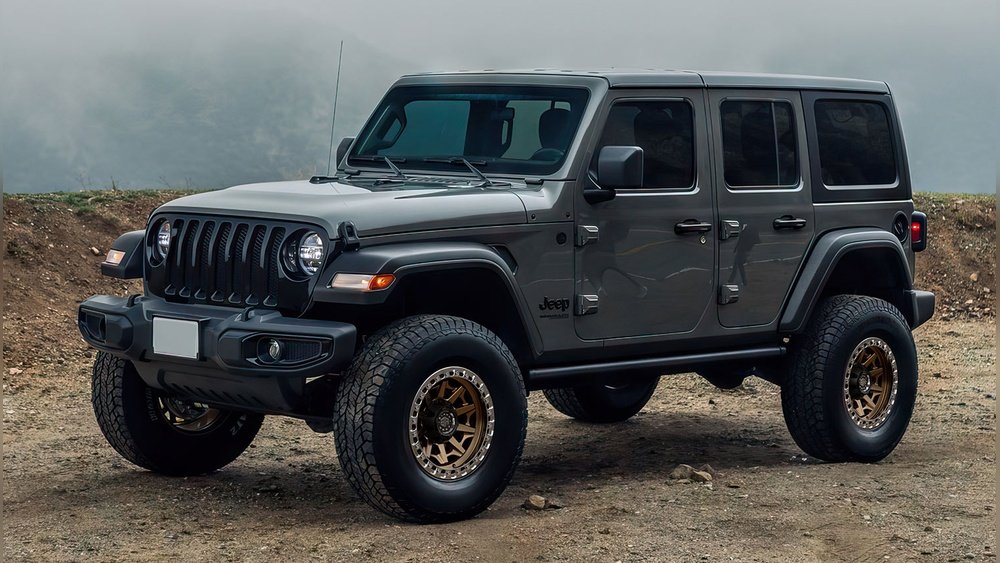
The Australian landscape is incredibly varied. From the sandy beaches of Queensland to the rocky tracks of Tasmania and the vast, arid expanses of the Outback, your Wrangler needs to be equipped to handle it all. A good wheels and tires package can transform your driving experience, offering better grip, improved durability, and a more comfortable ride. However, with so many options available, making the right choice can be overwhelming. This guide aims to simplify the process, providing clear, actionable advice for Australian Jeep owners.
Understanding Wheel Specifications
Before diving into tire types, it’s essential to understand wheel specifications. These numbers dictate how a wheel will fit your Wrangler and interact with other components.
Bolt Pattern (pcd)
The bolt pattern, or Pitch Circle Diameter (PCD), refers to the diameter of the circle on which the wheel’s lug holes are centered. For most Jeep Wranglers, the common bolt pattern is 5x127mm (also known as 5×5 inches). This is a critical measurement; if the bolt pattern doesn’t match your Jeep’s hubs, the wheels simply won’t fit. Always double-check this specification for your specific Wrangler model year.
Offset
Wheel offset is the distance from the wheel’s mounting surface to the centerline of the wheel. It can be positive, negative, or zero.
- Positive Offset: The mounting surface is closer to the outside of the wheel. This tucks the wheel further into the fender.
- Negative Offset: The mounting surface is further away from the outside of the wheel. This pushes the wheel outwards, giving a wider stance.
- Zero Offset: The mounting surface is exactly at the centerline of the wheel.
For Jeep Wranglers, a negative offset is often preferred for off-road applications. It helps to push the wheels out, providing more clearance for suspension components and allowing for larger tires without rubbing. However, excessively negative offsets can cause tire rub on fenders or bodywork, especially when turning or off-roading. A common range for modified Wranglers is between -10mm and -30mm.
Backspacing
Backspacing is another way to measure how a wheel sits. It’s the distance from the back of the wheel mounting surface to the outside edge of the wheel. A lower backspacing generally pushes the wheel further out. For Wranglers, a backspacing between 4.5 and 5 inches is common for aftermarket wheels, especially when fitting larger tires. It’s closely related to offset; a more negative offset usually results in lower backspacing.
Center Bore
The center bore is the hole in the middle of the wheel that allows it to sit flush on the vehicle’s hub. While many aftermarket wheels come with a universal center bore, it’s best to match it to your Jeep’s hub size. If the center bore is too large, hub-centric rings can be used to fill the gap, preventing vibrations and ensuring a secure fit.
Choosing The Right Tire For Australian Conditions
Tires are your direct connection to the road (or trail). The type of tire you choose will significantly impact your Wrangler’s performance, safety, and how well it handles the diverse Australian environment.
All-terrain (at) Tires
All-terrain tires are the most popular choice for Jeep Wrangler owners in Australia. They offer a good balance between on-road comfort and off-road capability.
- Pros: Versatile, good grip on dry and wet pavement, capable on gravel roads, dirt tracks, and light mud. They are generally quieter on the highway than mud-terrain tires and offer better tread life.
- Cons: Not as aggressive as mud-terrain tires for extreme off-roading, can be noisier than highway tires.
- Best for: Daily driving, weekend trips to national parks, exploring unsealed roads, and light to moderate off-roading. Brands like BFGoodrich All-Terrain T/A KO2, Falken Wildpeak A/T3W, and Cooper Discoverer AT3 are highly regarded in Australia.
Mud-terrain (mt) Tires
Mud-terrain tires are designed for serious off-road enthusiasts. They feature aggressive tread patterns with large voids to dig into mud, rocks, and sand.
- Pros: Exceptional traction in mud, rocks, and loose surfaces. Self-cleaning tread design helps shed mud and debris.
- Cons: Noisier on the road, reduced on-road handling, poorer fuel economy, and faster wear on pavement. They can also be less comfortable for daily driving.
- Best for: Dedicated off-roaders who frequently encounter challenging terrain like deep mud, rocky trails, and soft sand. Popular options include BFGoodrich Mud-Terrain T/A KM3, Nitto Trail Grappler, and Toyo Open Country M/T.
Hybrid/all-season Tires
These tires aim to bridge the gap between AT and MT tires, or offer a more road-focused experience with some off-road capability. Some brands offer “hybrid” AT tires that have more aggressive sidewalls or tread than standard ATs but are still manageable on-road.
True all-season tires are less common for Wranglers geared towards off-road use, as they often compromise too much in either direction.
Tire Size And Lift Kits
Fitting larger tires is one of the most common modifications for Jeep Wranglers. However, larger tires often require modifications to avoid rubbing:
- Stock Wranglers: Can typically fit up to 32-inch diameter tires (e.g., 285/70R17) without significant issues, though some minor rubbing on the sway bar or fender flares might occur during full articulation.
- With a Small Lift (e.g., 2-inch): You can usually fit 33-inch to 35-inch diameter tires (e.g., 285/75R17 or 315/70R17).
- With a Larger Lift (e.g., 4-inch+): Can accommodate 37-inch or even larger tires.
It’s crucial to note that simply increasing tire size without considering wheel offset and backspacing can lead to rubbing issues. A lift kit is often necessary to provide the clearance needed for larger tires, especially for off-road articulation.
Popular Jeep Wrangler Wheels And Tires Packages In Australia
Many Australian aftermarket suppliers offer pre-selected wheels and tires packages specifically for Jeep Wranglers. These packages take the guesswork out of matching wheels and tires and often provide a cost saving compared to buying them separately.
Here are some common package types and considerations:
1. The All-terrain Warrior Package
This is the most common type of package, featuring rugged all-terrain tires paired with durable aftermarket wheels.
- Wheels: Often 17-inch or 18-inch wheels with a negative offset (e.g., -10mm to -20mm) and suitable backspacing (around 4.5 inches). Popular styles include beadlock-look wheels or rugged, five-spoke designs. Brands like Method Race Wheels, Fuel Off-Road, and Affordable Offroad are common.
- Tires: Typically aggressive AT tires like BFGoodrich KO2, Falken Wildpeak A/T3W, or Cooper Discoverer STT Pro (which leans towards MT but is often used in AT packages). Sizes commonly range from 285/70R17 (33-inch) to 315/70R17 (35-inch).
- Benefits: Excellent all-around performance for mixed driving conditions across Australia. Enhances the aggressive stance of the Wrangler.
- Considerations: Ensure the chosen tire size is compatible with your Wrangler’s current setup or factor in the cost of a lift kit.
2. The Mud Master Package
For the serious off-roader, this package focuses on maximum traction in challenging conditions.
- Wheels: Similar to AT packages, often 17-inch wheels with negative offset. Some packages might include true beadlock wheels for extreme off-roading, allowing you to run lower tire pressures for better grip on rocks and sand.
- Tires: Aggressive mud-terrain tires such as BFGoodrich KM3, Nitto Trail Grappler, or Toyo Open Country M/T. Sizes are typically 33-inch or 35-inch, and sometimes larger.
- Benefits: Unmatched off-road traction. Ideal for frequent use on mud, rocks, and sand.
- Considerations: Significant compromise on on-road noise, comfort, and fuel economy. May require fender flares to cover the wider tire stance. A lift kit is almost always necessary.
3. The Hybrid Performance Package
This package aims for a blend of on-road refinement and enhanced off-road capability, often using newer generation AT tires.
- Wheels: Can range from 17-inch to 20-inch wheels. Some may have a more refined finish, while still offering appropriate offset for slightly wider stances.
- Tires: Tires like the Goodyear Wrangler Duratrac or Pirelli Scorpion All Terrain Plus offer a more sophisticated tread design that balances on-road manners with improved off-road grip compared to traditional ATs. Sizes are usually in the 33-inch range.
- Benefits: Quieter on the road, better fuel efficiency than MTs, yet still capable for most Australian off-road adventures.
- Considerations: Might not be aggressive enough for extreme mud or rock crawling.
Example Package Details
Let’s look at a hypothetical popular package often found in Australia:
| Component | Specification | Details |
|---|---|---|
| **Wheels** | 17×9″ **Method Race Wheels 305 NV** | 5x127mm Bolt Pattern, -12mm Offset, 4.75″ Backspacing, Matte Black finish. Popular for durability and looks. |
| **Tires** | 315/70R17 **BFGoodrich All-Terrain T/A KO2** | Approx. 34.5″ Diameter, 12.5″ Width. Known for excellent tread life and off-road performance. |
| **Total Diameter** | Approx. 34.5 inches | |
| **Lift Required** | Recommended: 2.5″ – 3.5″ lift kit | To ensure proper clearance and avoid rubbing during articulation. |
| **Approx. Price** | AUD $3,500 – $4,500 (set of 4, fitted) | Price varies based on retailer, current promotions, and tyre balancing. |
*Note: Prices are indicative and subject to change in the Australian market.*
Factors To Consider For Australian Buyers
When purchasing Jeep Wrangler wheels and tires packages in Australia, several local factors come into play:
Road Conditions And Durability
Australia has some of the harshest driving conditions in the world. Roads can range from smooth highways to corrugated dirt tracks, sharp gravel, and deep sand.
Your chosen tires and wheels need to be robust.
- Wheel Strength: Look for wheels specifically designed for off-road use. Flow-formed or forged wheels are stronger and lighter than basic cast wheels, but also more expensive. For most users, high-quality cast alloy wheels with good structural integrity are sufficient. Steel wheels are incredibly durable and inexpensive but heavy.
- Tire Sidewall Strength: For off-roading, tires with reinforced sidewalls are crucial. This helps prevent punctures from sharp rocks or debris. The BFGoodrich KO2, for example, is known for its Krawl-TEK compound and reinforced sidewall.
Legal Requirements (road Legality)
Modifying your Wrangler with larger tires and different wheels can have legal implications in Australia.
- Tyre Size: Regulations vary by state, but generally, changes to tire diameter should not exceed a certain percentage (often around 3% or 15mm) of the original diameter without speedometer recalibration and potentially engineering approval. Larger changes often require an engineering certificate and modifications to fenders or suspension.
- Wheel Guard Coverage: Tires must be adequately covered by fender flares or guards. If your aftermarket wheels and tires extend beyond the original guards, you may need to fit larger flares to comply with Australian Design Rules (ADRs).
- Load Rating: Ensure your wheels and tires have an adequate load rating for your Wrangler, especially if you plan on carrying heavy loads or towing.
Climate And Environment
Australia’s diverse climate presents unique challenges:
- Heat: Extreme heat in many parts of Australia can affect tire pressure and performance. Ensure your tires are rated for high temperatures and check pressures regularly.
- Rain: Tropical regions experience heavy rainfall. Good wet grip is essential. Look for tires with effective tread patterns for water dispersal.
- Dust and Sand: The Outback is notorious for dust and sand. Tires with good self-cleaning properties and wheels that are easy to clean are beneficial.
Fuel Economy
Larger, heavier wheels and more aggressive tires (especially MTs) will negatively impact your Wrangler’s fuel economy. This is a significant consideration for those who do a lot of highway driving or travel long distances across Australia. All-terrain tires are generally the best compromise for fuel efficiency among off-road capable options.
Suspension And Drivetrain
Fitting larger tires puts extra strain on your Wrangler’s suspension and drivetrain (axles, differentials, gearbox).
- Gearing: If you significantly increase tire size (e.g., to 35-inch or larger), you may need to re-gear your differentials. This adjusts the final drive ratio to compensate for the larger tire diameter, restoring lost power and improving drivability, especially for automatic transmissions. Common re-gearing ratios for 35



















