Jeep Wrangler Wheel Speed Sensor Replacement: Keeping Your 4×4 Moving Safely
Your Jeep Wrangler is built for adventure, capable of tackling tough terrain and offering an exhilarating driving experience. But like any vehicle, it requires regular maintenance to stay in top shape.
One crucial component that often gets overlooked until it causes problems is the wheel speed sensor. These small but mighty parts play a vital role in your Jeep's safety systems, including its Anti-lock Braking System (ABS) and Traction Control.
When a wheel speed sensor malfunctions, it can lead to a range of issues, from illuminated dashboard warning lights to impaired braking performance.
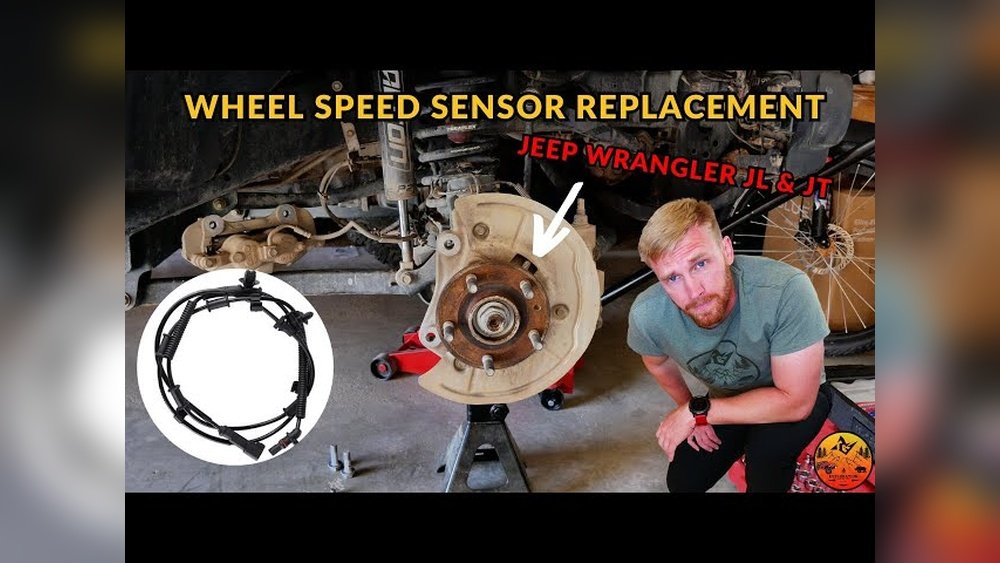
Replacing a faulty wheel speed sensor on a Jeep Wrangler might seem daunting, but it’s a manageable DIY project for many owners. Understanding the function of these sensors, recognizing the symptoms of failure, and following a step-by-step replacement process can save you time and money.
This guide will walk you through everything you need to know, from identifying the problem to getting your Jeep back on the road with confidence. We’ll cover the tools you’ll need, the common causes of sensor failure, and a detailed procedure for replacing the sensor yourself.
Understanding The Role Of Wheel Speed Sensors
Wheel speed sensors, also known as ABS sensors, are electronic devices that monitor the rotational speed of each wheel on your Jeep Wrangler. They are typically located near the wheel hub or brake rotor, and they work in conjunction with the Anti-lock Braking System (ABS) control module.
Here’s how they function:
- Sensing Rotation: Each sensor contains a magnetic encoder ring (often integrated into the hub or axle) and a sensor itself. As the wheel spins, the encoder ring rotates, generating a variable magnetic field.
- Generating a Signal: The sensor detects these changes in the magnetic field and converts them into an electrical pulse signal. The frequency of these pulses corresponds directly to the speed of the wheel.
- Communicating with the ABS Module: This electrical signal is sent to the ABS control module. The module constantly compares the speed signals from all four wheels.
- Activating Safety Systems: If the module detects that one wheel is spinning significantly faster or slower than the others (which can happen during hard braking or on slippery surfaces), it activates the ABS. The ABS then rapidly pulses the brake pressure to that specific wheel, preventing it from locking up and allowing the driver to maintain steering control.
Beyond ABS, wheel speed sensors are also critical for:
- Traction Control System (TCS): TCS uses the wheel speed sensor data to detect if a wheel is losing traction during acceleration. If it does, the system can reduce engine power or apply brakes to the spinning wheel to regain grip.
- Electronic Stability Control (ESC): ESC builds upon ABS and TCS by monitoring the vehicle’s direction of travel versus the driver’s intended direction. If a discrepancy is detected, ESC can use the brakes and engine power to help stabilize the vehicle.
- Speedometer: In many modern vehicles, including some Jeep Wranglers, the wheel speed sensor data is used to calculate and display the vehicle’s speed on the speedometer.
The precise and reliable functioning of these sensors is paramount for your safety and the overall performance of your Wrangler.
Common Symptoms Of A Failing Wheel Speed Sensor
When a wheel speed sensor begins to fail or has completely failed, your Jeep Wrangler will usually provide clear indications. Recognizing these symptoms early can prevent more serious issues and costly repairs down the line.
The most common signs include:
- Illuminated Dashboard Warning Lights: This is the most obvious indicator. You’ll likely see the ABS warning light illuminate on your dashboard. In some cases, the Traction Control warning light may also come on, or the system might automatically disable itself (often indicated by a light). Some newer models might also display a general check engine light.
- ABS Malfunction: If the ABS light is on, your Anti-lock Braking System is likely disabled. This means that during hard braking, your wheels could lock up, leading to a loss of steering control and increased stopping distances, especially on wet or slippery surfaces.
- Traction Control Issues: The traction control system may become erratic or inoperative. You might notice a lack of control on slippery surfaces, or the system might engage unnecessarily.
- Speedometer Problems: In Wranglers where the speedometer relies on wheel speed sensor data, you might experience an inaccurate or fluctuating speedometer reading. It could read too high, too low, or jump around.
- Rough Shifting (Less Common): Some vehicles use wheel speed data for transmission control. A faulty sensor could, in rare cases, lead to rough shifting or transmission performance issues.
- Cruise Control Disengagement: The cruise control system relies on consistent speed data. If the wheel speed sensor is providing erratic information, the cruise control may disengage unexpectedly.
It’s important to note that a single faulty sensor can sometimes affect multiple systems. If you see the ABS light, it’s crucial to get it checked out promptly, as it directly impacts your ability to stop safely.
Why Do Jeep Wrangler Wheel Speed Sensors Fail?
Wheel speed sensors are exposed to harsh conditions, which can lead to their eventual failure. Understanding these common causes can help you prevent premature wear and tear on your Jeep.
Here are the primary reasons for wheel speed sensor failure:
- Physical Damage: This is perhaps the most frequent cause.
- Road Debris: Rocks, gravel, and other road debris kicked up during off-roading or driving on rough surfaces can directly strike and damage the sensor or its wiring.
- Corrosion: Exposure to water, salt (especially in areas where roads are treated in winter), and mud can cause corrosion on the sensor’s electrical connector and internal components. This corrosion can degrade the electrical connection, leading to intermittent signals or complete failure.
- Impacts: Hitting potholes, curbs, or large rocks can jolt the suspension and potentially damage the sensor or its mounting.
- Wear and Tear: Like any automotive component, wheel speed sensors have a lifespan. Over time, the internal electronics can degrade, leading to signal loss or inaccuracies. The magnetic encoder ring on the axle or hub can also wear down or accumulate metallic debris, affecting the sensor’s ability to read its rotation accurately.
- Wiring Issues: The wiring harness connecting the sensor to the ABS module is often subjected to flexing, vibration, and exposure.
- Abrasion: Wires can become abraded by rubbing against other components, leading to shorts or open circuits.
- Stretching or Breaking: Sudden impacts or improper installation/removal of other suspension components can stretch or break the wires.
- Corroded Connectors: The electrical connector at the sensor or further up the harness can corrode, preventing a good electrical connection.
- Bearing Failure: In some Jeep Wrangler models, the wheel speed sensor is integrated into the wheel bearing assembly. If the wheel bearing fails, it often takes the sensor with it. Symptoms of a failing wheel bearing, such as humming or grinding noises, should be addressed promptly to prevent further damage.
- Manufacturing Defects: While less common, a sensor can sometimes fail due to a defect from the manufacturing process.
Pro Tip: When diagnosing a wheel speed sensor issue, always inspect the wiring and connector thoroughly. Often, the problem isn’t the sensor itself but a damaged wire or a corroded connection.
Tools And Materials Needed For Replacement
Before you begin the replacement process, ensure you have all the necessary tools and materials. Having everything ready will make the job smoother and prevent frustrating interruptions.
Here’s a list of common tools and supplies you’ll likely need:
- New Wheel Speed Sensor: Ensure you purchase the correct sensor for your specific Jeep Wrangler model, year, and axle (front/rear, driver/passenger side).
- Jack and Jack Stands: For safely lifting and supporting your Jeep. Never work under a vehicle supported only by a jack.
- Lug Wrench: To remove the wheel.
- Socket Set (Metric): You’ll need various metric sockets, likely including 10mm, 13mm, 15mm, and possibly larger sizes for suspension components if they obstruct access.
- Wrench Set (Metric): Similar to sockets, a set of metric wrenches will be useful.
- Pliers: Standard pliers and possibly needle-nose pliers for manipulating connectors or small parts.
- Wire Brush: For cleaning corrosion from connectors or mounting surfaces.
- Penetrating Oil (e.g., WD-40): To help loosen stubborn bolts or fasteners.
- Torque Wrench: Essential for tightening bolts to the manufacturer’s specifications, especially for suspension and brake components.
- Flathead Screwdriver: May be needed to gently pry connectors or remove clips.
- Safety Glasses: To protect your eyes from debris.
- Gloves: To keep your hands clean and provide better grip.
- Brake Cleaner: For cleaning brake components if necessary.
- Dielectric Grease: Recommended for the electrical connector of the new sensor to prevent moisture intrusion and corrosion.
- Zip Ties or Wire Retainers: To secure the new sensor’s wiring harness properly.
Important Note: Depending on your Wrangler’s configuration (especially if the sensor is integrated with the hub assembly), you might need additional tools like a pickle fork for separating ball joints or a hammer. Always consult your Jeep’s service manual for specific tool requirements.
Step-by-step Guide To Replacing A Jeep Wrangler Wheel Speed Sensor
Replacing a wheel speed sensor on a Jeep Wrangler is generally a straightforward process, though accessibility can vary depending on the axle and the specific location of the sensor. This guide provides general steps; always refer to your Jeep’s service manual for precise details.
Safety First:
- Park your Jeep on a level surface.
- Engage the parking brake and block the wheels that will remain on the ground.
- Loosen the lug nuts on the wheel you’ll be removing before lifting the vehicle.
Procedure:
- Lift and Secure the Vehicle: Use your jack to lift the front or rear of the Jeep (depending on which sensor you’re replacing) and securely place jack stands under the frame or axle. Lower the vehicle onto the jack stands.
- Remove the Wheel: Finish removing the lug nuts and take off the wheel. This will give you access to the brake assembly and the wheel speed sensor.
- Locate the Wheel Speed Sensor: The sensor is typically mounted on the steering knuckle (front) or the axle housing (rear), near the wheel hub. It has a wire leading from it that follows the brake line or other harness to the main wiring loom.
- Front Sensors: Often located on the back of the knuckle, pointing towards the hub or differential.
- Rear Sensors: Typically mounted on the axle tube, near the differential or brake assembly.
- Disconnect the Electrical Connector: Follow the sensor’s wire to its electrical connector. This connector might be clipped onto the frame, brake line, or other components. Carefully disconnect it. Sometimes these connectors can be stiff due to dirt or corrosion. You might need to gently press a release tab or use a small flathead screwdriver to help separate them.
- Remove the Old Sensor: The sensor is usually held in place by one or two bolts.
- Identify the mounting bolt(s). You’ll likely need a socket (often 10mm or 13mm) to remove them.
- If the sensor is stubborn, you can spray a little penetrating oil around the mounting point and let it soak for a few minutes.
- Once the bolt(s) are removed, gently pull the sensor out of its mounting hole. If it’s stuck, you may need to wiggle it carefully or use a small pry tool on the mounting flange (avoid damaging the mounting surface).
- Clean the Mounting Area: Use a wire brush and some brake cleaner to clean the area where the old sensor was mounted. Ensure there’s no rust, dirt, or debris that could prevent the new sensor from seating properly.
- Install the New Sensor:
- Apply a small amount of dielectric grease to the electrical connector of the new sensor. This helps seal out moisture and prevent future corrosion.
- Carefully insert the new sensor into its mounting hole. Make sure it seats fully.
- Reinstall the mounting bolt(s) and tighten them securely. Consult your service manual for the correct torque specification if available. Over-tightening can strip threads or damage the sensor.
- Secure the Wiring Harness: Route the wiring of the new sensor along the original path. Use zip ties or the original mounting clips to secure the harness. Ensure the wire is not stretched, kinked, or positioned where it could rub against moving suspension parts or the tire. Proper wire routing is crucial to prevent damage.
- Reconnect the Electrical Connector: Plug the new sensor’s electrical connector firmly into the vehicle’s wiring harness connector. You should hear or feel a click as it locks into place.
- Reinstall the Wheel: Mount the wheel back onto the hub, hand-tighten the lug nuts.
- Lower the Vehicle: Remove the jack stands and carefully lower the Jeep back to the ground.
- Tighten Lug Nuts: Use your lug wrench to tighten the lug nuts in a star pattern to the manufacturer’s recommended torque specification.
- Test Drive and Clear Codes: Start your Jeep. The ABS and Traction Control warning lights should now be off. If they remain on, or if the check engine light is still illuminated, you may need to clear the fault codes using an OBD-II scanner. Take your Jeep for a short test drive, paying attention to the brakes and any warning lights.
Warning: If you are uncomfortable performing any of these steps, or if you encounter significant difficulty, it is best to have the repair done by a qualified mechanic. Improper installation can lead to further damage or safety issues.
Common Pitfalls And How To Avoid Them
While replacing a wheel speed sensor is often a DIY-friendly job, several common mistakes can turn a simple repair into a frustrating ordeal. Being aware of these pitfalls can help you avoid them.
Here are some common mistakes and how to steer clear of them:
- Buying the Wrong Part: Not all wheel speed sensors are the same. They differ by year, model, and even by axle (front vs. rear) and side (driver vs. passenger).
- Avoidance: Always double-check the part number against your Jeep’s VIN or by consulting a reliable parts catalog. Ensure the sensor is specified for your exact vehicle configuration.
- Damaging the Wiring Harness: The wires leading to the sensor are often thin and can be easily damaged. Rough handling, improper routing, or failure to secure the harness can lead to the new sensor failing prematurely.