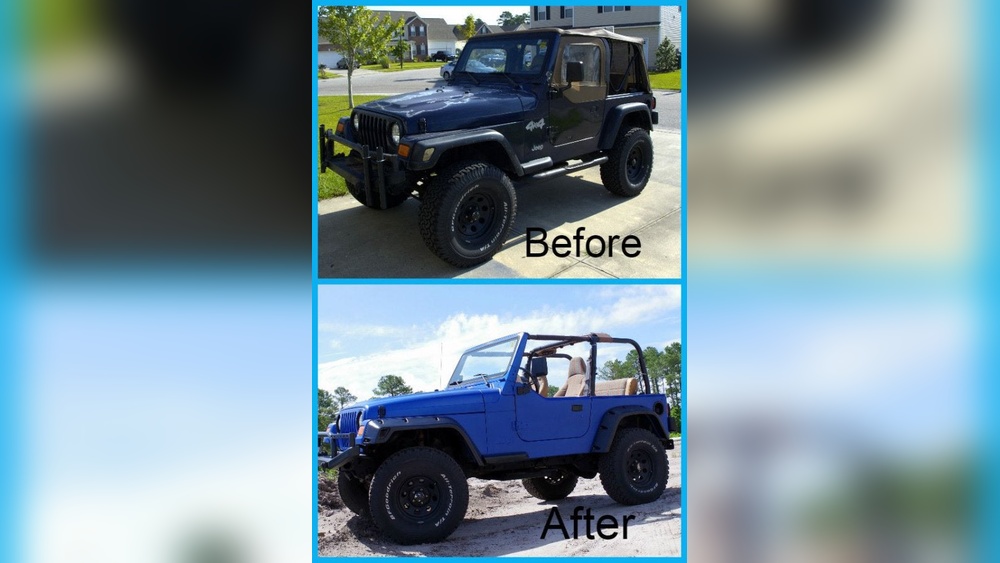
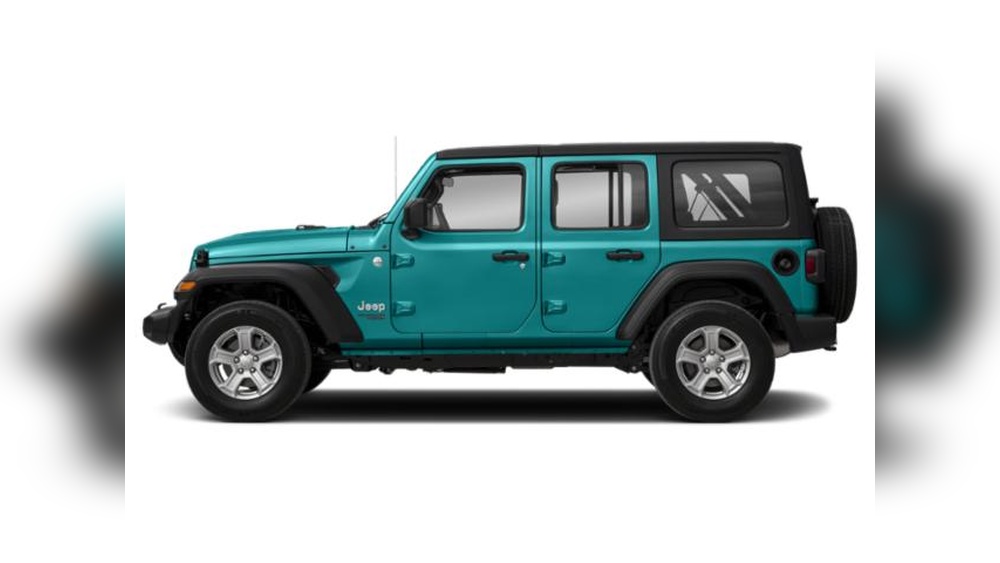
The Jeep Wrangler Unlimited is built for adventure. Its rugged design and off-road capabilities make it a favorite for many.
But even the best vehicles can be improved. One of the most popular and effective upgrades for a Wrangler Unlimited is changing the wheels.
New wheels can make your Jeep look better, perform better off-road, and even improve its on-road manners.
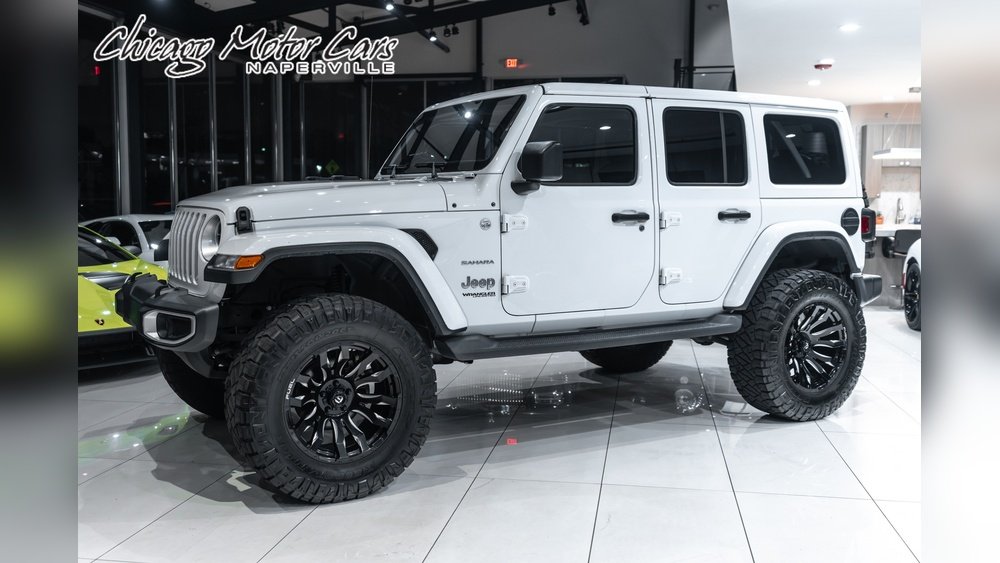
Choosing the right wheels for your Wrangler Unlimited is important. It’s not just about looks. The size, material, offset, and bolt pattern all play a role in how your Jeep will handle, how much stress it puts on other parts, and what kind of tires you can fit. This guide will help you understand the key factors in selecting Jeep Wrangler Unlimited wheel upgrades. We’ll cover everything from basic specifications to advanced considerations, ensuring you make a choice that fits your driving needs and style.
Understanding Wheel Basics For Your Wrangler Unlimited
Before you start looking at flashy designs, it’s crucial to understand the fundamental aspects of wheels. These specifications determine compatibility and impact your Jeep’s performance.
Wheel Size: Diameter And Width
The wheel diameter is the most obvious measurement. Common sizes for the Wrangler Unlimited range from 15 inches to 20 inches or even larger.
- Smaller Diameter Wheels (e.g., 15-17 inches): These are often preferred for serious off-roading. They allow for a larger sidewall on the tire. A larger tire sidewall provides more cushion, absorbs impacts better on rough terrain, and can be aired down for better traction without risking damage to the wheel rim.
- Larger Diameter Wheels (e.g., 18-20+ inches): These are more common for on-road use or for a sportier look. They typically pair with lower-profile tires, which can offer better handling on pavement due to less tire flex. However, they offer less protection for the wheel itself on rough trails and can result in a harsher ride.
The wheel width is also critical. It’s measured in inches and affects the tire size you can safely mount. Wider wheels generally allow for wider tires, which can improve stability and traction. However, a wheel that is too wide for the tire can lead to tire wear issues and reduced performance. For a Wrangler Unlimited, common widths range from 7.5 inches to 9 inches, with some custom setups going wider.
Bolt Pattern And Offset
The bolt pattern refers to the number and spacing of the lug holes on the wheel. The Jeep Wrangler Unlimited typically uses a 5×5 inch (or 5x127mm) bolt pattern. This means there are five lug holes spaced in a circle with a diameter of 5 inches. It is crucial to match this bolt pattern. Using wheels with the wrong bolt pattern is unsafe and will not fit.
Wheel offset is a bit more complex but very important. It measures how the wheel mounts to the hub. It’s the distance from the wheel’s mounting surface to the centerline of the wheel.
- Positive Offset: The mounting surface is closer to the outside of the wheel. This pushes the wheel inwards towards the suspension.
- Negative Offset: The mounting surface is further from the outside of the wheel. This pushes the wheel outwards, away from the suspension.
- Zero Offset: The mounting surface is exactly at the centerline of the wheel.
For the Wrangler Unlimited, a stock offset is typically around +44mm. Many aftermarket wheels offer a negative offset (e.g., 0mm or -12mm). A negative offset pushes the wheels out, which can:
- Improve stability, especially on uneven terrain.
- Provide more clearance for larger brake components or suspension upgrades.
- Allow for wider tire fitment.
- Give the Jeep a more aggressive stance.
However, excessive negative offset can cause tires to rub on fenders or the body, increase stress on wheel bearings and suspension components, and may lead to more road spray hitting the vehicle’s body.
Backspacing
Closely related to offset, backspacing is the measurement from the back of the wheel (where it mounts to the hub) to the edge of the wheel rim.
- Lower backspacing (often associated with negative offset) pushes the wheel out.
- Higher backspacing (often associated with positive offset) pulls the wheel in.
For a Wrangler JK or JL Unlimited, a common stock backspacing is around 6. 25 inches.
Many off-roaders prefer wheels with lower backspacing, such as 4. 5 inches or even 3.
5 inches, to gain clearance and accommodate wider tires.
Types Of Wheels For Your Wrangler Unlimited
Wrangler wheels come in various materials and designs, each with pros and cons.
Alloy Wheels
Alloy wheels are the most popular choice for aftermarket upgrades. They are made from a mixture of metals, primarily aluminum.
- Pros:
- Lighter weight: Compared to steel wheels, they reduce unsprung weight, which can improve handling, acceleration, and braking.
- Better heat dissipation: This is beneficial for brake cooling.
- Wide variety of designs: Available in countless styles, finishes, and colors to customize your Jeep’s look.
- Corrosion resistance: Generally hold up well against rust, though finishes can be damaged.
- Cons:
- More expensive: Typically cost more than steel wheels.
- Can be brittle: In extreme impacts, they can crack rather than bend, which can be a safety concern off-road.
- Repair difficulty: Repairing cracked or severely damaged alloy wheels can be challenging or impossible.
Steel Wheels
Steel wheels are the traditional choice, known for their durability and affordability.
- Pros:
- Extremely durable: They tend to bend or deform under heavy impact rather than crack, making them forgiving in tough off-road situations.
- Affordable: Significantly cheaper than alloy wheels.
- Easy to repair: Bends can often be hammered out.
- Cons:
- Heavy: They add significant unsprung weight, which can negatively impact handling, fuel economy, and acceleration.
- Limited designs: Offer fewer aesthetic options compared to alloy wheels.
- Prone to rust: If the coating is damaged, steel wheels can rust over time.
Hybrid Or Composite Wheels
Some wheels combine materials or use advanced manufacturing techniques. For example, some are made using flow-forming or forged processes.
- Flow-Formed Wheels: These start as cast aluminum wheels that are then spun and heated, stretching the metal into a thinner, stronger barrel. They offer a good balance of weight savings and strength, often lighter than cast alloy but stronger.
- Forged Wheels: Made by forging a solid block of aluminum. This process aligns the metal’s grain structure, resulting in extremely strong and lightweight wheels. They are the most expensive but offer the best performance and durability, especially for extreme off-roading or heavy-duty use.
Choosing The Right Size: Diameter, Width, And Tire Fitment
The relationship between your wheels and tires is symbiotic. Changing one often necessitates a change in the other.
Tire Size And Sidewall Height
When you upgrade your wheels, you need to consider how they will affect your tire choices.
- Wheel Diameter vs. Tire Sidewall: If you increase your wheel diameter (e.g., from 17″ to 20″), you generally need to decrease the tire’s sidewall height to maintain a similar overall tire diameter. A larger overall tire diameter (achieved by increasing both wheel size and tire sidewall, or just tire size) will lift your Jeep and can affect speedometer readings and gear ratios.
- Tire Width: Wider wheels can accommodate wider tires. Wider tires offer a larger contact patch with the ground, improving traction and stability. However, very wide tires can cause rubbing issues with fenders, suspension components, or the body, especially when turning or flexing the suspension off-road.
Overall Tire Diameter
Maintaining a similar overall tire diameter is often desirable for daily drivers or those who don’t want to re-gear their axles. A common target for Wrangler Unlimited upgrades is to stay close to the stock overall diameter (around 32 inches for stock tires).
- Example: If you switch from a 17-inch wheel with a 33-inch tire to a 20-inch wheel, you might choose a tire with a lower profile but the same overall diameter, like a 20-inch wheel with a 33-inch tire.
- Larger Tires: Many off-road enthusiasts opt for larger tires (e.g., 35-inch or 37-inch) which also requires larger wheels (often 17-inch or 18-inch) to provide sufficient sidewall for off-road use. This often necessitates suspension modifications (lift kits) and potentially re-gearing the axles to compensate for the increased tire size and weight.
Calculating Overall Tire Diameter
You can calculate the overall diameter of a tire using this formula:
(Tire Width / 25. 4) * (Aspect Ratio / 100) * 2 + Wheel Diameter
- Tire Width: The width of the tire in millimeters (e.g., 285).
- Aspect Ratio: The sidewall height as a percentage of the tire width (e.g., 70 for a 285/70R17 tire).
- Wheel Diameter: The diameter of the wheel in inches.
Example: For a 285/70R17 tire:
(285 / 25.4) * (70 / 100) * 2 + 17 = 11.22 * 0.7 * 2 + 17 = 7.85 * 2 + 17 = 15.7 + 17 = 32.7 inches
Impact Of Wheel Upgrades On Performance
Changing your wheels can significantly alter how your Wrangler Unlimited drives, both on and off the pavement.
On-road Performance
- Handling: Lighter alloy wheels can reduce unsprung weight. This means the suspension can react more quickly to road imperfections, leading to a smoother ride and improved handling. Wheels with a wider stance (negative offset) can also increase stability.
- Braking and Acceleration: Reduced weight from lighter wheels means less mass for the brakes to stop and the engine to accelerate. This can lead to slightly improved braking distances and quicker acceleration.
- Ride Comfort: While larger diameter wheels often mean lower profile tires and a potentially stiffer ride, the choice of wheel and tire combination can be tailored. A well-chosen setup can actually improve ride comfort over stock, especially if you prioritize off-road capability.
Off-road Performance
- Traction: Wider tires, often fitted to wider wheels with appropriate offset, provide a larger contact patch for better grip on various surfaces like dirt, mud, and rocks. The ability to air down tires significantly is also enhanced with wheels that offer good bead seating and protection.
- Durability: For serious off-roading, steel wheels or forged/flow-formed alloy wheels are often preferred for their ability to withstand impacts. A wheel that can bend without breaking is often better in extreme conditions than one that might crack.
- Clearance: Wheels with negative offset push the tires outward, which can provide more clearance for suspension components and allow for larger tires without rubbing on the fenders or sway bars. This is crucial for maximizing suspension travel off-road.
- Beadlock Wheels: For extreme off-roading, beadlock wheels are a specialized upgrade. They physically clamp the tire bead to the wheel, preventing the tire from coming off the rim even at very low air pressures. This dramatically increases traction and prevents tire de-beading on challenging terrain.
Popular Wheel Sizes And Configurations For Wrangler Unlimited
When upgrading, many owners stick to certain wheel and tire sizes that offer a good balance of aesthetics and function.
Common Upgrades For Jk/jl Wrangler Unlimited
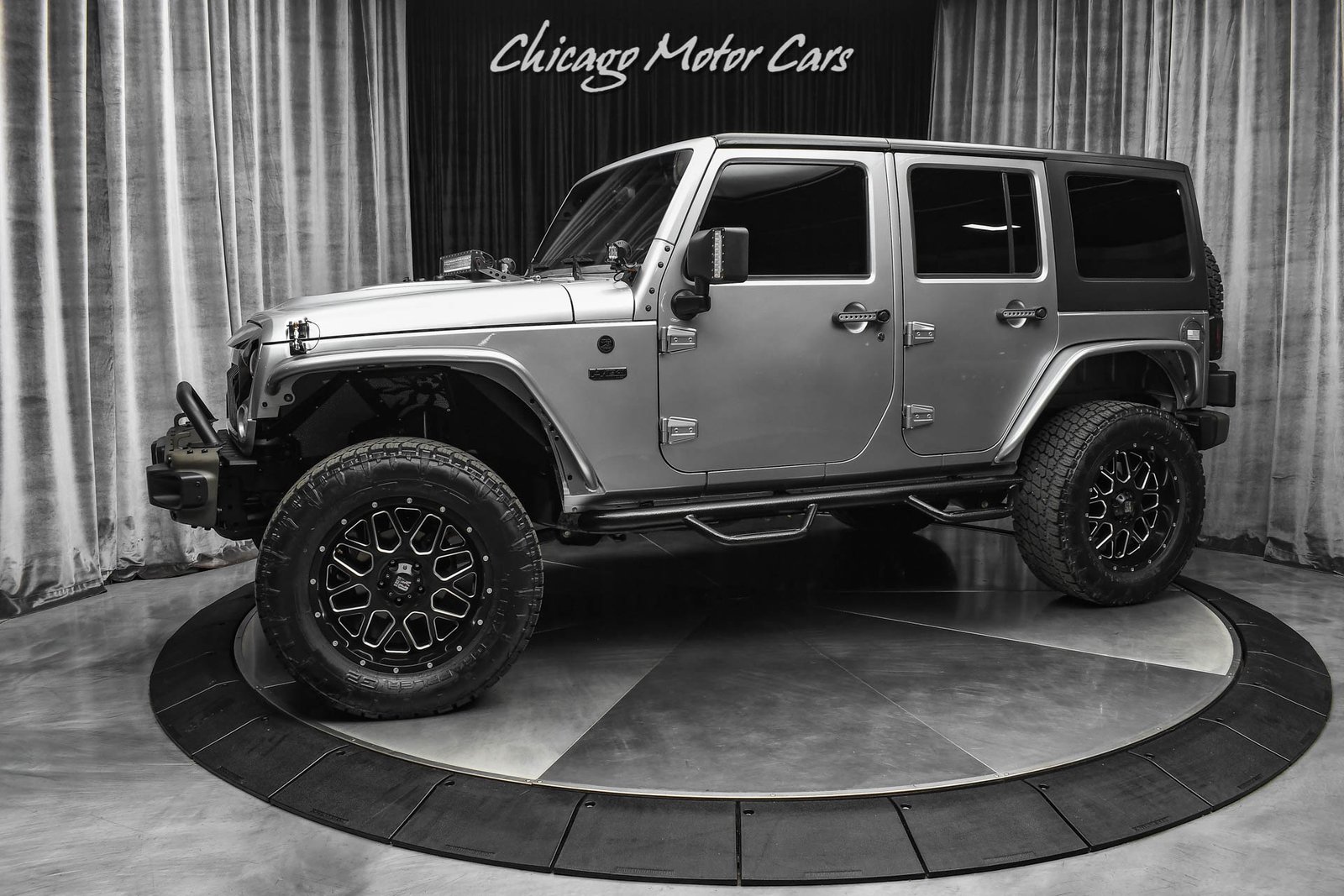
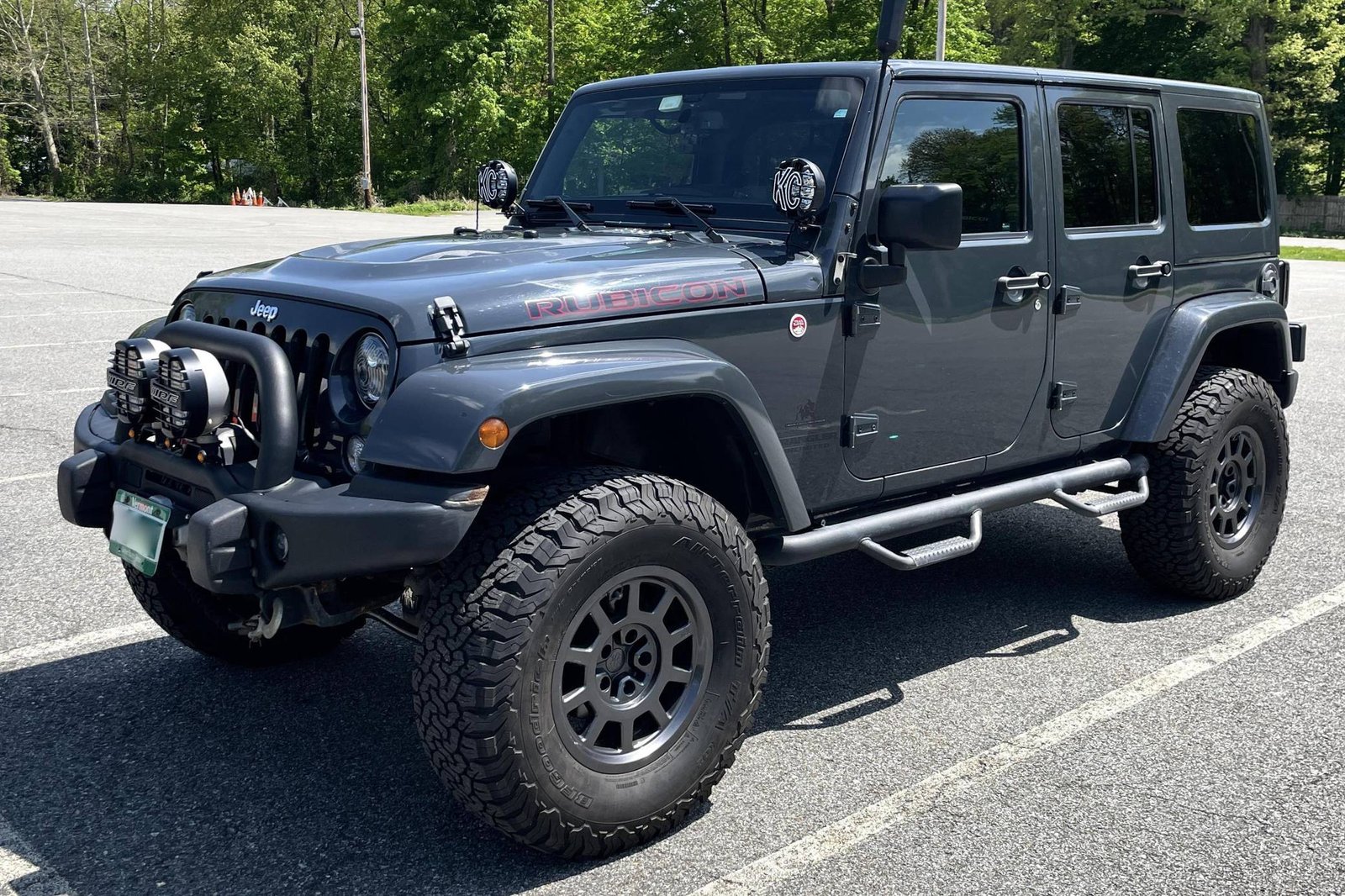
- 17-inch Wheels: This is arguably the most popular size for Wrangler Unlimited upgrades, especially for off-road use.
- Why 17-inch? It allows for a good balance between wheel size and tire sidewall. You can fit substantial off-road tires (like 33″, 35″, or even 37″ tires) with enough sidewall height for comfort and off-road performance.
- Common Widths: 8.5 inches to 9 inches.
- Common Offsets: 0mm (zero offset) to -12mm (negative offset). This pushes the wheels out slightly, improving stance and clearance.
- Tire Examples: 285/70R17 (approx. 33″), 315/70R17 (approx. 35″), 37×12.50R17.
- 18-inch Wheels: A step up in diameter, often chosen for a slightly more modern look while still allowing for decent tire sidewalls.
- Why 18-inch? Offers a compromise between on-road handling and off-road capability. Still allows for tires with a respectable sidewall height.
- Common Widths: 9 inches.
- Common Offsets: 0mm to +1mm.
- Tire Examples: 275/70R18 (approx. 33″), 285/65R18 (approx. 33″).
- 20-inch Wheels: Primarily chosen for aesthetics and on-road performance.
- Why 20-inch? Provides a more aggressive, street-oriented look. Pairs well with lower-profile tires for better on-road grip and steering response.
- Common Widths: 9 inches.
- Common Offsets: +10mm to +20mm.
- Tire Examples: 275/55R20 (approx. 32″), 285/50R20 (approx. 33″). Note that off-road capability can be compromised due to the very short sidewall.
Considerations For Different Wrangler Generations (jk Vs. Jl)
While the bolt pattern (5×5) has remained consistent for JK and JL models, there can be slight differences in suspension geometry and body clearance that might influence wheel and tire fitment. Generally, wheels and tires that fit a JK will also fit a JL, but it’s always best to double-check specific fitment guides for your