The Jeep Wrangler TJ is an icon. For decades, Jeep owners have sought to customize their vehicles, making them more capable off-road or simply more stylish.
One of the most impactful upgrades a TJ owner can make is to their tire and wheel package. This combination affects everything from off-road traction and ride comfort to braking performance and overall aesthetics.
Choosing the right package isn't just about picking a cool-looking wheel and a beefy tire; it involves understanding how they interact with your specific Jeep and your intended use.
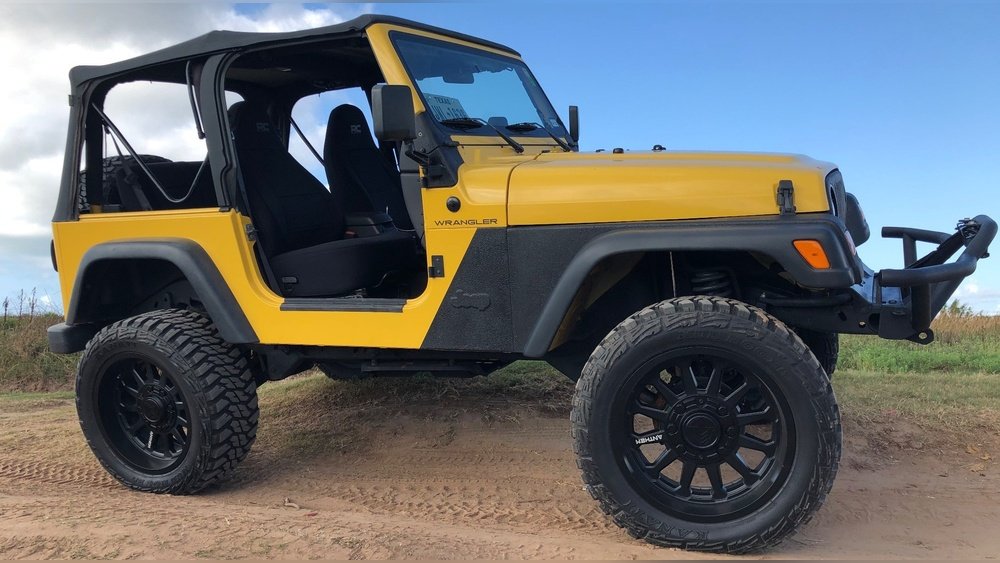
For the TJ generation, which ran from 1997 to 2006, there’s a vast aftermarket catering to these needs. Whether you’re planning to tackle rocky trails, cruise down the highway, or build a show-stopping custom rig, the right tire and wheel setup is crucial. This guide will walk you through everything you need to know, from understanding basic specifications to selecting the perfect package for your Jeep Wrangler TJ. We’ll cover common tire sizes, wheel offsets, bolt patterns, and discuss popular choices that many TJ owners opt for.
Understanding Tire And Wheel Basics For Your Tj Wrangler
Before diving into specific packages, it’s essential to grasp the fundamental components and specifications that define a tire and wheel setup. Understanding these terms will empower you to make informed decisions and avoid common pitfalls.
Tire Sizing Explained
Tire sizes are presented in a standardized format, typically a series of numbers and letters. For a Jeep Wrangler TJ, you’ll most commonly see sizes like 31×10.50R15. Let’s break this down:
- 31: This is the tire diameter in inches. It indicates the overall height of the tire when inflated. Larger numbers mean taller tires, which can provide more ground clearance and better obstacle rollover.
- 10.50: This is the tire width in inches, measured from sidewall to sidewall at its widest point. A wider tire offers a larger contact patch with the ground, improving traction on various surfaces, but can also be more susceptible to hydroplaning on wet roads.
- R: This letter signifies that the tire is radial construction, which is the standard for virtually all modern tires.
- 15: This is the wheel diameter in inches. It must match the diameter of the wheel you intend to use. Common sizes for TJ Wranglers include 15-inch, 16-inch, and sometimes 17-inch wheels.
You might also encounter metric sizing, like LT285/75R16.
- LT: Stands for Light Truck, indicating the tire is built for heavier loads and more demanding use than a standard passenger car tire.
- 285: This is the tire width in millimeters.
- 75: This is the aspect ratio, representing the tire’s sidewall height as a percentage of its width. In this case, the sidewall height is 75% of 285mm. A lower aspect ratio means a shorter, stiffer sidewall (less comfortable ride, better on-road handling), while a higher aspect ratio means a taller, more flexible sidewall (more comfortable ride, better off-road flexibility).
- R: Again, indicates radial construction.
- 16: The wheel diameter in inches.
Wheel Specifications: What Matters
Wheels, often called rims, are just as critical as tires. Their specifications directly impact fitment, suspension clearance, and the overall stance of your TJ.
- Bolt Pattern: This refers to the number of lug holes and the diameter of the circle on which they are mounted. The Jeep Wrangler TJ universally uses a 5×4.5 inch (or 5×114.3mm) bolt pattern. This means there are 5 lug holes, and the distance across the center of the hub from one stud to the opposite stud is 4.5 inches. It’s crucial to match this pattern to avoid unsafe installations.
- Backspacing and Offset: These two terms describe how the wheel mounts to the hub and how far the wheel sits inward or outward.
- Backspacing: This is the distance from the rear of the wheel mounting surface (where it bolts to the hub) to the outside edge of the wheel. Lower backspacing pushes the wheel and tire further out from the suspension components.
- Offset: This measures the distance from the wheel’s mounting surface to the centerline of the wheel. A negative offset (common on Jeeps) means the mounting surface is closer to the outside of the wheel, pushing the wheel and tire outward. A positive offset pushes it inward.
For a TJ Wrangler, a common backspacing range is 3.75 to 4.5 inches. Many aftermarket wheels designed for Jeeps have 0mm to -12mm offset. Lower backspacing or negative offset can help accommodate larger tires and reduce rubbing on suspension components, but too much can lead to tire rubbing on the fenders or fenders themselves.
Common Tire Sizes For Tj Wranglers
The stock tire size for most TJ Wranglers was around 30.5 inches tall (e.g., 215/75R15). However, many owners upgrade.
- 31-inch tires: These are a popular first upgrade. They often fit with minimal or no modification, especially on models with higher trim levels or if minor fender trimming is acceptable. Common sizes include 31×10.50R15.
- 33-inch tires: This is a significant step up and usually requires a 2-inch lift kit or more for adequate clearance, especially for off-road use where suspension articulation is needed. Common sizes include LT285/75R16 or 33×12.50R15.
- 35-inch tires: These are for serious off-roaders. They demand substantial suspension modifications, often a 4-inch lift or more, fender modifications (like high-line fender flares), and potentially drivetrain upgrades like re-gearing axles for better performance. Common sizes are 35×12.50R17 or 35×12.50R15.
Popular Tire And Wheel Packages For The Tj Wrangler
When you start looking for Jeep Wrangler TJ tire and wheel packages, you’ll find countless combinations. These packages often bundle popular tire brands and models with wheels that have the correct bolt pattern and suitable backspacing/offset for the TJ. Here are some common and well-regarded options.
The “mild Upgrade” Package: 31-inch Tires
This is the go-to for many TJ owners looking for a noticeable improvement without major modifications.
- Tires: BFGoodrich All-Terrain T/A KO2 (31×10.50R15) or Falken Wildpeak A/T3W (31×10.50R15). These are excellent all-around tires, performing well on-road and offering good grip in dirt, mud, and light snow. The KO2 is known for its durability and aggressive tread, while the Wildpeak A/T3W is praised for its wet-weather traction and quieter ride.
- Wheels: 15×8 inch wheels with 4.5 inch backspacing and a 0mm offset. Brands like Pro Comp, Rugged Ridge, or American Racing offer many styles in this configuration. A common style is a classic 5-spoke or simulated beadlock design in black or polished aluminum.
Why it works: This setup provides about an inch of extra ground clearance over stock. The slightly wider stance improves stability. Most importantly, 31-inch tires on a TJ often fit without rubbing during normal driving, though some minor fender liner contact might occur during full suspension compression or sharp turns off-road. This package offers a significant visual upgrade and enhanced capability for light trails.
The “trail Ready” Package: 33-inch Tires
For those ready to take their TJ further off the beaten path, 33-inch tires are a popular choice. This typically requires a 2-inch to 2.5-inch lift kit.
- Tires: BFGoodrich Mud-Terrain T/A KM3 (33×12.50R15) or Nitto Trail Grappler M/T (33×12.50R15). These are aggressive mud-terrain tires designed for maximum off-road traction. The KM3 is renowned for its rock-climbing ability and mud-slinging performance, while the Trail Grappler offers a good balance of mud performance and slightly more on-road civility.
- Wheels: 15×8 or 15×10 inch wheels with 3.75 to 4.0 inch backspacing and a -12mm to -25mm offset. This lower backspacing and negative offset push the wheels out, helping to clear the TJ’s suspension components and fenders with the larger tires. Brands like Fuel Off-Road, Moto Metal, or Vision Wheel offer popular styles that complement aggressive tires, often featuring simulated beadlock rings and rugged finishes.
Why it works: This setup significantly increases ground clearance and the tire’s ability to conform to uneven terrain. The wider tire and negative offset create a more aggressive stance. However, it’s crucial to note that even with a lift, rubbing can still occur on the fenders, control arms, or sway bar links, especially during articulation. Some owners may need to perform a “minor trim” (cutting a small section of the fender flares) or install longer bump stops to prevent damage. Re-gearing the axles might be considered for better acceleration and hill-climbing performance.
The “extreme Off-road” Package: 35-inch Tires
This is for the dedicated off-roader who wants maximum capability. It requires significant modifications.
- Tires: Toyo Open Country R/T (35×12.50R17) or Maxxis RAZR MT (35×12.50R17). These are robust, hybrid-terrain tires that offer excellent off-road grip while remaining manageable on the street. The R/T is known for its aggressive tread pattern and durability, while the RAZR MT is a popular choice for its balance of mud-crawling and road manners. Many opt for 17-inch wheels with 35-inch tires to allow for larger brake upgrades and a lower profile sidewall for better on-road handling.
- Wheels: 17×8.5 or 17×9 inch wheels with 4.0 to 4.5 inch backspacing and a -12mm to -25mm offset. With 35-inch tires, you’ll likely need high-clearance fender flares and potentially rubicon express control arms or equivalent for proper suspension geometry. The choice of wheel style often leans towards functional, durable designs that can withstand abuse.
Why it works: This setup offers the ultimate in off-road capability, allowing the TJ to tackle extreme obstacles. The larger tire diameter provides significant ground clearance. However, this package demands considerable investment. Beyond the lift kit (often 4 inches or more), you might need re-geared axles (e.g., 4.56 or 4.88 gears), upgraded driveshafts, and potentially stronger axle housings. Without these, the TJ’s drivetrain will be heavily strained, leading to potential breakage. Fender trimming is almost always necessary, and careful consideration of suspension travel is paramount to avoid damage.
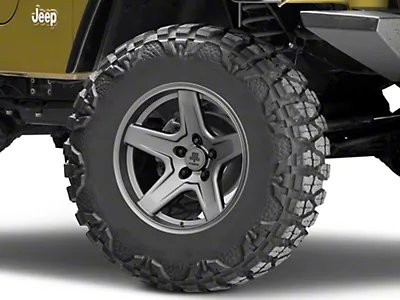
Key Considerations When Buying Packages
Purchasing a pre-assembled tire and wheel package can simplify the buying process, but there are still critical factors to consider to ensure you get the right setup for your Jeep Wrangler TJ.
Lift Height And Tire Clearance
This is the most crucial factor. A tire and wheel package is only as good as its ability to fit your Jeep without causing damage or compromising safety.
- No Lift: Stick to 30-inch or 31-inch tires. Wheels with 4.5 inches of backspacing and 0mm offset are usually safe.
- 2-inch to 2.5-inch Lift: 33-inch tires are generally feasible. Look for wheels with 3.75 to 4.0 inches of backspacing and a negative offset (-12mm to -25mm). Be prepared for potential minor fender trimming or adjustments.
- 4-inch Lift and Above: 35-inch tires become viable. Wheels with 4.0 to 4.5 inches of backspacing and a negative offset are common. High-clearance fenders and possibly extended bump stops are often required.
Pro Tip: Always check the manufacturer’s recommendations for the specific lift kit you are using and the tire/wheel package you are considering. Tire sizes can vary slightly between brands even if they have the same advertised diameter.
Intended Use: On-road Vs. Off-road Balance
Your primary use of the TJ will heavily influence your tire choice, which is the most significant part of the package.
- Mostly On-Road: Opt for all-terrain (A/T) tires. They offer a good balance of on-road comfort, noise levels, and decent off-road capability for light trails or fire roads. Tires like the BFGoodrich KO2, Falken Wildpeak A/T3W, or Goodyear Wrangler DuraTrac are excellent choices.
- 50/50 On-Road/Off-Road: A hybrid-terrain tire or an aggressive A/T tire is ideal. Tires like the Toyo Open Country R/T or Nitto Ridge Grappler offer a more aggressive tread for off-road but are still reasonably civilized on the pavement.
- Mostly Off-Road: Mud-terrain (M/T) tires are the way to go. These have large, widely spaced lugs for maximum traction in mud, rocks, and loose dirt. Examples include BFGoodrich KM3, Nitto Trail Grappler, and Maxxis RAZR MT. Be aware that these are typically louder and wear faster on pavement.
Wheel Material And Construction
Wheels come in various materials and construction methods, affecting their strength, weight, and cost.
- Steel Wheels: These are generally the most affordable and durable option for extreme off-roading. They are heavy but can often be bent back into shape after impacts. Popular for basic, rugged builds.
- Aluminum Wheels: Lighter than steel, aluminum wheels offer more design variety and often have better corrosion resistance. They are great for most applications but can be more prone to cracking on severe impacts compared to steel. Many aftermarket TJ wheels are made from



















