Revitalizing Your Ride: A Deep Dive Into Jeep Wrangler Steering Wheel Recovering
The Jeep Wrangler is more than just a vehicle; it's a symbol of adventure, freedom, and rugged capability. Owners often treat their Wranglers like extensions of themselves, and one of the most frequently touched parts of any car is the steering wheel.
Over time, even the most durable steering wheel can show signs of wear. Fading, cracking, or a sticky texture can detract from the driving experience and the overall aesthetic of your beloved Jeep.
Fortunately, there's a solution: steering wheel recovering. This process can breathe new life into your Wrangler, restoring its look and feel, and even enhancing grip and comfort.
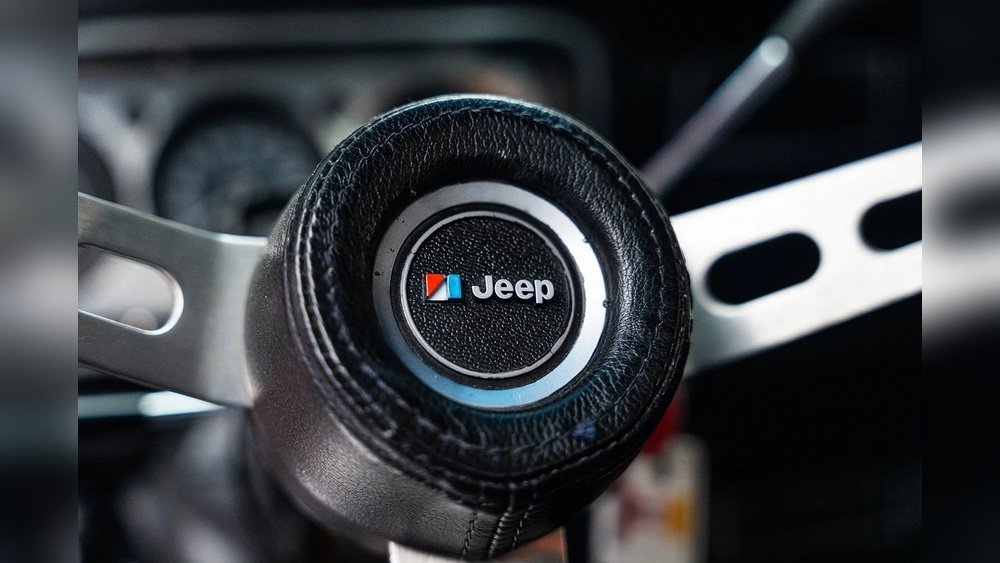
Whether your Wrangler’s steering wheel is showing its age from years of sun exposure, frequent use, or minor damage, recovering it is a practical and rewarding upgrade. It’s an opportunity to customize your interior, choosing materials and colors that match your style.
This guide will walk you through everything you need to know about Jeep Wrangler steering wheel recovering, from understanding the signs of wear to choosing the right materials and deciding whether to tackle it yourself or hire a professional. We’ll explore the benefits, the process, and the key considerations to ensure you get a result you’ll love for years to come.
Why Recover Your Jeep Wrangler Steering Wheel?
The steering wheel is your primary point of contact with your vehicle. Its condition significantly impacts your driving experience.
Recovering your Wrangler's steering wheel offers several compelling advantages that go beyond mere aesthetics.
Restoring Aesthetics And Comfort
Over time, the original material of your steering wheel can degrade. UV rays from the sun can cause fading and cracking, especially on older models or those frequently parked outdoors. The oils from your hands can break down the finish, leading to a sticky or greasy feel. This wear and tear not only looks bad but can also make the wheel uncomfortable to hold, especially on longer drives. A recovered steering wheel, often in premium leather or durable synthetic materials, can restore that factory-fresh look and provide a smooth, comfortable grip. This simple upgrade can make your daily commute or off-road adventure feel much more pleasant.
Enhancing Grip And Control
A worn steering wheel can become slippery, especially in hot weather or when your hands are a bit sweaty. This reduced grip can be a safety concern, potentially affecting your control over the vehicle. Recovering the wheel with materials that offer superior traction and a confident feel can significantly improve your driving confidence. Many aftermarket covers are designed with ergonomics in mind, offering a slightly thicker profile or textured surfaces that make holding the wheel more secure and less fatiguing. This is particularly beneficial for off-roading, where precise control is paramount.
Customization And Personalization
A recovered steering wheel is a fantastic opportunity to personalize your Jeep Wrangler’s interior. You can choose from a vast array of materials, colors, and stitching options. Want a sporty look? Opt for black leather with red stitching. Prefer a luxurious feel? Consider perforated leather or Alcantara. You can even match the new steering wheel cover to your seat covers or other interior accents. This level of customization allows you to make your Wrangler truly unique and reflect your personal style.
Protecting The Original Wheel
If your original steering wheel is in good condition but you're concerned about future wear, a recovery can act as a protective layer. This is especially relevant for classic or collector-grade Wranglers where preserving the original components is important.
A well-fitted cover can shield the original material from UV damage, oils, and abrasion, helping to maintain its condition for years to come.
Signs Your Jeep Wrangler Steering Wheel Needs Attention
Your steering wheel communicates a lot about its condition through subtle (and sometimes not-so-subtle) cues. Recognizing these signs early can help you address issues before they become more serious or affect your driving experience.
Visible Wear And Tear
The most obvious indicators are visual. Look for:
- Fading: The color of the steering wheel might appear dull or uneven, especially on the top where it receives the most sun.
- Cracking or Peeling: Small cracks, particularly in the texture or finish, can eventually spread and worsen. If the material is peeling away, it’s a clear sign of degradation.
- Shiny Spots: Areas that have become excessively shiny indicate that the original protective coating or texture has worn away, often due to repeated friction from hands.
- Scratches and Gouges: Deeper marks from keys, jewelry, or impacts can mar the surface and compromise the material.
Tactile Issues
How the steering wheel feels in your hands is just as important as how it looks. Pay attention to:
- Stickiness or Greasiness: This is a common issue, often caused by the breakdown of plasticizers in the steering wheel material reacting with oils from your skin and environmental factors. It can feel unpleasant and make the wheel harder to grip.
- Roughness or Texture Loss: The original texture might feel worn down, making the wheel feel less grippy and more generic.
- Excessive Hardness or Brittleness: If the material feels uncomfortably hard or brittle, it’s likely been degraded by UV exposure and heat.
Functional Problems
While less common, steering wheel wear can sometimes affect function:
- Loose Sections: In rare cases, the material might start to detach from the underlying structure, creating a loose or wobbly sensation.
- Reduced Grip: As mentioned earlier, a worn or sticky surface can lead to a noticeable decrease in grip, impacting driving control.
Jeep Wrangler Steering Wheel Recovering Options: Materials And Styles
When deciding to recover your steering wheel, you’ll encounter a variety of materials and styles, each offering different benefits in terms of look, feel, durability, and cost.
Popular Material Choices
- Genuine Leather:
- Description: The classic choice, offering a luxurious feel, excellent grip, and a premium look. High-quality automotive-grade leather is durable and breathable.
- Pros: Premium feel, good grip, classic appearance, durable if properly maintained.
- Cons: Can be more expensive, requires some maintenance (conditioning), can become slippery when wet if not treated.
- Best for: Drivers seeking a classic, high-quality feel and appearance.
- Perforated Leather:
- Description: Genuine leather with small, evenly spaced holes. This not only adds a sporty aesthetic but also improves breathability and grip, especially in warm conditions.
- Pros: Enhanced grip and breathability, sporty look, premium feel.
- Cons: Slightly more expensive than standard leather, holes can trap dirt if not cleaned.
- Best for: Those who want improved comfort and a performance-oriented look.
- Synthetic Leather (PU Leather/Vinyl):
- Description: A more affordable alternative to genuine leather, often made from polyurethane. Modern synthetic leathers can mimic the look and feel of real leather quite well.
- Pros: Cost-effective, durable, resistant to stains and moisture, easy to clean.
- Cons: May not feel as luxurious as genuine leather, can sometimes feel less breathable or develop a “plastic-y” feel over time.
- Best for: Budget-conscious owners or those prioritizing ease of maintenance and durability.
- Alcantara (Suede-like Microfiber):
- Description: A high-performance synthetic material known for its soft, suede-like texture. It offers exceptional grip, even when slightly damp.
- Pros: Excellent grip, luxurious and sporty feel, unique aesthetic.
- Cons: More expensive than leather, requires specific cleaning methods, can wear down with heavy use and show “nap” direction.
- Best for: Enthusiasts seeking maximum grip and a premium, race-inspired interior.
- Grip Enhancers (e.g., Textured Rubber/Silicone):
- Description: These are often integrated into steering wheel covers or used as inserts to provide maximum traction. They might not offer the same premium feel as leather but excel in functionality.
- Pros: Superior grip, often integrated into durable covers, affordable.
- Cons: Can feel less luxurious, may not fit all aesthetics.
- Best for: Off-roaders or drivers who prioritize absolute grip and control above all else.
Stitching And Design Options
Beyond the material, the stitching and design play a crucial role in the final look and feel:
- Stitching Color: You can choose contrasting stitching to highlight the wheel’s shape or matching stitching for a more subtle look. Popular choices include red, blue, black, grey, and white.
- Stitching Style: Common styles include a simple overlapped stitch, a cross-stitch, or a baseball stitch. Each offers a slightly different tactile feel and visual appeal.
- Center Stripe: Many custom steering wheels feature a colored stripe (often red or blue) at the 12 o’clock position. This is a popular feature for performance-oriented vehicles and off-roaders, helping with wheel orientation at a glance.
- Ergonomic Shaping: Some custom wheels feature thicker grips, thumb rests, or flattened bottom sections for improved ergonomics and comfort during long drives or aggressive off-roading.
Diy Vs. Professional Jeep Wrangler Steering Wheel Recovering
Deciding whether to undertake the steering wheel recovering project yourself or hire a professional depends on your skill level, available tools, time commitment, and desired outcome.
Diy Steering Wheel Recovering
Process Overview:
This typically involves purchasing a pre-cut steering wheel cover kit (often made of leather or synthetic material) designed specifically for your Jeep Wrangler model. The process generally includes:
- Removing the Steering Wheel: This is often the most complex step, requiring careful disconnection of the airbag module (ensure the battery is disconnected for safety) and removal of the steering wheel nut.
- Preparing the Wheel: Cleaning the original wheel thoroughly.
- Fitting the Cover: This is the most labor-intensive part. The cover is usually laced onto the original wheel using a strong thread and needle, following pre-punched holes. This requires patience and precision to ensure a tight, seamless fit.
- Reinstalling the Steering Wheel: Reconnecting the airbag and reassembling the components.
Pros of DIY:
- Cost Savings: Significantly cheaper than professional installation, as you only pay for the kit.
- Satisfaction: The personal satisfaction of completing a challenging project on your own vehicle.
- Customization: Full control over material and stitching choices.
Cons of DIY:
- Time-Consuming: Can take many hours, especially for a first-timer.
- Skill Requirement: Requires patience, dexterity, and attention to detail. Poor lacing can result in a loose or uneven finish.
- Risk: Mishandling the airbag system can be dangerous. Removing the steering wheel can be tricky.
- Potential for Imperfect Results: Achieving a truly professional, wrinkle-free finish can be difficult.
Pro Tip: If you opt for DIY, watch multiple video tutorials specific to your Wrangler model. Pay close attention to the airbag removal and installation steps.
Professional Steering Wheel Recovering
Process Overview:
This involves either sending your original steering wheel to a specialized upholstery shop or having a local shop perform the work. They will typically:
- Remove the Steering Wheel: Professionally and safely disconnect the airbag and remove the wheel.
- Strip the Old Material: Remove the original covering or worn material.
- Craft and Fit New Cover: Precisely cut and stitch a new cover using your chosen materials.
- Reupholster: Carefully fit and stitch the new cover to the wheel, ensuring a perfect, smooth finish.
- Reinstall: Safely reinstall the steering wheel and airbag module.
Pros of Professional:
- High-Quality Finish: Professionals achieve a factory-like or even better appearance with a seamless fit.
- Time Savings: You save the significant time and effort required for a DIY job.
- Safety: Professionals are trained in handling safety components like airbags.
- Expertise: They can advise on the best materials and techniques for durability and aesthetics.
Cons of Professional:
- Higher Cost: This is the most expensive option.
- Downtime: Your vehicle will be inoperable while the steering wheel is removed and being worked on, unless the shop offers a quick turnaround or swap service.
Recommendation: For most Jeep owners looking for a high-quality, durable, and aesthetically pleasing result, professional recovering is often the preferred route, despite the higher cost. If budget is a major constraint and you’re confident in your DIY abilities, a good quality kit can yield satisfactory results.
The Steering Wheel Recovering Process In Detail
Whether you’re doing it yourself or having it done professionally, understanding the steps involved can help manage expectations and appreciate the craftsmanship.
Step 1: Removal And Disassembly
This is a critical safety step.
- Disconnect Battery: Always disconnect the negative battery terminal first. Wait at least 15-30 minutes to allow any residual power in the airbag system to dissipate.
- Remove Airbag Module: Carefully follow the specific procedure for your Wrangler model to release the airbag module. This usually involves prying release tabs from behind the steering wheel. Handle the airbag with extreme care, never place it face down or insert objects into its connectors.
- Remove Steering Wheel: Once the airbag is out of the way, disconnect its wiring harness. Then, remove the central nut holding the steering wheel to the steering column. Use a steering wheel puller if the wheel is stuck. Note the orientation of the wheel (e.g., align the front wheels straight).
Step 2: Preparing The Original Wheel
- Cleaning: Thoroughly clean the original steering wheel. Remove any grease, dirt, or residue. If the original material is damaged or peeling, it might need light sanding or removal of loose fragments to create a smooth surface for the new cover.
- Inspection: Check the underlying structure for any damage. Ensure all mounting points are intact.
Step 3: Fitting And Stitching The New Cover (diy Focus)
This is where the patience is tested.
- Positioning: Place the new cover over the steering wheel. Ensure it’s centered and aligned correctly.
- Lacing: Most kits come with a strong, waxed thread and a large needle. You’ll work the needle through the pre-punched holes, lacing the cover tightly around the wheel. Common stitching patterns include the baseball stitch or the overlapped stitch.
- Tightening: It’s crucial to pull the thread *very* tight with each stitch to ensure a snug fit without gaps or wrinkles. Use pliers to help pull the thread taut if needed.



















