The Jeep Wrangler Sport is one of the most iconic off-road vehicles in the world. Its rugged design, powerful engine, and ability to handle tough terrains make it a favorite among adventure lovers.
But one detail often overlooked is the importance of tire size. Choosing the right tire size for your Jeep Wrangler Sport can affect everything from performance and safety to fuel economy and comfort.
Whether you’re a new owner or someone looking to upgrade, understanding tire size is key. Many drivers simply stick to the factory tires, but others want to customize for better off-road handling or a more aggressive look. This article explains everything you need to know about Jeep Wrangler Sport tire size, including factory specifications, upgrade options, comparisons, and practical advice for making the best choice.
Factory Tire Size For Jeep Wrangler Sport
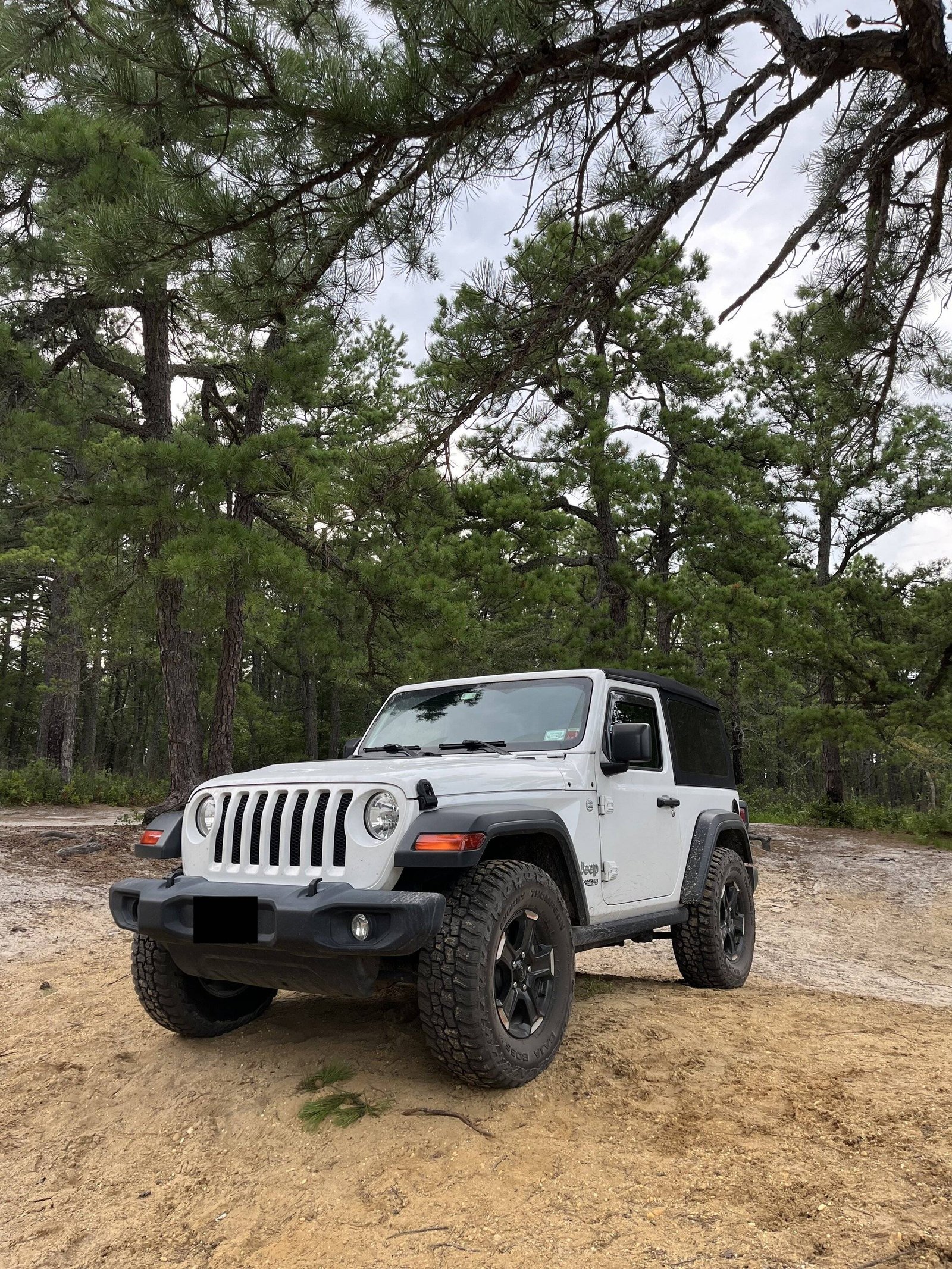
When you buy a Jeep Wrangler Sport new, it typically comes with a standard tire size. For most models from 2007 to present, the factory tire size is:
- P225/75R16 (on 16-inch wheels)
- 245/75R17 (on 17-inch wheels for newer models)
The numbers on the tire sidewall have specific meanings:
- 225 or 245: Width in millimeters
- 75: Aspect ratio (height as a percentage of width)
- R: Radial construction
- 16 or 17: Wheel diameter in inches
These tires are chosen for balance—good performance on roads, moderate off-road ability, and reasonable fuel efficiency.
Comparison Of Factory Tire Sizes
Here’s a quick comparison of the two most common factory sizes:
| Size | Width (mm) | Aspect Ratio (%) | Wheel Diameter (in) | Overall Diameter (in) |
|---|---|---|---|---|
| P225/75R16 | 225 | 75 | 16 | 29.3 |
| 245/75R17 | 245 | 75 | 17 | 31.5 |
Many owners notice that the 245/75R17 tires are slightly taller and wider, giving a better stance and more ground clearance.
Why Tire Size Matters For Jeep Wrangler Sport
Tire size affects more than just looks. Here’s how it impacts your Jeep Wrangler Sport:
- Performance: Larger tires can improve grip and handling, especially off-road. But they may reduce acceleration.
- Fuel Economy: Bigger, heavier tires can lower gas mileage. Smaller, lighter tires are better for efficiency.
- Safety: Proper tire size ensures stability and braking. Wrong sizes may cause issues with ABS or traction control.
- Comfort: Tire thickness and diameter affect ride smoothness and noise.
- Clearance: Bigger tires give more ground clearance, which is crucial for off-roading.
Real-world Example
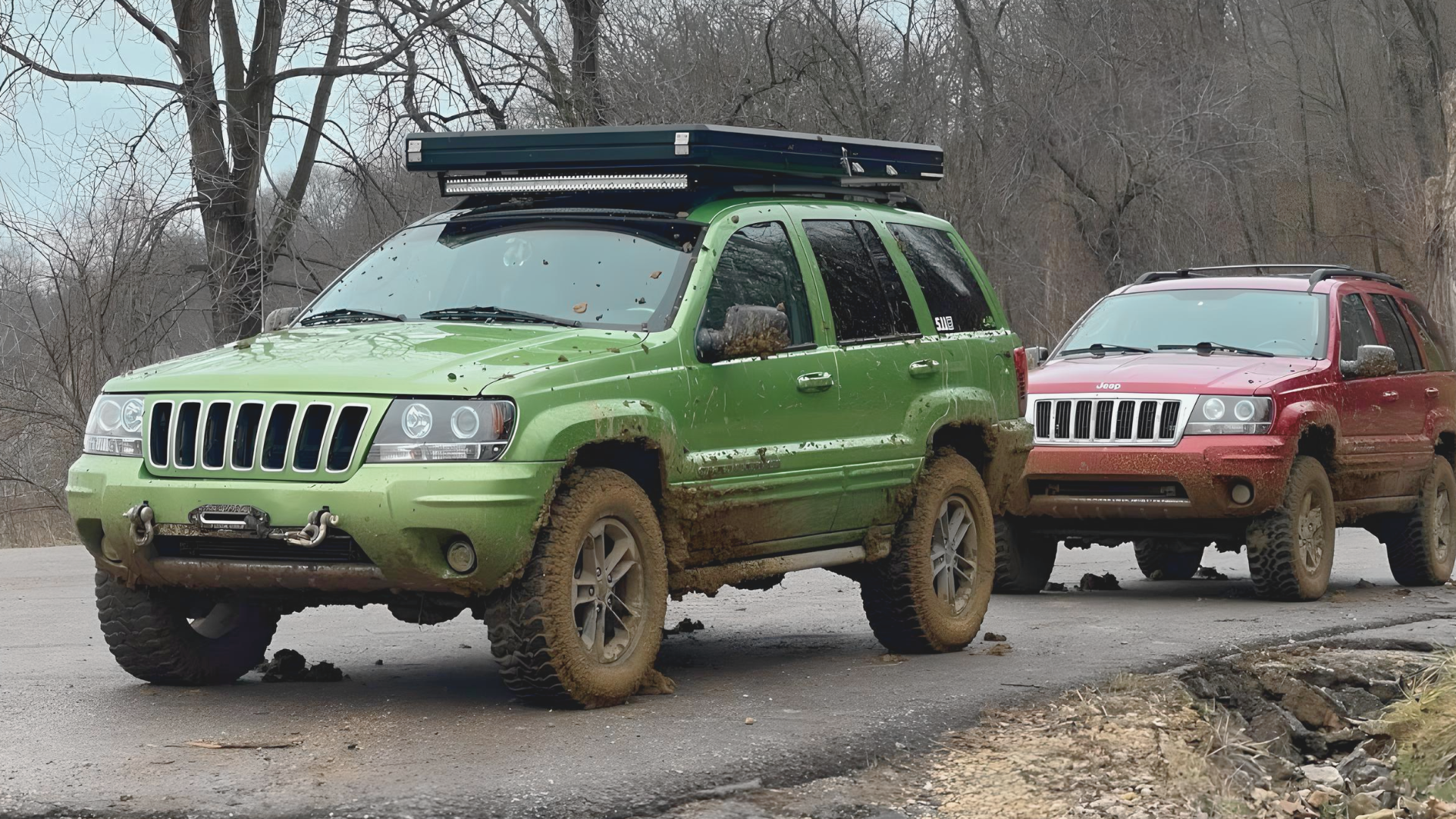
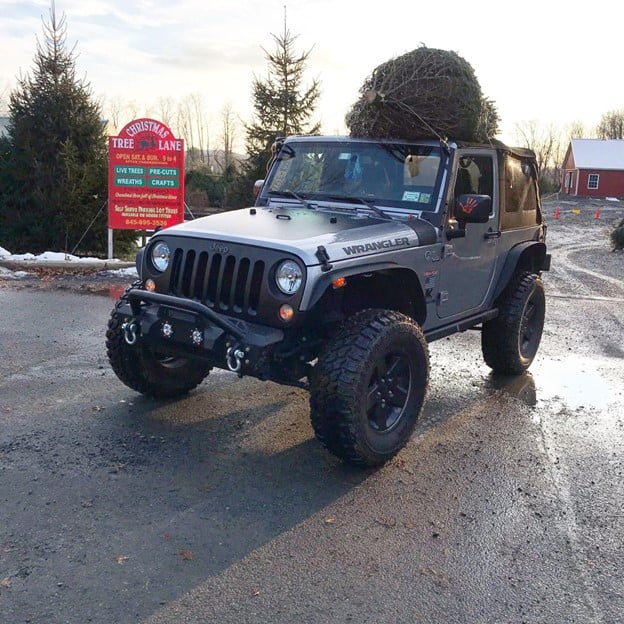
If you swap your factory 225/75R16 tires for 33-inch tires, you gain about 2 inches of clearance. That makes a difference when climbing rocks or crossing streams.
But you may notice slower acceleration and a slight drop in fuel economy.
Upgrading Jeep Wrangler Sport Tire Size
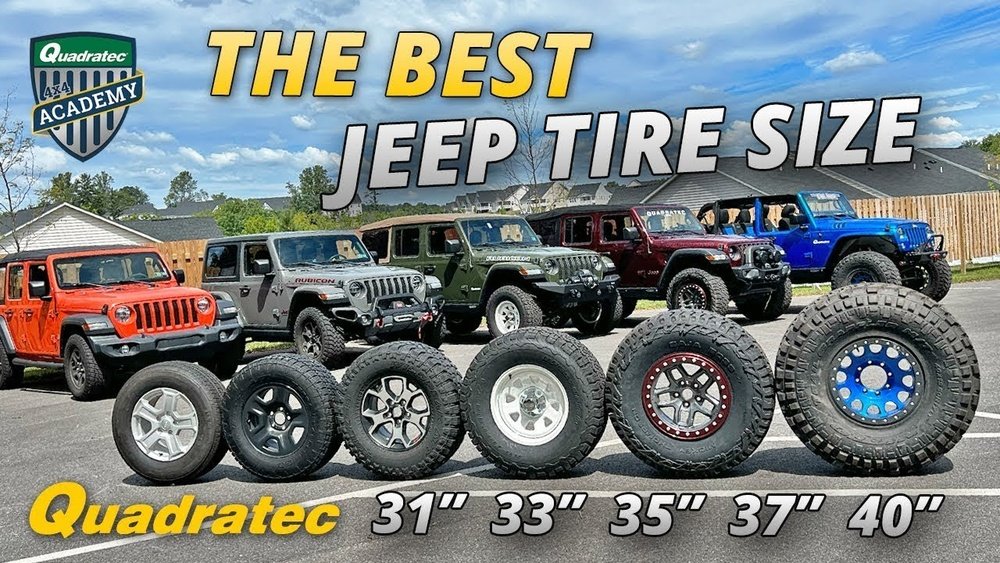
Many drivers want to upgrade to larger tires for better off-road performance or style. Popular upgrade sizes include:
- 31-inch tires: Slightly larger than stock, easy to fit, minimal changes needed.
- 33-inch tires: More aggressive, requires some changes like a lift kit or trimming.
- 35-inch tires: Maximum off-road capability, needs a bigger lift, may affect warranty.
Upgrade Size Comparison
Here’s how upgrade options compare to stock tires:
| Tire Size | Width (mm) | Overall Diameter (in) | Ground Clearance (in) | Required Modifications |
|---|---|---|---|---|
| Stock (225/75R16) | 225 | 29.3 | 8.3 | None |
| 31-inch | 245-265 | 31 | 9.5 | None/minor |
| 33-inch | 285 | 33 | 10.5 | Lift kit |
| 35-inch | 315 | 35 | 12 | Lift kit, fender trim |
Choosing The Best Tire Size: What Really Matters
Picking the right tire size depends on how you use your Jeep Wrangler Sport. Here are key factors to consider:
Driving Habits
- Mostly city/highway: Stick to factory or 31-inch tires. They’re easier to drive, safer, and better for gas mileage.
- Off-road adventures: 33-inch or 35-inch tires give more grip and clearance, but need upgrades.
- Mixed use: 31-inch or 33-inch tires are a good balance.
Budget
Larger tires cost more. Not just the tires—lift kits, wheels, and possible axle upgrades add to the price. Plan your budget before deciding.
Vehicle Modifications
Bigger tires often need modifications:
- Lift kits: Raise the body for clearance.
- Wheel spacers: Avoid rubbing against suspension.
- Re-gearing: Restore lost power from bigger tires.
Legal And Warranty Concerns
Check local laws about tire size. Too large tires may break rules.
Also, some upgrades can void your vehicle warranty.
Speedometer Accuracy
Changing tire size affects your speedometer. If you go bigger, your speedometer may show lower speed than actual. You can recalibrate it with special tools.
Common Mistakes To Avoid
Many beginners make errors when upgrading tire size. Here are some to watch for:
- Ignoring clearance: Don’t fit tires too big without checking for rubbing.
- Skipping upgrades: Large tires need lift kits and possibly new gears.
- Choosing off-road tires for daily driving: Aggressive tread wears fast and is noisy on roads.
- Not recalibrating speedometer: This can lead to speeding tickets or incorrect mileage.
A less obvious mistake is not considering the weight of larger tires. Heavier tires put more stress on your suspension and brakes, leading to faster wear.
Tire Brands And Types For Jeep Wrangler Sport
Not all tires are equal. The right brand and tread pattern matter as much as size. Popular brands include:
- BFGoodrich
- Goodyear
- Michelin
- Cooper
Tire Types
- All-Terrain (A/T): Good for mixed use, moderate off-road and highway.
- Mud-Terrain (M/T): Best for serious off-roading, but noisy and wears fast.
- Highway/Touring: Quiet, long-lasting, but not suitable for off-road.
Brand Comparison
For a quick look at how brands compare:
| Brand | Type | Average Lifespan (miles) | Noise Level | Price Range ($) |
|---|---|---|---|---|
| BFGoodrich | All-Terrain | 50,000 | Moderate | 180-250 |
| Goodyear | Mud-Terrain | 40,000 | High | 200-300 |
| Michelin | Highway | 60,000 | Low | 170-220 |
| Cooper | All-Terrain | 45,000 | Moderate | 160-210 |
Practical Tips For Jeep Wrangler Sport Tire Upgrades
As someone who has helped many Jeep owners, here are some practical tips you won’t find in most guides:
- Always check your spare tire. If you upgrade, make sure the spare matches—otherwise you can’t use it safely.
- Consider wheel offset. Wrong offset can lead to rubbing or poor handling. Ask your tire shop for advice.
- If you go bigger than 33-inch tires, upgrade your brakes. Larger tires need more stopping power.
- Don’t forget about tire pressure monitoring systems (TPMS). Some aftermarket wheels don’t support these.
A less obvious insight: big tires can make your Jeep harder to park, especially in tight city spaces. If you use your Jeep for daily driving, test drive with the new size before committing.
How Tire Size Affects Jeep Wrangler Sport Resale Value
Some buyers love bigger tires, but others prefer stock. If you plan to sell your Jeep, keep the original tires or wheels.
This makes it easier to find buyers and can help you get a better price.
Upgraded tires may attract off-road fans, but may not appeal to all. Also, modifications can affect warranty and insurance claims.
Maintenance And Care For Jeep Wrangler Sport Tires
Proper care keeps your tires safe and lasting longer:
- Rotate tires every 5,000–7,000 miles to avoid uneven wear.
- Check air pressure regularly, especially after off-roading.
- Inspect for damage like cuts, bulges, or uneven tread.
- Balance and align wheels after upgrades.
Neglecting tire care can lead to poor handling, reduced safety, and extra expenses.