The Jeep Wrangler is an icon. For decades, it has been the go-to vehicle for off-road adventures, rugged trails, and open-air freedom.
While many factors contribute to its legendary status, from its robust suspension to its removable doors, the steering wheel plays a surprisingly crucial role in the driving experience. It's your direct connection to the vehicle, translating your intentions into action on any terrain.
For the Jeep Wrangler Sport, understanding the specifics of its steering wheel, including its size, is important for any owner, whether you're looking to customize, replace, or simply understand your vehicle better.
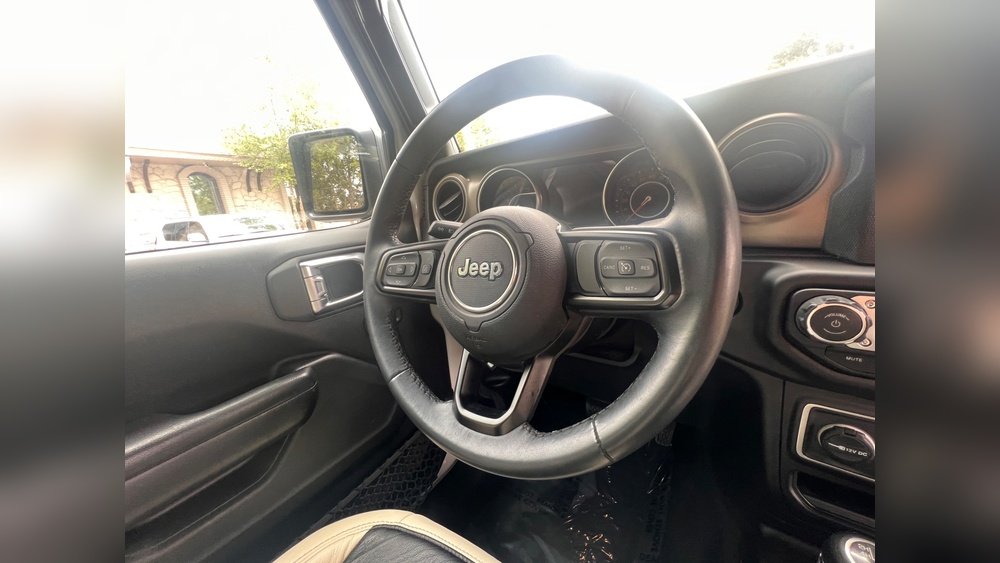
Many drivers might not give much thought to the steering wheel’s dimensions. However, for a vehicle like the Wrangler, designed for both daily driving and extreme off-roading, the steering wheel’s size can impact comfort, control, and even the ability to fit aftermarket accessories. This article will explore the typical Jeep Wrangler Sport steering wheel size, discuss why it matters, and look at related considerations for Wrangler owners. We aim to provide a clear, comprehensive guide that helps you understand this essential component of your Jeep.
Understanding Jeep Wrangler Sport Steering Wheel Size
When people talk about steering wheel size, they are usually referring to its diameter. This is the most common measurement and directly impacts how the wheel feels in your hands and how much leverage you have. The Jeep Wrangler Sport model, being the base trim for many generations, often comes with a steering wheel designed for practicality and cost-effectiveness, but it still adheres to certain automotive standards.
Standard Diameter Measurements
The diameter of a steering wheel is typically measured from the outer edge of one side to the outer edge of the opposite side, straight across the center. For most modern vehicles, including the Jeep Wrangler, steering wheels generally fall within a specific range.
For the Jeep Wrangler Sport, across various generations (like the JK, JL, and even earlier TJs), the steering wheel diameter is commonly around 15 to 15.5 inches (approximately 38 to 39.5 cm). This size is considered a standard for many SUVs and trucks. It offers a good balance: large enough to provide sufficient leverage for steering, especially at lower speeds or when maneuvering over rough terrain, but not so large that it feels cumbersome during everyday driving on paved roads.
It’s important to note that this is a general measurement. Minor variations can occur based on the specific year, trim level, and even optional packages. For instance, some higher trims might have slightly different steering wheels with added features like paddle shifters or a different material wrap, which could subtly alter the perceived or actual diameter. However, for the Sport trim, the focus is typically on a functional, standard-sized wheel.
Why Steering Wheel Diameter Matters
The diameter of the steering wheel significantly influences the driving experience in several ways:
- Leverage and Effort: A larger diameter wheel provides more leverage. This means you need to turn the wheel less to achieve the same amount of tire movement. For off-roading, where you might encounter unpredictable terrain and need to make quick, precise adjustments, this extra leverage can be beneficial. It reduces the physical effort required to steer, especially at slow speeds or when the tires are fighting against obstacles. Conversely, a smaller wheel requires more effort and quicker movements.
- Comfort and Ergonomics: The size of the wheel affects how it fits in your hands. A wheel that is too small can feel cramped, especially for individuals with larger hands, leading to discomfort on longer drives. A wheel that is too large might feel unwieldy and less precise. The standard 15-15.5 inch diameter on the Wrangler Sport is generally considered a comfortable compromise for a wide range of drivers.
- Vehicle Dynamics Perception: The perceived responsiveness of a vehicle can be influenced by its steering wheel size. A smaller wheel can make a car feel sportier and more responsive, as small movements of your hands result in significant changes in direction. A larger wheel can make the steering feel more relaxed and stable, which can be desirable for highway cruising or maintaining a steady line on rough trails.
- Aftermarket Fitment: If you plan to install accessories like steering wheel covers or even a completely new steering wheel, knowing the stock size is essential. Many aftermarket covers are designed to fit specific diameter ranges. Similarly, when purchasing a replacement steering wheel, ensuring it matches or is compatible with the original mounting hub is crucial.
Measuring Your Wrangler Sport Steering Wheel
If you need to confirm the exact size of your Jeep Wrangler Sport steering wheel, it’s a straightforward process:
- Get a Tape Measure: A flexible tape measure (like those used for sewing) or a rigid ruler will work.
- Measure Across the Diameter: Place the end of the tape measure at one outer edge of the steering wheel. Extend it straight across the center to the opposite outer edge.
- Record the Measurement: Note the measurement in both inches and centimeters for clarity.
Remember to measure from the outermost points of the wheel rim. For the most accurate reading, try to ensure the tape measure is held as flat against the wheel’s surface as possible.
Factors Influencing Steering Wheel Size In Wranglers
While the Jeep Wrangler Sport generally adheres to a standard size, several factors can influence the steering wheel’s dimensions and feel across different Wrangler generations and trims. Understanding these nuances can help you make informed decisions, especially if you’re considering modifications.
Generational Differences (jk, Jl, Etc.)
Jeep has produced the Wrangler through several distinct generations, each with its own design philosophy and engineering.
- Jeep Wrangler JK (2007-2018): The JK generation saw a significant redesign from its predecessors. The steering wheel size in the Sport trim of the JK typically falls within the 15-15.5 inch range. These wheels were often made with durable, basic materials, prioritizing function over luxury.
- Jeep Wrangler JL (2018-Present): The current generation, the JL, introduced more modern features and materials. While the core functionality remains, the steering wheel might feel slightly different due to updated ergonomics, materials (like softer leather or polyurethane), and potentially minor adjustments in overall diameter or rim thickness. The standard size generally remains consistent, around 15-15.5 inches, but the overall feel can be more refined.
- Earlier Generations (TJ, YJ): Older Wranglers, like the TJ (1997-2006) and YJ (1987-1995), might have slightly different steering wheel sizes. While still within a similar ballpark, they could be a touch larger or smaller depending on the specific model year and market. For instance, some TJ models might feature a wheel closer to 15 inches.
Trim Levels And Optional Packages
Even within the same generation, different trim levels can have variations. The Wrangler Sport is the entry-level model, typically featuring a more basic steering wheel. Higher trims like the Sahara or Rubicon might offer:
- Leather-Wrapped Wheels: These often have a slightly thicker rim due to the added leather material, which can make them feel larger in hand even if the diameter is the same.
- Heated Steering Wheels: The heating elements can add a bit of thickness.
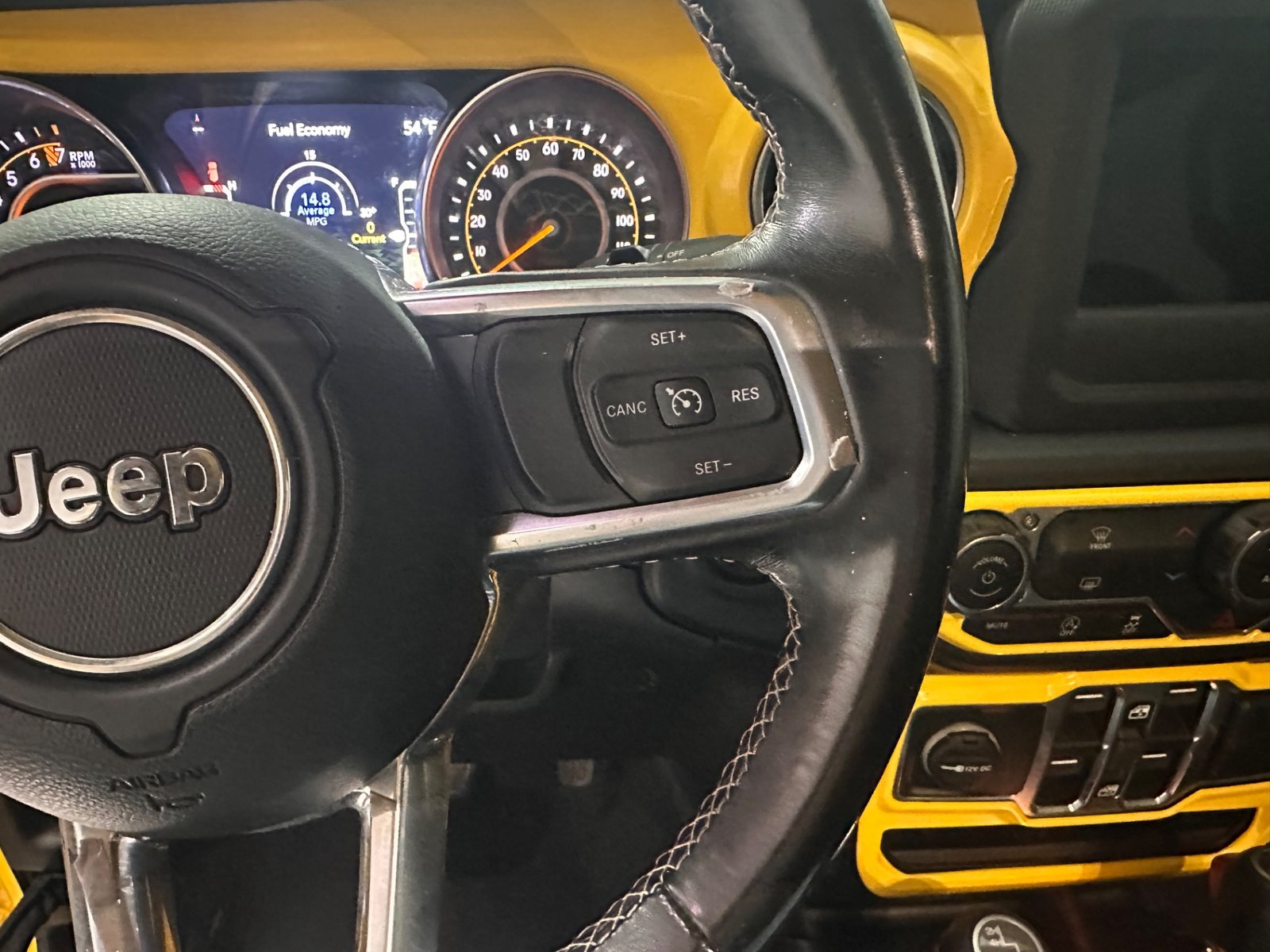
- Steering Wheel Controls: Buttons for audio, cruise control, and infotainment add complexity and can slightly alter the wheel’s design and feel, though usually not its fundamental diameter.
While these features are less common on the base Sport trim, it’s worth being aware of them if you’re comparing different Wrangler models or considering an upgrade.
Aftermarket Steering Wheels
The aftermarket offers a vast array of steering wheels for the Jeep Wrangler, allowing owners to customize their interior and driving experience. When exploring aftermarket options, you’ll encounter various sizes and styles:
- Smaller Diameter Wheels: Some performance-oriented or custom wheels might be smaller, perhaps around 13-14 inches. These can provide a sportier feel and quicker steering response, but they increase steering effort, which might be undesirable for heavy off-roading.
- Larger Diameter Wheels: Conversely, some might opt for slightly larger wheels for increased comfort or a more classic look.
- Custom Materials and Grips: Beyond size, aftermarket wheels offer different materials like Alcantara, carbon fiber, or specialized grip textures, all of which affect the feel and perceived size.
Pro Tip: When choosing an aftermarket steering wheel, always confirm compatibility with your specific Wrangler year and model. This includes checking the spline count and mounting pattern of the steering column hub to ensure a proper fit and secure installation. A poorly fitted steering wheel can be dangerous.
The Impact Of Steering Wheel Size On Driving Experience
The size of the steering wheel is more than just a number; it directly translates into how you interact with your Jeep Wrangler Sport on a daily basis and during your adventures.
Off-road Control And Maneuverability
For off-roading, the steering wheel is your primary tool for navigating challenging terrain.
- Low-Speed Maneuvering: On rocky trails, steep inclines, or tight switchbacks, you often need to make precise steering inputs at very low speeds. A standard-sized wheel (around 15-15.5 inches) offers a good balance. It provides enough leverage to turn the wheels without excessive effort, even when the tires are digging into mud, rocks, or sand.
- Feedback from the Terrain: While modern vehicles often have power steering systems that can filter out some road feedback, the steering wheel is still your link to what the tires are doing. The diameter and rim thickness can influence how much vibration or feedback you feel from the trail. Some off-roaders prefer a slightly thicker wheel for a more substantial grip and feel.
- Avoiding Over-Correction: A wheel that is too large might lead to slower reactions, while one that is too small could encourage over-correction, especially when fatigued. The Wrangler Sport’s standard size is generally well-suited for maintaining control without inducing unnecessary fatigue or jerky movements.
On-road Comfort And Handling
While the Wrangler is known for its off-road prowess, most owners also use it for daily commuting and highway driving.
- Highway Stability: On the highway, a slightly larger steering wheel diameter can contribute to a feeling of greater stability. It requires slightly larger inputs to make directional changes, which can help prevent the vehicle from wandering unintentionally due to minor steering adjustments.
- Reduced Fatigue: The standard size is generally comfortable for long drives. If the wheel were significantly smaller, you might find yourself making more constant, small adjustments, which could lead to fatigue in your arms and shoulders over time.
- Ergonomics for Different Drivers: People come in all shapes and sizes. The standard diameter of the Wrangler Sport’s steering wheel is designed to accommodate a wide range of hand sizes and driving positions. However, drivers with particularly large hands might find a slightly thicker rim more comfortable, even if the diameter is standard.
Steering Wheel Covers: A Simple Modification
One of the most common ways owners modify their steering wheel experience is by adding a steering wheel cover. These covers can significantly alter the feel and perceived size of the wheel.
- Adding Thickness: Most covers add noticeable thickness to the steering wheel rim. This can make a standard wheel feel more substantial and comfortable to grip, especially for those with larger hands or who prefer a fuller feel.
- Improving Grip: Many covers are made from materials like leather, synthetic leather, rubber, or suede, which offer better grip than a stock plastic or basic leather wheel, particularly in wet conditions or when wearing gloves.
- Protection: A cover can protect the original steering wheel from wear and tear, UV damage, and spills, helping to maintain its condition over time.
- Aesthetic Customization: Covers come in various colors and textures, allowing for a degree of interior personalization.
When selecting a steering wheel cover, it's crucial to choose one that is the correct size for your Wrangler's steering wheel. Most covers are designed for specific diameter ranges (e.
g. , "fits 14.
5-15 inch steering wheels"). A cover that is too small will be difficult to install and may not fit snugly, while one that is too large might be loose and unsafe.
Considerations For Replacing Or Upgrading Your Steering Wheel
While the stock Jeep Wrangler Sport steering wheel is functional, many owners consider replacing or upgrading it for various reasons, from aesthetics to enhanced functionality.
Why Replace Or Upgrade?
- Wear and Tear: Over years of use, the original steering wheel can become worn, shiny, or even cracked, diminishing its appearance and feel.
- Desire for Better Materials: You might want a more premium feel, opting for genuine leather, perforated leather, or other upscale materials.
- Improved Grip: For demanding off-road use or if you simply prefer a more secure hold, a wheel with a thicker rim or specialized grip textures can be beneficial.
- Aesthetics: A custom steering wheel can be a significant interior upgrade, complementing other modifications or simply personalizing the cabin.
- Adding Features: Some aftermarket wheels offer integrated features like a flat-bottom design for easier entry/exit, or even built-in LED shift lights (though these are less common on Wrangler-specific wheels).
What To Look For In An Aftermarket Steering Wheel
When venturing into the aftermarket for a new steering wheel, keep these critical factors in mind:
- Diameter and Grip Thickness: Decide if you want to maintain the stock size or opt for something larger or smaller. Consider how the rim thickness will feel in your hands.
- Material: Options range from basic polyurethane and vinyl to premium leather, suede, Alcantara, or even carbon fiber accents. Consider durability, grip, and feel.
- Design and Ergonomics: Look for features like thumb swells, finger grips, or a flat-bottom design if they appeal to you and suit your driving style.
- Compatibility: This is paramount. Ensure the wheel is designed for your specific Jeep Wrangler year and model. This includes the steering wheel hub adapter which connects the wheel to the steering column. The spline count and mounting pattern must match.
- Airbag Compatibility: If your Wrangler Sport has an airbag in the steering wheel (most modern ones do), you MUST ensure the replacement wheel is compatible with the factory airbag system or comes with a compatible replacement unit. Failure to do so can result in the airbag not deploying correctly in an accident, leading to serious injury or death. Consult a professional if you are unsure.
- Steering Wheel Controls: If your stock wheel has controls (cruise, audio), decide if you want to retain them. Some aftermarket wheels allow for the transfer of these controls, while others do not.
- Installation: While some owners tackle this themselves, installing a steering wheel, especially one involving the airbag, is often best left to a qualified mechanic. Improper installation can lead to safety issues and damage to the vehicle’s systems.