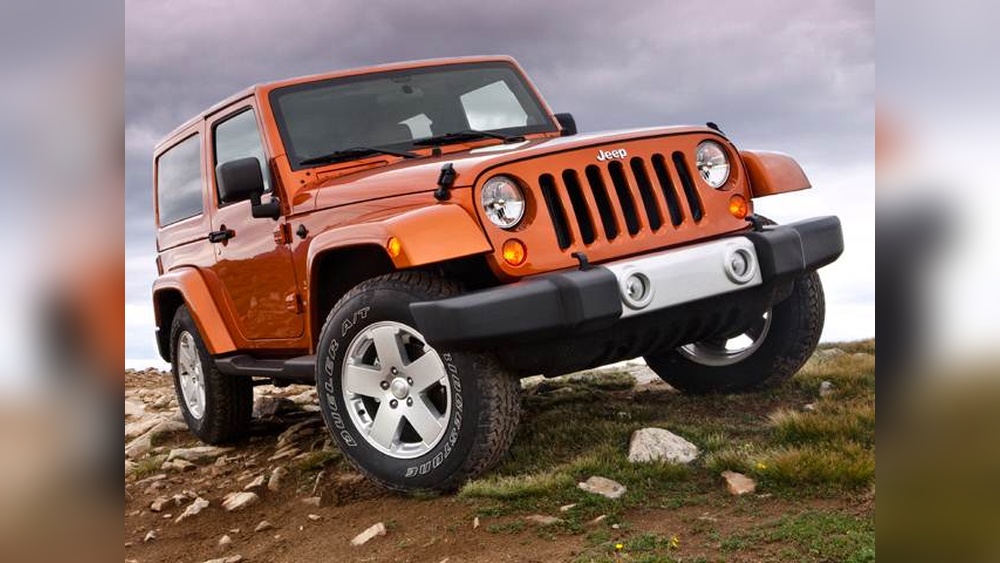
If you own a Jeep Wrangler Sport S or are thinking of buying one, tire size is more important than you might realize. The tires on your Jeep affect how it drives, handles different terrain, and even how it looks.
Choosing the right tire size can improve your safety, comfort, and overall driving experience. Many Wrangler owners want bigger tires for off-roading, but not every size will fit or perform well.
In this article, you’ll learn about the standard and optional tire sizes for the Jeep Wrangler Sport S, how tire size impacts your vehicle, and how to choose the best option for your needs.
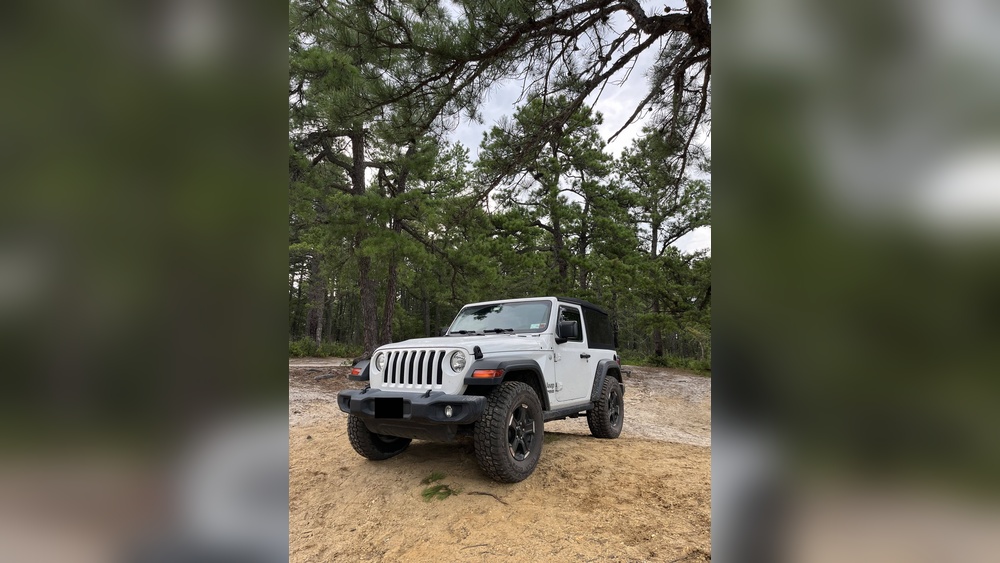
We’ll cover key details, real-world advice, and answer common questions so you feel confident about your tire choice.
Standard Tire Size For Jeep Wrangler Sport S
The Jeep Wrangler Sport S is a popular trim, known for its balance of features and value. The factory tire size is designed for everyday driving, light off-roading, and good fuel efficiency.
Most recent Jeep Wrangler Sport S models (especially from 2018 onward) come with:
- Tire Size: 245/75R17
- Wheel Size: 17-inch alloy or steel wheels
Here’s what each part of the tire size means:
- 245: The tire’s width in millimeters.
- 75: The sidewall height as a percentage of the width (75% of 245 mm).
- R: Radial construction (the most common type).
- 17: The wheel diameter in inches.
This setup gives a good balance of ride comfort, road handling, and mild off-road capability. The sidewall is tall enough to absorb bumps, and the width provides stability.
Factory Tire Specs Table
| Model Year | Standard Tire Size | Wheel Size | Load Index | Speed Rating |
|---|---|---|---|---|
| 2026 | 245/75R17 | 17″x7.5″ | 112 | S (112 mph) |
| 2026 | 245/75R17 | 17″x7.5″ | 112 | S (112 mph) |
| 2026 | 245/75R17 | 17″x7.5″ | 112 | S (112 mph) |
Most drivers stick with these sizes for daily use and moderate trail driving. If you’re new to Jeep ownership, you might not realize that changing tire size affects more than just appearance.
Optional And Upgraded Tire Sizes
Many Jeep Wrangler Sport S owners want to upgrade their tires for more grip, style, or off-road ability. But it’s important to know which sizes fit without causing problems.
Common Upgraded Tire Sizes
Some popular alternatives include:
- 265/70R17: Slightly wider and lower profile. Provides better road grip and looks more aggressive.
- 285/70R17: Much wider, higher sidewall. Great for off-roading, but may require minor adjustments (like a lift kit).
- 33-inch tires: Often used for serious off-road. Usually measures as 285/70R17 or 275/70R18.
- 35-inch tires: Gives extra clearance and bold look, but needs suspension modifications.
Fitment And Compatibility
Not all bigger tires fit the Jeep Wrangler Sport S without changes. Here’s a comparison of tire sizes and what’s needed:
| Tire Size | Fits Stock? | May Need Lift? | Speedometer Impact? | Notes |
|---|---|---|---|---|
| 245/75R17 | Yes | No | No | Factory standard |
| 265/70R17 | Yes | No | Minor | No rubbing, slight speed change |
| 285/70R17 | Maybe | Yes | Noticeable | May rub fenders |
| 33-inch | No | Yes | Yes | Lift kit recommended |
| 35-inch | No | Yes | Yes | Lift and gear change needed |
One insight beginners often miss: even if a larger tire physically fits, it might rub against the fender or suspension when turning or off-roading. Always check clearance before buying.
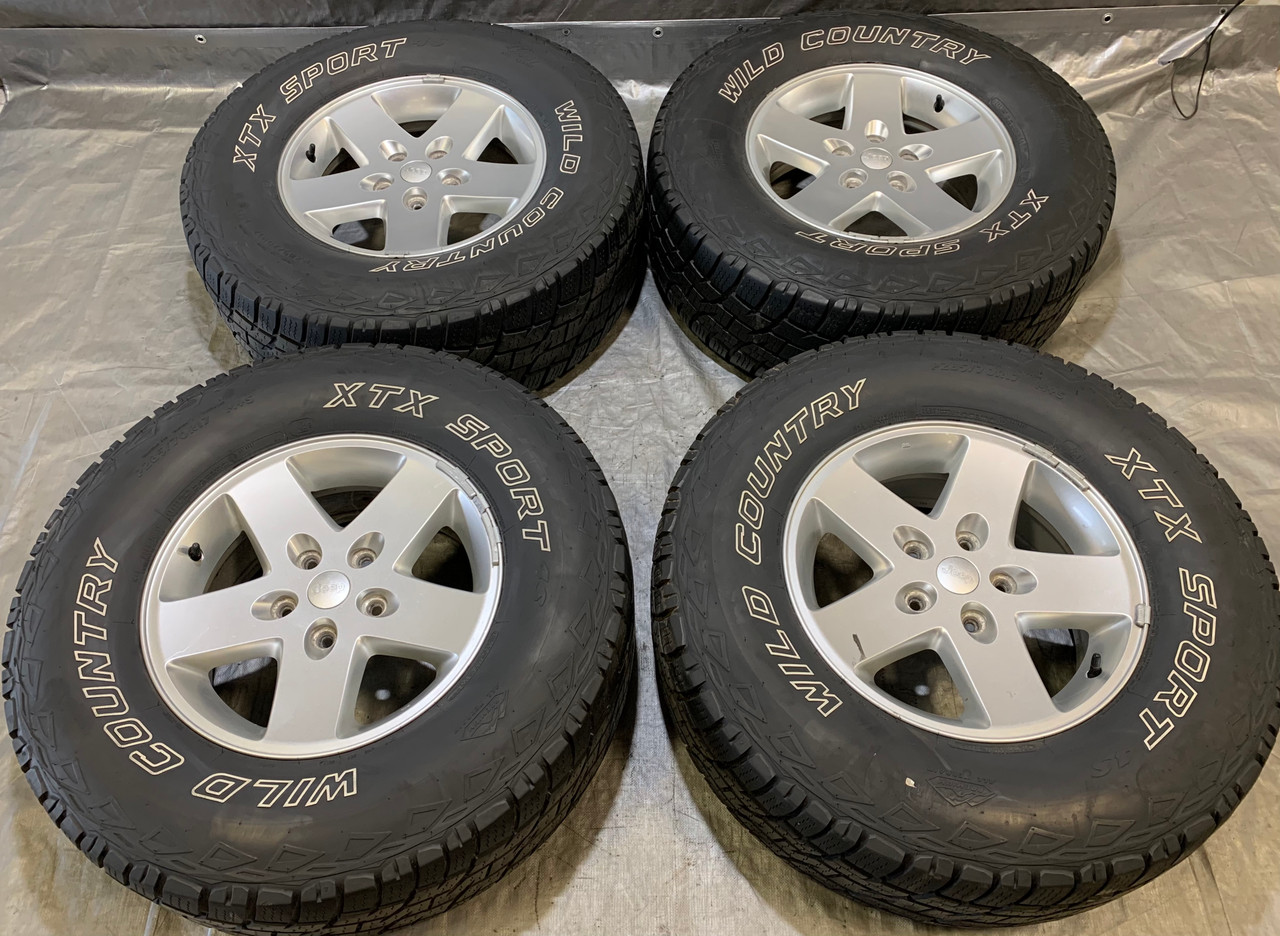
How Tire Size Impacts Your Jeep Wrangler Sport S
Changing tire size isn’t just about looks. It directly affects several aspects of your Jeep:
Handling And Comfort
- Wider tires offer more grip but can feel heavier and less nimble.
- Taller tires (like 33” or 35”) absorb bumps better but may make steering less precise.
An experience-based tip: If you drive mostly on pavement, stick close to the factory size. For frequent trails, a mild upgrade like 265/70R17 gives benefits without drawbacks.
Off-road Performance
Larger tires provide more ground clearance and help your Jeep handle rocks, mud, and deep ruts. However, they may require a lift kit or new gearing to maintain performance.
Fuel Economy
Bigger tires are heavier and increase rolling resistance. You might lose 1-2 miles per gallon if you go much larger than stock.
That’s not obvious until you notice the fuel costs rising.
Speedometer And Odometer Changes
Your Jeep’s speedometer is calibrated for factory tires. Larger tires make the vehicle travel farther per revolution, so your speed and mileage readings will be off.
You can recalibrate the system using a programmer or special tool.
Wear And Tear
Heavy, oversized tires can stress the suspension and steering components. Over time, this may lead to more repairs.
If you upgrade, check your alignment and suspension regularly.
Choosing The Best Tire Size For Your Needs
The right tire size depends on how you use your Jeep. Here are practical factors to consider:
- Daily Driving: Stick with 245/75R17 or 265/70R17 for comfort and reliability.
- Light Off-Roading: 265/70R17 offers mild improvement without needing modifications.
- Heavy Off-Roading: 285/70R17 or 33-inch tires provide more clearance, but expect to add a lift kit.
- Extreme Trails: 35-inch tires are for serious off-roaders. You’ll need suspension and gear upgrades.
Key Factors To Compare
| Usage | Recommended Size | Ride Comfort | Off-Road Ability | Fuel Economy |
|---|---|---|---|---|
| City/Highway | 245/75R17 | Excellent | Good | Best |
| Mixed Use | 265/70R17 | Very Good | Better | Very Good |
| Off-Road | 285/70R17 | Good | Excellent | Fair |
| Extreme Off-Road | 35-inch | Fair | Superb | Poor |
Another insight: Some tire shops may recommend the biggest size you can fit, but bigger isn’t always better. Think about your daily driving before making the leap.
Tips For Upgrading Jeep Wrangler Sport S Tires
Upgrading tires is exciting, but there are smart ways to do it:
- Check clearance: Measure space around your wheels before buying larger tires.
- Consider a lift kit: If going bigger than 285/70R17, a lift kit helps avoid rubbing and protects your suspension.
- Recalibrate electronics: Use a speedometer programmer if you change sizes.
- Upgrade spare tire: Always match your spare to your new tire size.
- Monitor tire pressure: Larger tires often need different pressures for best performance.
Many beginners forget to upgrade their spare tire or recalibrate the speedometer, leading to problems if you have a flat or want accurate speed.
Common Mistakes When Choosing Tire Size
Even experienced Jeep owners sometimes make mistakes. Here are some to avoid:
- Ignoring fitment: Not all big tires fit without adjustments.
- Skipping alignment: New tires can throw off your alignment, causing uneven wear.
- Overlooking gear ratios: Bigger tires may require different axle gears for good performance.
- Forgetting about warranties: Some upgrades void factory warranties. Check before you buy.
- Choosing style over function: Make sure your tire size matches your real needs, not just appearance.