The Jeep Wrangler spare tire brake light is a popular aftermarket accessory for Jeep owners. It’s designed to add an extra brake light to the rear of the vehicle, specifically mounted on the spare tire.
This might seem like a small detail, but for off-road enthusiasts and everyday drivers alike, it offers significant advantages in terms of safety and style.
Many Jeep Wranglers come equipped with a spare tire mounted on the tailgate. While this is a practical solution for carrying a spare, it can obstruct the view of the factory third brake light, which is often mounted higher up on the vehicle.
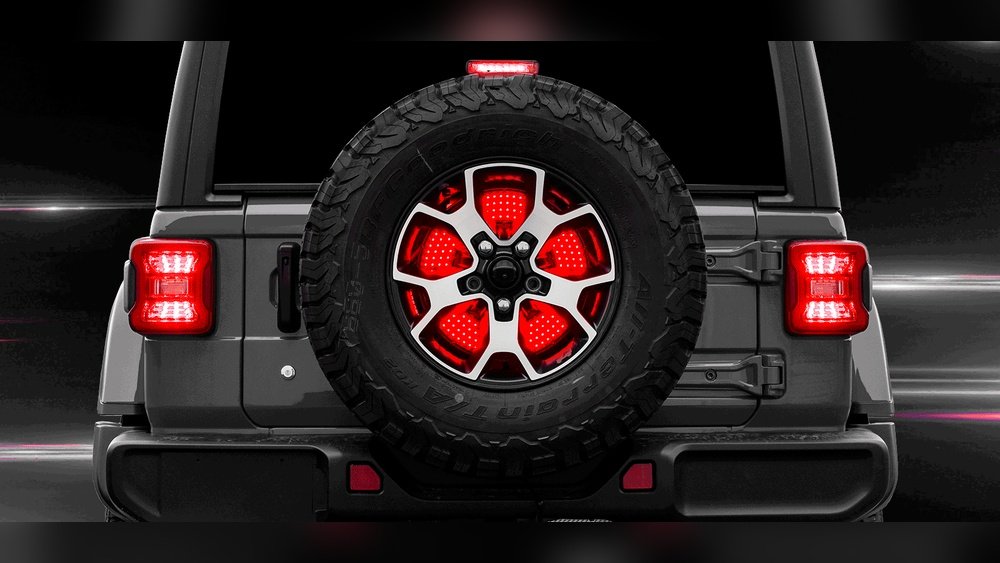
A spare tire brake light aims to solve this problem by placing a light directly in the line of sight, even when the spare is in place.
Beyond safety, these lights also add a custom look to the Jeep. They come in various designs, from simple rings to more elaborate LED arrays, allowing owners to personalize their vehicle’s appearance. This article will explore everything you need to know about Jeep Wrangler spare tire brake lights, including their benefits, types, installation, and important considerations.
Why Install A Spare Tire Brake Light?
Adding a spare tire brake light to your Jeep Wrangler isn’t just about aesthetics; it’s primarily a safety upgrade. When a vehicle’s brake lights are obscured, it significantly increases the risk of rear-end collisions.
Enhanced Visibility And Safety
The most crucial reason to install a spare tire brake light is to improve visibility. The factory third brake light, often mounted above the rear window or on the roll cage, can be completely blocked by a large spare tire, especially if you’ve upgraded to a larger tire than stock. This leaves only the two standard tail lights to signal when you’re braking.
In heavy traffic, fog, rain, or at night, other drivers rely heavily on seeing brake lights to anticipate your actions. If your third brake light is hidden, a driver following behind might not react in time, leading to a potential accident.
A spare tire brake light ensures that a bright, clear brake signal is always visible, regardless of the spare tire’s presence. This is particularly important for Wranglers, which are often used in challenging off-road conditions where visibility can already be an issue.
Compliance With Regulations
In many regions, a third brake light is a legal requirement. While the factory light might satisfy this initially, if it becomes obscured by modifications like a larger spare tire or a different tire carrier, you could be in violation of traffic laws.
Installing a spare tire brake light ensures your Jeep remains compliant and safe on public roads. It’s always wise to check your local regulations regarding vehicle lighting.
Customization And Style
Beyond safety, spare tire brake lights offer a significant customization opportunity. They can dramatically change the rear-end appearance of your Jeep. Manufacturers offer these lights in a wide range of styles:
- LED Rings: These are perhaps the most common type. They form a circle around the spare tire, providing a distinct and modern look.
- LED Strips: Some lights are designed as strips that can be mounted across the spare tire or integrated into a tire carrier.
- High-Mount LED Bars: These are more prominent and often brighter, resembling a traditional third brake light but adapted for the spare tire location.
- Color Options: While red is standard for brake lights, some aftermarket options might offer sequential turn signals or other unique lighting effects.
Choosing the right style can help your Wrangler stand out, reflecting your personal taste.
Types Of Spare Tire Brake Lights
When looking for a spare tire brake light, you’ll find several designs, each with its own installation method and aesthetic appeal. Understanding these differences can help you choose the best option for your Jeep.
Led Ring Lights
These are the most popular choice for Jeep Wranglers. They are typically circular LED arrays designed to fit snugly around the circumference of the spare tire.
- Design: They create a halo effect when illuminated.
- Installation: Most ring lights wire into your existing third brake light circuit. Some may require drilling small holes in the spare tire itself or mounting brackets. Power and ground wires need to be run, often through the spare tire’s lug holes or a dedicated opening.
- Pros: Stylish, modern look, good visibility from various angles.
- Cons: Can be bulky, might require careful alignment, potential for damage if the tire is significantly impacted.
Led Strip Lights
These are flexible or rigid LED strips that can be mounted in various configurations on the spare tire or tire carrier.
- Design: Can be a single strip or multiple strips arranged in a pattern.
- Installation: Often attach with adhesive backing or small mounting screws. Wiring is similar to ring lights, needing to connect to the brake light circuit.
- Pros: Versatile mounting options, can be less obtrusive than rings, often more affordable.
- Cons: May offer less uniform light distribution compared to rings, adhesive might fail in extreme conditions.
High-mount Or Bar Lights
These are more robust, often larger LED light bars or units designed to mount above or behind the spare tire, sometimes integrated into a new tire carrier.
- Design: Resembles a traditional third brake light but is adapted for the spare tire mounting location.
- Installation: Usually requires a more involved installation, potentially involving new mounting brackets or modifications to the tire carrier. Wiring is similar, but the physical installation is more complex.
- Pros: Very bright, highly visible, can offer additional lighting functions (like reverse lights on some models).
- Cons: Can be the most expensive option, installation can be challenging, might look out of place on some builds.
Integrated Tire Carriers
Some aftermarket tire carriers come with a built-in third brake light, often an LED ring or bar.
- Design: The light is part of the carrier structure.
- Installation: This is usually part of a larger tire carrier installation process. Wiring is integrated into the carrier’s design.
- Pros: Seamless integration, often a robust and well-engineered solution.
- Cons: Requires replacing the entire tire carrier, which is a significant expense and installation effort.
Installation Process: What To Expect
Installing a Jeep Wrangler spare tire brake light is a common DIY project, but it requires some basic automotive electrical knowledge and tools. The complexity varies depending on the specific light kit you choose.
Tools And Materials You’ll Likely Need
- Wire strippers and crimpers: For connecting electrical wires.
- Screwdrivers and socket set: For removing and installing mounting hardware.
- Drill and drill bits: Some installations might require drilling holes.
- Electrical tape or heat shrink tubing: For insulating wire connections.
- Wire connectors: Such as butt connectors or T-taps.
- Multimeter: To help identify the correct brake light wire.
- Zip ties: For neat wire management.
- Safety glasses: To protect your eyes.
Step-by-step Installation Guide (general)
While specific instructions vary by manufacturer, the general process usually involves these steps:
- Mount the Light: Securely attach the brake light assembly to your spare tire or tire carrier according to the manufacturer’s instructions. This might involve clamps, bolts, or adhesive. Ensure it’s centered and stable.
- Run the Wires: This is often the most challenging part. You need to route the power and ground wires from the light to the Jeep’s electrical system.
- Power Wire: This needs to connect to the positive (+) wire of your third brake light circuit. This wire is typically found in the Jeep’s wiring harness near the rear hatch or tailgate, or sometimes inside the cabin near the rear pillar. Using a multimeter or a circuit tester is crucial here to identify the correct wire that receives power only when the brake pedal is pressed.
- Ground Wire: This connects to a clean metal point on the Jeep’s chassis. A good ground connection is essential for the light to function correctly.
- Routing: Wires are often routed through the spare tire mounting holes, or sometimes through a small grommet in the bodywork if the manufacturer provides one. Careful routing is important to prevent pinching or damage to the wires.
- Connect the Wires: Once the wires are run, connect them to the appropriate circuits.
- Use T-taps or splice connectors to tap into the existing third brake light wire for the power connection. Be sure to use connectors appropriate for the wire gauge.
- Connect the ground wire to a suitable chassis ground point.
- Insulate all connections thoroughly using electrical tape or heat shrink tubing to prevent short circuits and corrosion.
- Test the Light: Before finalizing everything, have someone step on the brake pedal while you observe the new light. It should illuminate brightly. Also, test that it *only* illuminates when the brakes are applied, not with the parking lights or headlights.
- Secure and Tidy: Once you’ve confirmed the light works correctly, secure all wiring neatly using zip ties. Ensure no wires are dangling or could get caught on anything. Reinstall any removed components.
Pro Tip: Many aftermarket tire carriers for the Jeep Wrangler offer integrated solutions for routing wires cleanly, sometimes even including a dedicated channel or grommet. If you’re installing a new tire carrier, consider one that supports a third brake light and simplifies the wiring.
Common Installation Pitfalls
- Incorrect Wiring: Connecting to the wrong wire (e.g., a running light or turn signal wire) will cause the light to malfunction or not work at all. Always verify the brake light wire.
- Poor Ground Connection: A weak ground can lead to intermittent operation or dim lighting. Ensure a solid connection to bare metal.
- Damaged Wires: Pinching or fraying wires during routing can cause short circuits or complete failure. Protect wires from sharp edges and moving parts.
- Water Intrusion: Improperly sealed connections or wire entry points can allow water to enter the cabin or damage electrical components. Use waterproof connectors and seal any drilled holes.
Choosing The Right Spare Tire Brake Light
With numerous options available, selecting the best Jeep Wrangler spare tire brake light depends on your priorities: budget, aesthetics, ease of installation, and desired brightness.
Key Factors To Consider
- Compatibility: Ensure the light is designed for your specific Jeep Wrangler model and year. Tire size also matters; some lights are designed for specific tire diameters (e.g., 33-inch, 35-inch tires).
- Light Type (LED vs. Incandescent): LEDs are highly recommended. They are brighter, more energy-efficient, last longer, and are more resistant to vibration than traditional incandescent bulbs.
- Brightness (Lumens): A brighter light is more visible, especially during the day or in adverse weather. Look for specifications on lumen output if available.
- Durability and Weatherproofing: Jeeps are often exposed to harsh conditions (mud, water, dust, vibrations). Choose a light with a good IP rating (Ingress Protection) for dust and water resistance. Stainless steel or powder-coated aluminum housings are generally more durable.
- Ease of Installation: If you’re a novice DIYer, opt for a kit with clear instructions and minimal drilling or complex wiring. Some kits are plug-and-play with existing wiring harnesses.
- Aesthetics: Consider how the light will look on your Jeep. Do you prefer a subtle ring, a bold bar, or something else? Does it match your overall build?
- Brand Reputation and Reviews: Research different brands and read customer reviews. This can provide valuable insights into product quality, reliability, and customer support.
Comparing Popular Options
Here’s a look at how different types of spare tire brake lights might stack up:
| Feature | LED Ring Light | LED Strip Light | High-Mount/Bar Light | Integrated Tire Carrier Light |
|---|---|---|---|---|
| **Aesthetics** | Modern halo, circular | Versatile, can be subtle or patterned | Bold, prominent, functional | Seamless, part of carrier |
| **Installation** | Moderate; may require minor drilling | Easy to Moderate; often adhesive or clamps | Moderate to Difficult; may need new mounts | Difficult; part of carrier installation |
| **Visibility** | Good, 360-degree potential | Varies by design, can be directional | Excellent, very bright | Excellent, designed for maximum visibility |
| **Durability** | Good, but vulnerable to impacts | Varies; adhesive can fail | Generally very durable | Typically very durable |
| **Cost** | Moderate ($50 – $150) | Low to Moderate ($30 – $100) | Moderate to High ($100 – $300+) | High ($300 – $1000+ for carrier) |
| **Common Use Case** | Daily drivers, aesthetic upgrades | Custom builds, budget-conscious | Off-roaders, maximum safety focus | Complete rear-end upgrade, premium look |
Example: A popular choice for many Jeep owners is a 12-inch LED ring light. These typically draw power from the existing third brake light wire, require minimal mounting hardware (often using the spare tire lug nuts), and offer a significant visual upgrade. For instance, brands like Rugged Ridge or Smittybilt offer well-regarded LED ring light kits that are relatively straightforward to install.
Legal Considerations And Brightness
While installing a Jeep Wrangler spare tire brake light enhances safety, it’s crucial to be aware of legal requirements regarding brake light brightness and color.
Brake Light Color And Brightness
- Color: In the US, brake lights must be red. Any aftermarket light that is not red is illegal for use as a brake light. Some lights may incorporate amber sections for turn signals or white sections for reverse lights, which is generally permissible as long as the primary brake light function is red.
- Brightness: There are no universal lumen standards for aftermarket brake lights, but they must be clearly visible to other drivers. Overly dim lights might not be effective, while excessively bright lights (especially those with flashing functions not intended for braking) could be distracting or illegal. Many LED aftermarket lights are significantly brighter than stock brake lights, which is usually a good thing for safety.
Flashing Brake Lights
Some aftermarket brake lights offer a strobe or flashing function when the brakes are applied. While proponents argue this grabs attention more effectively, these are illegal in many jurisdictions for use as a primary brake light signal. They can be confusing to other drivers and may be mistaken for hazard lights or emergency vehicle lights. If your light has this feature, ensure it can be disabled or is only used