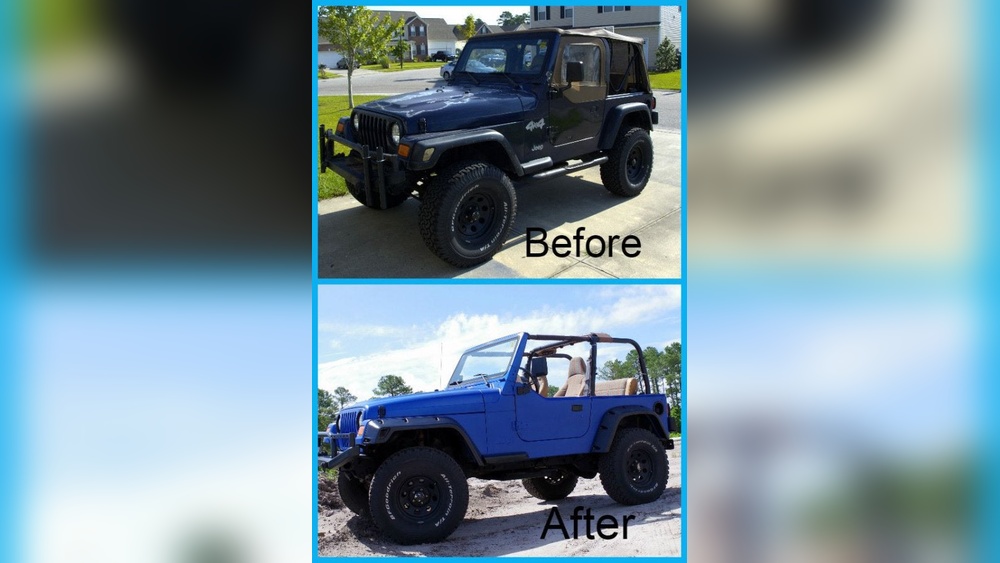
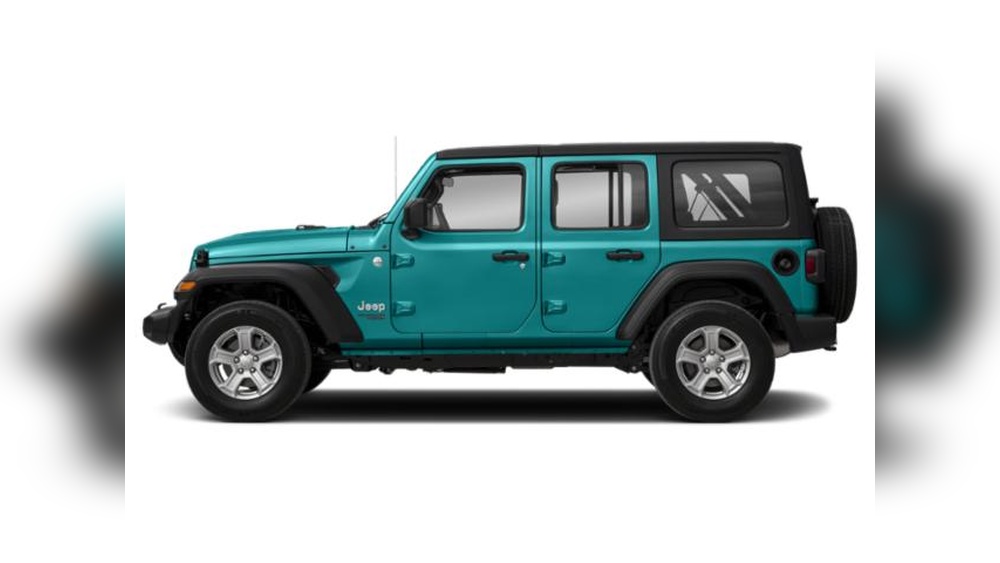
The Jeep Wrangler is an icon. For decades, it has been the go-to vehicle for off-road adventures and open-air driving.
A big part of its charm is the soft top, which allows you to quickly transform your Jeep from a closed cabin to a fully exposed experience. However, like any part of a vehicle that’s constantly exposed to the elements, the soft top can suffer wear and tear.
Tears, leaks, faded fabric, and broken zippers are common issues.
Repairing a Jeep Wrangler soft top can save you a significant amount of money compared to buying a new one. It also keeps your beloved Jeep looking its best and functioning as it should.
This guide will walk you through the common problems you might encounter with your soft top and provide detailed, step-by-step instructions on how to repair them.
Whether you’re dealing with a small tear or a stubborn leak, you’ll find the solutions you need to get your Wrangler back in top shape.
Understanding Your Jeep Wrangler Soft Top
Before diving into repairs, it’s helpful to understand what your soft top is made of and how it works. Most Jeep Wrangler soft tops are constructed from durable vinyl or canvas fabrics. These materials are designed to withstand harsh weather conditions, UV exposure, and the rigors of off-roading. The top is typically held in place by a frame, zippers, and often snaps or Velcro.
The main components of a soft top system include:
- Fabric Panels: These are the large sections that cover the roof, sides, and rear of your Jeep. They can be made of single-layer vinyl or multi-layer sailcloth/canvas for better insulation and sound dampening.
- Window Sections: These are usually made of clear vinyl that can become cloudy or scratched over time. They are often removable and replaceable.
- Zippers: These are crucial for attaching and detaching panels, especially the windows. They can snag, break, or lose teeth.
- Seams and Stitching: The fabric panels are sewn together, and these seams can degrade, leading to leaks.
- Fasteners: Snaps, Velcro, and clips secure the soft top to the Jeep body and frame. These can break or lose their grip.
- Frame (if applicable): Some older models or aftermarket tops might have a more complex frame system.
Knowing these parts will help you diagnose the problem and choose the right repair method. The type of material your top is made from (e.g., Bestop Twill, Bestop Sailcloth, OEM vinyl) will also influence the repair products and techniques you use.
Common Jeep Wrangler Soft Top Problems And Solutions
Soft tops are exposed to a lot of abuse. Sunlight fades and weakens the fabric, rain and snow can lead to leaks, and the constant opening and closing can stress zippers and seams.
Here are the most common issues and how to fix them.
Dealing With Tears And Rips
Tears are perhaps the most frequent problem. They can range from small punctures to large rips along seams or in the middle of a panel.
The best repair method depends on the size and location of the tear.
Small Tears And Punctures
For small holes or tears (less than 2 inches), a vinyl repair kit is usually the best solution. These kits typically contain a vinyl adhesive and patches.
- Clean the Area: Thoroughly clean the area around the tear with a mild soap and water solution. Ensure it’s completely dry. Avoid harsh chemicals that could damage the fabric.
- Prepare the Patch: Cut a piece of patch material (often included in the kit, or you can use a piece of an old soft top or vinyl fabric) that is about 1 inch larger than the tear on all sides. Round the corners of the patch to prevent lifting.
- Apply Adhesive: Follow the instructions on your vinyl repair kit. Typically, you’ll apply a thin, even layer of the vinyl adhesive to both the underside of the fabric around the tear and to the patch. Let it become tacky.
- Press and Seal: Carefully position the patch over the tear, pressing firmly from the center outwards to eliminate air bubbles.
- Cure: Allow the adhesive to cure completely. This can take several hours or even overnight, depending on the product. Some kits may recommend applying heat (like with a hairdryer on a low setting) to speed up the curing process, but be cautious not to overheat or melt the fabric.
Pro Tip: For tears on the inside of the top, you might only need to apply adhesive without a visible patch. For tears on the outside, an external patch is usually necessary for strength.
Larger Rips And Seam Separation
Larger rips or separations along seams require a more robust approach. You might need a stronger adhesive or even stitching.
- Clean and Prepare: As with small tears, thorough cleaning is essential. If the rip is along a seam, carefully separate the fabric edges slightly to get adhesive into the gap.
- Bonding Fabric: For larger rips, you can use a specialized fabric adhesive designed for outdoor fabrics or vinyl. Apply the adhesive to both surfaces of the tear, let it become tacky, and then press the fabric back together firmly. You might need to use clamps or heavy objects to hold it in place while it cures.
- Reinforcing with Patches: For extra strength, especially on stress points or larger tears, apply a patch to the inside of the soft top. If the tear is on the outside, you can also apply a patch on the outside for a cleaner look, but ensure it’s a flexible material that won’t crack.
- Sewing (Advanced): If the tear is extensive or on a critical seam, you might consider sewing it. Use a heavy-duty needle and UV-resistant thread (like upholstery thread). A sewing machine with a walking foot is ideal, but it can be done by hand if necessary. Double-stitching the seam will provide the best durability. This is a more advanced repair and requires careful work to ensure the stitching doesn’t create new leak points.
Fixing Leaky Seams And Windows
Leaks are a common annoyance, especially after the soft top has aged. Seams, window seals, and areas where the fabric meets the Jeep body are common culprits.
Seam Sealing
Over time, the sealant along the seams can degrade.
- Identify Leaks: The best way to find leaks is to have someone spray your Jeep with a hose while you’re inside, looking for drips. Alternatively, you can feel for damp spots after a rain.
- Clean the Seams: Clean the seams thoroughly. Any dirt or grime will prevent the new sealant from adhering properly.
- Apply Seam Sealer: Use a high-quality fabric seam sealer designed for outdoor use. These are often liquid or paste-like. Apply a bead of sealer along the inside of the seam. For extra protection, you can apply it to the outside as well.
- Smooth and Cure: Use a gloved finger or a small tool to smooth the sealer into the seam. Wipe away any excess. Allow it to cure according to the product’s instructions.
Window Leaks
Windows can leak around the edges where they meet the fabric or the Jeep body.
- Window Channel Seals: Check the rubber or vinyl seals around the windows. If they are cracked, dry, or missing, they need to be replaced. You can often buy replacement seals from Jeep parts suppliers. Apply a silicone lubricant to help them seat properly.
- Zipper Lubrication: Sometimes, windows don’t seal correctly because the zippers are stiff or dirty. Clean the zippers with a brush and apply a zipper lubricant (like Zipper-Ease or a silicone spray). This helps them close smoothly and form a tighter seal.
- Adhesive Sealant: If the window vinyl has separated from the fabric edge, you can use a clear vinyl adhesive sealant to re-bond and seal the edge. Apply a thin bead along the separation and press firmly.
Restoring Cloudy And Scratched Windows
Clear vinyl windows are prone to hazing, clouding, and scratches from UV rays and abrasion.
- Cleaning: Start with a gentle cleaning using a pH-neutral soap and water. Avoid abrasive cleaners or paper towels, which can cause more scratches. Microfiber cloths are best.
- Polishing: Use a plastic polish specifically designed for clear vinyl or acrylic. These polishes contain mild abrasives that can remove light scratches and oxidation. Apply the polish to a clean microfiber cloth and rub it onto the window in a circular motion.
- Buffing: Use a separate, clean microfiber cloth to buff away the polish residue. You might need to repeat the polishing process several times for heavily clouded windows.
- Protection: After polishing, apply a UV protectant or a plastic sealant. This will help prevent future sun damage and keep the windows clearer for longer.
Example: When I tested different plastic polishes on my old Jeep soft top windows, the difference was remarkable. The windows went from a milky haze to being almost crystal clear after about 30 minutes of work per window.
Repairing Zippers
Broken or stubborn zippers can be a major frustration.
Stiff Or Snagging Zippers
- Clean: Use a small brush (an old toothbrush works well) to remove dirt, sand, and debris from the zipper teeth.
- Lubricate: Apply a zipper lubricant. Common options include:
- Zipper-Ease: A waxy stick specifically for zippers.
- Silicone Spray: A few sprays along the teeth.
- Pencil Graphite: Rubbing a graphite pencil along the teeth can also help.
- Candle Wax: A plain white candle can be rubbed on the teeth.
- Work the Zipper: Gently work the zipper up and down to distribute the lubricant.
Broken Zipper Teeth Or Pull Tab
- Missing Teeth: If only one or two teeth are missing or damaged, you might be able to bridge the gap with a strong adhesive or by carefully sewing a few stitches to create a new “tooth” if the damage is minor. However, this is often a temporary fix. For significant damage, zipper replacement is usually needed.
- Broken Pull Tab: This is an easy fix. You can replace a broken pull tab with a keyring, a paperclip, or a zipper pull cord. Simply loop it through the hole where the original tab was.
Separating Zipper
If the zipper starts to separate after being closed, the slider might be worn out.
- Tighten the Slider: Sometimes, you can gently crimp the slider with pliers. Be very careful not to crush it. Try crimping the back part of the slider (the part that follows the teeth).
- Replace the Slider: If crimping doesn’t work, you’ll need to replace the zipper slider. This involves unzipping the zipper completely, removing the old slider, and installing a new one. You can buy replacement sliders at fabric stores or online. You’ll usually need to remove the zipper stop at the end of the track to slide the old one off and the new one on.
Addressing Faded And Worn Fabric
Sun exposure can turn your soft top a dull, faded color, and the fabric itself can become thin and brittle.
Cleaning And Restoring Color
- Deep Clean: Use a dedicated fabric cleaner for automotive soft tops. These cleaners are designed to lift dirt and grime without damaging the fabric. Follow the product instructions carefully.
- Apply Protectant/Restorer: After cleaning and drying, apply a fabric protectant or soft top restorer. Many products contain UV inhibitors to prevent further fading and can help restore some of the fabric’s original color and water repellency. These are typically sprayed on and allowed to soak in.
Replacing Panels
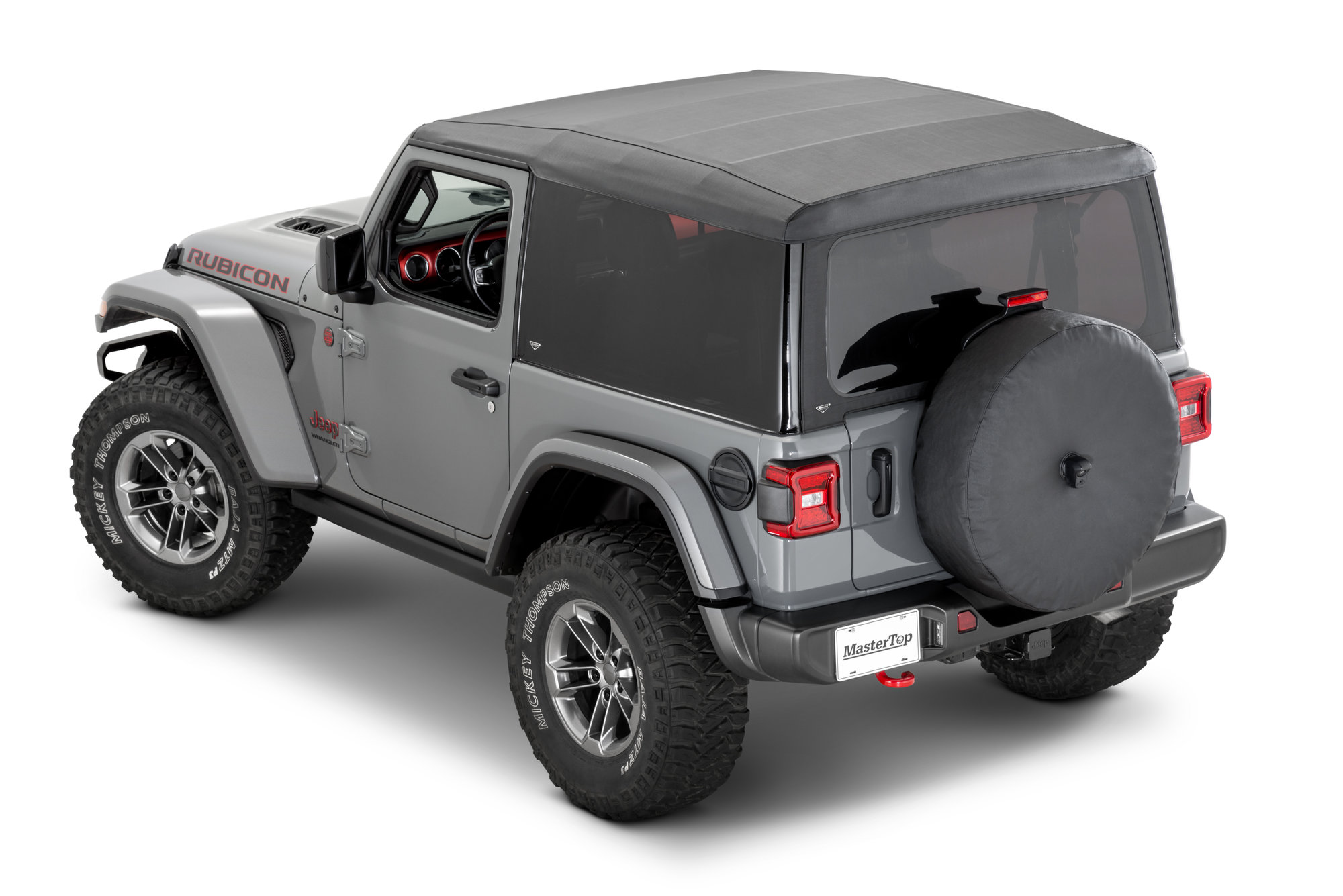
If the fabric is severely degraded, brittle, or has numerous large tears that can’t be repaired, it might be time to replace individual panels or the entire soft top. This is a more involved process, often best left to professionals, but DIY kits are available.
Diy Vs. Professional Repair
Deciding whether to tackle soft top repairs yourself or take it to a professional depends on several factors: the complexity of the repair, your skill level, and the cost.
Diy Repairs
- Pros: Significant cost savings, satisfaction of doing it yourself, ability to perform repairs immediately.
- Cons: Requires time, patience, and the right tools/materials. Mistakes can be costly. Some repairs, like full panel replacement or complex zipper jobs, can be very difficult for beginners.
- Best for: Small tears, minor leaks, zipper lubrication, window cleaning, and replacing small parts like pull tabs.
Professional Repairs
- Pros: Expertise ensures a proper, lasting repair. Saves you time and potential frustration. Can handle complex issues like full replacements or major structural damage.
- Cons: More expensive than DIY. You’ll need to schedule an appointment and leave your Jeep.
- Best for: Large rips, extensive seam separation, full window replacement, complete soft top replacement, or if you lack the confidence or tools for DIY.
When considering professional repair, get quotes from automotive upholstery shops or specialized Jeep customization shops. They often have the experience and materials to do an excellent job.
Maintaining Your Soft Top To Prevent Future Damage
The best way to deal with soft top issues is to prevent them from happening in the first place. Regular maintenance can significantly extend the life of your soft top.
Regular Cleaning
Wash your soft top regularly with mild soap and water. This removes dirt, bird droppings, tree sap, and other contaminants that can degrade the fabric and cause staining.
Always use a soft brush and rinse thoroughly.
Applying Protectants
After cleaning, apply a high-quality fabric protectant with UV inhibitors. This helps repel water, resist stains, and protect the fabric from sun damage. Reapply every few months, especially after heavy exposure to the elements.
Zipper Care
Keep your zippers clean and lubricated. This prevents them from seizing up or breaking.
A quick spray of silicone lubricant or application of zipper wax periodically goes a long way.
Proper Storage (if Applicable)
If you remove your soft top for extended periods (e. g.
, during winter), store it properly. Fold it neatly (avoiding sharp creases) or roll it up and store it in a clean, dry place away from direct sunlight and extreme temperatures.
Some people use a large plastic tote or a soft top storage bag.
Avoiding Stress
Be mindful when operating your soft top. Don't force zippers, and avoid pulling or stretching the fabric unnecessarily.
Ensure the frame is correctly aligned before attempting to zip panels.

When It’s Time For A New Soft Top
Sometimes, despite your best efforts, a soft top is beyond repair. If you notice extensive