The Jeep Wrangler shifter cable is a vital part of your vehicle’s transmission system. It connects the gear shifter inside your Jeep to the transmission itself.
When you move the shifter from Park to Drive, or any other gear, this cable transmits that movement. It’s a crucial link that allows you to control your Wrangler’s gears.
Without a properly functioning shifter cable, you won’t be able to select gears, which means you can’t drive your Jeep.
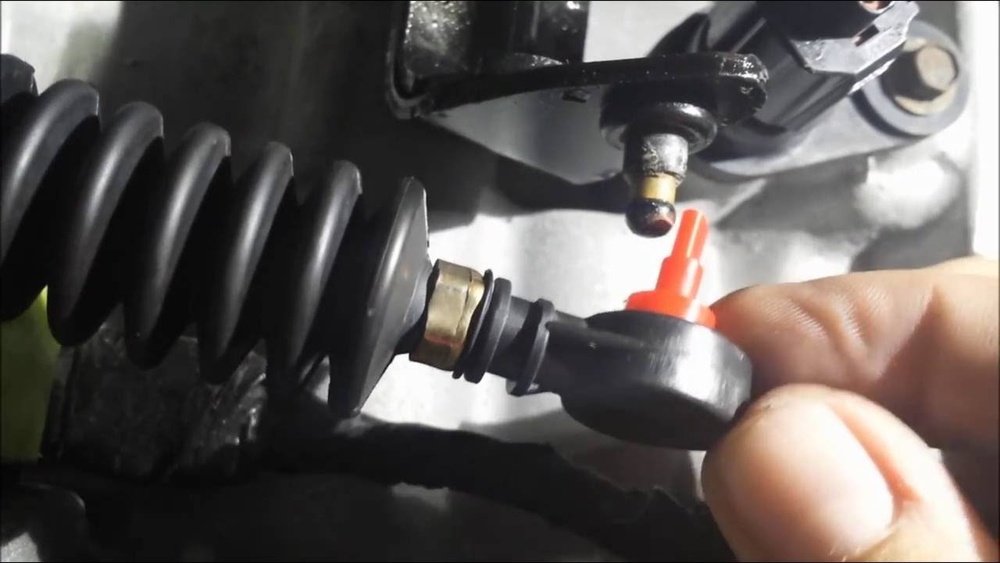
Many Jeep Wrangler owners might not think much about their shifter cable until something goes wrong. Like any mechanical part, these cables can wear out or get damaged over time.
This can lead to a range of frustrating problems, from a loose shifter to an inability to shift gears at all.
Understanding how the shifter cable works, what can go wrong, and how to address these issues is essential for any Wrangler owner who wants to keep their vehicle running smoothly.
This guide will explore the Jeep Wrangler shifter cable in detail. We’ll cover its function, common problems, signs of a failing cable, replacement procedures, and tips for maintenance.
Whether you’re a seasoned off-roader or a daily driver, this information will help you keep your Wrangler shifting gears reliably.
Understanding The Jeep Wrangler Shifter Cable
The shifter cable is a mechanical linkage. In older vehicles, this connection was often a series of rods and levers. However, modern vehicles, including the Jeep Wrangler, primarily use flexible cables for this purpose. These cables are designed to be durable and flexible, allowing for a smooth connection between the shifter and the transmission, even with the complex routing required in a vehicle.
How It Works
The shifter cable consists of an inner wire or rod that slides within an outer sheath. When you move the gear shifter lever inside the cabin, it pulls or pushes this inner wire. This movement is then transferred to the shift lever on the transmission. The transmission’s internal mechanism then engages the selected gear.
The cable is typically routed from the shifter assembly, often located on the steering column or the center console, down through the firewall and under the vehicle to the transmission. Its flexible nature allows it to navigate around the chassis, exhaust system, and other components.
Types Of Shifter Cables
While the basic function remains the same, there can be slight variations depending on the Jeep Wrangler model and year. Most modern Wranglers use a two-cable system for automatic transmissions:
- Shift Cable: This is the primary cable that connects the shifter to the transmission for selecting gears (Park, Reverse, Neutral, Drive, etc. ).
- Park Lock Cable: This cable is specifically linked to the parking brake mechanism within the transmission. It ensures that the transmission is securely locked in Park.
Manual transmissions do not use shifter cables in the same way. They rely on a direct mechanical linkage or a cable-actuated clutch system. This guide focuses on the shifter cables for automatic transmissions.
Materials And Construction
Jeep Wrangler shifter cables are built for durability. They typically feature:
- Inner Wire: Made from high-strength steel, often braided for flexibility and strength.
- Outer Sheath: A protective casing, usually made of durable plastic or rubber, to shield the inner wire from dirt, moisture, and damage.
- End Fittings: Metal connectors at each end that attach to the shifter and the transmission levers. These are often designed with specific pivot points or attachment mechanisms.
The quality of these materials is crucial. A poorly made or damaged cable can lead to imprecise shifting, difficulty selecting gears, or even complete failure.
Common Problems With Jeep Wrangler Shifter Cables
Over time, the shifter cable can experience wear and tear, leading to several common issues. Understanding these problems can help you identify a failing cable before it leaves you stranded.
Cable Wear And Tear
The constant movement of the shifter cable causes its internal components to wear down. The inner wire can stretch, and the outer sheath can fray or crack.
This wear affects the precision of the connection between the shifter and the transmission.
Stretching
As the inner cable stretches, the connection becomes less direct. This means that when you move the shifter to a certain position, the transmission lever might not move the full amount. This can result in:
- Imprecise Gear Selection: The shifter might feel loose or sloppy. You might have to jiggle the shifter to get it into the correct gear.
- Difficulty Engaging Gears: It might be hard to get the Wrangler into Park, Reverse, or Drive. The shifter might not “click” into place properly.
- Shifter Not Indicating Correct Gear: The indicator on your dashboard might show one gear, but the transmission is actually in another. This is a dangerous situation.
Damage To The Outer Sheath
The outer sheath protects the inner cable from the elements. If this sheath is damaged, dirt, water, and road salt can enter the cable. This can cause:
- Corrosion: The inner wire can rust, increasing friction and eventually causing it to break.
- Binding: Dirt and debris can impede the smooth movement of the inner wire, making shifting stiff and difficult.
- Reduced Lifespan: Environmental damage significantly shortens the cable’s overall lifespan.
Broken Cable
In severe cases, the inner wire can snap. This is the most catastrophic failure and will result in a complete loss of gear selection.
If the cable breaks, the shifter will likely feel completely disconnected from the transmission, and you won’t be able to move the vehicle out of its current gear (or it might shift into a default gear depending on the failure point).
Loose Connections
The end fittings that attach the cable to the shifter and the transmission can also become loose. This can happen due to worn bushings, loose bolts, or damaged mounting points.
A loose connection means the shifter’s movement isn't fully transferred to the transmission.
Park Lock Cable Issues
If your Wrangler has a separate park lock cable, problems with this specific cable can prevent you from shifting out of Park, or it might fail to engage the park lock, making it unsafe.
Signs Of A Failing Jeep Wrangler Shifter Cable
Recognizing the symptoms of a failing shifter cable is crucial for timely repair. Ignoring these signs can lead to more significant damage or a breakdown.
Loose Or Sloppy Shifter
This is often the first sign. The gear shifter lever inside your Jeep might feel loose, wobbly, or imprecise. When you move it, there might be excessive play before it engages a gear. It might not feel like it’s firmly locking into each position.
Difficulty Shifting Gears
You might find yourself struggling to move the shifter into the desired gear. It could feel stiff, sticky, or require extra force. Sometimes, you might need to jiggle the shifter to get it to engage properly.
Inability To Shift Into Park
A common and frustrating issue is the inability to shift the transmission into Park. This can be due to a stretched cable, a damaged park lock cable, or a loose connection. This makes it impossible to leave the vehicle safely.
Shifter Indicator Doesn’t Match The Actual Gear
The indicator on your dashboard (showing P, R, N, D) might not accurately reflect the gear the transmission is in. For example, the indicator might show "D" for Drive, but the transmission is actually still in Neutral.
This is a serious safety hazard, as the vehicle could move unexpectedly.
Vehicle Rolls When In Park (park Lock Failure)
If the park lock cable is damaged or not engaging properly, the vehicle might roll even when the shifter is in the “Park” position. This indicates a critical failure that needs immediate attention.
Grinding Noises
While not always directly caused by the cable, a failing shifter cable can sometimes lead to grinding noises. This happens if the transmission doesn’t fully engage a gear, or if the driver has to force the shifter into a position.
Check Engine Light
In some cases, a malfunctioning shifter cable or its associated sensors might trigger the Check Engine Light. This is because the vehicle’s computer monitors transmission engagement and can detect anomalies.
Diagnosing A Bad Shifter Cable
Pinpointing a faulty shifter cable requires a systematic approach. It’s important to rule out other potential transmission issues before concluding the cable is the problem.
Visual Inspection
Start with a visual inspection of the cable.
- Under the Hood: Locate where the shifter cable connects to the transmission. Look for any obvious signs of damage, such as kinks, fraying, or corrosion on the outer sheath. Check if the cable is securely attached to the transmission lever.
- Inside the Cabin: Examine the shifter assembly. Ensure there are no loose parts and that the cable connection to the shifter itself is secure.
- Under the Vehicle: Carefully inspect the entire length of the cable as it runs from the cabin to the transmission. Look for damage caused by road debris, exhaust heat, or rust.
Checking Cable Play
With the engine off and the parking brake firmly engaged, try moving the shifter through its positions.
- Engine Off: You should feel distinct detents or stops for each gear. If the shifter feels overly loose or has a lot of slop, it could indicate a stretched cable or loose connections.
- Check for Free Play: Try wiggling the shifter left and right when it’s in Park or Neutral. Excessive side-to-side play can be a sign of worn bushings or a stretched cable.
Testing Transmission Engagement
This requires more careful observation.
- Start the Engine: With your foot firmly on the brake, shift through each gear (P, R, N, D, etc. ).
- Listen and Feel: Pay attention to how easily the shifter moves and if there are any unusual noises (like grinding).
- Confirm Gear Engagement: Have a helper check if the transmission is actually engaging the selected gear (e.g., by checking if the driveshaft spins slightly in gear). Be extremely cautious during this test.
Checking Cable Adjustment
Some shifter cables have adjustment points. If the cable has stretched, it might be possible to tighten it.
However, improper adjustment can cause more problems. If you suspect an adjustment issue, it's often best left to a professional.
Professional Diagnosis
If you’re unsure about the diagnosis or uncomfortable performing these checks, take your Jeep Wrangler to a qualified mechanic. They have the tools and experience to accurately diagnose shifter cable problems and differentiate them from other transmission issues.
Replacing A Jeep Wrangler Shifter Cable
Replacing a Jeep Wrangler shifter cable is a moderately difficult task. It requires working under the vehicle and often involves removing interior trim pieces.
If you’re not comfortable with mechanical work, it’s best to have a professional handle this job.
Tools And Parts Needed
- New Shifter Cable: Ensure you get the correct cable for your specific Jeep Wrangler model, year, and transmission type.
- Socket Set and Wrenches: Various sizes will be needed for removing bolts and nuts.
- Pliers: For disconnecting clips and securing components.
- Screwdrivers: For interior trim removal.
- Jack and Jack Stands: Essential for safely lifting and supporting the vehicle.
- Penetrating Oil: To help loosen stubborn bolts.
- Wire Brush: For cleaning threads.
- Torque Wrench: To ensure fasteners are tightened to the correct specifications.
- Shop Rags: For cleaning up.
Step-by-step Replacement Guide (general)
This is a general guide; specific steps may vary based on your Wrangler model. Always consult a service manual for detailed instructions.
- Disconnect Battery: Safety first! Disconnect the negative battery terminal to prevent electrical shorts.
- Access the Shifter Assembly:
- Inside the Cabin: Remove the center console trim or dashboard panels surrounding the shifter to gain access to the shifter cable connection. This usually involves removing screws and prying off plastic clips.
- Access the Transmission Connection:
- Lift the Vehicle: Safely raise the Jeep Wrangler using a jack and secure it on jack stands.
- Locate Cable: Find where the shifter cable attaches to the transmission shift lever.
- Remove Heat Shields/Skid Plates: You might need to remove exhaust heat shields or skid plates to get clear access.
- Disconnect the Old Cable:
- At the Transmission: Unbolt or unclip the cable end from the transmission lever. Note the orientation of the connection.
- At the Shifter: Disconnect the cable from the shifter mechanism inside the cabin. This often involves releasing a clip or removing a retaining nut.
- Route the New Cable:
- From Cabin to Transmission: Carefully route the new cable from the shifter assembly, following the path of the old cable. Ensure it doesn’t cross hot exhaust components or sharp edges. Secure it with any provided clips or zip ties.
- Connect the New Cable:
- At the Shifter: Attach the new cable to the shifter mechanism, ensuring it’s properly seated and secured.
- At the Transmission: Connect the other end of the cable to the transmission shift lever, making sure it’s oriented correctly and securely fastened.
- Reassemble Interior Trim: Reinstall any dashboard or console trim pieces that were removed.
- Reinstall Heat Shields/Skid Plates: Put back any components removed for access.
- Lower the Vehicle: Carefully lower the Jeep Wrangler from the jack stands.
- Reconnect Battery: Reconnect the negative battery terminal.
- Test Shifting: Start the engine and carefully test shifting through all gears. Ensure the shifter feels firm and the transmission engages each gear correctly. Check that the dashboard indicator matches the actual gear.
Pro Tip:
Always compare the new cable to the old one before installation. Ensure the length, end fittings, and mounting points are identical. Even minor differences can prevent proper installation and function.
Maintaining Your Shifter Cable
While shifter cables are designed to be durable, some basic maintenance can help extend their lifespan and ensure smooth operation.
Keep It Clean
The primary enemy of exposed cables is dirt and grime. While the outer sheath offers protection, it's not impenetrable.
Periodically cleaning the visible parts of the cable can help.
- Washing: When washing your Wrangler, pay attention to the underside. Use a hose to spray down the shifter cable, removing mud, salt, and debris.
- Avoid High-Pressure Washers: Be cautious with high-pressure washers, as they can force water past seals and into the cable sheath, causing more harm than good.
Lubrication (use Sparingly And Correctly)
Lubrication can help keep the inner wire moving smoothly within the sheath, especially in dusty or corrosive environments. However, over-lubrication or using the wrong type of lubricant can attract dirt and cause more problems.
- Cable Lubricant: Use a specialized cable lubricant or a silicone-based spray. Avoid heavy greases that can gum up.