The Jeep Wrangler Sahara OEM Factory Wheel is more than just a part that connects your vehicle to the road. For many Jeep enthusiasts, it's a symbol of adventure, capability, and a connection to the iconic Wrangler legacy.
These wheels are designed and manufactured by Jeep's original equipment manufacturer (OEM) to meet specific standards for performance, durability, and aesthetics, ensuring they perfectly complement the Wrangler's rugged spirit and off-road prowess.
When you think of a Jeep Wrangler, images of dusty trails, rocky paths, and open highways likely come to mind. The Sahara trim, in particular, often represents a balance between the extreme off-road focus of the Rubicon and the more urban-friendly sport models.
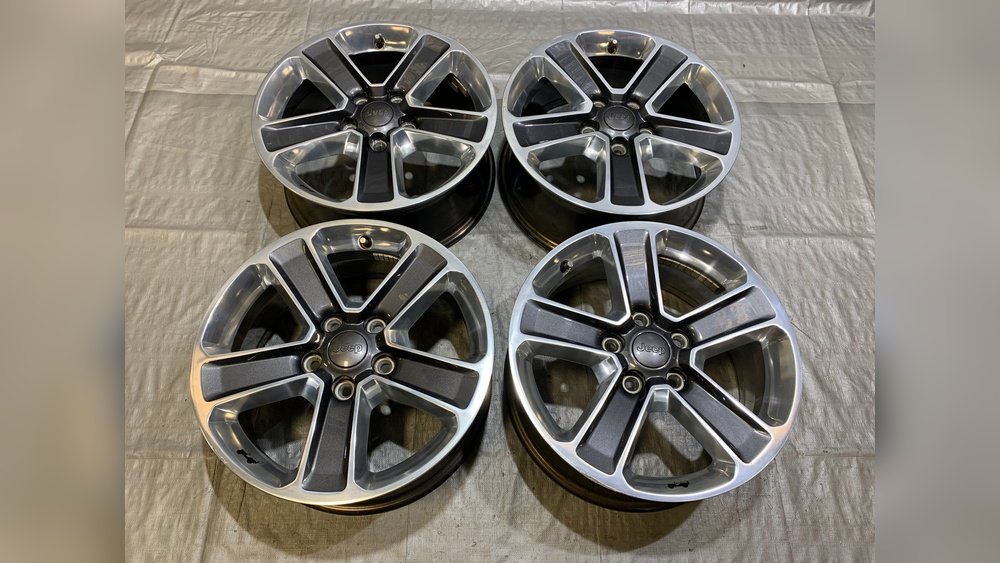
This means Sahara wheels are engineered to handle a variety of conditions, from daily driving to moderate off-roading. Understanding the specifics of these factory wheels can help current owners maintain their Jeep, potential buyers make informed decisions, and enthusiasts appreciate the engineering that goes into these crucial components.
This article will explore the key features, design considerations, benefits, and maintenance aspects of the Jeep Wrangler Sahara OEM factory wheel, providing a comprehensive guide for anyone interested in this iconic piece of automotive hardware.
Understanding Jeep Wrangler Sahara Oem Factory Wheels
OEM stands for Original Equipment Manufacturer. This means the wheels are made by or for Jeep, to the exact specifications that the vehicle was designed with from the factory. They are not aftermarket parts, which are made by third-party companies. The Sahara trim of the Wrangler is known for offering a blend of comfort, style, and off-road capability, and its factory wheels reflect this balance.
Design Philosophy And Aesthetics
Jeep Wrangler Sahara wheels are typically designed with both form and function in mind. While they need to be robust enough for off-road adventures, they also contribute significantly to the vehicle's overall look.
The Sahara trim often features wheels that are slightly more refined in appearance compared to the more utilitarian wheels found on other trims, though they never sacrifice durability.
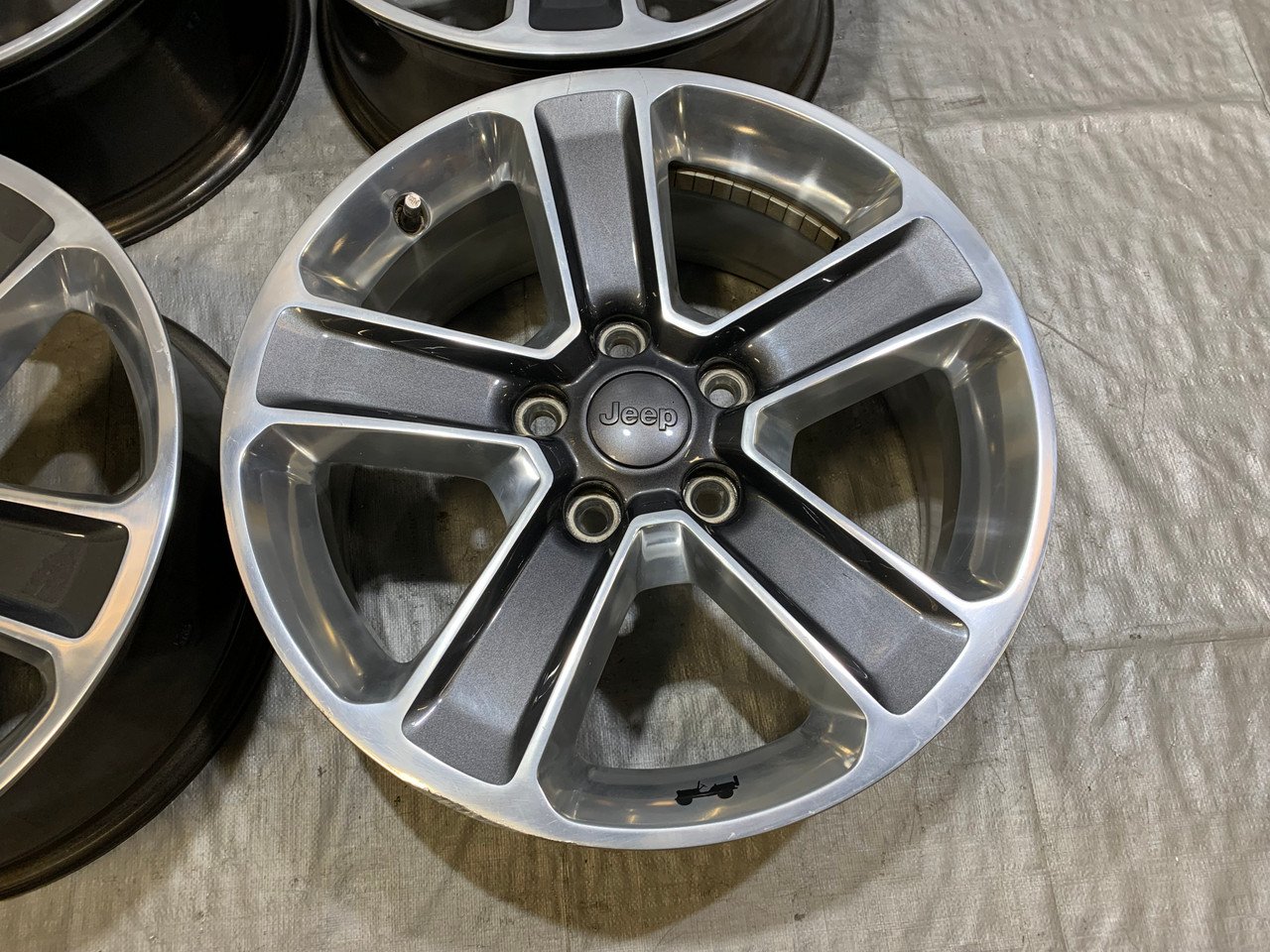
The design often incorporates a balance of open and closed spokes, which can help with brake cooling while also providing a visually appealing pattern. Finishes can vary, but common options include machined aluminum with painted accents, satin silver, or charcoal grey. These finishes are chosen to complement the Wrangler’s paint colors and overall rugged, yet sophisticated, aesthetic. The wheel size for Sahara models typically falls within a range that offers a good compromise between on-road comfort and off-road performance, often in the 17-inch to 18-inch diameter range, with an appropriate offset and bolt pattern for the Wrangler’s suspension and axle setup.
Material And Construction
OEM factory wheels for the Jeep Wrangler Sahara are almost exclusively made from aluminum alloy. Aluminum is chosen for several reasons:
- Lightweight: Compared to steel wheels, aluminum alloys are significantly lighter. This reduces unsprung weight, which can improve handling, acceleration, and braking performance.
- Strength: Modern aluminum alloys are very strong and can withstand the stresses of daily driving and moderate off-roading. They are designed to absorb impacts from potholes and trail obstacles.
- Corrosion Resistance: Aluminum alloys are less prone to rust than steel, especially important for a vehicle like the Wrangler that is often exposed to various weather conditions and road salt.
- Design Flexibility: Aluminum allows for more intricate and stylish designs, contributing to the aesthetic appeal of the Sahara trim.
The construction involves casting or forging the aluminum alloy into the desired shape. Casting is a common method for mass production, where molten aluminum is poured into a mold.
Forging, a more intensive process, shapes the metal using immense pressure, resulting in an even stronger and lighter wheel, though it's typically reserved for higher-performance or more extreme off-road applications.
Wrangler Sahara wheels are built to meet strict automotive standards for load rating, impact resistance, and fatigue life, ensuring they are safe and reliable for their intended use.
Key Specifications And Features Of Sahara Wheels
The specific details of Jeep Wrangler Sahara OEM wheels can vary slightly depending on the model year and any special editions. However, there are consistent specifications that define these wheels and their suitability for the vehicle.
Bolt Pattern And Offset
The bolt pattern is crucial for ensuring a wheel fits correctly onto the vehicle’s hub. For most modern Jeep Wranglers, including the Sahara trim, the bolt pattern is 5×5 inches (or 5x127mm). This means there are five lug nuts (or bolts) on the hub, arranged in a circle with a diameter of 5 inches.
The offset refers to the position of the wheel’s mounting surface relative to the centerline of the wheel. A positive offset means the mounting surface is closer to the outside of the wheel, while a negative offset means it’s closer to the inside. Wrangler Sahara wheels typically have a low positive or near-zero offset. This positioning is critical for several reasons:
- Suspension and Steering Geometry: The correct offset ensures proper alignment and steering feel.
- Tire Clearance: It helps maintain adequate clearance between the tire and suspension components (like control arms and brake calipers) and the fender flares.
- Stance: It contributes to the vehicle’s overall stance and stability.
Using wheels with the incorrect offset can lead to premature wear on suspension components, rubbing issues with the fenders or suspension, and altered handling characteristics.
Tire Size Compatibility
OEM Sahara wheels are designed to be paired with specific tire sizes that balance on-road comfort, fuel efficiency, and off-road traction. Common tire sizes for Wranglers equipped with Sahara wheels include:
- 255/70R17: Often found on the JK generation, this is a popular size that offers a good balance of on-road manners and off-road capability.
- 275/55R20: Some Sahara models might come with larger 20-inch wheels, paired with tires of this size, leaning more towards on-road comfort and aesthetics.
- 255/75R17: A slightly taller tire that can offer a bit more ground clearance and a smoother ride over obstacles.
These tire sizes are chosen to work harmoniously with the vehicle’s gearing, speedometer calibration, and suspension geometry. When considering tire replacements or upgrades, it’s important to maintain a similar overall tire diameter to avoid issues with the vehicle’s computer systems and driving dynamics.
Load Rating And Durability
Every OEM wheel has a specific load rating, which indicates the maximum weight the wheel can safely support. For a vehicle like the Jeep Wrangler, which is often used for off-roading and can carry significant loads (passengers, cargo, recovery gear), this rating is very important.
Jeep Wrangler Sahara factory wheels are engineered to meet or exceed the demands of the vehicle's Gross Vehicle Weight Rating (GVWR). They are tested to withstand impacts from potholes, curbs, and rough terrain without failing.
This durability is a key advantage of OEM wheels; they are designed for the specific stresses the Wrangler is likely to encounter.
While aftermarket wheels might offer higher load ratings for extreme off-roading, the Sahara OEM wheels provide a robust solution for the majority of owners.
Benefits Of Using Oem Factory Wheels
Choosing to stick with or replace your Sahara with OEM factory wheels comes with several distinct advantages. These benefits often outweigh the perceived cost savings or aesthetic appeal of some aftermarket options for many owners.
Perfect Fit And Compatibility
The most significant benefit of OEM wheels is their guaranteed perfect fit. They are designed by Jeep engineers specifically for the Wrangler Sahara. This means:
- No Modifications Needed: You won’t need spacers, adapters, or fender modifications for the wheels to fit correctly.
- Correct Clearance: They provide optimal clearance for brakes, suspension components, and the body, preventing rubbing and interference issues.
- Accurate Speedometer Readings: When paired with the original tire size, the speedometer and odometer will function accurately.
- Warranty Protection: Using OEM parts generally does not void your vehicle’s warranty, unlike some aftermarket modifications.
This seamless integration ensures the vehicle performs as intended by the manufacturer, maintaining its original handling characteristics and safety features.
Reliability And Safety Standards
OEM wheels are manufactured under strict quality control standards. They undergo rigorous testing for strength, durability, and safety. This includes tests for:
- Impact Resistance: To withstand bumps and jolts.
- Radial and Lateral Runout: To ensure a smooth and stable ride.
- Fatigue Life: To guarantee longevity under repeated stress.
- Corrosion Resistance: To maintain their appearance and integrity in harsh environments.
These wheels are designed to meet or exceed federal safety regulations. This provides a level of assurance that you are using a component that has been thoroughly vetted for safety and reliability, reducing the risk of catastrophic failure.
Maintaining Resale Value
Keeping your Jeep Wrangler Sahara equipped with its original factory wheels can positively impact its resale value. Many buyers prefer vehicles that are in their original configuration, especially for iconic models like the Wrangler.
- Originality: A Jeep with its factory wheels looks as the manufacturer intended.
- Trust: Buyers often associate OEM parts with reliability and proper maintenance.
- Aesthetics: The Sahara wheels are designed to complement the vehicle’s styling, maintaining its aesthetic appeal.
While aftermarket wheels can be attractive, they can sometimes deter potential buyers who are looking for a stock vehicle or are concerned about how the aftermarket parts might have been used (e. g. , extreme off-roading).
Performance And Handling
The design of OEM Sahara wheels, including their size, width, offset, and weight, is carefully considered to optimize the Wrangler’s on-road and light off-road performance.
- Balanced Ride: They contribute to a comfortable and stable ride on paved surfaces.
- Off-Road Capability: They are robust enough for trails and equipped to handle the challenges of moderate off-road driving without compromising the vehicle’s inherent capabilities.
- Fuel Efficiency: Lighter OEM wheels can contribute slightly to better fuel economy compared to heavier aftermarket options.
The specific dimensions are chosen to work in conjunction with the Wrangler’s suspension system, ensuring predictable handling and responsiveness.
Common Jeep Wrangler Sahara Wheel Sizes And Designs
The Sahara trim often receives slightly more upscale wheel options compared to the base Sport model. While specific designs change with model years, there are recurring themes and popular sizes.
Here’s a look at common specifications often found on Jeep Wrangler Sahara models:
| Model Year Range | Common Wheel Diameter | Common Wheel Width | Common Offset | Bolt Pattern | Common Tire Size |
|---|---|---|---|---|---|
| 2007-2018 (JK) | 17 inches | 7.5 inches | +40mm (approx) | 5×5″ (127mm) | 255/75R17 |
| 2018-Present (JL) | 18 inches | 7.5 inches | +41.4mm (approx) | 5×5″ (127mm) | 255/70R18 |
| Special Editions | Varies | Varies | Varies | 5×5″ (127mm) | Varies |
Note: Offset figures can vary slightly between specific factory wheel designs within a generation. It’s always best to verify the exact specifications for your particular model year.
Popular Designs Across Generations
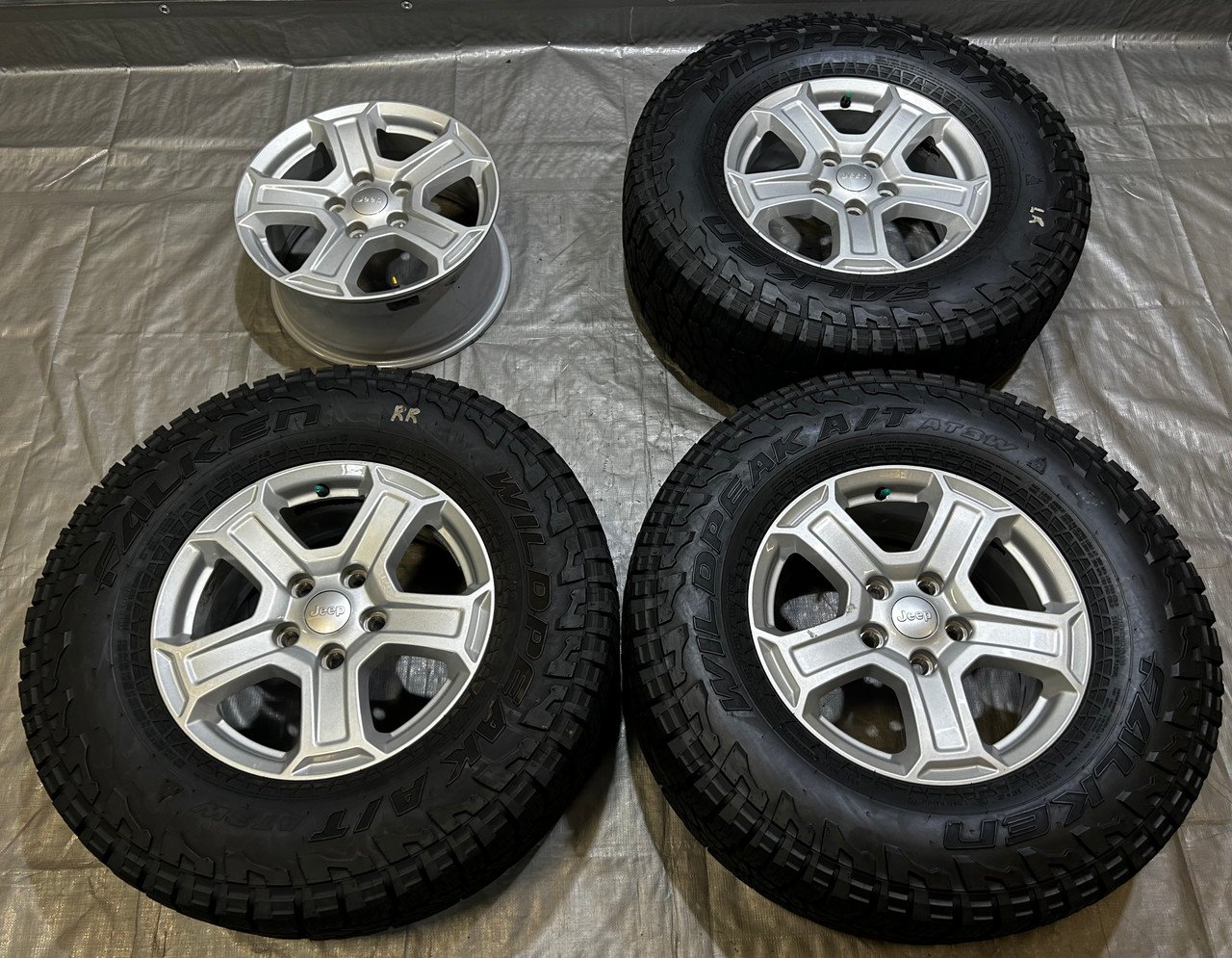
- JK Generation (2007-2018): Many Sahara models featured 17-inch aluminum wheels with a five-spoke or multi-spoke design. These often had a machined face with painted silver or grey pockets. The design aimed for a balance between ruggedness and a touch of elegance, fitting the Sahara’s positioning.
- JL Generation (2018-Present): The JL generation often saw Sahara models equipped with 18-inch wheels as standard or a popular option. These designs frequently incorporated more intricate spoke patterns, sometimes with diamond-cut finishes or darker graphite/gunmetal accents. The goal was to provide a more premium look befitting the upgraded trim level.
Special Edition Wheels
Jeep frequently releases special editions of the Wrangler, and these often come with unique wheel designs. For Sahara models, these special editions might feature:
- Unique Finishes: Such as gloss black, smoked chrome, or two-tone combinations.
- Distinctive Spoke Patterns: Sometimes inspired by off-road racing or more aggressive styling cues.
- Larger Diameter Options: Occasionally, special editions might offer 20-inch wheels, although 17s and 18s remain the most common for balancing capability and everyday usability.
These special edition wheels add exclusivity and a distinct visual identity to the vehicle.
Maintenance And Care For Your Sahara Wheels
Proper care of your Jeep Wrangler Sahara OEM wheels will not only keep them looking good but also help preserve their structural integrity and longevity.
Cleaning
Regular cleaning is essential to prevent the buildup of corrosive elements like brake dust, road salt, and grime.
- Rinse: Start by rinsing the wheels thoroughly with water to remove loose dirt and debris.
- Wash: Use a pH-neutral automotive wheel cleaner and a soft wash mitt or sponge. Avoid harsh detergents or abrasive cleaners, which can damage the finish. For stubborn brake dust, a dedicated wheel cleaner might be necessary, but always test it on an inconspicuous area first.
- Agitate: Gently agitate the cleaner on the wheel surface, paying attention to crevices and around lug nuts.
- Rinse Again: Rinse the wheels completely.
- Dry: Use a clean, soft microfiber towel to dry the wheels thoroughly. This prevents water spots.
Pro Tip: For deep cleaning, especially after off-roading, a soft-bristle brush can be helpful for reaching into tight areas.
Protection
Once clean, applying a protectant can help repel brake dust and make future cleaning easier.
- Wheel Sealant or Wax: A good quality wheel sealant or a spray wax designed for wheels can provide a protective barrier. Apply it after drying, following the product’s instructions. This is particularly beneficial for painted or clear-coated surfaces.
- Ceramic Coatings: For a more durable and long-lasting protection, consider a ceramic coating specifically formulated for wheels. This offers superior resistance to heat, chemicals, and environmental contaminants.
Inspection
Regularly inspect your wheels for any signs of damage:
- Cracks: Look for any hairline cracks, especially around the lug holes or on the spokes.
- Bends: Check for any visible warping or bending, which can cause vibrations while driving.
- Corrosion: Inspect for bubbling paint, pitting, or oxidation, particularly on machined or polished surfaces.
- Damage to Lug Nuts/Bolts: Ensure they are not stripped or damaged.
If you notice any significant damage, it’s crucial to address it immediately



















