The Jeep Wrangler Sahara is an icon. For decades, it has represented freedom, adventure, and rugged capability.
When you think of a Jeep, images of off-roading, open-air driving, and conquering tough terrain likely come to mind.
The Sahara trim, in particular, has always aimed to blend this legendary capability with a touch more comfort and everyday usability, making it a popular choice for those who want their adventure vehicle to also serve as a daily driver.
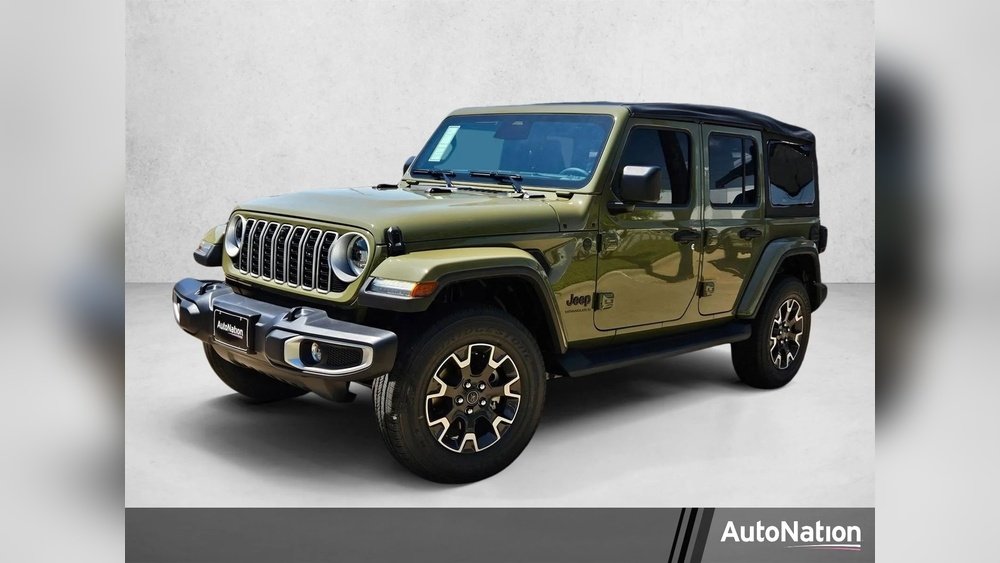
One common question that arises when discussing the Sahara, especially with its evolution over the years, is about its all-wheel-drive (AWD) system. Many potential buyers wonder if the Sahara is truly an all-wheel-drive vehicle in the way they might understand it from sedans or SUVs, or if it retains the more traditional, robust four-wheel-drive (4WD) systems Jeep is famous for. Understanding the nuances of Jeep’s drivetrain options is key to choosing the right Wrangler for your needs. This article will explore the Jeep Wrangler Sahara and its relationship with all-wheel drive, clarifying what it offers and how it performs.
Understanding Jeep’s Drivetrain: 4wd Vs. Awd
Before diving specifically into the Sahara, it’s crucial to understand the difference between all-wheel drive (AWD) and four-wheel drive (4WD). While both systems send power to all four wheels, they operate differently and are designed for different purposes.
All-Wheel Drive (AWD) systems are typically designed for on-road performance and traction. They often operate in a default two-wheel-drive mode (usually rear-wheel drive) and automatically engage the other set of wheels when slip is detected. Modern AWD systems are sophisticated, using sensors and computer control to constantly monitor conditions and distribute power as needed. They are excellent for improving grip on wet roads, snow, or ice, providing a safer and more stable driving experience without driver intervention. Many AWD systems are full-time, meaning power is always sent to all four wheels, though the distribution might vary.
Four-Wheel Drive (4WD) systems, on the other hand, are built for off-road capability and extreme conditions. They are generally more robust and offer more driver control. A traditional 4WD system usually has multiple modes that the driver can select:
- 2H (Two-Wheel Drive High): This is for normal driving on dry, paved surfaces. It engages only the rear wheels for better fuel economy.
- 4H (Four-Wheel Drive High): This mode engages all four wheels for increased traction on slippery surfaces like gravel, sand, or light snow. It can often be used on-road for short distances or in specific conditions.
- 4L (Four-Wheel Drive Low): This mode engages a lower gear ratio, providing significantly more torque. It is designed for extreme off-road situations, such as climbing steep hills, crawling over rocks, or pulling heavy loads at low speeds. 4L should never be used on dry pavement as it can cause drivetrain damage.
Jeep, being a brand synonymous with off-roading, traditionally equips its vehicles with advanced 4WD systems. The Sahara trim has historically featured a specific type of 4WD system that balances capability with ease of use.
The Jeep Wrangler Sahara’s Drivetrain Evolution
The Jeep Wrangler Sahara has a long history, and its drivetrain offerings have evolved. Historically, the Sahara trim has been positioned as a more comfortable and feature-rich option compared to the base Sport or the more hardcore Rubicon models.
This often meant it came equipped with a capable, yet user-friendly, 4WD system.
For many years, the Sahara trim was known for its Command-Trac NV241 GII transfer case, which offered the standard 2H, 4H, and 4L modes. This is a classic part-time 4WD system. However, the definition of “all-wheel drive” can sometimes be used loosely in marketing. When Jeep began offering more advanced systems, the Sahara’s position within the lineup evolved.
More recently, particularly with the introduction of the JL generation Wrangler (starting in 2018), Jeep has offered different transfer cases across its trims. The Sahara trim has often been associated with the Selec-Trac full-time 4×4 system. This is where the confusion between AWD and 4WD often arises.
Selec-trac Full-time 4×4 System
The Selec-Trac system on the Wrangler Sahara is a significant feature. Unlike traditional part-time 4WD systems that require the driver to manually shift between 2WD and 4WD modes, Selec-Trac is designed to be a full-time 4×4 system. This means it can operate in four-wheel drive constantly, automatically adjusting power distribution between the front and rear axles based on driving conditions.
This system typically includes four modes:
- 2H (Two-Wheel Drive High): For normal, dry road conditions.
- 4H Auto (Four-Wheel Drive High, Automatic): This is the mode that most closely resembles what people think of as all-wheel drive. In 4H Auto, the system monitors traction and automatically engages the front axle when it detects wheel slip at the rear. This provides enhanced traction on wet roads, snow, or light off-road conditions without driver intervention. It’s a very convenient mode for everyday driving in variable weather.
- 4H Part-Time (Four-Wheel Drive High, Part-Time): This mode mechanically locks the front and rear driveshafts together, distributing power 50/50. This is similar to the 4H mode on a traditional part-time system and is best used for slippery surfaces like mud or sand, but should generally be avoided on dry pavement.
- 4L (Four-Wheel Drive Low): The same low-range gearing for maximum torque and control in extreme off-road situations.
The Selec-Trac system is what makes the Wrangler Sahara feel like it has all-wheel-drive capabilities for daily driving. Its 4H Auto mode is a sophisticated system that offers the convenience of AWD with the underlying robustness of Jeep’s 4WD architecture. This system aims to provide the best of both worlds: everyday usability and trail-ready performance.
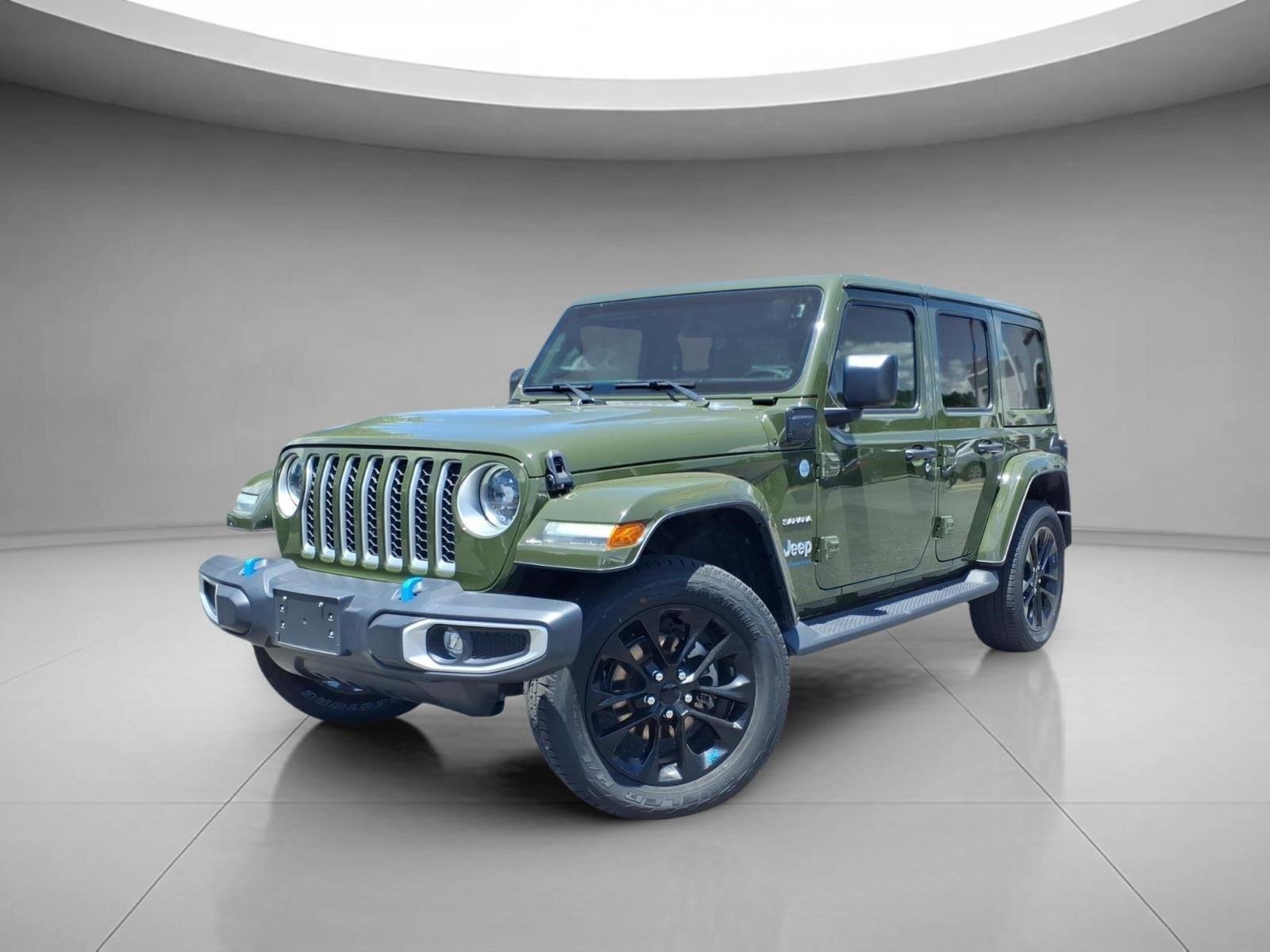
Sahara Vs. Other Wrangler Trims: Drivetrain Differences
The Jeep Wrangler lineup offers a variety of trims, each with different standard or optional drivetrain systems. Understanding these differences helps clarify the Sahara’s unique position.
- Wrangler Sport/Sport S: These trims typically come standard with the Command-Trac part-time 4WD system. This is a robust, driver-selectable system (2H, 4H, 4L) that is excellent for off-roading but requires manual engagement for 4WD. An optional locking rear differential might be available.
- Wrangler Rubicon: The Rubicon is the ultimate off-road variant. It comes standard with the Rock-Trac 4×4 system, which features a lower gear ratio (4L) for extreme crawling, electronic locking front and rear differentials, and an electronic disconnecting front sway bar. The Rubicon’s transfer case is designed for maximum articulation and control over challenging terrain. It typically operates in 2H, 4H, and 4L, with the emphasis on the low-range capability and locking differentials.
- Wrangler Sahara: As discussed, the Sahara trim is often equipped with the Selec-Trac full-time 4×4 system. This system offers the convenience of an automatic mode (4H Auto) alongside the traditional 4H Part-Time and 4L modes. This makes it more versatile for drivers who encounter varied conditions, from dry pavement to snow and light trails, without wanting to constantly shift modes.
Here’s a simplified look at the typical drivetrain differences:
| Trim Level | Standard Drivetrain System | Key Features | Primary Use Case |
|---|---|---|---|
| Sport/Sport S | Command-Trac (Part-Time 4WD) | 2H, 4H, 4L driver-selectable modes. Robust and simple. | General use, moderate off-roading. Requires driver to engage 4WD. |
| Sahara | Selec-Trac (Full-Time 4×4) | 2H, 4H Auto, 4H Part-Time, 4L. Automatic mode for on-the-fly traction. | Versatile daily driver with enhanced traction for varied conditions, including light off-roading. |
| Rubicon | Rock-Trac (Performance 4WD) | 2H, 4H, 4L, electronic locking front/rear diffs, electronic sway bar disconnect. Extreme low-range gearing. | Serious off-roading, rock crawling, and extreme terrain. |
It’s important to note that Jeep sometimes offers different packages or options, so always check the specific vehicle’s window sticker or build sheet for exact specifications. However, the Selec-Trac system is the defining drivetrain feature for the Sahara trim, positioning it as the most user-friendly and adaptable for mixed driving environments.
Benefits Of The Sahara’s Selec-trac System
The Selec-Trac full-time 4×4 system in the Jeep Wrangler Sahara offers several advantages for the average driver who still desires Jeep’s iconic capability.
Enhanced All-weather Traction
The most significant benefit is the 4H Auto mode. This feature provides peace of mind when driving in inclement weather. Whether it’s rain, sleet, or snow, the system automatically sends power to the front wheels when it detects that the rear wheels are losing grip. You don’t need to think about shifting into 4WD; the vehicle handles it for you. This makes driving in challenging conditions much safer and more comfortable. For many drivers living in areas with unpredictable winter weather, this automatic capability is a major upgrade over a traditional part-time system.
Convenience And Ease Of Use
For those who aren't seasoned off-roaders, constantly shifting between 2WD and 4WD modes can be cumbersome or even intimidating. The Selec-Trac system simplifies this.
For everyday driving, you can leave it in 2H for optimal fuel efficiency. When conditions change, you can simply switch to 4H Auto and let the vehicle manage traction.
This makes the Sahara feel more like a sophisticated SUV while retaining its Jeep DNA.
Light Off-road Capability
While the Rubicon is built for extreme rock crawling, the Sahara with Selec-Trac is more than capable for typical weekend adventures. Trails, gravel roads, sand dunes, or muddy paths are well within its capabilities, especially when using the 4H Part-Time or 4L modes when needed.
The full-time nature of the system in 4H Auto also provides a consistent level of grip on less demanding off-road terrain.
Versatility For Daily Driving And Recreation
The Sahara trim, with its Selec-Trac system, strikes a balance. It offers the comfort and features expected in a modern vehicle for daily commuting, but it also possesses the genuine Jeep capability for when adventure calls.
This makes it an excellent choice for individuals or families who want one vehicle that can handle everything from grocery runs to weekend camping trips or light trail exploration.

Real-world Performance And Considerations
When considering the Jeep Wrangler Sahara All-Wheel Drive (or more accurately, its full-time 4×4 system), it’s helpful to look at its performance in various scenarios.
On-road Performance
On paved roads, the Sahara typically offers a more comfortable ride than its more rugged siblings, thanks to slightly different suspension tuning and often larger, more road-biased tires. The Selec-Trac system, especially in 4H Auto, contributes to a feeling of stability.
When accelerating or cornering on wet surfaces, the system proactively engages the front wheels, reducing the likelihood of skidding or losing control. This makes it a very competent daily driver.
However, it's important to remember that the Wrangler, even in Sahara trim, is still a body-on-frame vehicle with a solid front axle (in most configurations). This design prioritizes off-road durability over on-road refinement.
You might still notice more road noise and a less precise steering feel compared to a unibody crossover SUV.
Off-road Performance
In off-road situations, the Sahara shines, especially with the Selec-Trac system.
- 4H Auto: This mode is excellent for fire roads, gravel paths, or moderate trails where traction might be inconsistent. It provides a constant sense of security without requiring driver input.
- 4H Part-Time: For situations like driving on a sandy beach or in deeper mud, engaging 4H Part-Time locks the front and rear driveshafts, ensuring both axles receive equal power. This is crucial for maintaining momentum in low-traction environments.
- 4L: For steep inclines, descents, or rock crawling, the 4L mode provides the necessary torque multiplication. While the Sahara doesn’t have the locking differentials of the Rubicon, its 4L mode, combined with good ground clearance and approach/departure angles, is still highly capable for many off-road enthusiasts.
Pro Tip: Even with the advanced Selec-Trac system, always use the appropriate mode for the conditions. Driving in 4H Part-Time or 4L on dry pavement can cause drivetrain binding and damage. The 4H Auto mode is generally safe for use on any surface, but for maximum fuel efficiency on dry roads, always select 2H.
Fuel Economy
As with most vehicles equipped with 4WD or AWD systems, fuel economy can be a consideration. The Wrangler Sahara, particularly when driven in 4H Auto or 4H Part-Time modes, will consume more fuel than when in 2H.
The aerodynamic profile of the Wrangler also contributes to its fuel consumption compared to more car-like SUVs.
Official EPA estimates vary depending on the engine and transmission, but generally, you can expect figures in the low to mid-20s for highway driving in 2WD. For the most up-to-date and specific fuel economy ratings, consult the official Jeep website or EPA’s fueleconomy.
gov.
Maintenance
Jeep vehicles are known for their durability, but proper maintenance is key, especially for the drivetrain components. Regular checks of the transfer case fluid, differential fluid, and driveshaft U-joints are important.
The Selec-Trac system, while sophisticated, is built on Jeep's robust 4WD architecture, meaning it's designed to withstand demanding use.