The Jeep Wrangler Rubicon is synonymous with off-road prowess, and for many enthusiasts, the desire to enhance its already formidable capabilities is a constant pursuit. Among the most popular modifications is lifting the vehicle, and a crucial aspect of this is understanding how it interacts with the stock wheels.
This combination presents a unique set of considerations, from aesthetic appeal to functional performance. Many owners ponder the ideal lift height, the implications for tire size, and whether their existing Rubicon wheels are up to the task or if they necessitate an upgrade.
Choosing the right lift kit for a Wrangler Rubicon, especially when intending to retain the factory wheels, involves balancing desire with practicality. A lift isn’t just about increasing ground clearance; it’s about optimizing suspension geometry, accommodating larger tires, and ensuring the vehicle remains stable and safe on challenging terrain.
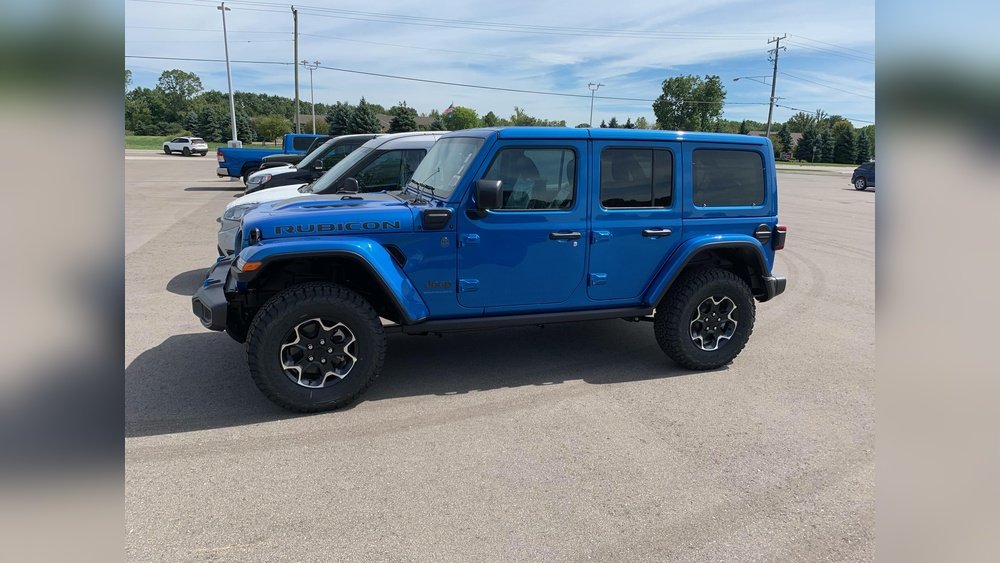
The Rubicon model, with its advanced off-road features like electronic sway bar disconnect and locking differentials, already possesses a significant advantage. However, a well-executed lift can further amplify these strengths, allowing for greater articulation and the ability to clear larger obstacles.
This guide will explore the nuances of fitting a lift kit to a Jeep Wrangler Rubicon while keeping the stock wheels, covering everything from common lift heights and their effects to the critical considerations for wheel and tire fitment.
Key Takeaways
- Stock Rubicon Wheels and Tires: Understand the limitations of factory Rubicon wheels and tires (typically 17-inch wheels with 33-inch tires) for larger lift applications.
- Lift Height Considerations: Explore common lift heights (2-inch, 3-inch, 4-inch) and their impact on tire clearance, vehicle stability, and drivability.
- Wheel Offset and Backspacing: Learn how wheel offset and backspacing affect tire clearance, especially with wider tires, and how stock Rubicon wheels perform in this regard.
- Tire Size Recommendations: Determine the maximum tire size that can be fitted with various lift heights while retaining stock Rubicon wheels, considering potential rubbing.
- Performance Implications: Analyze how a lift kit, paired with stock wheels, affects on-road handling, off-road articulation, and the need for potential component upgrades.
- Aesthetics vs. Functionality: Balance the visual appeal of a lifted Jeep with the practical requirements for off-road performance and component compatibility.

Understanding The Jeep Wrangler Rubicon’s Stock Setup
The Jeep Wrangler Rubicon is engineered from the factory with off-road capability as a primary design goal. This means its stock configuration is already quite competent for many trails. The Rubicon trim typically comes equipped with 17-inch wheels, often paired with 33-inch all-terrain or mud-terrain tires. These wheels are usually designed with a specific offset and backspacing to provide a good balance of on-road manners and off-road clearance. For instance, the stock Rubicon wheels often feature a relatively neutral or slightly positive offset, which helps keep the tires tucked in a bit more than aftermarket wheels with negative offsets. This is crucial for maintaining stability at higher speeds and reducing the likelihood of tire contact with fenders during turns.
The factory tire size, commonly 285/70R17, offers a respectable amount of ground clearance and obstacle-traversing ability. However, for the serious off-roader aiming to tackle more extreme terrain, or simply to achieve a more aggressive stance, increasing tire size is often the next logical step.
This is where the concept of lifting the vehicle comes into play. A lift kit increases the distance between the axles and the frame, allowing for larger tires to be fitted without excessive rubbing.
When considering a lift with stock wheels, it's important to remember that while the wheels themselves might be robust, their dimensions (width, diameter, offset, and backspacing) will dictate the tire sizes you can effectively run.
Understanding these factory specifications is the first step in planning any modification.
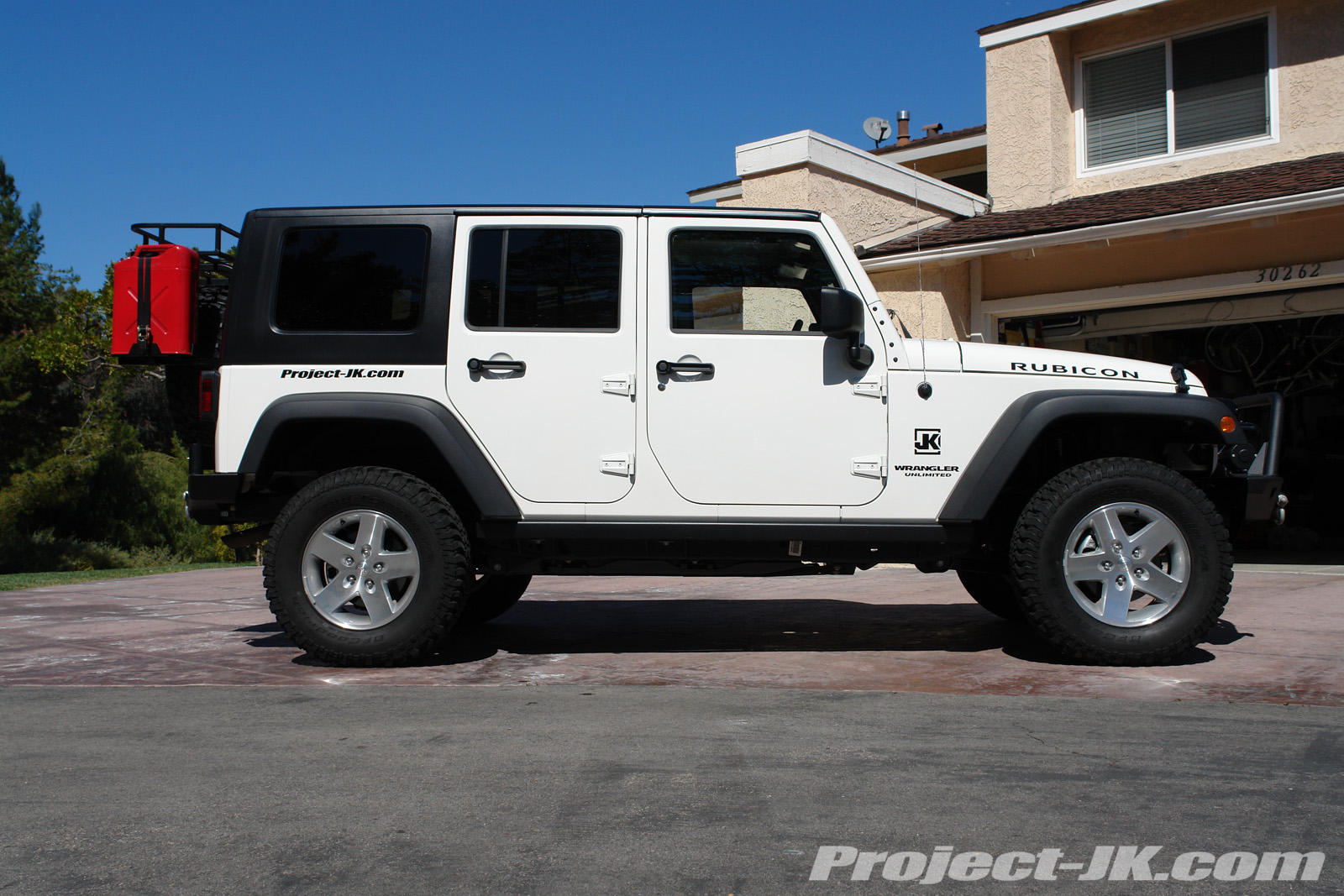
Lift Kit Options For Rubicon Stock Wheels
When deciding to lift a Jeep Wrangler Rubicon while keeping the stock wheels, the choice of lift kit becomes paramount. The goal is typically to gain enough clearance for slightly larger tires without compromising the vehicle’s drivability or requiring extensive modifications. For this specific scenario, 2-inch and 3-inch lift kits are the most common and practical choices. While 4-inch lifts are available, they often necessitate larger tires and significant adjustments to drivelines, steering components, and brake lines, which may not align with the objective of using stock wheels.
2-inch Lifts: The Balanced Approach
A 2-inch lift is often considered the sweet spot for many Wrangler owners who want a noticeable improvement in stance and tire clearance without drastically altering the vehicle’s dynamics. This height is generally sufficient to accommodate up to 35-inch tires on a Rubicon, especially with minor fender trimming or adjustments to the bumper. When paired with stock Rubicon wheels, a 2-inch lift provides a good balance. The factory wheels, with their inherent backspacing, are usually well-suited for this tire size increase, minimizing the need for wheel spacers, though some users might still opt for them for an even wider stance.
The advantages of a 2-inch lift include:
- Minimal Impact on Drivability: On-road handling is typically less affected compared to taller lifts.
- Cost-Effectiveness: Generally less expensive than larger lift kits.
- Component Compatibility: Less likely to require modifications to driveshafts, brake lines, or steering components.
- Tire Clearance: Ample room for up to 35-inch tires with stock wheels.
However, it’s important to note that even with a 2-inch lift, some rubbing might occur during aggressive articulation off-road or when making sharp turns, especially if the tires are wider than the stock ones. This is where careful selection of the tire brand and model, and sometimes a small adjustment to the steering stops, can help.
3-inch Lifts: Enhanced Capability
Stepping up to a 3-inch lift offers more significant clearance, making it easier to fit larger tires, typically up to 37 inches, with stock Rubicon wheels. This height provides a more aggressive stance and allows for greater suspension travel and articulation off-road. However, a 3-inch lift starts to introduce more complex considerations.
With a 3-inch lift and stock wheels, you’ll likely be looking at fitting 35-inch or even 37-inch tires. While the stock wheels can accommodate the diameter, their width and offset might become a limiting factor for wider 37-inch tires, potentially leading to rubbing on control arms or sway bar links. Many Jeep owners opt for wheel spacers when running larger tires with stock wheels on a 3-inch lift to push the wheels out, increasing tire-to-component clearance and improving the stance.
Key considerations for a 3-inch lift include:
- Driveline Angles: At this height, it becomes more critical to check and potentially adjust driveline angles to prevent premature wear. Some kits include transfer case drop brackets or longer driveshafts.
- Brake Lines & Steering: Longer brake lines and potentially steering stabilizer relocation brackets might be necessary.
- On-Road Manners: A noticeable change in on-road handling is more likely, requiring potential adjustments to steering geometry.
- Tire Size: Capable of fitting up to 37-inch tires, though careful consideration of tire width and wheel offset is needed.
In my experience, a 3-inch lift provides a dramatic visual upgrade and significantly enhances off-road capability, but it also opens the door to a cascade of potential supporting modifications to ensure optimal performance and longevity.
Tire Size And Fitment With Stock Rubicon Wheels
The interplay between lift height, tire size, and stock Rubicon wheels is a critical aspect of any build. While the Rubicon comes with capable 33-inch tires, many owners aim for 35s or even 37s. The stock 17-inch wheels are generally robust enough for these larger tires, but their width and backspacing (typically around 6.25 inches) play a significant role in determining what fits comfortably.
Fitting 35-inch Tires
With a 2-inch lift, fitting 35-inch tires (like a 35×12.50R17) on stock Rubicon wheels is a very popular and achievable goal. You can often achieve this without any modifications, though some minor fender liner trimming or adjusting the steering stops might be necessary to eliminate rubbing during full lock turns or on particularly aggressive off-road maneuvers. The stock width of the Rubicon wheel is generally suitable for a 12.50-inch wide tire, providing adequate sidewall support.
If you opt for a 3-inch lift, 35-inch tires will fit with even more clearance, and rubbing will be significantly reduced or eliminated entirely. In this scenario, wheel spacers are often considered for aesthetic reasons or to slightly improve clearance from suspension components, but they are not strictly necessary for basic fitment.
Fitting 37-inch Tires
Fitting 37-inch tires (like a 37×12.50R17) with stock Rubicon wheels is a more ambitious undertaking and typically requires at least a 3-inch lift, and often a 4-inch lift for optimal clearance. Even with a substantial lift, using stock wheels for 37s comes with challenges:
- Rubbing: Expect significant rubbing on fenders, sway bars, and potentially control arms without proper modifications. Fender trimming, bumper modifications, and potentially aftermarket fenders become almost essential.
- Wheel Width and Backspacing: The stock wheel’s width might be borderline for a 12.50-inch wide 37-inch tire. A wider tire on a narrower wheel can lead to a less stable bead seal and increased stress on the wheel. The stock backspacing can also cause the tire to rub on suspension components, especially the lower control arms at full articulation.
- Need for Wheel Spacers: To mitigate rubbing on suspension components and achieve a more aggressive stance, 1.5-inch to 2-inch wheel spacers are almost always recommended when fitting 37-inch tires with stock wheels.
- Driveline and Component Stress: Larger tires put significantly more stress on the axles, brakes, steering, and driveline. While the Rubicon is built tough, 37s can push its limits, especially if the vehicle is used for hard off-roading.
Data Comparison: Tire Size Vs. Lift Height With Stock Rubicon Wheels
Here’s a general guide, but remember that actual fitment can vary based on tire tread design, specific wheel offset, and driving conditions:
| Lift Height | Recommended Max Tire Size (with Stock Wheels) | Potential Rubbing (Stock Fenders/Bumpers) | Likely Need for Wheel Spacers | Likely Need for Fender Trimming/Modifications | Driveline/Component Considerations |
|---|---|---|---|---|---|
| **0-1 Inch** | 33 inches | Minor, during articulation/turns | No | No | Minimal |
| **2 Inch** | 35 inches | Minor, during full lock/articulation | Optional (for stance/clearance) | Minor (fender liner) | Minor |
| **3 Inch** | 35-37 inches | Moderate (37s), minor (35s) | Recommended (for 37s) | Moderate (37s) | Moderate |
| **4 Inch** | 37 inches+ | Minimal (37s) | Highly Recommended | Significant | Significant |
*Note: This table provides general guidelines. Tire width, tread pattern, and individual Jeep setups can influence actual fitment.*
Performance And Drivability Considerations
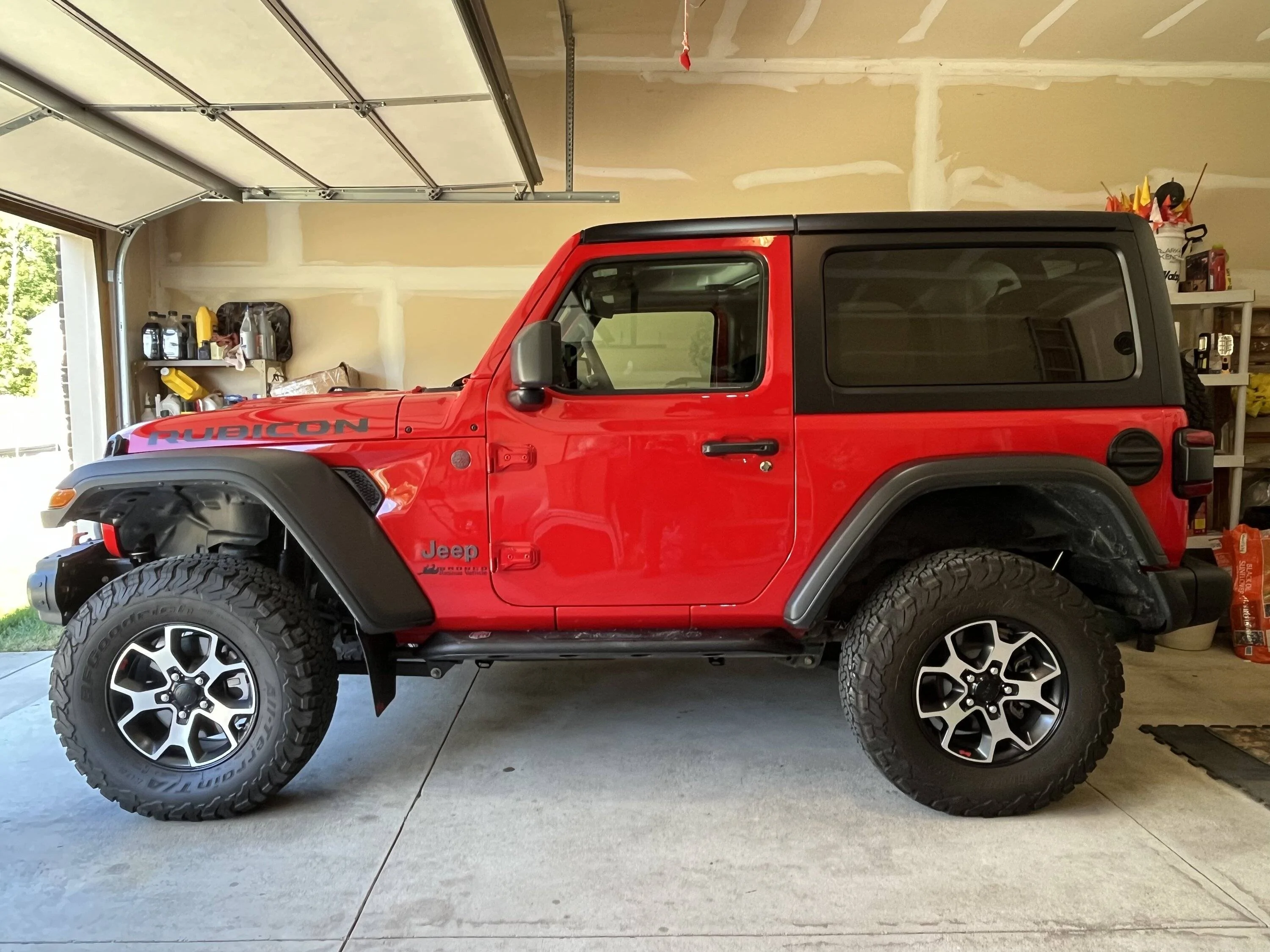
Lifting a Jeep Wrangler Rubicon, even with stock wheels, inevitably impacts its performance and drivability, both on and off the road. The extent of these changes depends heavily on the chosen lift height and the resulting tire size increase.
On-road Handling
When you increase the vehicle’s center of gravity with a lift kit, you can expect some changes to its on-road handling. A higher stance can lead to increased body roll in corners. While the Rubicon’s suspension is designed for off-road articulation, a lift can alter its on-road compliance. Steering may feel slightly less precise, and braking distances might increase due to the added mass and altered suspension geometry.
For 2-inch lifts with 35-inch tires on stock wheels, these changes are often minimal and easily adaptable for most drivers. However, with 3-inch lifts and larger tires (37s), the impact on on-road manners becomes more pronounced. Some owners opt for steering stabilizers or adjustable control arms to help restore steering feel and alignment. It’s also crucial to ensure the wheel alignment is checked and corrected after installing a lift kit, especially a taller one. A proper alignment is key to preventing premature tire wear and maintaining predictable handling. You can find more information on steering issues in our Jeep Steering Wheel Height Adjustment Broken: Fix It Now! guide.
Off-road Articulation And Clearance
The primary motivation for lifting a Rubicon is to enhance its off-road capabilities. A lift kit, by its nature, increases ground clearance, allowing the vehicle to traverse larger obstacles without scraping the undercarriage. More importantly, it allows for the fitment of larger tires, which provide a greater contact patch and better ability to conform to uneven terrain.
The Rubicon’s already impressive articulation (the ability of the suspension to flex and keep tires on the ground) can be further improved with a lift kit, especially when paired with larger tires. The electronic sway bar disconnect on the Rubicon is a significant advantage here, allowing the front axle to move more freely. With a lift and appropriately sized tires on stock wheels, the Rubicon can tackle more challenging rock crawling and trail situations.
However, it's essential to consider the limitations. Even with a lift, stock wheels have a fixed width and offset.
If you fit very wide tires, they might interfere with suspension components like control arms or sway bar links during extreme articulation, even if they clear the fenders.
This is where aftermarket wheels with different offsets or wider tires might become necessary for ultimate off-road performance.
Component Durability
Increasing tire size significantly multiplies the forces acting on the drivetrain components, including axles, U-joints, and the transfer case. While the Rubicon’s Dana axles are robust, fitting 37-inch tires, particularly with aggressive off-road use, can put them at risk of damage. The increased rotational mass of larger tires also puts more strain on the engine and transmission.
For 2-inch lifts and 35-inch tires, the stock drivetrain components are generally capable of handling the added stress, provided the driving is not excessively abusive. However, for 3-inch lifts and 37-inch tires, owners often consider upgrading axle shafts, re-gearing the differentials (e.g., from 4.10 to 4.88 or 5.13) to compensate for the larger tires’ increased rotational inertia and restore lost power and drivability, and potentially reinforcing the axles. The added weight of larger tires also puts more stress on the brakes, so ensuring your braking system is in good condition is paramount.
Aesthetics And Stance
Beyond the functional benefits, lifting a Jeep Wrangler Rubicon with stock wheels significantly alters its aesthetics and stance. The factory Rubicon already presents an imposing figure, but a lift amplifies this, giving it a more aggressive, ready-for-anything appearance.
The Visual Impact Of A Lift
A 2-inch lift provides a noticeable boost in height, filling the wheel wells more effectively and giving the Jeep a more balanced, slightly more muscular look. When paired with the stock Rubicon wheels and 35-inch tires, this setup is often considered the perfect blend of aggressive styling and practical usability. The overall proportions remain relatively cohesive, and the vehicle looks capable without appearing overly modified. This is a popular choice for owners who want a significant visual upgrade without compromising daily drivability or incurring the costs associated with more extensive modifications.
A 3-inch lift, especially when fitted with 35-inch or 37-inch tires on stock wheels (often with spacers), creates a dramatically different presence. The vehicle sits considerably higher, giving it a more imposing and purposeful stance. This is the look many enthusiasts associate with extreme off-roading. The larger tires, even on stock wheels, fill the fenders much more, emphasizing the vehicle’s capabilities. For those seeking a bold statement and a visual cue of enhanced off-road prowess, a 3-inch lift delivers.
Wheel Spacers And Stance
When using stock wheels with larger tires and a lift, wheel spacers are often employed primarily for aesthetic reasons to achieve a wider, more aggressive stance. By pushing the wheels outward, spacers create a more planted look, reducing the tucked-in appearance of the stock wheels and tires. This wider track can also offer minor benefits in terms of stability, particularly on uneven terrain.
However, it’s crucial to use high-quality wheel spacers from reputable manufacturers, properly torqued and maintained. Poorly installed or low-quality spacers can be a safety hazard. For example, Jeep Wrangler Sport 125 Wheel Spacers can enhance the look and performance of your ride. The decision to use spacers should be weighed against potential increases in stress on wheel bearings and the need for more frequent checks.
Balancing Form And Function
The challenge with using stock wheels on a lifted Jeep is balancing the desired aesthetic with functional limitations. While stock wheels are designed for specific tire sizes and offsets, pushing them beyond their intended parameters with significantly larger tires and a substantial lift can lead to compromises.
For instance, fitting 37-inch tires on stock Rubicon wheels, even with a 3-inch lift and spacers, might result in rubbing on the sway bar at full compression or require extensive fender modifications.
Ultimately, the aesthetic outcome of a lifted Rubicon with stock wheels depends on the owner’s goals. For a subtle enhancement, a 2-inch lift with 35s is often ideal. For a more aggressive, purpose-built look, a 3-inch lift with 37s and spacers can be achieved, but it requires careful planning and potentially accepting some compromises in on-road manners or component longevity. For those considering a more radical aesthetic, exploring options like Orange Rims For Jeep Wrangler might be a direction to consider, though this deviates from the stock wheel premise.
Suspension Components Beyond The Lift Kit
While a lift kit is the core component for raising a Jeep Wrangler Rubicon, achieving optimal performance, safety, and longevity, especially when retaining stock wheels and fitting larger tires, often necessitates attention to other suspension and steering components. Ignoring these can lead to poor handling, premature wear, or even component failure.
Shocks And Springs
Most basic lift kits, particularly the 2-inch variety, come with new springs and shocks designed to provide the advertised lift height and improve damping characteristics. However, for more aggressive applications or higher lifts (3-inch and above), the quality of these components becomes more critical. Upgraded shocks can offer better heat dissipation and control, especially during demanding off-road use or when carrying extra weight. Some high-end lift kits include performance shocks that can significantly improve both on-road ride quality and off-road capability. When using stock wheels, the increased tire diameter will also affect how the suspension performs, as the larger tires have more mass and inertia.
Control Arms And Track Bars
As the lift height increases, the geometry of the suspension changes. The control arms, which connect the axles to the frame, become angled differently. This altered angle can affect caster, pinion angles, and the vehicle’s tendency to wander. For lifts of 2.5 inches and above, adjustable control arms are often recommended to restore proper alignment and improve handling. Similarly, the track bars (or Panhard rods) locate the axle side-to-side. A lift can cause the axle to shift off-center, and adjustable track bars are necessary to recenter it, ensuring proper steering and preventing tire rubbing on the frame. Using stock wheels with larger tires can exacerbate any off-center axle issues if the track bars aren’t adjusted correctly.
Steering Components
With larger tires and increased suspension articulation, the stress on the steering system also increases. Components like the steering box, tie rod ends, drag link, and steering stabilizer can experience accelerated wear. For lifts of 3 inches or more, especially when fitting 35-inch or larger tires, upgrading to heavy-duty steering components is often advised. A steering stabilizer can help dampen steering wheel feedback from impacts and larger tires, making the steering feel more controlled and less susceptible to “death wobble.” Considering the potential for steering issues, understanding how to address them is vital, as highlighted in guides like Jeep Steering Wheel Height Adjustment Broken: Fix It Now!.
Brake Lines And Drivelines
When lifting a vehicle significantly, the brake lines can become stretched or even separated during full