The Jeep Wrangler Rubicon Hard Rock edition is a special version of an already legendary off-road vehicle. When Jeep introduces a special edition, especially one with "Hard Rock" in its name, it usually means they've taken an already capable machine and pushed its off-road prowess even further.
For the Wrangler Rubicon, already the pinnacle of factory-built trail capability, this means enhancing its already impressive features. This often involves upgraded wheels and tires, enhanced suspension, and unique cosmetic touches that signal its extreme off-road intent.
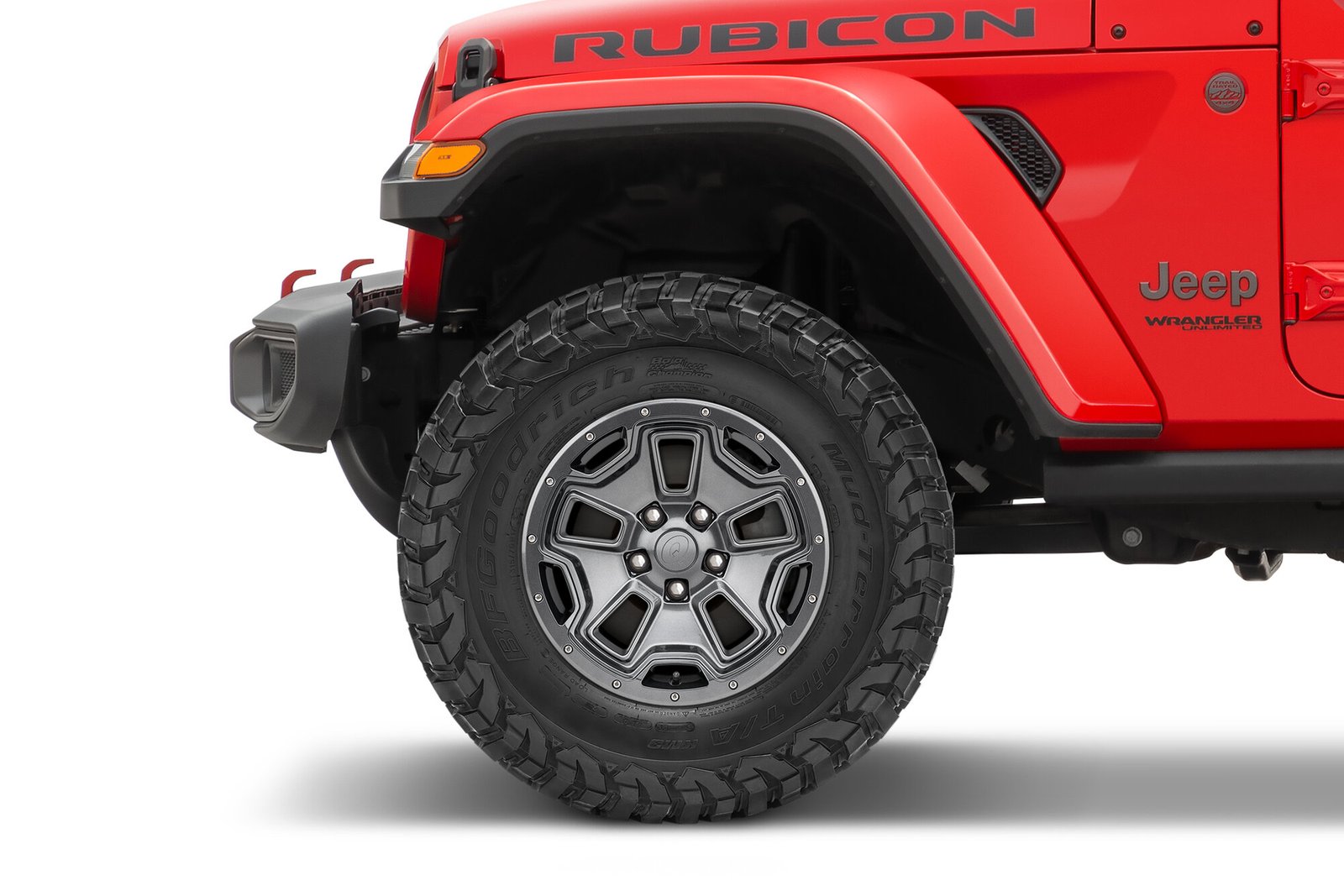
When people think about the Jeep Wrangler Rubicon Hard Rock wheels, they’re not just thinking about standard tires and rims. They’re thinking about components designed to tackle the toughest terrain imaginable. These wheels are part of a package that’s built for serious off-roading, from crawling over rocks to navigating mud and sand. Understanding these wheels means understanding the philosophy behind the Hard Rock edition itself: to provide Jeep enthusiasts with a vehicle that’s ready for adventure right off the showroom floor, with minimal need for aftermarket modifications.
This article will explore what makes the Jeep Wrangler Rubicon Hard Rock wheels special. We'll look at their design, specifications, and how they contribute to the overall performance of the vehicle.
We'll also consider why someone might choose this specific edition and what benefits these specialized wheels offer to off-roaders.
Understanding The Rubicon’s Off-road Foundation
Before diving into the specifics of the Hard Rock wheels, it’s crucial to understand the foundation they’re built upon: the Jeep Wrangler Rubicon. The Rubicon trim level has always represented the ultimate factory-built off-road package within the Wrangler lineup. It’s designed for those who demand the highest level of capability without immediately needing to hit the aftermarket for upgrades.
The Rubicon is distinguished by several key features that set it apart from other Wrangler trims:
- Dana 44 Heavy-Duty Axles: These axles are stronger and more durable than the standard Dana 30 found on other trims. They are essential for handling the stress of extreme off-roading and supporting larger tires.
- Electronic Locking Differentials: The Rubicon features front and rear electronic locking differentials. When engaged, these lock the wheels on an axle together, forcing them to spin at the same speed. This is critical for maintaining traction when one or more wheels lose grip, such as when climbing over rocks or in deep mud.
- Rock-Trac Transfer Case: This is a part-time, four-wheel-drive system with a lower crawl ratio (typically 4:1) compared to the Command-Trac system on other Wranglers. A lower crawl ratio allows the vehicle to travel slower at a given engine RPM in 4WD Low, providing more control and torque for crawling over obstacles.
- Disconnecting Front Sway Bar: This feature allows the driver to electronically disconnect the front sway bar. This increases wheel articulation (the ability of the suspension to flex and keep tires on the ground over uneven terrain), which is vital for maintaining maximum traction in extreme off-road situations.
- Higher Ground Clearance and Suspension: Rubicons typically come with a suspension designed for greater ground clearance and better articulation, often with specialized shocks.
These features combine to make the Rubicon a formidable off-road machine. The Jeep Wrangler Rubicon Hard Rock wheels are designed to complement and enhance these existing capabilities, not replace them. They are an integral part of a system built for conquering challenging trails.
The Hard Rock Edition: Enhancing The Rubicon
The Hard Rock edition, often available on specific model years of the JK Wrangler generation (and its predecessors with similar special editions), was an evolution of the Rubicon. It wasn’t a completely new platform but rather an enhancement package that added even more trail-ready features.
The goal was to offer a “Trail Rated” experience that was even more robust and visually aggressive.
Key enhancements typically found on Hard Rock editions (these can vary slightly by model year) often included:
- Upgraded Bumpers: Often featuring steel front and rear bumpers designed for better approach and departure angles, and equipped with tow hooks and winch-ready designs.
- Power Dome Hood: A more aggressive-looking hood that could provide extra clearance for modified engines or simply enhance the vehicle’s aesthetic appeal.
- Body-Colored Fender Flares: Giving the vehicle a more premium and finished look.
- Enhanced Lighting: Sometimes including LED lighting options or upgraded headlamps.
- Interior Upgrades: Special badging, unique seat materials, and other interior trim enhancements.
- And, of course, the Wheels and Tires: This is where the Jeep Wrangler Rubicon Hard Rock wheels come into play.
The Hard Rock edition was aimed at enthusiasts who wanted a Jeep that looked as capable as it performed, and was equipped with components that could handle serious abuse right out of the box. It appealed to those who might eventually upgrade their vehicle, but wanted a head start with factory-backed, high-performance parts.
Deep Dive: Jeep Wrangler Rubicon Hard Rock Wheels
The wheels on the Rubicon Hard Rock are not just about looks; they are a critical component of its off-road performance. They are designed to be strong, durable, and compatible with tires that can handle challenging terrain.
Wheel Specifications And Design
While specific wheel designs and sizes can vary slightly across model years of the Hard Rock edition, there are common characteristics:
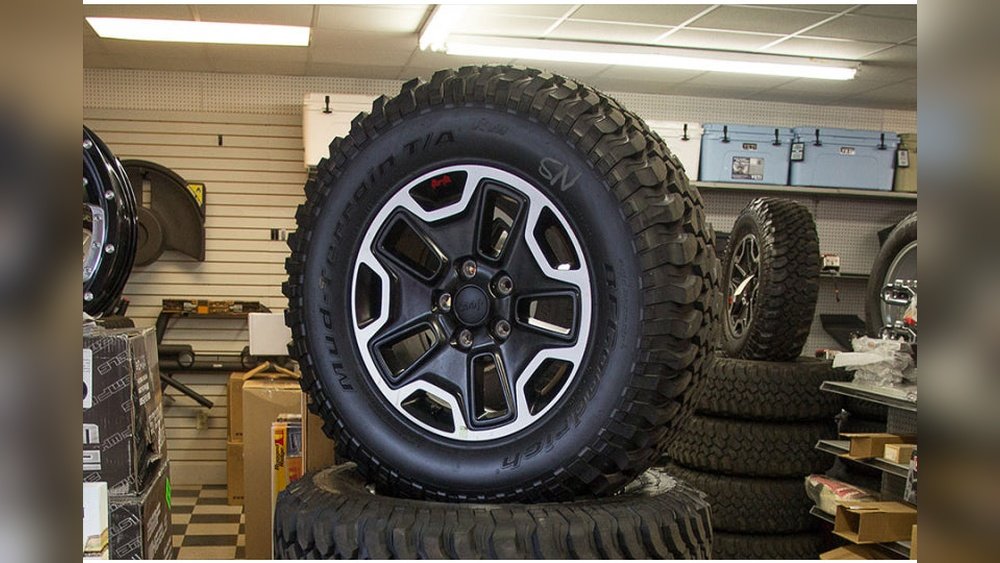
- Size: Typically, these editions came with 17-inch wheels. This size is a sweet spot for off-roading. Larger diameter wheels (like 20-inch or 22-inch) are generally less desirable for serious trail use because they require lower-profile tires, which offer less sidewall flex and are more prone to damage from impacts. A 17-inch wheel allows for a taller tire sidewall, which is crucial for airing down (reducing tire pressure) for better traction on rocks and sand, and for absorbing impacts.
- Material and Construction: The wheels are usually made from aluminum alloy. Aluminum is chosen for its strength-to-weight ratio. While steel wheels are also strong and often used in aftermarket off-road applications, aluminum is lighter, which can help reduce unsprung weight, potentially improving suspension performance and handling. The construction is robust, designed to withstand the forces encountered when hitting rocks, roots, and other trail obstacles.
- Bolt Pattern: Jeep Wranglers, including the Rubicon Hard Rock, typically use a 5×5 inch (127mm) bolt pattern. This is important for compatibility with hubs and for sourcing aftermarket wheels and tires.
- Offset and Backspacing: These terms are critical for wheel fitment and performance.
- Offset refers to the distance from the wheel’s mounting surface to the centerline of the wheel. A positive offset means the mounting surface is closer to the outside of the wheel, while a negative offset means it’s closer to the inside.
- Backspacing is the distance from the back of the wheel mounting surface to the outer lip of the wheel.
For off-roading, a wheel with a lower backspacing (or a more negative offset) is often preferred. This pushes the wheel further out from the suspension components, which can help:
- Clear larger tires: More room for wider tires without rubbing on suspension parts like control arms or brake calipers.
- Improve stability: Wider track width can enhance stability, especially on uneven terrain.
- Reduce stress on wheel bearings: Pushing the wheel out can increase leverage on the bearings, so this needs to be considered, though factory designs are engineered for this.
The Jeep Wrangler Rubicon Hard Rock wheels are typically designed with an offset that balances these factors, allowing for good tire clearance without excessively compromising bearing life or suspension geometry.
Tire Pairing
The wheels are only half of the equation; the tires are equally, if not more, important for off-road performance. The Rubicon Hard Rock editions usually came equipped with tires that matched their rugged intent.
- All-Terrain (AT) Tires: Often, these editions came with aggressive all-terrain tires. AT tires are designed to offer a good balance between on-road manners and off-road capability. They feature tougher tread blocks, deeper grooves, and often more aggressive sidewall patterns than standard highway tires, allowing them to grip better in mud, dirt, and on rocks.
- Mud-Terrain (MT) Tires: In some cases, especially on later models or specific packages, even more aggressive mud-terrain tires might have been fitted. MT tires have very large, widely spaced tread blocks designed for maximum traction in mud and loose surfaces. They are generally louder and offer a harsher ride on pavement compared to AT tires.
- Tire Size: Common tire sizes for 17-inch wheels on Rubicons, including Hard Rock editions, might be around LT285/70R17. This is a roughly 33-inch tall tire. This size offers a good compromise between ground clearance, on-road drivability, and off-road capability. It’s also a popular size for aftermarket upgrades, meaning drivers have many options if they choose to replace the stock tires.
The combination of the 17-inch wheels and appropriately sized aggressive tires provides the Jeep Wrangler Rubicon Hard Rock with a significant advantage in traction, ground clearance, and the ability to conform to uneven surfaces.
Benefits Of The Hard Rock Wheels For Off-roading
The specific design and specifications of the Jeep Wrangler Rubicon Hard Rock wheels offer several tangible benefits for off-road enthusiasts:
- Enhanced Durability: Built from strong aluminum alloy with a robust design, these wheels are engineered to withstand the impacts and stresses of serious off-road driving. This reduces the risk of bending or cracking a wheel when hitting obstacles, a common concern for off-roaders.
- Optimal Tire Compatibility: The 17-inch diameter and appropriate offset/backspacing are ideal for accommodating larger, more aggressive off-road tires. This allows drivers to achieve better ground clearance and utilize the benefits of airing down tires for increased traction and a smoother ride over rough terrain.
- Improved Trail Performance: By enabling the use of taller tires with more sidewall and supporting the vehicle’s suspension articulation, these wheels contribute directly to better traction, the ability to climb over obstacles more easily, and a more controlled experience on challenging trails.
- Aesthetic Appeal: While performance is primary, the Hard Rock wheels often feature a distinct design, sometimes with a polished or machined face and dark accents, that enhances the rugged, aggressive look of the Wrangler Rubicon. This visual cue signals the vehicle’s enhanced off-road pedigree.
- Factory Integration: As factory-equipped components, these wheels are designed to work seamlessly with the Jeep’s suspension, braking system, and electronics (like tire pressure monitoring systems). This ensures optimal performance and reliability without the guesswork often involved with mixing and matching aftermarket parts.
A Note On Aftermarket Vs. Factory
It’s important to distinguish between the Jeep Wrangler Rubicon Hard Rock wheels as factory equipment and aftermarket options. While aftermarket wheels offer vast customization, factory wheels like those on the Hard Rock edition have been rigorously tested by the manufacturer to meet specific performance and safety standards for that particular vehicle. They represent a well-engineered balance of strength, weight, and cost. For many users, especially those new to off-roading or who prefer a factory-warranted solution, the Hard Rock wheels are an excellent choice.
Technical Specifications Comparison
To better illustrate the characteristics of the Hard Rock wheels, let’s compare them to a hypothetical standard Wrangler wheel and a common aftermarket off-road wheel. This comparison highlights the specific advantages of the Hard Rock setup.
| Feature | Standard Wrangler Wheel (Example) | Jeep Wrangler Rubicon Hard Rock Wheel (Example) | Common Aftermarket Off-Road Wheel (Example) |
|---|---|---|---|
| **Diameter** | 17 inches | 17 inches | 17 inches |
| **Material** | Aluminum Alloy | Aluminum Alloy | Aluminum Alloy or Steel |
| **Bolt Pattern** | 5×5 inch (127mm) | 5×5 inch (127mm) | 5×5 inch (127mm) or others |
| **Tire Size** | 245/75R17 (~31.5″) | 285/70R17 (~33″) | 315/70R17 (~35″) or larger |
| **Offset** | +44.45mm (approx.) | +25mm to +30mm (approx.) | -12mm to 0mm (common for wider stance) |
| **Backspacing** | 6.25 inches (approx.) | 5.5 to 5.75 inches (approx.) | 4.5 to 5 inches (approx.) |
| **Load Rating** | Varies | Higher load rating, engineered for Rubicon | Often very high, designed for extreme use |
| **Durability** | Good for daily driving | Excellent for off-road | Varies greatly, often extreme |
| **Weight** | Lighter | Moderate, balanced strength/weight | Can be heavier (steel) or lighter (forged) |
*Note: Specifications for factory wheels can vary by model year and specific package. Aftermarket wheel specifications are highly variable. This table provides generalized examples.*
This comparison shows that the Jeep Wrangler Rubicon Hard Rock wheels are typically designed with a more favorable offset and backspacing for off-road use compared to standard Wrangler wheels. They are engineered to support larger tires and provide a wider stance, which is beneficial for stability and clearing obstacles. While aftermarket wheels can offer even more extreme offsets or specialized features, the Hard Rock wheels provide a factory-tuned balance of performance and practicality.
Considerations For Rubicon Hard Rock Wheel Owners
If you own a Jeep Wrangler Rubicon Hard Rock, or are considering purchasing one, understanding the wheels is key to maximizing your off-road experience.
Airing Down Tires
One of the most significant advantages of the Rubicon’s setup, including its wheels and tires, is the ability to air down your tires. Reducing tire pressure on the trail dramatically increases the tire’s contact patch with the ground. This means:
- More Traction: A larger contact patch allows the tire to conform to the shape of rocks and uneven surfaces, gripping them more effectively.
- Smoother Ride: The tire’s sidewalls become more flexible, acting as additional suspension to absorb bumps and impacts, making the ride much more comfortable over rough terrain.
- Reduced Trail Damage: By conforming to the surface, tires are less likely to spin and dig into the ground, helping to preserve trails.