Jeep Wranglers are famous for their rugged design and off-road capability. But even the toughest vehicles need regular maintenance.
One key part to watch is the radiator. If your Jeep Wrangler’s radiator fails, your engine can overheat, leading to expensive damage and even breakdowns.
Many owners try to replace the radiator themselves to save money and learn more about their vehicle. This guide will help you understand everything about Jeep Wrangler radiator replacement—from signs of failure to step-by-step instructions, costs, and common mistakes.
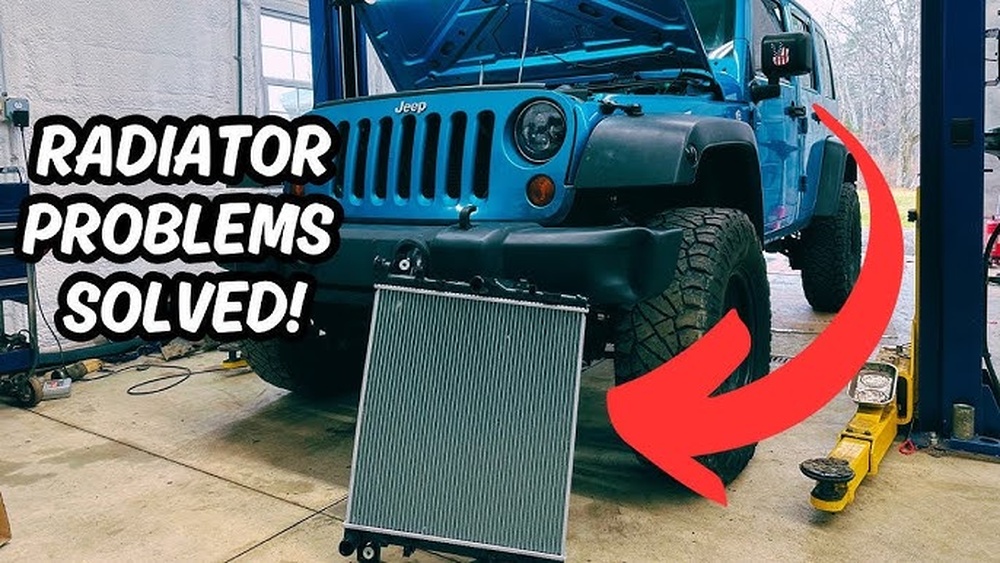
You’ll also see comparisons of aftermarket vs OEM radiators and learn how to choose the right one for your needs.
Why The Radiator Matters In A Jeep Wrangler
The radiator keeps your engine cool by circulating coolant. Without it, the engine temperature rises quickly. Jeep Wranglers, especially models used for off-roading, face extra stress and heat. A reliable radiator is essential for preventing overheating, ensuring safe driving, and protecting the engine’s life.
Some owners overlook small radiator issues because the Jeep Wrangler seems robust. But even a tiny leak or clog can lead to big problems. For example, a study by AAA found that engine overheating is one of the top causes of breakdowns in the US.
Signs Your Jeep Wrangler Radiator Needs Replacement
Spotting radiator problems early saves you from bigger trouble. Here are the main signs:
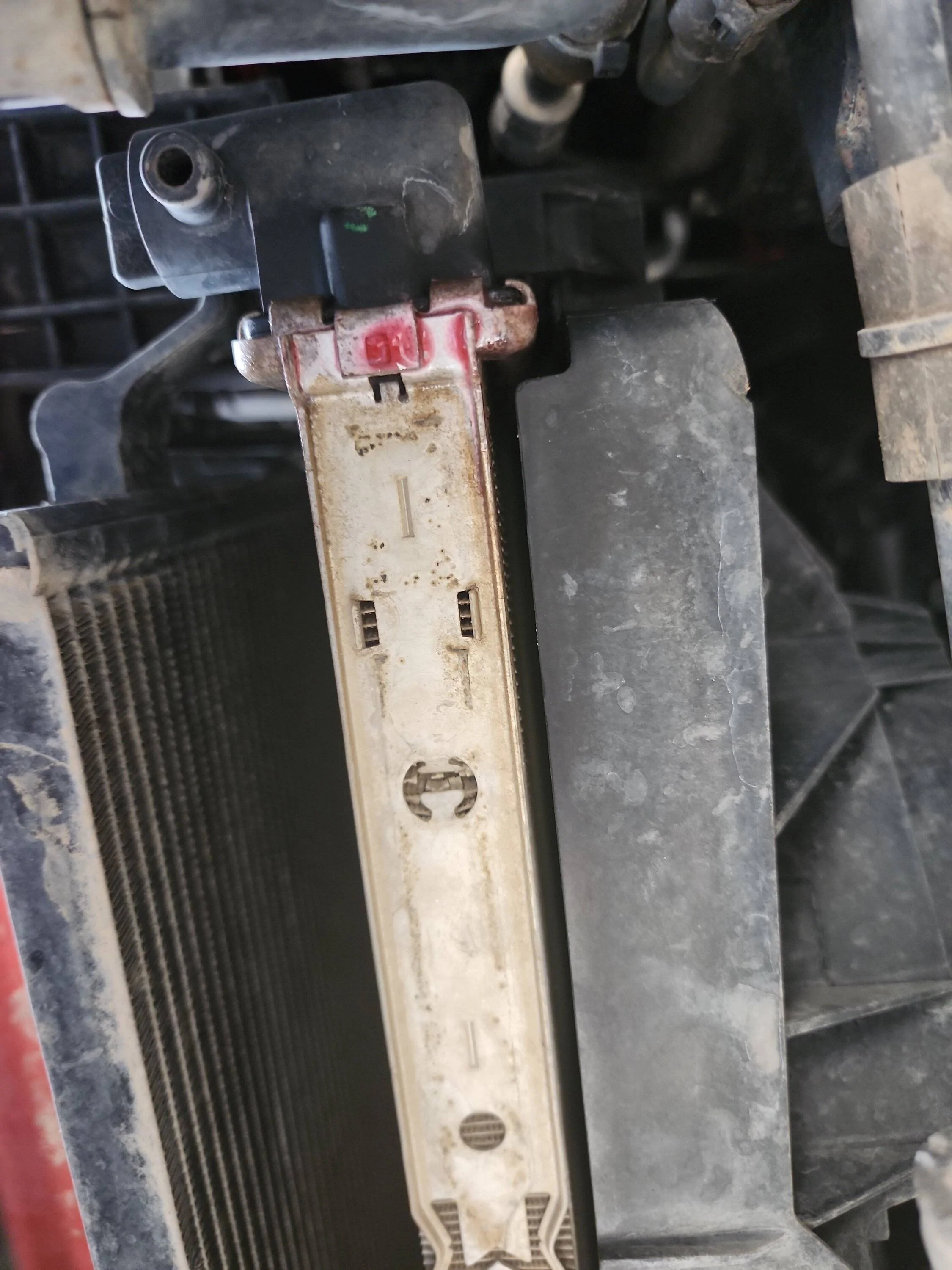
- Coolant leaks: Puddles under your Jeep, especially green or orange liquid, suggest a leak.
- Engine overheating: The temperature gauge rises above normal or the dashboard warning light turns on.
- Rust or corrosion: Visible rust on the radiator or hoses means the metal is wearing away.
- Low coolant levels: Even after refilling, the level drops quickly.
- Sludge in coolant: Brown or oily coolant hints at a failing radiator or head gasket.
Ignoring these signs can lead to engine damage. Many beginners miss the importance of regular coolant checks. It’s not enough to just look at the gauge—open the hood and check for leaks or rust.
Preparing For Radiator Replacement
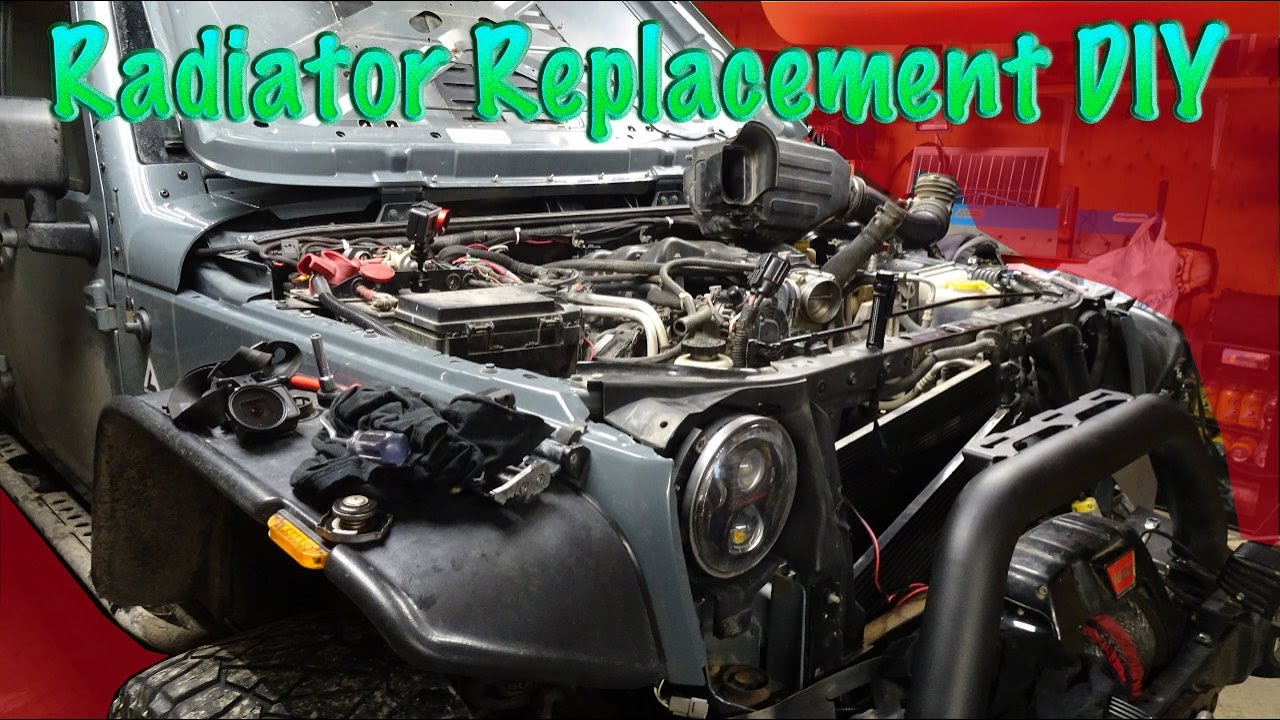
Before starting, gather the right tools and parts. Most Jeep Wrangler models use similar radiators, but always check your vehicle’s year and engine type. Here’s what you’ll need:
- New radiator (OEM or quality aftermarket)
- Screwdrivers and socket set
- Drain pan for coolant
- Pliers
- New coolant (check your owner’s manual for type)
- Hose clamps (if old ones are worn)
- Gloves and safety glasses
Many DIYers forget to buy new hose clamps or coolant, leading to delays. Always plan ahead.
Typical Jeep Wrangler Radiator Specifications
Here’s a quick comparison of radiator types for common Jeep Wrangler models:
| Model Year | Engine | Radiator Size | Common Material |
|---|---|---|---|
| 2007–2011 | 3.8L V6 | 22″ x 17″ | Aluminum |
| 2012–2018 | 3.6L V6 | 23″ x 18″ | Aluminum/Plastic |
| 2019–2026 | 2.0L Turbo / 3.6L | 24″ x 19″ | Aluminum/Plastic |
Always match the radiator size and material to your Jeep’s engine. Mistakes here are common, especially with aftermarket parts.
Step-by-step Guide: Replacing Your Jeep Wrangler Radiator
Replacing the radiator is not too hard, but careful work is important. Follow these steps:
- Let the engine cool: Never work on a hot engine. Wait at least 1 hour after driving.
- Disconnect the battery: Safety first—remove the negative cable.
- Drain the coolant: Place a drain pan under the radiator. Open the drain valve and let the coolant flow out.
- Remove radiator hoses: Use pliers to loosen hose clamps. Gently pull the hoses off.
- Unbolt the radiator: Remove mounting bolts. Some models have brackets; keep them safe.
- Lift out the old radiator: Carefully pull the radiator up and out. Avoid damaging the fan or other parts.
- Install the new radiator: Place it in position. Bolt it down securely.
- Reconnect hoses and clamps: Attach hoses firmly. Use new clamps if needed.
- Refill coolant: Pour in new coolant. Use a funnel to avoid spills.
- Reconnect battery and start engine: Let the engine run. Check for leaks and monitor the temperature.
Many beginners rush the process and skip steps. Always double-check hose connections and coolant levels before finishing.
Approximate Time And Difficulty
Replacing the radiator usually takes 2–3 hours for a beginner. The job is easier with two people, especially when lifting the radiator.
Choosing Between Oem And Aftermarket Radiators
When buying a radiator, you’ll see two main types:
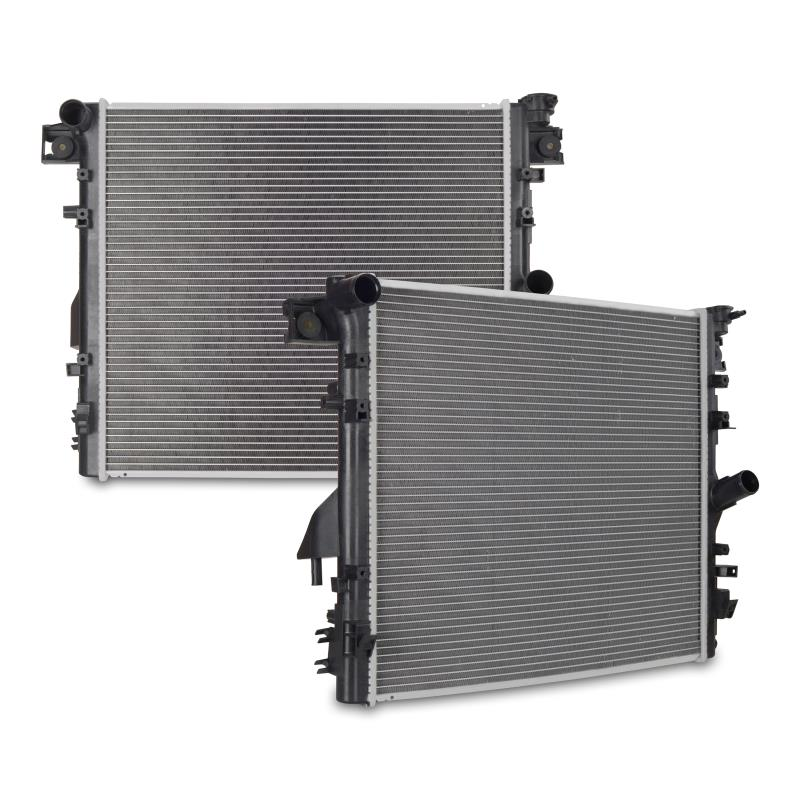
- OEM (Original Equipment Manufacturer): Made by Jeep or its supplier, fits perfectly.
- Aftermarket: Made by other companies; often cheaper and available in performance options.
Here’s a comparison to help you decide:
| Type | Price Range | Fit Quality | Warranty | Performance |
|---|---|---|---|---|
| OEM | $250–$450 | Excellent | 1–3 years | Standard |
| Aftermarket | $120–$400 | Varies | Up to 1 year | Standard or High |
OEM radiators are more reliable for daily driving. Aftermarket options can offer better cooling for off-road or high-heat conditions. Always check reviews and make sure the part fits your Jeep model.
Cost Breakdown: Jeep Wrangler Radiator Replacement
How much will you spend? Here’s a typical cost breakdown:
- Radiator: $120–$450 (depends on brand and model)
- Coolant: $20–$40
- Hose clamps: $10–$20
- Labor (if professional): $150–$300
Total DIY cost is usually $150–$500. Professional replacement ranges from $300–$800.
Some shops may charge extra for coolant flush or old part disposal. Always ask for an itemized quote.
Cost Comparison: Diy Vs Professional
| Method | Parts Cost | Labor Cost | Total Estimate |
|---|---|---|---|
| DIY | $150–$510 | $0 | $150–$510 |
| Professional | $150–$510 | $150–$300 | $300–$810 |
DIY replacement saves money, but you risk mistakes if you’re not careful. Some Jeep owners report coolant leaks after improper installation, which can cost more to fix later.
Common Mistakes And How To Avoid Them
Even experienced Jeep owners make errors. Here are frequent mistakes:
- Incorrect radiator size: Many buyers skip checking their model year, leading to installation problems.
- Skipping coolant flush: Old coolant may contain debris, causing new radiator clogs.
- Loose hose clamps: Leaks often come from poorly tightened clamps.
- Mixing coolant types: Always use the recommended coolant. Mixing brands or colors can cause chemical reactions.
- Forgetting to bleed air: After refilling, run the engine with the radiator cap off for a few minutes to remove trapped air.
Most beginners forget the importance of bleeding air from the system. Air pockets can cause overheating even with a new radiator.
Practical Tips For A Smooth Replacement
Here are some useful tips that many guides skip:
- Take photos before removing hoses and bolts. This helps with reassembly.
- Keep all removed parts in a tray or box to avoid losing small items.
- Check the radiator fan for wear while the radiator is out. It’s easier to replace now than later.
- Inspect hoses for cracks. Replacing them along with the radiator saves future trouble.
Some Jeep owners also recommend using distilled water with coolant. Tap water can cause mineral buildup, reducing radiator life.
When To Seek Professional Help
If you face these situations, consider calling a mechanic:
- You see large amounts of rust or damage around the radiator area.
- The radiator fan is broken or the electrical connections look damaged.
- You are not confident with car repairs.
Many shops offer free estimates. Some even let you bring your own parts for installation.
How To Maintain Your New Radiator
A new radiator lasts longer with proper care. Follow these steps:
- Check coolant level monthly.
- Inspect hoses and clamps every 6 months.
- Flush the coolant every 2–3 years, or as your owner’s manual suggests.
- Watch for leaks after heavy off-road trips.
A neglected radiator can fail within a year, especially if exposed to mud or debris. Regular maintenance keeps your Jeep running strong.
Frequently Asked Questions
<!– wp:rank-math/faq-block {"questions":[{"id":"faq-question-c51bdfcdda4f","title":"How Often Should I Replace My Jeep Wrangler Radiator?","content":"Most radiators last 8–10 years or about 100,000 miles. Replace sooner if you see leaks, rust, or overheating.
“,”visible”:true},{“id”:”faq-question-e6d74036744d”,”title”:”Can I Drive With A Leaking Radiator?”,”content”:”It’s risky. Even small leaks can lead to engine overheating. Stop driving and repair the radiator as soon as possible.
“,”visible”:true},{“id”:”faq-question-9389c25e5d92″,”title”:”Do I Need To Flush The Coolant When Installing A New Radiator?”,”content”:”Yes. Flushing removes old coolant and debris. It helps protect your new radiator and prevents clogs.
“,”visible”:true},{“id”:”faq-question-58f803f3bfe0″,”title”:”Is An Aftermarket Radiator Safe For Off-road Use?”,”content”:”Many aftermarket radiators are designed for high-performance and off-road use. Choose a trusted brand and check reviews for your Jeep model.
“,”visible”:true},{“id”:”faq-question-e288b13b5374″,”title”:”Where Can I Find Reliable Jeep Wrangler Radiator Parts?”,”content”:”Look for parts at official Jeep dealers or trusted online stores. For more details, visit AutoZone.
Replacing your Jeep Wrangler radiator is a practical project for most owners, but it’s important to follow the steps carefully. With the right parts, tools, and knowledge, you can save money and keep your Jeep running smoothly for years. Regular checks and maintenance will help you avoid costly breakdowns and enjoy your adventures—on or off the road.
“,”visible”:true}]} –>How Often Should I Replace My Jeep Wrangler Radiator?
Most radiators last 8–10 years or about 100,000 miles. Replace sooner if you see leaks, rust, or overheating.
Can I Drive With A Leaking Radiator?
It’s risky. Even small leaks can lead to engine overheating. Stop driving and repair the radiator as soon as possible.
Do I Need To Flush The Coolant When Installing A New Radiator?
Yes. Flushing removes old coolant and debris. It helps protect your new radiator and prevents clogs.
Is An Aftermarket Radiator Safe For Off-road Use?
Many aftermarket radiators are designed for high-performance and off-road use. Choose a trusted brand and check reviews for your Jeep model.
Where Can I Find Reliable Jeep Wrangler Radiator Parts?
Look for parts at official Jeep dealers or trusted online stores. For more details, visit AutoZone.
Replacing your Jeep Wrangler radiator is a practical project for most owners, but it’s important to follow the steps carefully. With the right parts, tools, and knowledge, you can save money and keep your Jeep running smoothly for years. Regular checks and maintenance will help you avoid costly breakdowns and enjoy your adventures—on or off the road.