Understanding Your Jeep Wrangler Power Wheels Instruction Manual
Getting a Jeep Wrangler Power Wheels for your child is an exciting moment. These ride-on toys offer hours of fun and a chance for young drivers to feel independent.
However, like any toy, especially one with moving parts and electrical components, proper use and maintenance are key to safety and longevity. This is where the Jeep Wrangler Power Wheels instruction manual becomes your most valuable tool.
It’s not just a booklet; it’s your guide to assembly, safe operation, troubleshooting, and keeping the fun going.
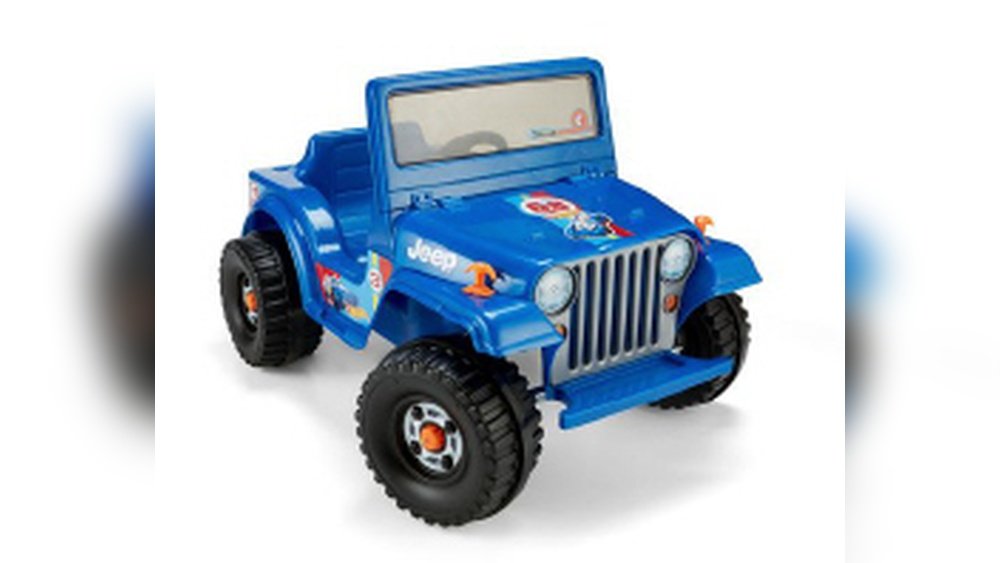
Many parents might be tempted to skip reading the manual, especially if they feel handy or have assembled similar toys before. But each Power Wheels model, including the various Jeep Wrangler versions, has specific requirements.
Understanding these details ensures your child’s safety, prevents damage to the toy, and helps you get the most out of your purchase.
This guide will walk you through the essential sections of a typical Jeep Wrangler Power Wheels instruction manual, highlighting what you need to know to make the experience smooth and enjoyable for everyone.
Assembling Your Jeep Wrangler Power Wheels
The first major hurdle for most parents is assembly. The instruction manual provides a detailed, step-by-step process designed to make this as straightforward as possible. Even if you consider yourself a DIY expert, following the manual precisely is highly recommended.
Unpacking And Identifying Parts
Before you begin, the manual will guide you through unpacking. It’s crucial to lay out all the parts and compare them against the parts list provided.
This step is vital for ensuring nothing is missing or damaged. Missing a crucial bolt or a specific gear can halt the assembly process entirely and lead to frustration.
The manual usually includes clear diagrams or photos of each part, often with corresponding part numbers. Take your time here; it’s better to identify a missing piece now than discover it halfway through assembly.
Step-by-step Assembly Guidance
The core of the assembly section involves a series of numbered steps. These steps are designed to be followed in a specific order.
- Attaching Wheels: Typically, the wheels are one of the first components to be attached. The manual will show you which wheels go where (front vs. rear) and how to secure them using the provided hardware, such as nuts, bolts, or clips.
- Connecting Electrical Components: This is a critical part. The manual will detail how to connect the battery, motor wires, and any other electrical parts. Pay close attention to polarity (positive and negative connections) as incorrect wiring can damage the toy or prevent it from working. You’ll often find color-coded wires that need to match up.
- Installing the Steering Wheel and Seat: These are usually straightforward installations, often involving simple screws or snap-in mechanisms.
- Adding Accessories: Some Jeep Wrangler models come with accessories like roll bars, windshields, or decals. The manual will show you how and where these attach.
Tools And Hardware
The manual will also list the tools required for assembly. Most Power Wheels kits come with the necessary Allen wrenches or small tools, but you might need a Phillips head screwdriver or pliers. It’s also important to note the types of screws, bolts, and washers used. The manual usually illustrates these with clear diagrams, helping you pick the correct hardware for each step. Do not overtighten screws, as this can strip the plastic.
Pro Tip: Keep all the hardware organized, perhaps in small bowls or a partitioned organizer, as you go through the steps. This prevents small pieces from getting lost and makes it easier to grab the right fastener for each step.
Understanding Safe Operation
Once assembled, the focus shifts to how your child will use the Jeep Wrangler Power Wheels safely. This section of the manual is paramount for preventing accidents and ensuring a positive experience.
Pre-ride Checks
Before each use, a quick check is essential. The manual will likely recommend:
- Battery Charge: Ensure the battery is adequately charged for the intended playtime.
- Tire Inflation: If applicable, check that tires are properly inflated.
- Loose Parts: Quickly inspect for any loose screws, wheels, or accessories.
- Brake Function: Make sure the brake mechanism (often a foot pedal that cuts power) is working correctly.
Speed And Terrain
Jeep Wrangler Power Wheels typically have a maximum speed, often controlled by a gear selector or a parent-controlled speed lock. The manual will specify the speed limits and advise on appropriate terrain.
- Suitable Surfaces: These ride-ons are generally designed for flat, smooth surfaces like driveways, sidewalks, or manicured lawns.
- Unsuitable Surfaces: Avoid steep inclines, rough terrain, gravel, sand, or near swimming pools and bodies of water. These can cause the vehicle to tip, get stuck, or damage the motor and wheels. The manual will explicitly list these warnings.
Supervision Requirements
Constant adult supervision is non-negotiable. The manual will emphasize this strongly. This means an adult must be present and actively watching the child whenever the Power Wheels is in use. Supervision is not just about preventing accidents; it’s also about guiding the child, teaching them safe driving practices, and intervening if they approach a dangerous situation.
Weight Limits And Age Recommendations
Every Power Wheels model has a specific weight limit and an age recommendation. These are not suggestions; they are safety guidelines. Exceeding the weight limit can strain the motor and drivetrain, leading to premature wear or failure. The age recommendation ensures the child has the necessary motor skills and judgment to operate the vehicle safely. Always adhere to these limits as outlined in the manual.
Battery And Charging Instructions
The battery is the heart of any Power Wheels vehicle. Proper charging and maintenance are crucial for performance and battery life.
Charging The Battery
The manual will provide detailed instructions on how to charge the battery. This typically involves:
- Connecting the Charger: Plug the charger into a standard electrical outlet and then connect it to the battery or the vehicle’s charging port.
- Charging Time: The manual will specify the recommended charging duration. This is often an overnight charge (e.g., 12-18 hours).
- Overcharging: Crucially, the manual will warn against overcharging. Leaving the battery plugged in for excessively long periods (days) can damage the battery and reduce its lifespan. Most modern chargers have an automatic shut-off, but it’s best practice to unplug it once the recommended charge time is met.
- Charging Environment: Charge the battery in a cool, dry place, away from extreme temperatures.
Battery Maintenance And Lifespan
Power Wheels batteries are typically sealed lead-acid batteries. With proper care, they can last for a significant period.
- Temperature: Avoid storing the Power Wheels or its battery in extreme heat or cold. Both can degrade battery performance and shorten its life. Ideal storage is in a garage or shed at moderate temperatures.
- Deep Discharges: Try to avoid completely draining the battery regularly. It’s better to recharge it when the vehicle starts to slow down.
- Storage: If you plan to store the Power Wheels for an extended period (e.g., over winter), fully charge the battery before storage. It’s also a good idea to recharge it every 1-2 months during storage to maintain its charge.
- Replacement: Batteries have a finite lifespan. If you notice significantly reduced run time even after a full charge, it might be time to consider a replacement battery. The manual may provide part numbers for compatible batteries.
Battery Safety Precautions
- Never use a damaged battery. If the battery casing is cracked or leaking, do not use it.
- Use only the charger provided with your Power Wheels. Using an incompatible charger can be dangerous and damage the battery.
- Keep batteries away from children when not installed in the Power Wheels.
Troubleshooting Common Issues
Even with careful use, you might encounter minor issues. The instruction manual usually includes a troubleshooting section to help you diagnose and fix common problems.
Vehicle Not Moving
This is perhaps the most common issue. The manual will guide you through several checks:
- Battery Charge: Is the battery fully charged? A low battery is the most frequent culprit.
- Connections: Check all wire connections, especially those between the battery, motor, and foot pedal switch. Ensure they are secure and properly aligned.
- Gear Selector: If your model has a gear selector, ensure it is in the correct position (e.g., Forward).
- Power Lockout: Some models have a parent-controlled speed lockout. Ensure this is not engaged if you expect higher speeds.
- Motor/Gearbox Issues: If the above checks don’t resolve the issue, there might be a problem with the motor or gearbox. The manual might offer basic guidance on checking these, but often, this requires professional repair or replacement.
Vehicle Stops After Short Use
If the Power Wheels runs for a few minutes and then stops, it often points to a battery issue:
- Battery Health: The battery might not be holding a full charge anymore.
- Overheating: In some cases, the motor might overheat and have a thermal cut-off. Allow the vehicle to cool down for 15-30 minutes and try again. If it repeatedly overheats, there might be an underlying issue with the motor or excessive strain.
Wheels Not Turning Properly
- Obstructions: Check if anything is stuck in the wheel or axle.
- Loose Components: Ensure the wheels are securely fastened and that the drive mechanism is properly connected.
- Gearbox Damage: If the wheel spins freely without engaging, or if there’s a grinding noise, the gearbox might be damaged.
Example: If your Jeep Wrangler Power Wheels suddenly stops moving, the first thing the manual will tell you to check is the battery charge. It’s a simple fix that resolves many issues.
Maintenance And Care For Longevity
To keep your Jeep Wrangler Power Wheels running smoothly for years, regular maintenance is key. The manual will provide guidelines for care that go beyond basic operation.
Cleaning The Power Wheels
Keeping the toy clean not only makes it look better but also prevents dirt and debris from affecting its moving parts.
- Exterior: Use a damp cloth to wipe down the body. For stubborn dirt, a mild soap solution can be used, but avoid harsh chemicals or abrasive cleaners that can damage the plastic finish.
- Wheels and Undercarriage: Pay attention to the wheels and the underside of the vehicle. Remove any mud, grass, or debris that might have accumulated, as this can impede wheel rotation or clog the motor.
- Drying: After cleaning, ensure the Power Wheels is thoroughly dried, especially around electrical components, before storage or further use.
Storage Recommendations
Proper storage is crucial, especially if the Power Wheels won’t be used for extended periods.
- Indoor Storage: The best place to store your Power Wheels is indoors, in a dry environment like a garage or shed, protected from the elements.
- Sun Exposure: Avoid prolonged exposure to direct sunlight, as UV rays can fade the plastic and make it brittle over time.
- Winter Storage: As mentioned earlier, fully charge the battery before storing it for the winter. Keep the Power Wheels in a temperature-controlled environment if possible.
Seasonal Checks
If the Power Wheels is used seasonally, a more thorough check before and after the season is advisable.
- Before Season: Check battery health, tire condition, and all mechanical and electrical connections. Ensure all parts are secure.
- After Season: Clean the vehicle thoroughly, check for any wear and tear that might need repair before the next use, and store it properly with a fully charged battery.
Understanding The Components And Features
Your Jeep Wrangler Power Wheels likely has several features that enhance the play experience. The manual helps you understand what each part does.
Battery And Power System
- Battery Type: Usually a 6V, 12V, or 24V rechargeable battery. The manual specifies the voltage and type.
- Charger: A dedicated charger designed for the specific battery type and voltage.
- Motor(s): Drives the wheels. Some models have one motor, while others have two for better traction and power.
- Foot Pedal/Control: The primary interface for the child to control acceleration and braking.
Drivetrain And Wheels
- Gears: Often made of plastic, these transfer power from the motor to the wheels. Gearboxes can sometimes be a point of failure if overloaded.
- Wheels: Typically made of durable plastic, sometimes with rubber traction strips. The manual may advise on tire pressure if applicable.
Safety Features
- Speed Lock: A parent-controlled feature to limit the vehicle’s speed, usually found on higher voltage models.
- Brake System: Usually a simple cut-off switch activated by releasing the foot pedal.
- Seat Belt: Some models may include a basic seat belt for added security.
Interactive Features
- Sound Effects: Many Power Wheels, especially themed ones like the Jeep Wrangler, include pre-programmed sound effects or even a connection for a music player.
- Lights: Working headlights or other lights can add to the realism.
Comparison of Common Jeep Wrangler Power Wheels Models
While specific models vary, here’s a general comparison of features you might find, illustrating how the manual helps you understand these differences.
| Feature | Basic 6V Model | 12V Model (e.g., Rubicon) | 24V Model (Higher Performance) |
|---|---|---|---|
| **Voltage** | 6 Volts | 12 Volts | 24 Volts |
| **Speed** | 1-2 mph | 2-4 mph | 3-5 mph |
| **Seating** | Typically 1 | Typically 1-2 | Typically 2 |
| **Features** | Basic lights, simple sounds | Realistic sounds, working doors, FM radio | Advanced sound system, LED lights, higher torque |
| **Recommended Age** | 2-5 years | 3-6 years | 3-7 years |
| **Weight Limit** | ~ 40-60 lbs | ~ 60-130 lbs | ~ 130-150 lbs |
| **Terrain** | Hard surfaces, very light grass | Hard surfaces, grass, slight inclines | Hard surfaces, grass, moderate inclines |
| **Manual Focus** | Basic assembly, battery charging | Speed lock, door operation, radio | High-performance battery care, advanced features |
Frequently Asked Questions
Here are some common questions about Jeep Wrangler Power Wheels, with answers that supplement



















