The Jeep Wrangler is an icon. For decades, it has been the go-to vehicle for off-road adventures and rugged individualism.
One of the many distinctive features of a Wrangler is the plastic or sometimes metal trim pieces found around the wheel wells. These are often referred to as fender flares or wheel well trim.
While they might seem like a simple aesthetic addition, these components play a crucial role in the Wrangler's functionality, protection, and overall look. Understanding their purpose, materials, and maintenance can help owners keep their Jeeps looking great and performing at their best.
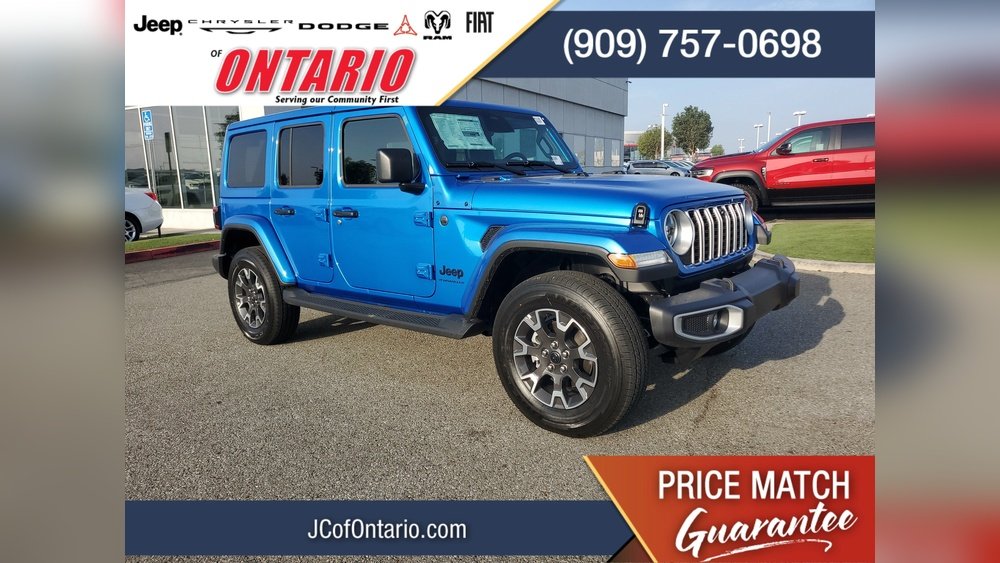
The Purpose Of Wrangler Fender Flares
Fender flares, also known as fender trim or pocket flares in some aftermarket circles, are essentially extensions of your Jeep’s fenders. They serve several important functions that go beyond just appearance.
One of the primary purposes of fender flares is to contain road debris. When you drive, especially off-road or on rough terrain, your tires kick up rocks, mud, water, and other materials. Without fender flares, these projectiles would be flung outward, potentially hitting other vehicles, pedestrians, or even damaging your own Jeep’s paintwork and body panels. The flares act as a barrier, directing this debris downward and backward, away from the sides of the vehicle. This is particularly important for maintaining visibility and safety for yourself and others on the road.
Another critical function is tire coverage. In many regions, there are legal regulations regarding how much of a tire must be covered by the fender. This is to prevent excessive spray and debris from being thrown by the tires. Stock Wrangler fender flares are designed to meet these legal requirements. If you upgrade to larger tires, you will almost certainly need to replace the stock flares with aftermarket versions that offer more coverage to remain street-legal. This is a common modification for Wrangler owners looking to enhance their vehicle’s off-road capability.
Beyond their functional benefits, fender flares also contribute significantly to the aesthetic appeal of the Jeep Wrangler. They give the vehicle a wider, more aggressive stance, emphasizing its rugged character. The design of the flares can dramatically alter the look of a Wrangler, from the subtle, factory-matched look to the bold, industrial appearance of aftermarket options. This customization aspect is a huge draw for Wrangler owners who often view their vehicles as extensions of their personality.
Finally, fender flares offer a degree of paint protection. By blocking mud, rocks, and other debris, they help prevent scratches, chips, and dents from accumulating on the body panels behind the wheels. This is especially valuable for Wranglers that are frequently used for off-roading, where exposure to harsh elements is common. Maintaining the integrity of the paintwork helps preserve the vehicle’s resale value and overall appearance.
Materials Used In Jeep Wrangler Fender Flares
Jeep Wrangler fender flares are typically made from a few different types of materials, each with its own advantages and disadvantages. The choice of material often depends on the intended use of the vehicle and the desired aesthetic.
The most common material for factory-installed fender flares is ABS plastic. This is a durable, impact-resistant thermoplastic that can withstand a good amount of abuse. ABS plastic is also relatively lightweight and can be molded into complex shapes, allowing for the sleek designs often seen on stock Wranglers. It’s also resistant to UV degradation, meaning it won’t easily fade or become brittle when exposed to sunlight. However, while durable, ABS plastic can still be scratched or cracked under extreme impact, especially in very cold temperatures when it becomes more brittle.
Another popular material, particularly for aftermarket flares, is polyurethane. Polyurethane is known for its exceptional flexibility and toughness. This makes it ideal for off-road applications where impacts from rocks and branches are common. Polyurethane flares are less likely to crack or break than ABS plastic when subjected to stress. They can often flex and return to their original shape. However, polyurethane can sometimes be more expensive than ABS and may be more prone to fading or discoloration over time if not treated with UV protectants.
Some higher-end aftermarket flares are made from TPO (Thermoplastic Olefin). TPO is a blend of plastic and rubber that offers a good balance of durability, flexibility, and UV resistance. It’s often used in automotive exterior applications due to its ability to withstand temperature fluctuations and impact. TPO flares tend to be more resistant to cracking in cold weather and fading in the sun compared to standard ABS.
For those seeking extreme durability and a rugged look, metal fender flares are also available, often made from aluminum or steel. These are typically found on heavily modified off-road rigs. Metal flares offer superior protection against impacts and can provide a very aggressive aesthetic. However, they are significantly heavier than plastic or polyurethane options, which can affect vehicle handling and fuel economy. They are also more expensive and can be prone to rust if not properly coated and maintained, especially steel.
When choosing fender flares, consider the climate you live in, how you plan to use your Wrangler, and the overall look you want to achieve. For most daily drivers, ABS or TPO flares will provide excellent service.
For serious off-roaders, polyurethane or even metal flares might be a better investment for long-term durability.
Types Of Fender Flares For The Jeep Wrangler
The aftermarket for Jeep Wrangler parts is vast, and fender flares are no exception. Owners can choose from a wide array of styles and designs to customize their vehicles.
Factory-style flares are designed to mimic the look and function of the original equipment manufacturer (OEM) flares. These are a good option if your original flares are damaged and you want to restore the stock appearance of your Wrangler. They typically offer the same level of tire coverage and are made from similar materials like ABS plastic.
Pocket-style flares are a popular aftermarket choice that gives the Wrangler a more aggressive, bolted-on look. These flares feature decorative bolts or rivets around the edge, giving them a rugged, industrial appearance. They are usually made from durable ABS plastic or TPO and provide good tire coverage, often offering more width than factory flares to accommodate larger tires.
Stubby or shorty flares are designed for maximum tire clearance and a more minimalist, off-road-focused aesthetic. As the name suggests, they are shorter than traditional flares, exposing more of the tire and suspension. This can be advantageous for extreme off-roading, allowing for greater articulation without the flares getting in the way. However, they typically offer less protection from road spray and debris, and may not be legal in all areas without additional modifications.
High-fender flares are another option that provides increased tire clearance while maintaining a more substantial look than stubby flares. These flares extend higher up the fender line, offering a unique aesthetic and improved clearance for larger tires. They are often made from durable materials like ABS or TPO.
Xtreme Duty or Armor style flares are built for ultimate protection. These are often made from thick steel or aluminum and are designed to withstand serious impacts from rocks and trail obstacles. They usually have a very bold, rugged appearance and significantly widen the stance of the Jeep. These are best suited for dedicated off-road vehicles where durability is paramount.
When selecting aftermarket flares, it’s essential to consider the width they add. Wider flares are necessary to cover larger tires and maintain legality. Measure your tire and wheel offset to ensure the flares you choose will provide adequate coverage. Also, consider the mounting method. Some flares simply clip into place, while others require drilling into the body panels. The latter generally provides a more secure fit but requires more commitment.
Installation Of Jeep Wrangler Fender Flares
Installing fender flares on a Jeep Wrangler can range from a simple DIY job to a more involved process, depending on the type of flares and your vehicle’s configuration.
For factory-style replacement flares, the installation is often straightforward. Many are designed to use the existing mounting points on the Jeep. This usually involves removing a few clips or bolts that hold the old flare in place, then snapping or bolting the new one on. You might need basic tools like a screwdriver, a trim removal tool, and possibly a socket set. It’s always a good idea to consult the manufacturer’s instructions, as some clips can be tricky to release without breaking.
Aftermarket flares, especially pocket-style or stubby types, can be a bit more involved. While some are designed for a no-drill installation using existing holes and strong adhesive tape, many require drilling into the fender or the body panels. This is where careful preparation and execution are crucial.
Here’s a general outline for flares requiring drilling:
- Gather Tools and Materials: You’ll typically need a drill, drill bits (often included or specified by the manufacturer), a socket set, screwdrivers, a measuring tape, masking tape, a marker, and potentially a file or sandpaper for smoothing drilled holes. Safety glasses are a must.
- Clean the Mounting Area: Thoroughly clean the area where the flares will be attached. This ensures good adhesion for any tapes and a clean surface for drilling.
- Position the Flare: Carefully position the flare on the fender. Use masking tape to temporarily hold it in place.
- Mark Drilling Points: With the flare held securely, use a marker to mark the exact locations where you need to drill holes through the fender and into the flare (or vice-versa, depending on the design). Double-check your measurements and alignment.
- Drill Holes: Remove the flare. Using the marked points, carefully drill the holes. Start with a smaller bit and gradually increase the size if needed. For metal surfaces, a center punch can help prevent the drill bit from wandering.
- Smooth Edges: If drilling into metal, use a file or sandpaper to smooth any sharp edges around the holes to prevent rust and ensure a clean finish.
- Install Hardware: Attach the flares using the provided hardware, such as bolts, nuts, and washers. Some flares may also use rubber gaskets or seals to prevent water intrusion.
- Final Tightening: Once all hardware is in place, tighten the bolts securely, but be careful not to overtighten, which could strip threads or crack the flare.
Pro Tip: Before drilling any holes, watch installation videos specific to your chosen fender flare model and Jeep Wrangler year. This visual guidance can save you a lot of headaches and prevent costly mistakes.
Maintenance And Care For Your Wrangler’s Fender Flares
Proper maintenance will help your Jeep Wrangler’s fender flares last longer and keep them looking their best, whether they are the original factory parts or aftermarket upgrades.
The most basic form of maintenance is regular cleaning. After off-roading, or even just driving on dusty or muddy roads, wash your flares thoroughly. Use a mild soap and water solution. Avoid abrasive cleaners or harsh chemicals, as these can damage the plastic or coating over time. A soft cloth or sponge is ideal for cleaning. Rinse thoroughly to remove all soap residue.
For plastic flares (ABS, TPO, Polyurethane), UV protection is key to preventing fading and cracking. Apply a plastic protectant or trim restorer product periodically. These products contain UV inhibitors that shield the material from the sun’s damaging rays. Many of these products also add a nice sheen, making the flares look newer. Apply these products according to the manufacturer’s instructions, usually by spraying onto an applicator pad and wiping onto the surface.
If your flares are painted to match your Jeep’s body color, treat them like you would any other painted surface. Wash them regularly and apply a coat of wax or sealant to protect the paint from UV rays and environmental contaminants. If you notice minor scratches, a polishing compound designed for automotive paint can often help buff them out.
For metal flares (steel or aluminum), rust prevention is the main concern, especially for steel. After washing, ensure the flares are dried completely. Applying a coat of wax can add a layer of protection. If you notice any surface rust starting, address it immediately. You can use a rust remover product and then reapply a protective coating or touch-up paint. Aluminum flares are generally more resistant to corrosion but can still oxidize or get scratched. A good quality aluminum polish can help maintain their shine.
Check mounting hardware periodically, especially if you frequently go off-roading. Vibrations can loosen bolts over time. Ensure all fasteners are snug to prevent the flares from rattling or becoming detached.
If your flares develop cracks or deep scratches, especially on plastic or polyurethane types, you might be able to repair them. Small cracks can sometimes be mended using specialized plastic repair kits or adhesives. However, for significant damage, replacement might be the most practical solution to maintain both the appearance and protective function of the flares.
Common Issues And Solutions
Even with proper care, Jeep Wrangler fender flares can encounter problems. Understanding these common issues and their solutions can help you address them quickly.
One frequent problem, especially with ABS plastic flares, is cracking. This can happen due to impacts from rocks, branches, or even from the plastic becoming brittle in extreme cold.
- Solution: For minor cracks, a plastic repair kit or a strong adhesive like an automotive-grade epoxy can sometimes bond the pieces back together. For larger cracks or breaks, replacement of the flare is usually necessary. If cracking is a recurring issue due to your driving conditions, consider investing in more durable polyurethane or TPO flares.
Fading and discoloration are common issues for plastic flares exposed to prolonged sunlight. The black plastic can turn a chalky gray, and textured finishes can lose their definition.
- Solution: Regular application of UV protectants and trim restorers is the best preventative measure. If the flares are already faded, products designed to restore black plastic can often bring back some of their original color and shine. For severely faded flares, replacement might be the only way to achieve a like-new appearance.
Loose flares can be annoying and potentially dangerous. This usually happens when mounting hardware loosens over time due to vibration or stress.
- Solution: Inspect all mounting bolts, nuts, and clips regularly. Tighten any loose fasteners. If clips are broken or worn, they may need to be replaced. For flares that mount with adhesive tape, the tape may need to be replaced with new automotive-grade double-sided tape.
Scratches and scuffs are almost inevitable, especially on the trail. These can detract from the appearance of your flares.
- Solution: For minor scuffs on textured plastic, a stiff brush and an all-purpose cleaner might remove superficial marks. For deeper scratches on smooth plastic or painted flares, a plastic polish or a rubbing compound for painted surfaces can sometimes help minimize their appearance. In some cases, especially on painted flares, touch-up paint might be required.
Legal compliance can become an issue if you install tires that extend beyond the coverage provided by your fender flares. This can lead to tickets and fines.
- Solution: Always ensure your fender flares provide adequate coverage for your tire size. If you upgrade to larger tires, you will likely need to purchase wider aftermarket fender flares that meet your local regulations. It’s wise to check local laws regarding tire coverage before making modifications.
Aftermarket Fender Flare Options: A Closer Look
The world of aftermarket fender flares for the Jeep Wrangler offers a staggering variety of choices,



















