The Jeep Wrangler is more than just a vehicle; it's an icon. Known for its off-road prowess, iconic design, and open-air freedom, the Wrangler offers a unique driving experience.
But like any capable machine, it requires understanding and care to perform at its best. This is where the Jeep Wrangler owner's manual becomes your essential guide.
It's not just a book of instructions; it's your key to unlocking the full potential of your Wrangler, ensuring its longevity, and keeping you safe on and off the pavement.
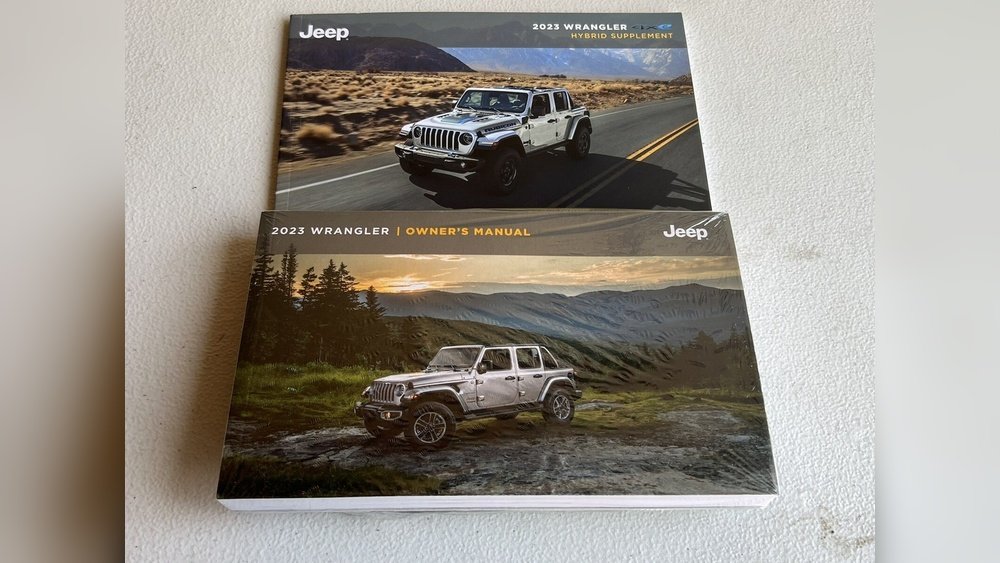
Whether you're a seasoned off-roader or new to the Jeep family, familiarizing yourself with your owner's manual is a crucial step in the ownership journey. This guide will walk you through the vital information contained within, helping you understand your vehicle better and maintain it properly.
Understanding Your Jeep Wrangler Owner’s Manual
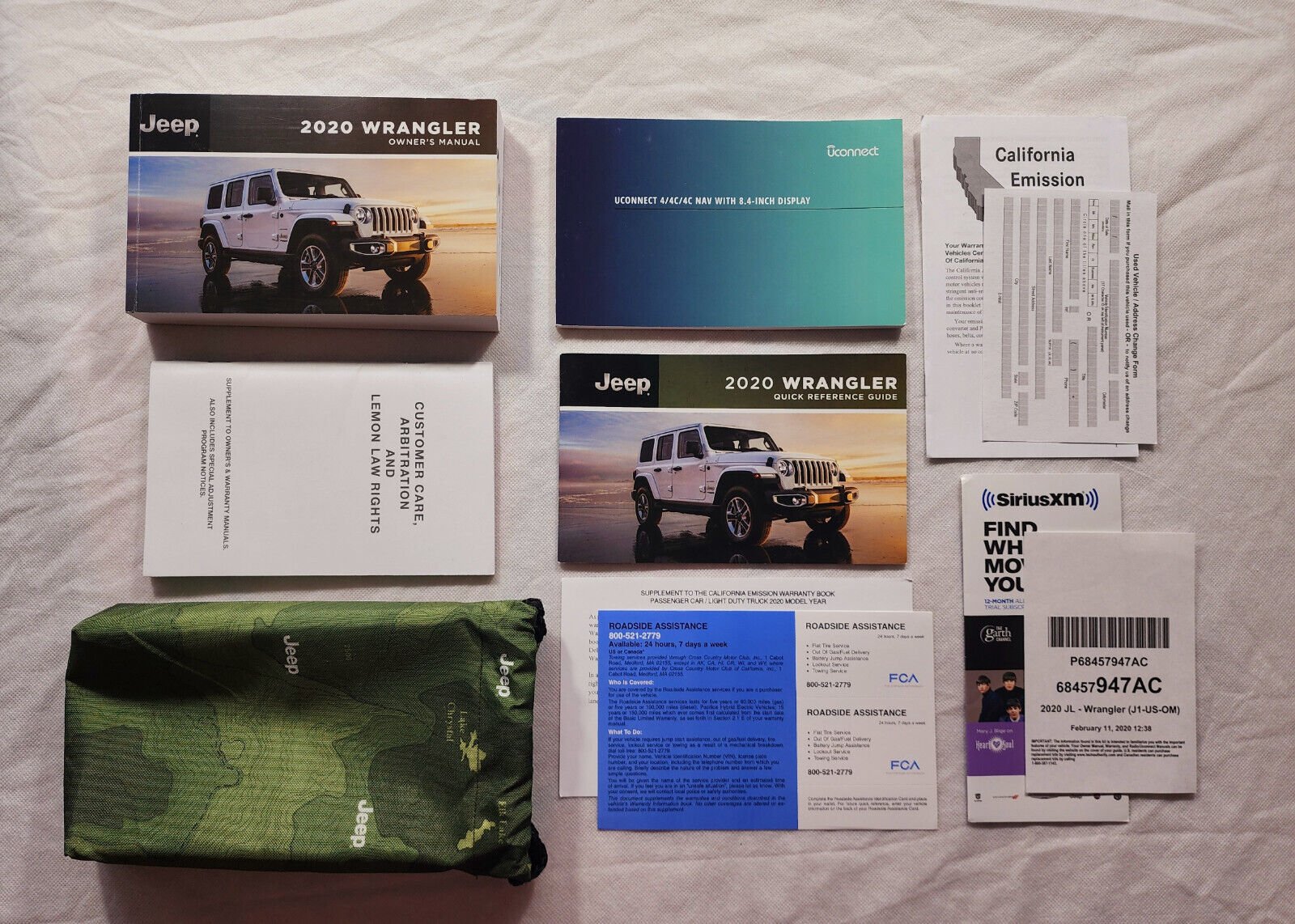
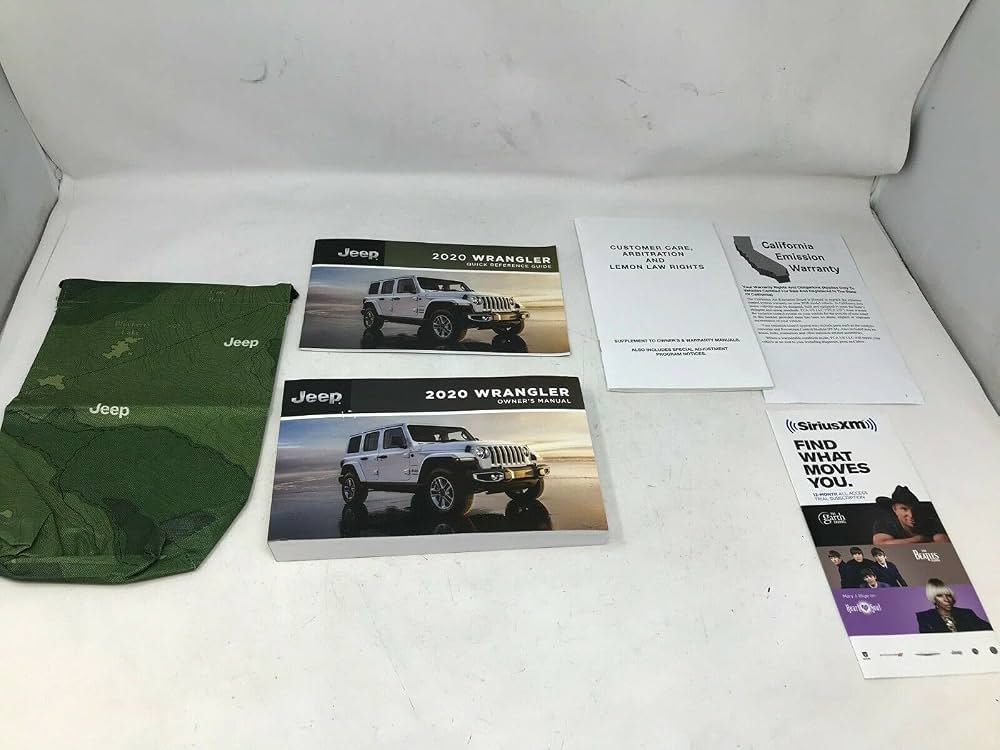
The owner’s manual is your primary resource for all things related to your specific Jeep Wrangler model and year. It’s a comprehensive document packed with critical information designed to help you operate, maintain, and troubleshoot your vehicle. Think of it as the instruction book written by the engineers who built your Jeep. It covers everything from basic operation to advanced features, safety warnings, and maintenance schedules. Neglecting this document can lead to missed maintenance, improper usage, and potentially costly repairs.
Why The Owner’s Manual Is Your Best Friend
Many people toss the owner’s manual aside, assuming they know how to drive and operate a car. However, the Wrangler is not just any car. It has unique features and systems that require specific knowledge. For instance, understanding the proper procedure for removing doors or the roof, engaging 4×4 systems, or knowing the correct fluid types for maintenance are all detailed within. The manual also contains vital safety information, including airbag system details, seat belt usage, and child restraint system requirements.
Beyond operation, the manual is your go-to for maintenance schedules. Following these recommendations is key to preventing premature wear and tear, ensuring your Wrangler remains reliable, and potentially preserving its resale value. It will tell you when to change your oil, rotate your tires, inspect various components, and what to look for during routine checks. This proactive approach to maintenance can save you a lot of money and headaches down the road.
Where To Find Your Manual
Most new Jeep Wranglers come with a physical owner’s manual in the glove compartment. However, if you’ve lost yours, or if you own a pre-owned Wrangler, don’t worry. Jeep offers digital versions of their owner’s manuals for free on their official website. You can usually find these by navigating to the “Owners” section of the Jeep website and entering your vehicle’s Year, Make, and Model. Many manuals are also available as downloadable PDFs, allowing you to keep a digital copy on your phone or computer for easy access.
Key Sections Of Your Jeep Wrangler Owner’s Manual
The owner’s manual is typically organized into logical sections, making it easier to find the information you need. While the exact layout may vary slightly between model years, the core content remains consistent.
Getting To Know Your Wrangler: Controls And Features
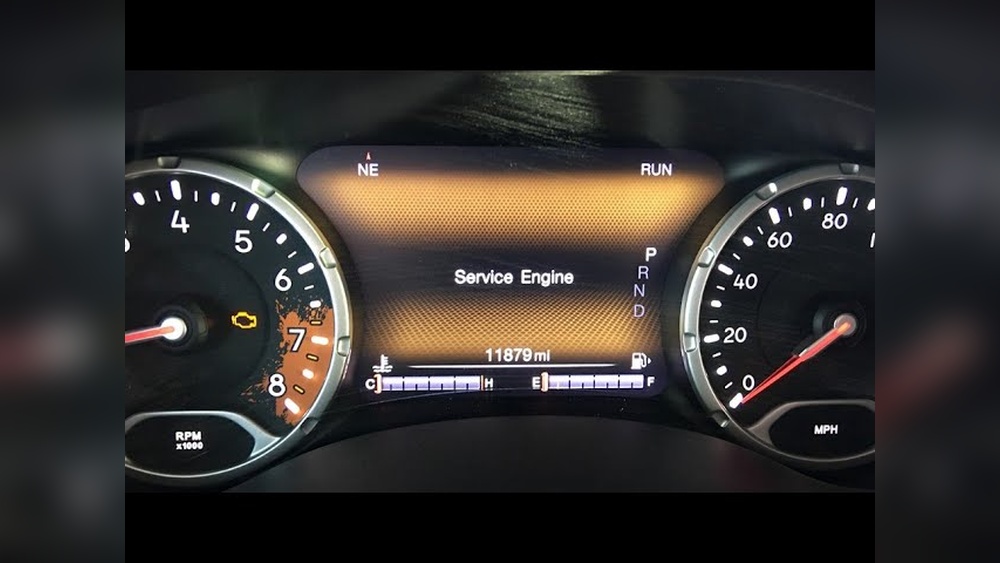
This section is your introduction to the dashboard layout, instrument cluster indicators, and all the buttons and controls within your Wrangler. You’ll learn what each symbol on your dashboard means, such as warning lights for engine trouble, low tire pressure, or ABS system issues. It also covers the operation of your infotainment system, climate controls, lighting, wipers, and power accessories.
For a vehicle like the Wrangler, this section often includes detailed instructions on operating its unique features:
- Removable Doors and Roof: The manual will guide you through the process of safely removing and storing your doors and roof panels, whether you have a soft top or a hard top. It will often include tips on where to store the hardware and how to reattach everything correctly.
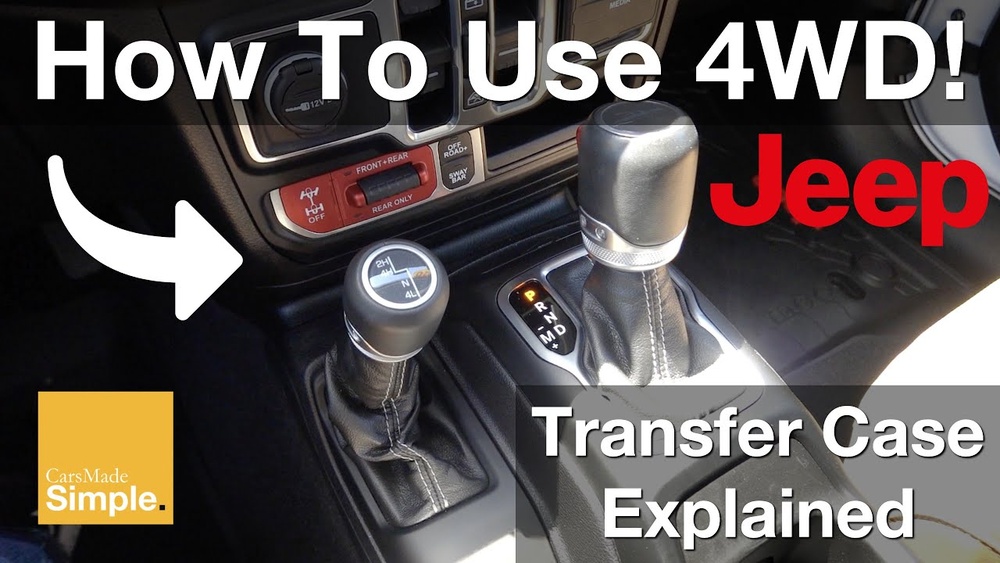
- 4×4 Systems: Understanding your Wrangler’s four-wheel-drive system is crucial, especially if you plan on off-roading. The manual explains how to engage different 4×4 modes (like 4WD High and 4WD Low), when to use each, and the limitations of each mode.
- Winch and Towing: If your Wrangler is equipped with a factory-installed winch or is set up for towing, the manual will provide specific operational and safety guidelines.
Driving Your Wrangler Safely
Safety is paramount, and this section of the manual is dedicated to ensuring you and your passengers are protected. It covers:
- Seat Belts and Airbags: Detailed information on the proper use of seat belts, including adjustments and child restraint system installation. It also explains how the airbag system works, its limitations, and what to do in case of an accident.
- Driving Tips: This can include advice on driving in various conditions, such as rain, snow, ice, or rough terrain. For the Wrangler, specific guidance on off-road driving techniques and hill descent control might be included.
- Vehicle Loading: Proper weight distribution and limits for cargo are essential for safe handling and to prevent damage to your suspension. The manual will specify maximum payload capacity and advise on how to load your vehicle safely.
Maintenance And Care: Keeping Your Wrangler Healthy
This is arguably one of the most important sections for the long-term health of your vehicle. It outlines the recommended maintenance schedule and provides instructions for basic checks and upkeep.
Scheduled Maintenance
The manual will provide a table or list detailing when specific maintenance tasks should be performed. This is usually based on mileage or time intervals, whichever comes first. Common items include:
- Oil Changes: Recommended oil type, viscosity, and change intervals.
- Fluid Checks and Replacements: Coolant, brake fluid, power steering fluid, transmission fluid, and differential fluid levels and replacement schedules.
- Tire Rotations and Inspections: Recommended intervals for tire rotation to ensure even wear and checks for tread depth and damage.
- Filter Replacements: Engine air filter, cabin air filter, and fuel filter replacement schedules.
- Brake System Inspections: Regular checks of brake pads, rotors, and fluid.
Basic Checks And Owner Maintenance
The manual also empowers you to perform simple checks yourself, which can help you catch potential issues early. These often include:
- Checking Tire Pressure: The correct tire pressure for your Wrangler is crucial for safety, fuel economy, and tire longevity. The manual will specify the recommended PSI for your vehicle.
- Checking Fluid Levels: Simple instructions on how to check the oil, coolant, and other essential fluids using the dipsticks and reservoirs.
- Inspecting Wiper Blades: How to check for wear and tear and replace them.
- Bulb Replacement: Guidance on how to replace common bulbs like headlights, taillights, and turn signals.
A crucial point often highlighted is the importance of using genuine Mopar parts or equivalent quality parts for any repairs or replacements. Using substandard parts can compromise performance and reliability.
Troubleshooting And What To Do When Something Goes Wrong
Even the most reliable vehicles can encounter issues. This section of the manual is designed to help you diagnose common problems and understand what steps to take. It often includes:
- Warning Light Explanations: Detailed explanations of what each warning light on your dashboard signifies and what action you should take.
- Common Issues: Information on how to address minor problems, such as a dead battery, a flat tire, or a minor overheating situation.
- When to Seek Professional Help: Guidance on when a problem is beyond the scope of basic owner maintenance and requires a visit to a qualified mechanic or dealership.
Specifications And Technical Data
For those who like to know the details, this section provides important technical specifications for your Wrangler. This can include:
- Engine Information: Engine type, displacement, horsepower, and torque.
- Dimensions and Weights: Vehicle dimensions, gross vehicle weight rating (GVWR), and towing capacities.
- Fluid Capacities: The exact amount of each fluid (oil, coolant, etc.) Your vehicle requires.
- Tire and Wheel Specifications: Recommended tire sizes and wheel offsets.
This data is invaluable for maintenance, repairs, and understanding your vehicle’s capabilities.
Essential Information For Wrangler Owners
Beyond the standard sections, the Wrangler owner’s manual contains specific details crucial for maximizing your ownership experience.
Tires And Wheels: More Than Just Rolling
Your Wrangler’s tires and wheels are critical for its performance, especially off-road. The manual will detail:
- Recommended Tire Sizes: The exact tire sizes your Wrangler is designed for. Using incorrect sizes can affect speedometer accuracy, handling, and safety.
- Tire Pressure Monitoring System (TPMS): How the TPMS works, what the warning light means, and how to check your tire pressure manually. Maintaining proper tire pressure is vital for safety, fuel efficiency, and tire wear.
- Wheel Torque Specifications: If you ever need to remove and reinstall your wheels (e.g., for tire rotation or changing a flat), the manual will specify the correct lug nut torque values. Over-tightening or under-tightening can lead to serious problems.
Fluids And Lubricants: The Lifeblood Of Your Jeep
Using the correct fluids is non-negotiable for the health of your Wrangler’s engine, transmission, and other systems. The manual will specify:
- Engine Oil: The API service classification, SAE viscosity grade, and capacity for your specific engine. For example, a 2026 Jeep Wrangler with the 3.6L V6 engine typically requires SAE 0W-20 synthetic oil.
- Coolant: The type of coolant (e.g., Mopar Antifreeze/Coolant HOAT) and the correct mixture ratio (usually 50/50 with distilled water).
- Brake Fluid: The specified DOT (Department of Transportation) rating for your brake fluid.
- Transmission Fluid: The specific type of automatic transmission fluid (ATF) or manual transmission fluid required.
Pro Tip: Always refer to your owner’s manual for the most up-to-date fluid specifications, as these can change slightly between model years and engine options. Using the wrong fluid can cause significant damage.
Understanding Your Wrangler’s Powertrain
The Wrangler typically offers a range of engine and transmission options, and your manual will detail the specifics for your chosen configuration.
Engine Options And Break-in Period
The manual will describe the engine(s) available for your model year and often includes a break-in period recommendation. During the initial miles (often around 500-1000 miles), it’s generally advised to avoid hard acceleration, heavy towing, and high RPMs to allow the engine components to properly seat themselves.
Transmission Types
Whether you have a manual or automatic transmission, the manual will explain its operation, any specific driving techniques recommended, and maintenance requirements. For automatic transmissions, understanding the different drive modes (P, R, N, D, L, etc.
) And how to use them effectively is covered.
Electrical System And Battery Care
The electrical system powers everything from your headlights to your infotainment system. The manual provides information on:
- Battery Specifications: The type and size of battery recommended for your Wrangler.
- Fuses and Relays: A diagram of the fuse box and identification of which fuse protects which circuit. This is invaluable for diagnosing electrical issues.
- Jump Starting: Proper procedures for jump-starting your Wrangler if the battery is dead, emphasizing safety precautions to avoid damage to the vehicle’s electronics.
Advanced Features And Customization
The Jeep Wrangler is a popular platform for customization, and the owner’s manual can provide guidance on features that enable this.
Aftermarket Modifications And Warranty
While the manual itself doesn’t typically cover aftermarket parts, it often includes information regarding warranty coverage and how modifications might affect it. It’s crucial to understand that installing non-approved aftermarket parts can sometimes void specific parts of your warranty. Always check with your dealership or refer to your warranty documentation before making significant modifications.
Understanding Your Wrangler’s Technology
Modern Wranglers are equipped with advanced technology. The manual will detail:
- Infotainment System: Operation of the Uconnect system, including Bluetooth pairing, navigation, and audio controls.
- Driver Assistance Systems: If your Wrangler is equipped with features like blind-spot monitoring, adaptive cruise control, or parking assist, the manual will explain how they work and how to use them safely.
- Off-Road Pages: Many Wranglers offer digital “Off-Road Pages” on the infotainment screen that display vital information like pitch and roll angles, drivetrain status, and more. The manual will guide you on how to access and interpret this data.
Maintenance Schedule: A Practical Guide
The maintenance schedule is your roadmap to keeping your Jeep Wrangler running smoothly for years to come. It’s a detailed list of inspections, replacements, and adjustments required at specific intervals.
Why Stick To The Schedule?
Following the manufacturer’s recommended maintenance schedule is the single most effective way to:
- Ensure Reliability: Preventative maintenance catches potential problems before they become major failures.
- Optimize Performance: Clean filters, fresh fluids, and properly adjusted components ensure your Wrangler operates at its peak.
- Maximize Fuel Efficiency: A well-maintained engine and properly inflated tires contribute to better MPG.
- Maintain Resale Value: A documented history of regular maintenance significantly boosts your vehicle’s value.
- Preserve Warranty: Many warranty claims can be denied if it’s found that required maintenance was neglected.
Sample Maintenance Intervals (illustrative)
While specific intervals vary by model year and engine, here’s a general idea of what you might find. Always consult your specific owner’s manual for the definitive schedule for your Wrangler.