If you drive a Jeep Wrangler, you know it’s built for adventure. But seeing oil leaks between the engine and transmission can quickly spoil your off-road fun.
This problem is common in Wranglers, especially older models and those with higher mileage. Oil leaks in this area can cause serious damage, lower performance, and even lead to expensive repairs.
Understanding why these leaks happen and how to fix them will help you keep your Jeep running strong.
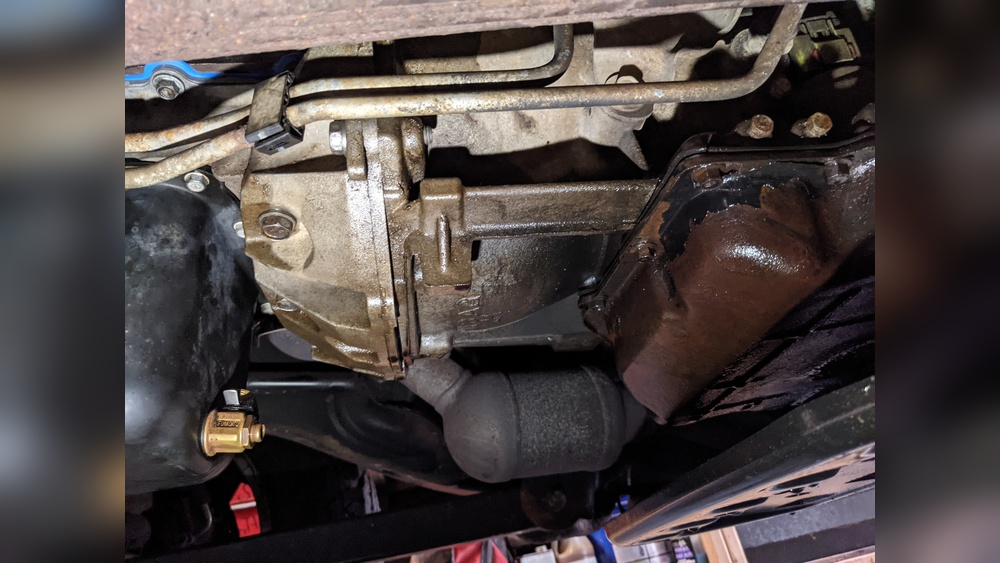
Common Causes Of Oil Leaks Between Engine And Transmission
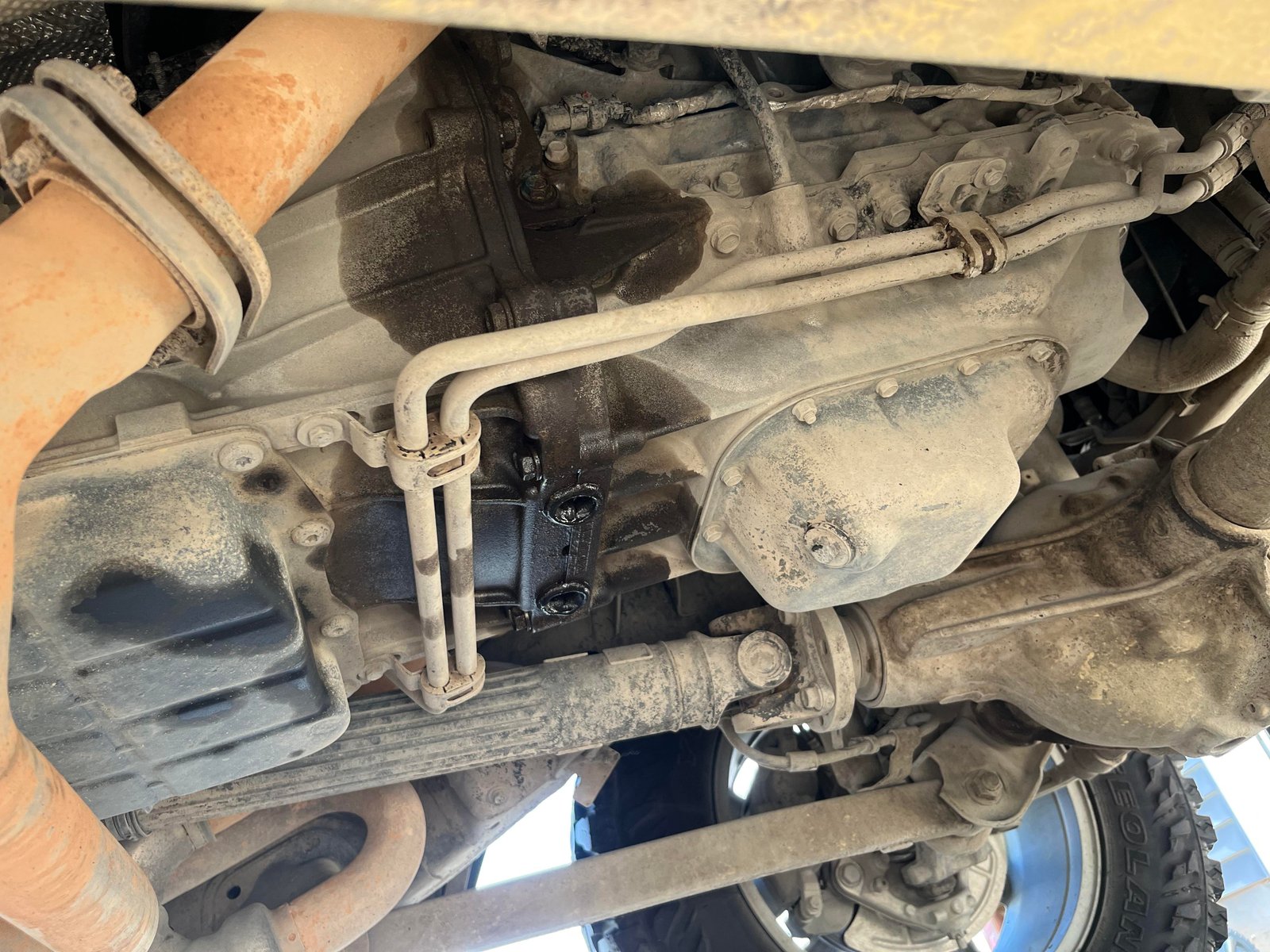
Most oil leaks between the engine and transmission happen because of worn or damaged seals. The main culprit is usually the rear main seal. This seal sits between the back of the engine and the transmission, keeping engine oil inside. When it fails, oil escapes and collects under your Jeep.
Other possible causes include:
- Oil pan gasket failure: This gasket seals the oil pan to the bottom of the engine. Over time, it can crack or shrink.
- Valve cover gasket leaks: While less common, oil can travel down the engine and appear between the engine and transmission.
- Crankshaft seal issues: The crankshaft has seals at both ends. If the rear seal leaks, oil will drip onto the transmission bell housing.
Let’s compare the most frequent sources of leaks:
| Leak Source | Location | Typical Symptoms | Repair Difficulty |
|---|---|---|---|
| Rear Main Seal | Engine/Transmission Interface | Oil pooling under Jeep, clutch slip | High (requires removing transmission) |
| Oil Pan Gasket | Bottom of Engine | Oil drips, visible on oil pan | Medium |
| Valve Cover Gasket | Top of Engine | Oil on engine, may migrate down | Low |
How To Identify An Oil Leak Between Engine And Transmission
Spotting an oil leak early can save you money. Look for these signs:
- Oil stains under your Jeep, especially below the engine and transmission.
- Low oil levels on the dipstick, even after regular top-ups.
- Burning oil smell inside the cabin, which means oil is hitting hot exhaust parts.
- Slipping clutch (in manual Wranglers), caused by oil contaminating the clutch.
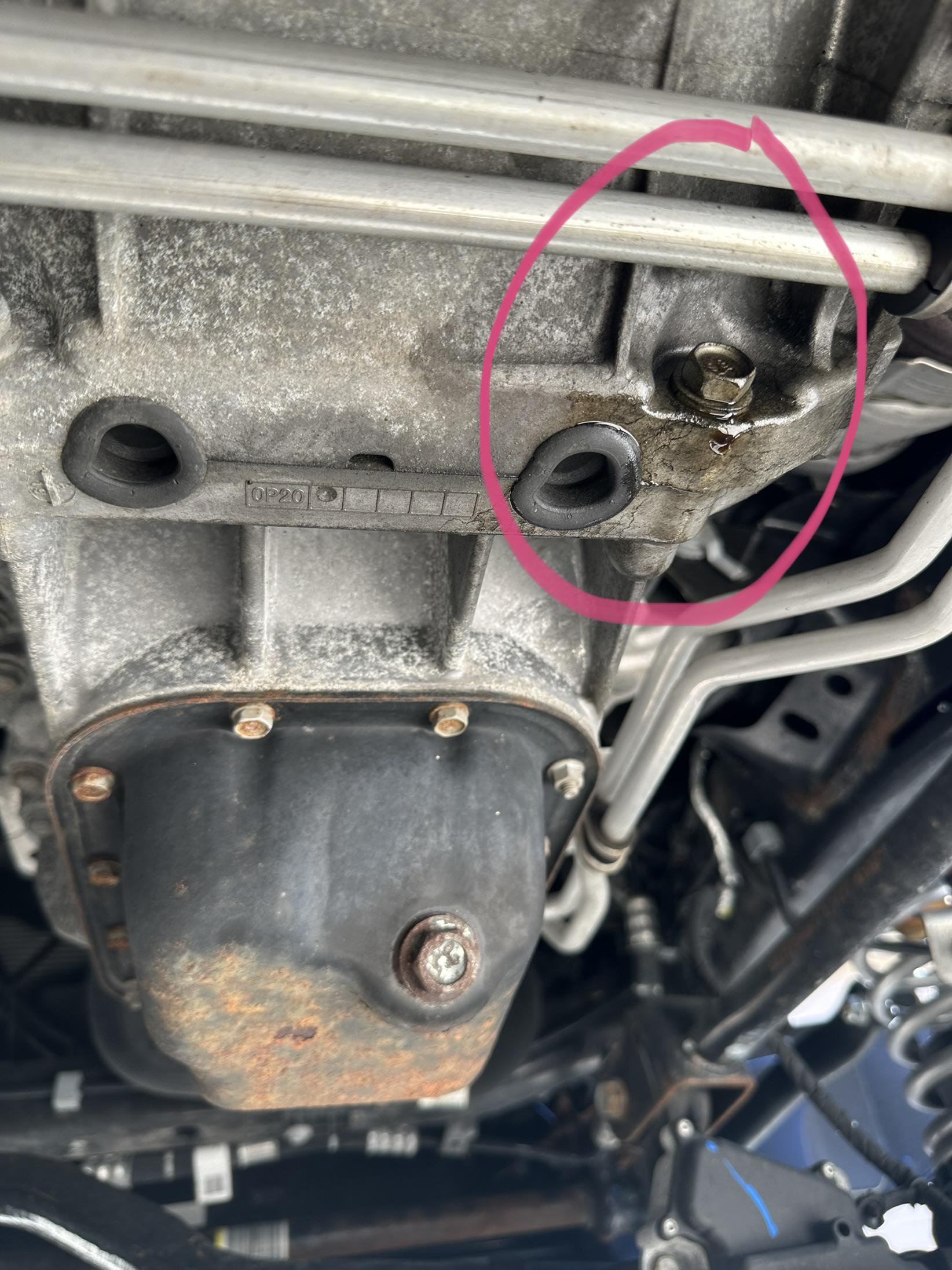
To pinpoint the source, use a flashlight and inspect the area where the engine meets the transmission. If you see fresh oil, clean it off and check again after a short drive.
This helps you confirm if the leak is active and where it’s coming from.
Here’s a quick guide to leak detection:
| Step | What to Check | Tools Needed |
|---|---|---|
| 1 | Oil level and color | Dipstick |
| 2 | Engine/transmission join | Flashlight |
| 3 | Underbody for stains | Shop towel |
| 4 | Smell in cabin | N/A |
Repair Options And Costs
Fixing oil leaks between the engine and transmission is possible, but often complex. The most common repair is rear main seal replacement. This job needs removing the transmission, which means higher labor costs.
For a Jeep Wrangler rear main seal replacement, expect to pay:
- Parts: $20–$60
- Labor: $450–$900 (varies by location and model year)
Other repairs, like oil pan gasket replacements, cost less (usually $200 $400 total). The valve cover gasket is even cheaper, often under $150.
Diy Vs Professional Repair
Some Jeep owners try DIY repairs to save money. Replacing the oil pan gasket or valve cover gasket is possible with basic tools and patience. However, the rear main seal is much harder. It requires:
- Lifting the Jeep safely
- Removing the transmission
- Carefully installing the new seal
Unless you have mechanical experience, it’s best to let a professional handle rear main seal repairs. Mistakes can cause bigger leaks or damage.
Choosing The Right Parts
Use quality parts for repairs. OEM seals and gaskets last longer and fit better.
Cheap, off-brand parts can fail quickly, leading to another leak.
Compare OEM vs Aftermarket:
| Type | Average Price | Longevity | Warranty |
|---|---|---|---|
| OEM | $40 | 5+ years | Yes |
| Aftermarket | $20 | 2–3 years | Limited |
Prevention And Maintenance Tips
Most oil leaks happen as Wranglers age. However, you can reduce the risk by:
- Changing engine oil and filter regularly
- Using recommended oil grades
- Checking for leaks during routine maintenance
- Avoiding harsh driving habits (like sudden acceleration)
Two non-obvious tips:
- Clean under the engine often. Dirt hides leaks and causes seals to degrade faster.
- Inspect transmission mounts. Loose mounts can let the engine and transmission flex, stressing seals.
If you notice small leaks, fix them quickly. Waiting can lead to bigger problems and higher costs.

When To Seek Professional Help
If you see oil dripping between the engine and transmission, don’t ignore it. Small leaks can turn into major failures. Here are signs it’s time to visit a mechanic:
- Oil puddles after short drives
- Engine oil warning lights
- Clutch slipping or transmission trouble
- Loss of power
A qualified Jeep technician can diagnose the leak and recommend the right repair. Delaying repairs can cause engine or transmission damage.
Frequently Asked Questions
What Causes Oil Leaks Between Engine And Transmission In Jeep Wranglers?
The most common cause is a worn rear main seal. Other causes include oil pan gasket failure, valve cover gasket leaks, and crankshaft seal issues.
How Serious Is An Oil Leak In This Area?
It can be very serious. Oil leaks can damage the clutch, transmission, and even the engine if not fixed quickly.
Can I Drive My Jeep Wrangler With An Oil Leak?
Short trips may be possible, but driving with a leak is risky. Oil loss can lead to engine damage or transmission failure.
How Do I Know If The Leak Is From The Rear Main Seal?
Look for oil pooling right at the engine/transmission join. Clean the area and check after driving. If the leak returns, the rear main seal is likely the problem.
Where Can I Find Reliable Repair Info For Jeep Wranglers?
You can check the official Jeep website or visit Jeep’s official page for detailed repair guides and maintenance tips.
Taking care of your Jeep Wrangler means fixing oil leaks as soon as you spot them. With the right information and quick action, you can keep your Jeep ready for every adventure.