Jeep Wrangler Oil Leak Recall: What Owners Need To Know
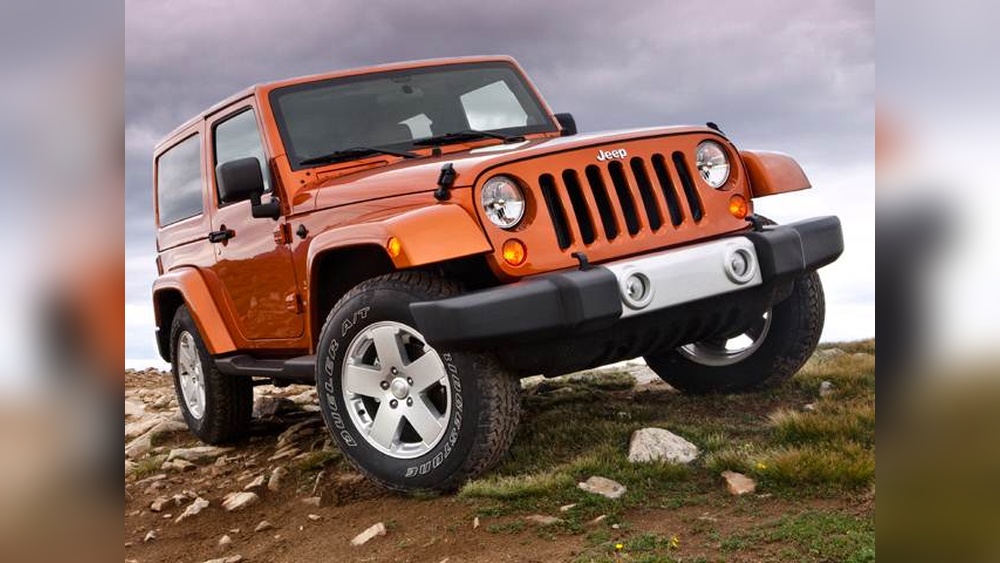
The Jeep Wrangler is famous for its rugged design and off-road abilities. Many drivers love its tough build and sense of adventure.
But even reliable vehicles can face problems. One issue that has affected thousands of Wranglers is oil leaks, which led to several official recalls.
Oil leaks are more than just a mess—they can damage the engine, cause safety risks, and lower the vehicle’s value. If you own a Wrangler or plan to buy one, understanding these recalls can save you money, stress, and even protect your safety.
This article gives you clear, useful information about the Jeep Wrangler oil leak recall. You’ll learn what caused the problem, which models are affected, how recalls work, and what to do if your vehicle is involved.
We also cover practical tips and facts most owners miss.
By the end, you’ll know exactly how to handle this issue and keep your Wrangler running strong.
Understanding The Oil Leak Issue
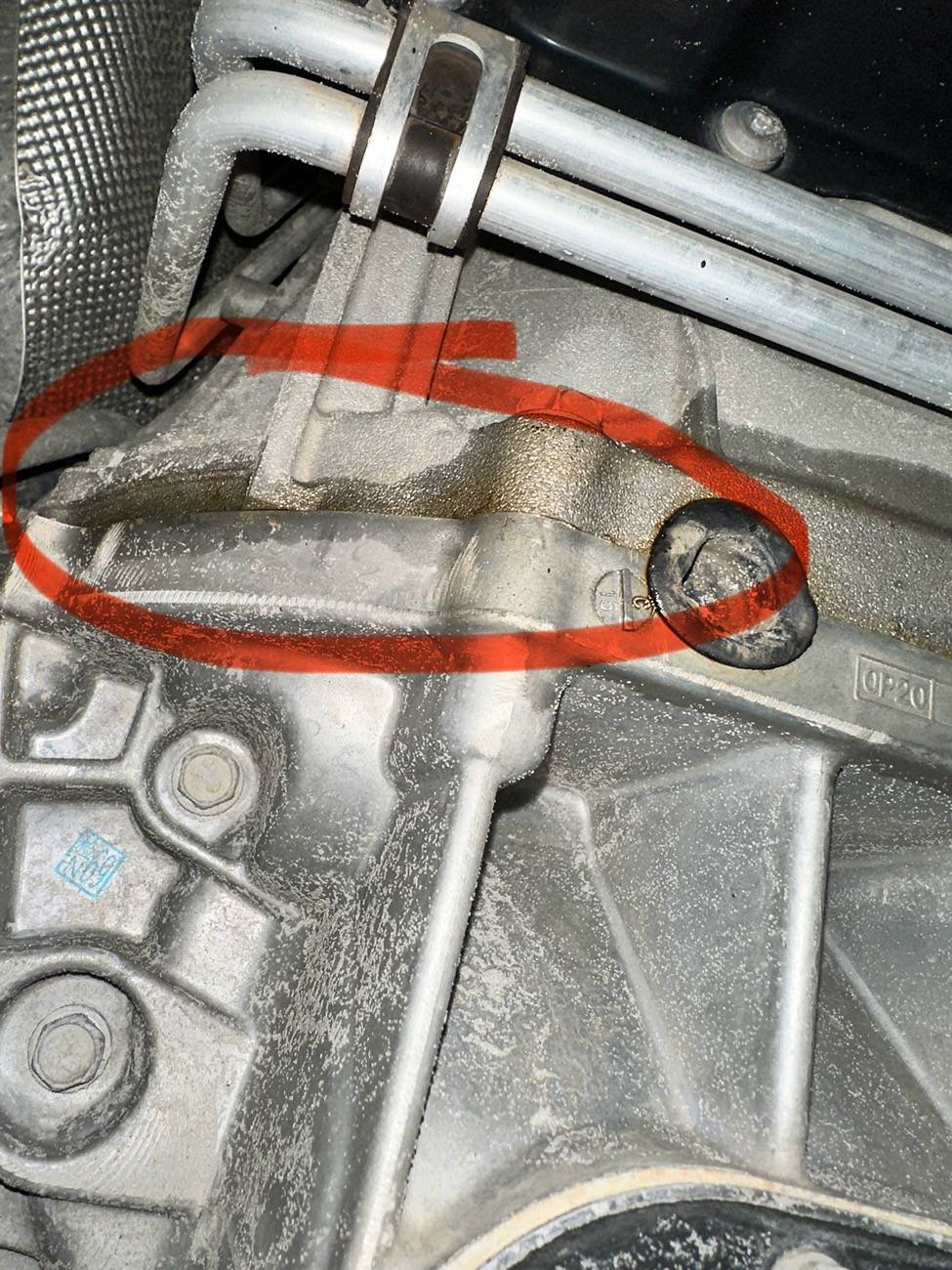
Oil leaks in the Jeep Wrangler are not just small drips under the car. They can come from several places, but recalls focus on a few main causes:
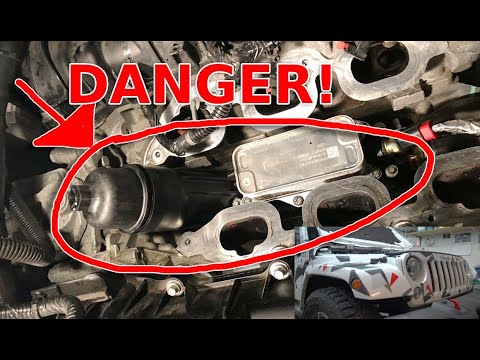
- Engine oil cooler failure: The most common recall is related to the engine oil cooler. When this part cracks or loosens, oil escapes quickly.
- Improper seals or gaskets: Sometimes, the seals used during manufacturing are faulty or installed incorrectly.
- Crankshaft seal leaks: Less common, but possible in older models.
These leaks can lead to engine damage if not fixed. Oil is needed to lubricate and cool the engine.
When oil escapes, the engine overheats, wears faster, and may even fail. In rare cases, oil dripping onto hot parts can cause fires.
Which Jeep Wrangler Models Are Affected?
Not all Wranglers are at risk. The recalls mostly target newer models, but a few older ones are involved too. Here’s a breakdown:
| Model Year | Production Dates | Recall Reference | Problem Area |
|---|---|---|---|
| 2018–2020 | Dec 2017–Aug 2020 | 19V813000 | Engine Oil Cooler |
| 2026–2026 | Jan 2026–Dec 2026 | 22V544000 | Oil Filter Adapter |
| 2014–2017 | Jan 2014–Oct 2017 | Previous Service Bulletins | Crankshaft Seal |
Most recalls affect 2018–2026 Wranglers with the 3.6L V6 engine. This engine is popular, making the recall larger. If your Wrangler falls in these years, check your VIN (Vehicle Identification Number) with Jeep or the National Highway Traffic Safety Administration (NHTSA) to see if it’s involved.

The Recall Process Explained
When Jeep finds a safety or quality problem, it follows a strict recall process:
- Issue identified: Jeep engineers or customer reports show a pattern of oil leaks.
- Investigation: Jeep and NHTSA study the problem, including tests and data review.
- Recall announcement: Jeep sends official notices to affected owners.
- Repair instructions: Jeep dealers get details on how to fix the issue.
- Owner action: Owners bring their vehicle to a dealer for free repairs.
You do not pay for recall repairs. They are covered by Jeep and required by law.
But you must schedule the repair and bring your vehicle in.
How To Check If Your Wrangler Is Recalled
Finding out if your vehicle is affected is simple:
- Visit the official Jeep recall site or NHTSA website.
- Enter your VIN (found on your dashboard or driver’s door).
- The site tells you if your vehicle has open recalls.
If your Wrangler is recalled, contact your local Jeep dealer right away. They will guide you through the next steps.
Repair Solutions And What Happens At The Dealer
When you take your Wrangler in for recall repair, the dealer follows a clear process:
- Inspection: The technician checks for oil leaks and confirms the recall applies.
- Parts replacement: Faulty oil cooler, adapter, or seals are replaced with improved parts.
- Testing: After repairs, the system is tested for leaks and proper oil pressure.
- Paperwork: You get a record of the recall repair for your files.
The fix usually takes 2–4 hours, depending on the problem. Most owners can wait at the dealership or arrange a loaner car if needed.
| Repair Step | Time Needed | Cost to Owner |
|---|---|---|
| Inspection | 30 minutes | $0 (covered) |
| Parts Replacement | 1–2 hours | $0 (covered) |
| Testing | 30 minutes | $0 (covered) |
If your vehicle has other oil leaks not covered by the recall, you might have to pay for those repairs. Always ask the dealer to explain which repairs are free and which are not.
Common Symptoms And Early Warning Signs
Many owners do not notice oil leaks until it’s too late. Look for these warning signs:
- Oil spots under your Wrangler after parking
- Burning oil smell inside or outside the vehicle
- Low oil level warning on your dashboard
- Engine noise or ticking sounds, especially when starting
- Smoke from the engine bay (rare but serious)
If you see any of these, check your oil level right away. Running your engine with low oil can cause expensive damage.
Real Owner Experiences And Data
The recall affected thousands of drivers. Data from NHTSA shows over 40,000 Wranglers involved in the largest oil leak recall. Most owners who got the repair reported satisfaction, but some faced delays due to parts shortages.
One owner shared, “I saw oil spots in my driveway. The dealer fixed it for free, but I had to wait two weeks for the part.
” Another said, “My engine started making noise. I checked my oil and it was almost empty.
The recall saved my Jeep. ”
Many owners missed the recall notice because their address changed or they bought a used Wrangler. Always update your contact info with Jeep if you move or buy a secondhand vehicle.
How Oil Leaks Impact Safety And Value
Oil leaks can cause more than mechanical problems. Here’s how they affect you:
- Safety risk: Oil on hot surfaces can catch fire. Rare, but possible.
- Engine damage: Running with low oil increases wear and can destroy the engine.
- Lower resale value: A Wrangler with oil leak history may sell for less.
- Environmental harm: Oil leaks pollute soil and water.
If you fix the recall quickly, you protect your safety and your investment. Delaying repair can cost thousands in damage and make your vehicle less attractive to buyers.
What To Do If You Bought A Used Wrangler
Many buyers worry about recalls when buying used cars. Here’s what you should do:
- Check recall status: Use the VIN to see if recalls are open.
- Ask for repair records: Dealers should provide documents showing recall repairs.
- Inspect for leaks: Look under the car and around the engine for oil spots.
- Negotiate price: If the recall is not done, ask for a discount or have the dealer fix it before you buy.
Buying a used Wrangler with a completed recall is safe. If the recall is open, repairs are still free—just schedule them with a Jeep dealer.
Two Insights Most Owners Miss
- Oil leaks can start slowly: Many leaks begin as small drips, not big puddles. By the time you notice, the leak may have worsened. Check your oil level often, especially if your Wrangler is in the affected years.
- Recall repairs improve resale value: Having proof that recall repairs were done makes your Wrangler more valuable. Buyers trust vehicles with proper maintenance records.
Tips For Preventing Oil Leaks After Repair
Even after recall repairs, you can protect your engine:
- Check your oil level monthly
- Use the correct oil type recommended by Jeep
- Avoid harsh driving (off-roading can loosen parts if not checked)
- Schedule regular maintenance and inspections
- Ask your dealer about improved parts if you notice repeat leaks
Wrangler engines are tough, but regular care keeps them running smoothly.
Comparison: Wrangler Recall Vs Other Suvs
Jeep is not the only brand facing oil leak recalls. Here’s how Wrangler compares:
| Model | Recall Size | Main Cause | Repair Time |
|---|---|---|---|
| Jeep Wrangler | 40,000+ | Oil Cooler Failure | 2–4 hours |
| Ford Explorer | 20,000+ | Oil Pan Leaks | 2–3 hours |
| Toyota 4Runner | 5,000+ | Gasket Failure | 1–2 hours |
Wrangler’s recall is larger than many rivals, but repair times are similar. Jeep’s parts shortages were more common, causing longer waits for some owners.
How Jeep Communicates Recalls
Jeep uses several ways to contact owners:
- Mail: Official letters sent to your home address
- Email: If you registered your vehicle online
- Phone: Some dealers call owners directly
- Online lookup: NHTSA and Jeep sites let you check recall status anytime
If you did not get a notice, check online or call your dealer. Communication errors can happen, especially with used vehicles.
Legal Rights And Support
US law requires car makers to fix recalls at no cost. You have the right to:
- Free repairs for safety recalls
- Access to recall information
- Help from NHTSA if Jeep does not fix your vehicle
If you face problems, contact Jeep customer service or file a complaint with NHTSA. Detailed info and support are available at NHTSA.gov.
Frequently Asked Questions
What Causes Oil Leaks In Jeep Wranglers?
Most leaks are caused by faulty oil coolers, bad seals, or oil filter adapters. These parts can crack or loosen, letting oil escape.
How Do I Know If My Wrangler Is Part Of The Recall?
Use your VIN on Jeep’s or NHTSA’s recall lookup sites. The system tells you if your vehicle is affected.
Is The Recall Repair Free?
Yes, recall repairs are free. Jeep covers the parts and labor. You only need to schedule the appointment.
Can I Drive With An Oil Leak Until Repair?
It is not safe to drive with an oil leak. You risk engine damage and fire. Get repairs as soon as possible.
What Should I Do If I Bought A Used Wrangler?
Check the recall status with the VIN. Ask for repair records. If the recall is open, schedule the free fix with a dealer.
Keeping your Jeep Wrangler in top shape means staying ahead of recalls and oil leaks. By knowing the facts and following the right steps, you protect your engine, your safety, and your investment.
If you act quickly, you can enjoy your Wrangler’s power and adventure without worry.