Jeep Wrangler Oil Filter Housing Replacement: A Step-by-step Guide
The Jeep Wrangler is known for its durability and off-road power, but even the toughest vehicles need routine maintenance. One part that often causes trouble is the oil filter housing.
This component holds the oil filter in place and channels oil through the engine. Over time, the housing can develop leaks due to heat, pressure, or poor-quality gaskets.
If you notice oil under your Jeep or a drop in oil pressure, the oil filter housing may be the cause.
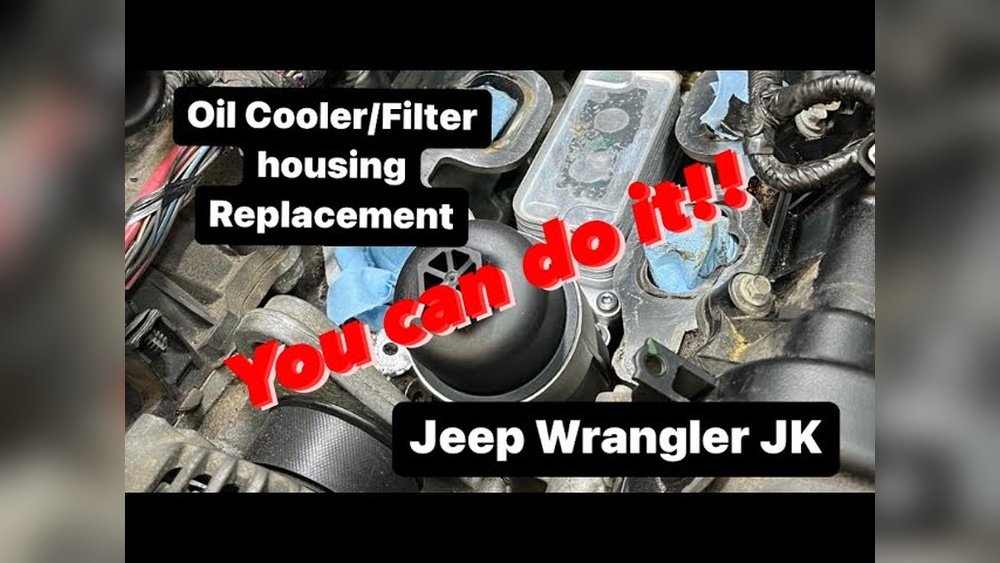
Replacing the oil filter housing can sound intimidating, but with some tools and patience, many Jeep owners handle it themselves. This guide explains what the oil filter housing does, signs of failure, how to replace it, and what to watch out for during the process.
What Is The Oil Filter Housing?
The oil filter housing is a crucial part of your Jeep Wrangler’s engine. It acts as a mount for the oil filter and connects the filter to the engine’s oil channels. It also includes passages for oil flow and, in some models, the oil cooler.
Most newer Jeep Wranglers (especially 2012 and later, with the Pentastar V6 engine) use a composite oil filter housing. This design saves weight but can be less durable than older metal housings, especially when exposed to high engine heat or frequent oil changes.
Key Functions
- Secures the oil filter
- Routes oil between the engine and filter
- May include oil cooler for temperature control
- Prevents leaks with proper gaskets and seals
A cracked or warped housing can leak oil quickly, leading to engine damage if not fixed.
Signs Your Oil Filter Housing Needs Replacement
You don’t want to wait for total failure before replacing the oil filter housing. Watch for these warning signs:
- Oil Leaks: Puddles or spots under your Jeep, especially near the transmission or engine.
- Burning Oil Smell: Leaking oil may drip onto hot engine parts, causing a noticeable odor.
- Low Oil Pressure: A dashboard warning or fluctuating pressure gauge.
- Check Engine Light: Sometimes triggered by oil leaks or pressure changes.
- Visible Oil Around Housing: Open the hood and check for wetness or fresh oil near the filter area.
Ignoring these signs can lead to larger issues, including severe engine damage.
Tools And Parts You’ll Need
Before starting, gather these tools and parts:
- New oil filter housing (OEM or high-quality aftermarket)
- New oil filter and O-rings
- Fresh engine oil (type and amount per your Jeep’s manual)
- Socket set (including extensions and a torque wrench)
- Plastic scraper or gasket remover
- Drain pan
- Shop towels/rags
- Screwdrivers
- Coolant (if your model routes coolant through the housing)
- Replacement gaskets (often included with the new housing)
For some Jeep models, the housing is buried under the intake manifold, so you’ll need tools to remove that as well.
Replacing The Oil Filter Housing: Step-by-step
This section covers the general process for replacing the oil filter housing on a Jeep Wrangler, especially the 3. 6L Pentastar V6 engine (2012+).
Always check your specific model’s service manual for details.
1. Prepare Your Jeep
- Park on a level surface and let the engine cool completely.
- Disconnect the battery to avoid electrical issues.
- Raise the vehicle if needed for better access.
2. Drain The Oil
- Place a drain pan under the oil pan.
- Remove the oil drain plug and let all oil drain out.
- Remove the oil filter cap and filter to allow faster draining.
3. Remove The Intake Manifold
- Disconnect the air intake hose, sensors, and throttle body.
- Unbolt the intake manifold and carefully lift it away.
- Cover open ports with clean rags to prevent debris from entering.
4. Locate And Remove The Oil Filter Housing
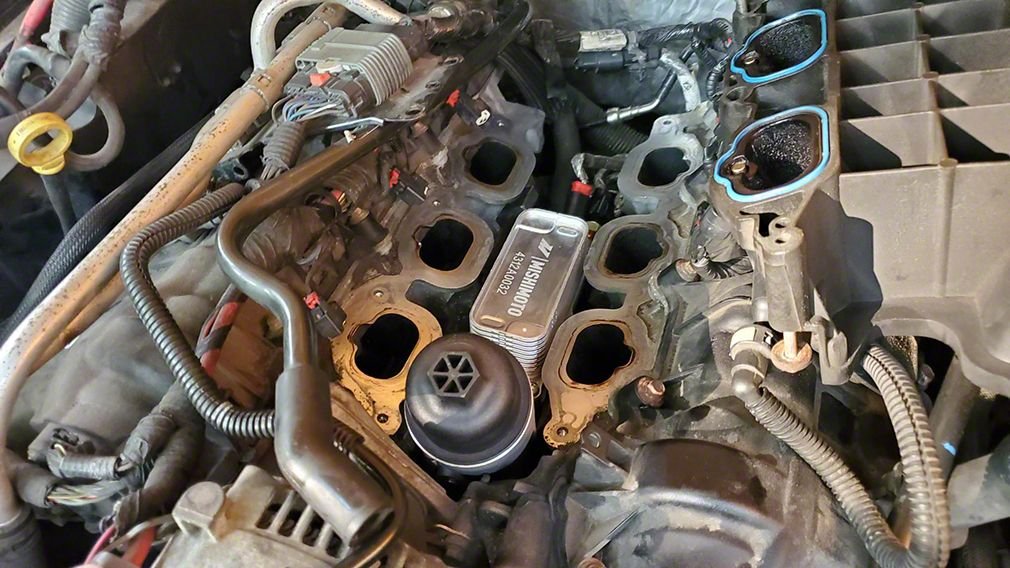
- The housing sits in the “valley” between the cylinder banks.
- Disconnect any electrical connectors, sensors, and coolant hoses attached to the housing.
- Unbolt the housing. There may be 5–6 bolts holding it in place.
- Gently lift the housing out. Some oil and coolant may spill—have rags ready.
5. Clean The Mating Surface
- Use a plastic scraper to remove old gasket material.
- Wipe the surface clean. Do not let debris fall into the engine.
6. Install The New Oil Filter Housing
- Fit new O-rings and gaskets onto the new housing. Lubricate them with fresh oil.
- Lower the housing into position.
- Tighten bolts in a crisscross pattern to the specified torque (usually 9–11 ft-lbs).
- Reconnect electrical plugs and hoses.
7. Reinstall Intake Manifold
- Remove rags from intake ports.
- Refit the manifold, throttle body, sensors, and air intake hose.
- Double-check all connections.
8. Refill Oil And Coolant
- Replace the oil drain plug.
- Add new engine oil and coolant (if lost during the swap).
- Install the new oil filter.
9. Check For Leaks And Start Engine
- Reconnect the battery.
- Start the engine and let it idle.
- Check for leaks around the new housing.
- Watch oil pressure and temperature gauges.
- Top up fluids as needed.
10. Test Drive And Recheck
- Take a short test drive.
- Park, let the engine cool, and check for leaks again.
Comparison: Oem Vs Aftermarket Oil Filter Housings
Choosing between OEM (Original Equipment Manufacturer) and aftermarket oil filter housings can be tricky. The table below highlights key differences:
| Feature | OEM Housing | Aftermarket Housing |
|---|---|---|
| Material Quality | High, matches Jeep specs | Varies (some aluminum, some plastic) |
| Fit & Compatibility | Guaranteed | May require small adjustments |
| Price Range | Higher ($120–$200) | Lower ($50–$140) |
| Warranty | Often longer | Depends on brand |
OEM parts are safest for long-term reliability, but some high-quality aftermarket options (especially aluminum housings) can outlast the factory design.
Common Mistakes To Avoid
Many DIYers make errors during oil filter housing replacement. Avoid these to save time and money:
- Not cleaning the mating surface: This can cause leaks even with a new gasket.
- Over-tightening bolts: This can warp the housing or crack plastic parts.
- Forgetting to reconnect hoses/sensors: This leads to warning lights and poor engine performance.
- Using the wrong torque: Always use a torque wrench for the housing bolts.
- Skipping oil and coolant top-up: Running the engine low on fluids can cause major damage.
A little patience and double-checking prevent most problems.
How Long Does Replacement Take?
For a first-timer, expect the job to take 3–5 hours. Experienced mechanics can finish in about 2 hours. Factors that change the time include:
- Your tool set (having all extensions and torque wrenches helps)
- Engine temperature (wait until fully cool)
- Corroded bolts (may require extra effort)
- Model year differences (older models may have easier access)
Most people find the hardest part is removing and reinstalling the intake manifold.
Cost Breakdown
Replacing the oil filter housing yourself saves money over a shop visit. Here’s a typical cost comparison:
| Item | DIY Cost | Shop Cost |
|---|---|---|
| Oil Filter Housing Kit | $60–$200 | Included |
| Engine Oil & Filter | $35–$60 | Included |
| Coolant | $15–$30 | Included |
| Labor | $0 | $400–$700 |
| Total | $110–$290 | $500–$900 |
You can save $400 or more by doing the work yourself, but only if you’re comfortable with the task.
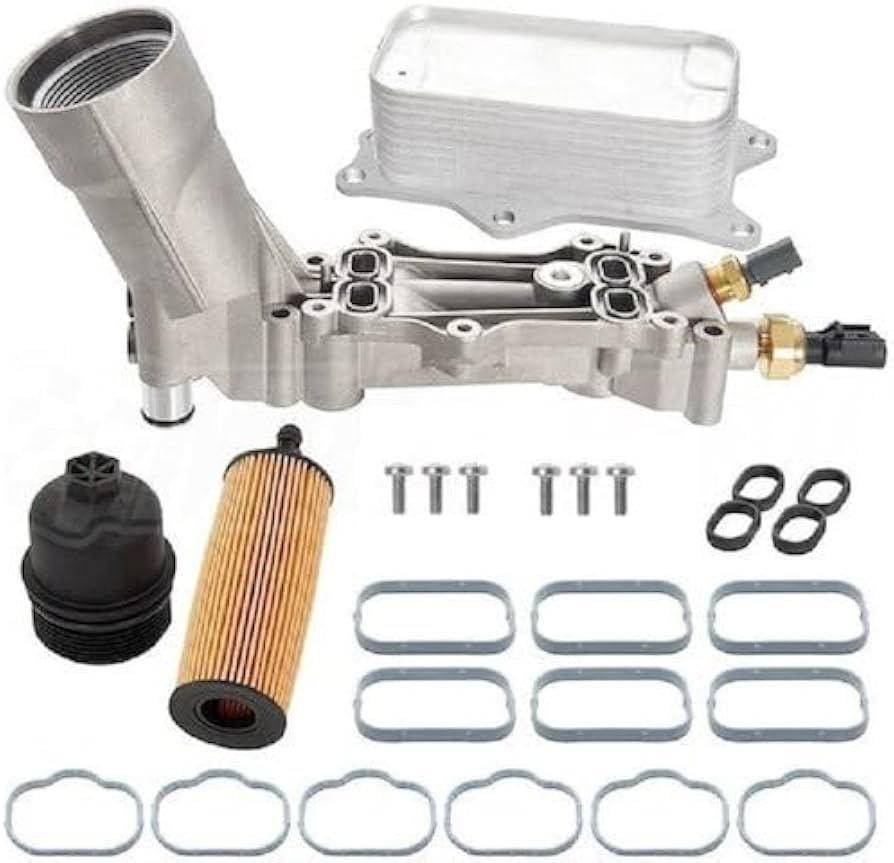
Upgraded Aluminum Oil Filter Housings: Are They Worth It?
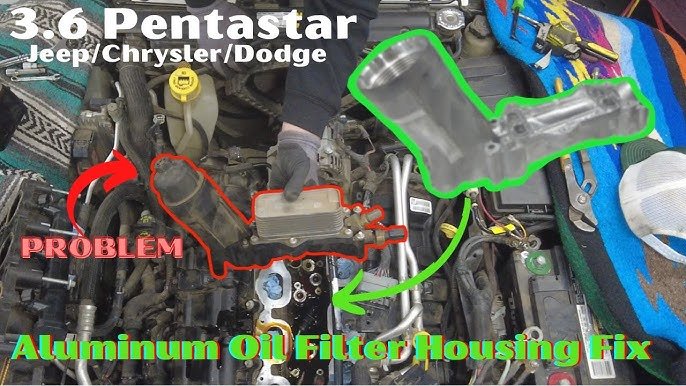
Many Jeep owners upgrade to aluminum oil filter housings after a plastic housing fails. Aluminum housings are less likely to warp or crack from heat. However, they can cost more and may not be available for all Jeep models.
Not all aftermarket aluminum housings are created equal. Some are well-designed, while others may have poor machining or fit issues.
It’s important to read reviews and check for compatibility.
If you drive in extreme temperatures or tow heavy loads, an aluminum housing can be a smart investment for peace of mind.
Post-replacement Tips
After replacing the oil filter housing, follow these tips:
- Monitor oil level for a few days. Small leaks might only show up after driving.
- Check for error codes or warning lights.
- Keep an eye on coolant (if your housing includes an oil cooler).
- Change oil regularly to catch any early problems.
A good practice is to check under your Jeep for leaks after every drive in the first week.
When To See A Professional
If you’re unsure about any part of the process, it’s better to let a certified mechanic handle the replacement. They have the tools and experience to avoid costly mistakes. Also, if the leak is severe, don’t drive the vehicle—running low on oil can destroy your engine.
For more technical details, you can refer to the official Jeep Wrangler Wikipedia page for background and specifications.
Frequently Asked Questions
How Often Does The Jeep Wrangler Oil Filter Housing Fail?
The oil filter housing on newer Wranglers, especially with the Pentastar V6, is known to fail between 40,000 and 100,000 miles. High engine heat and plastic construction are main reasons. Some owners never have issues, while others face leaks earlier.
Can I Drive With A Leaking Oil Filter Housing?
It is not safe to drive with a known leak. Low oil can cause serious engine damage in a short time. If you must drive, check the oil level frequently and add oil as needed, but plan for repair as soon as possible.
Do I Need Special Tools For This Job?
Most of the tools are standard: socket set, torque wrench, and screwdrivers. Long extensions and universal joints help with hard-to-reach bolts. Some models may need E-torx sockets.
Are Aftermarket Oil Filter Housings Reliable?
Some aftermarket housings (especially aluminum ones) are more durable than OEM. However, quality varies. Stick to well-reviewed brands and check for a warranty.
Will Replacing The Oil Filter Housing Void My Warranty?
If you use an OEM part and follow proper procedures, your warranty should remain intact. Using low-quality aftermarket parts or incorrect installation can cause warranty issues, especially if related problems develop later.
Jeep Wrangler oil filter housing replacement is a challenging but doable project for many DIYers. With care, the right tools, and attention to detail, you can save money and protect your engine for many miles ahead.