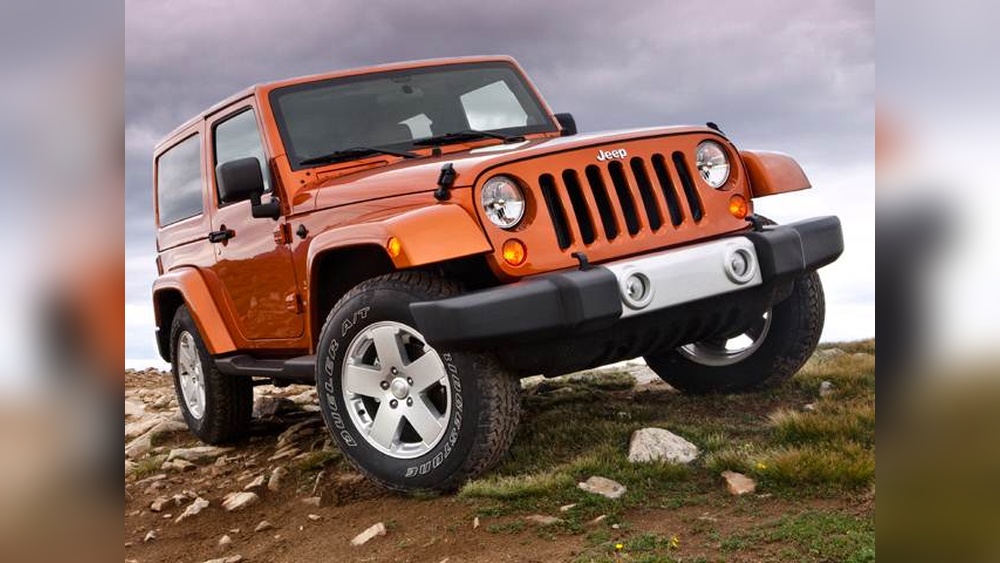
If you own a Jeep Wrangler or are planning to buy one, understanding the OEM tire size is more important than you might think. The right tire size affects everything from safety and ride comfort to fuel efficiency and off-road performance.
Many Wrangler enthusiasts are surprised to learn how much difference the factory tire size can make, especially when considering upgrades or replacements.
In this article, you’ll discover what the OEM tire sizes are for various Jeep Wrangler generations, why they matter, how to read tire size codes, and how to choose the best tires for your needs without risking warranty or performance.
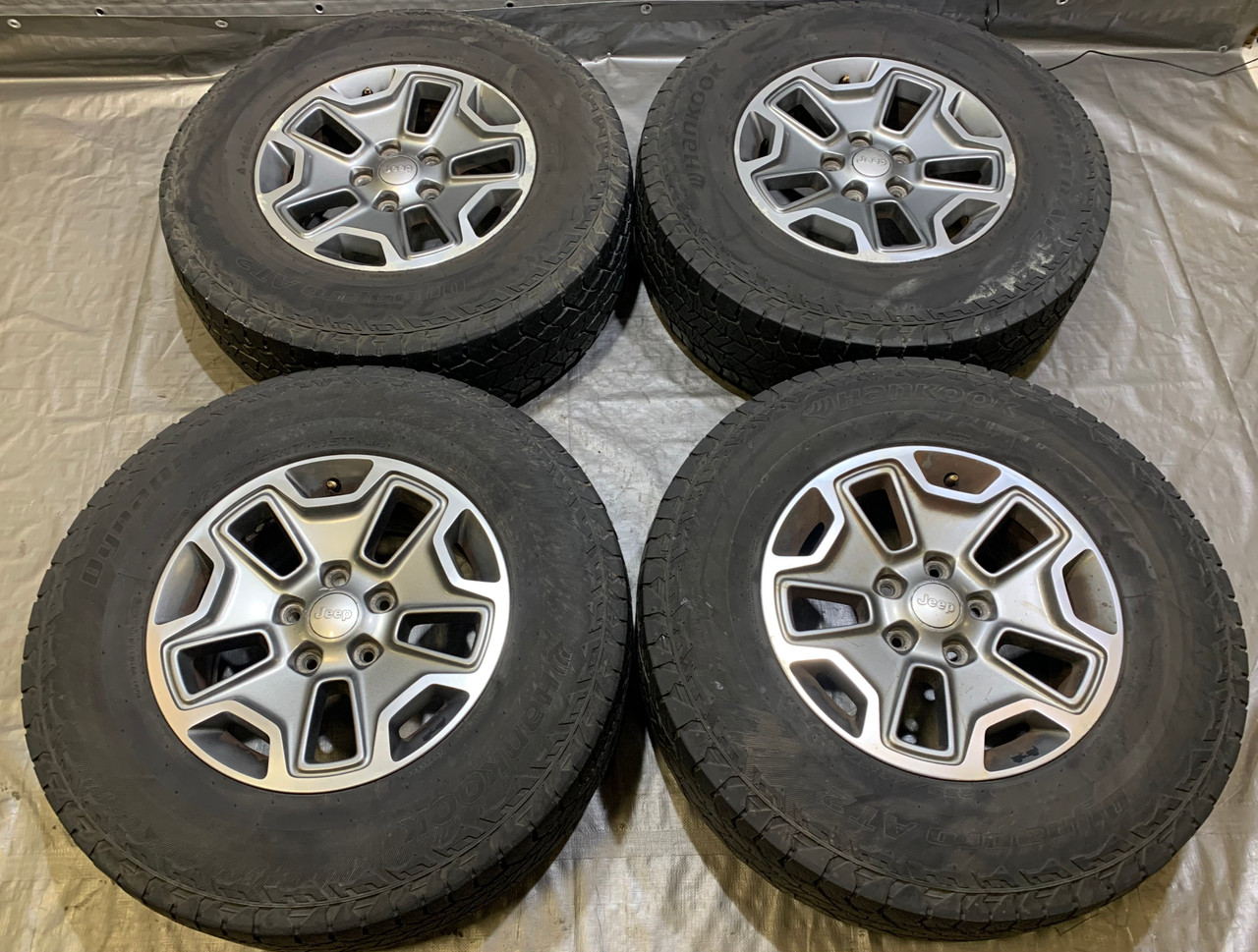
What Does Oem Tire Size Mean?
OEM tire size stands for “Original Equipment Manufacturer” tire size. This is the size of tires that Jeep installs on the Wrangler at the factory. OEM tires are selected to match the vehicle’s suspension, gearing, speedometer, and handling characteristics. Using the correct OEM size helps maintain the balance between on-road comfort and off-road ability that the Jeep Wrangler is known for.
Some Jeep owners are tempted to upgrade to bigger tires for looks or better off-road grip. While this is popular, it’s important to know that changing the tire size can affect the speedometer accuracy, fuel economy, and even the stability control system.
Sticking with OEM sizes is often the safest and simplest choice—especially for daily driving.
Jeep Wrangler Generations And Their Oem Tire Sizes
The Jeep Wrangler has changed over the years, and each generation comes with its own set of recommended OEM tire sizes. The following table summarizes the most common OEM tire sizes by generation and trim.
| Model Year | Generation | Common Trims | OEM Tire Size | Rim Size |
|---|---|---|---|---|
| 1987–1995 | YJ | Base, Sahara | 205/75R15, 215/75R15 | 15″ |
| 1997–2006 | TJ | SE, Sport, Rubicon | 215/75R15, 225/75R15, 245/75R16 | 15″, 16″ |
| 2007–2018 | JK | Sport, Sahara, Rubicon | 225/75R16, 255/75R17, 245/75R17 | 16″, 17″ |
| 2018–present | JL | Sport, Sahara, Rubicon | 245/75R17, 255/70R18, 285/70R17 | 17″, 18″ |
Special Editions And Their Tires
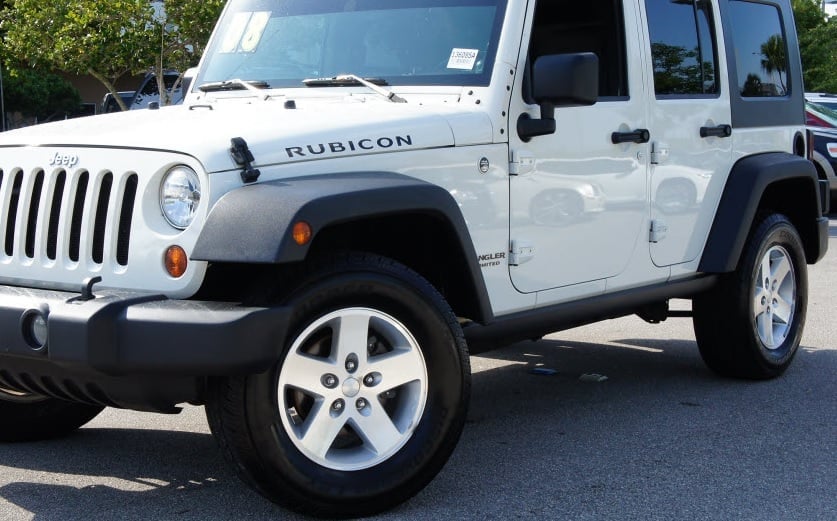
Jeep often releases special editions with unique tire sizes or upgraded all-terrain tires. For example, the Rubicon trim usually comes with larger and more aggressive tires compared to the Sport or Sahara models. Always check your vehicle’s door jamb sticker or owner’s manual for the exact OEM size.
Why Oem Tire Size Matters
Choosing the right tire size is not just about looks. It directly impacts:
- Speedometer accuracy: If you install larger or smaller tires, your speedometer may show the wrong speed.
- Handling and safety: The Jeep’s suspension and stability controls are calibrated for OEM size.
- Warranty coverage: Some dealerships may void parts of your warranty if you use non-approved tire sizes.
- Fuel efficiency: Larger tires can increase rolling resistance and reduce miles per gallon.
- Off-road capability: The OEM size is a balance between off-road grip and on-road comfort.
Switching away from OEM can bring benefits (like ground clearance) but may cause unexpected problems.
How To Read Tire Size Codes
Most Wrangler tires have a code like 245/75R17 printed on the sidewall. Here’s what it means:
- 245: Tire width in millimeters (mm).
- 75: Aspect ratio (sidewall height is 75% of the width).
- R: Radial construction.
- 17: Wheel diameter in inches.
For example, a 255/75R17 tire is 255 mm wide, with a sidewall height 75% of that width, built in radial layers, and fits a 17-inch wheel.
| Code | What It Means | Example |
|---|---|---|
| 225/75R16 | 225 mm wide, 75% aspect ratio, 16″ rim | TJ Wrangler Sport |
| 255/70R18 | 255 mm wide, 70% aspect ratio, 18″ rim | JL Wrangler Sahara |
| 285/70R17 | 285 mm wide, 70% aspect ratio, 17″ rim | JL Wrangler Rubicon |
Non-obvious insight: The sidewall height (aspect ratio) is what gives the Wrangler its famous “cushion” ride off-road. Lower aspect ratios look sportier but can make the ride rougher.
Oem Tire Sizes By Popular Wrangler Trim
Jeep Wranglers come in several trims, and each may have its own unique tire size. Here’s a closer look at the most popular trims:
Wrangler Sport
- YJ, TJ, JK, JL: Usually comes with narrower, all-season or all-terrain tires.
- Examples: 225/75R16 (JK), 245/75R17 (JL)
Wrangler Sahara
- Designed for a balance between daily driving and light off-roading.
- Common OEM tires: 255/70R18 (JL), 255/75R17 (JK)
Wrangler Rubicon
- The most off-road-focused trim.
- OEM tires are larger and more aggressive.
- Typical sizes: 255/75R17 (JK), 285/70R17 (JL)
Practical tip: If you plan to upgrade to Rubicon-size tires on a non-Rubicon model, check for fender clearance and possible need for recalibrating your speedometer.
Can You Change Tire Size From Oem?
Many Wrangler owners want to upgrade to a larger tire for better off-road capability or a more rugged look. It’s possible, but there are some things to consider:
- Speedometer accuracy: Larger tires will make your speedometer read too slow.
- Suspension and fender clearance: Bigger tires may rub unless you have a lift kit.
- Warranty impact: Non-OEM sizes can affect warranty on related parts.
- Gearing: Larger tires make the engine work harder. You may need to re-gear the axles for best performance.
Non-obvious insight: Even a small change in tire diameter can affect the Wrangler’s electronic stability control system, which is tuned for the OEM size.
When To Stick With Oem Tire Size
Sticking with OEM tire size is the best approach for:
- Leased vehicles (to avoid end-of-lease charges)
- Daily drivers who want the quietest and smoothest ride
- First-time owners not familiar with tire upgrades
- Maintaining fuel economy
If you’re not sure, it’s safer to stick with the OEM size until you’ve researched the effects of bigger tires.
How To Find Your Wrangler’s Oem Tire Size
The easiest way to find your Jeep’s OEM tire size is to check:
- Driver’s side door jamb sticker: Shows the exact size and pressure for your model.
- Owner’s manual: Lists all approved sizes for your trim and year.
- Original tire sidewall: If your Wrangler still has the factory tires, check the numbers on the side.
You can also look up your Wrangler’s tire specs online using the VIN (Vehicle Identification Number) for precise details.
Oem Tire Brands That Come On Jeep Wranglers
Jeep uses several tire brands for factory installations, depending on the model year and trim:
- Goodyear Wrangler
- Bridgestone Dueler
- BFGoodrich All-Terrain
- Michelin LTX
- Firestone Destination
Some Rubicon models come with off-road tires, while the Sport and Sahara may have more street-friendly designs. If you want the exact same tire, ask your dealership or tire store for the OEM brand and model for your Jeep’s year and trim.
Oem Tire Size Vs. Aftermarket Upgrades
It’s tempting to go bigger for more ground clearance or a “beefier” look. Here’s a quick comparison:
| Feature | OEM Tire Size | Larger Aftermarket Tire |
|---|---|---|
| Speedometer accuracy | Correct | Needs recalibration |
| Fuel efficiency | Optimal | Usually lower |
| Ride comfort | Smoother | Can be rougher |
| Off-road capability | Good balance | Better in mud/rocks |
| Warranty risk | None | Possible issues |
Practical tip: If you go bigger, you might need a suspension lift, new wheels, or even new gears. Always check with a Jeep specialist before buying non-OEM tires.
Common Mistakes When Choosing Wrangler Tires
Many new Jeep owners make these mistakes:
- Ignoring the speedometer: Not recalibrating after a tire change can lead to speeding tickets or warranty issues.
- Overlooking clearance: Installing too-large tires without proper suspension modifications can cause rubbing and damage.
- Choosing by looks only: Some aggressive tires are noisy and wear out quickly on pavement.
- Forgetting about load rating: Tires must match or exceed the factory load rating to be safe.
Taking time to research and consult with professionals will help you avoid these costly errors.
Best Practices For Replacing Oem Tires
When it’s time to replace your Wrangler’s OEM tires:
- Stick with the factory size or consult a professional before making changes.
- Replace all four tires at the same time for best results.
- Match the speed rating and load index to what’s listed on your door sticker.
- Rotate your tires every 5,000–7,000 miles for even wear.
- Keep an eye on tire pressure, especially if you air down for off-roading.
For more guidance, you can check the official Jeep Wrangler site for updated specifications.

Frequently Asked Questions
What Is The Oem Tire Size For A 2026 Jeep Wrangler Rubicon?
The 2026 Wrangler Rubicon typically comes with 285/70R17 tires on 17-inch wheels. Always check your specific vehicle’s sticker or manual to confirm.
Can I Use 33-inch Tires On My Stock Jeep Wrangler Without A Lift?
Most stock Wranglers can fit up to a 33-inch tire, but you may experience some rubbing during sharp turns or off-road flexing, especially on older models. A small lift or wheel spacers may be needed.
Does Using A Non-oem Tire Size Void My Warranty?
Not always, but using tires outside the manufacturer’s approved sizes can void warranty claims for related parts, such as the suspension or drivetrain. Always check with your dealer before making changes.
How Do I Recalibrate My Speedometer After Changing Tire Size?
You can recalibrate the speedometer using a dealership service tool or a specialized aftermarket programmer. This ensures your speed and mileage readings are accurate.
Which Brand Of Oem Tire Is Best For The Jeep Wrangler?
Jeep uses several brands, including Goodyear, BFGoodrich, and Bridgestone. The best choice depends on your driving needs—Goodyear and BFGoodrich are popular for all-terrain use, while Bridgestone is known for a quiet, comfortable ride.
Choosing the right Jeep Wrangler OEM tire size is about more than just numbers—it’s about safety, performance, and getting the most out of your Wrangler. By understanding the basics, reading your tire codes, and following best practices, you’ll enjoy better rides both on and off the road.