Owning a Jeep Wrangler means adventure, but it also means handling repairs. One common fix is replacing the O2 sensor—a small part with a big job.
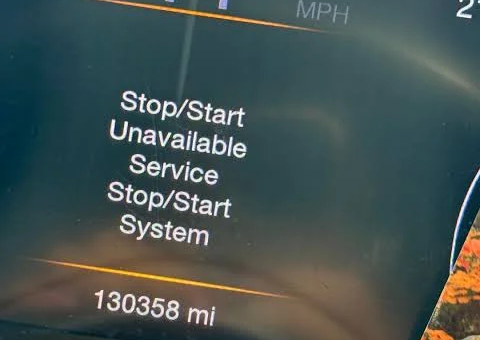
If your Wrangler’s engine light is on, fuel economy is dropping, or it feels sluggish, the O2 sensor could be the cause. Swapping it out can restore performance, save money on gas, and prevent engine damage.
This guide will show you everything you need to know about Jeep Wrangler O2 sensor replacement, from understanding the sensor’s role to step-by-step instructions, safety tips, and real-world examples.
Why O2 Sensors Matter In Your Jeep Wrangler
The oxygen sensor (O2 sensor) measures the amount of oxygen in your Jeep’s exhaust. This helps your engine control the mix of fuel and air, which is critical for:
- Fuel efficiency: A working O2 sensor ensures your engine uses the right amount of gas.
- Emission control: It helps reduce harmful gases.
- Engine performance: Bad sensors cause rough idling, slow response, and even stalling.
Most Jeep Wranglers have two to four O2 sensors, depending on the model year and engine type. Older models (1997–2006) often have two, while newer ones (2007 onwards) may have four—two before the catalytic converter (upstream) and two after (downstream).
Jeep Wrangler O2 Sensor Locations
Here’s a simple overview for common Wrangler models:
| Model Year | Number of Sensors | Sensor Locations |
|---|---|---|
| 1997–2006 (TJ) | 2 | Upstream & Downstream (before/after catalytic converter) |
| 2007–2018 (JK) | 4 | 2 Upstream, 2 Downstream |
| 2018+ (JL) | 4 | 2 Upstream, 2 Downstream |
Knowing where your sensors are helps when buying replacements and planning the job.
Signs Your O2 Sensor Needs Replacing
A bad O2 sensor can cause several issues. Watch for these symptoms:
- Check Engine Light: The most common sign. Your Jeep’s computer detects sensor problems and turns on the light.
- Poor Fuel Economy: If you notice you’re filling up more often, a faulty sensor could be the cause.
- Engine Performance Problems: Hesitation, rough idle, or stalling may happen.
- Failed Emissions Test: If your Jeep doesn’t pass, the O2 sensor might be to blame.
- Strange Exhaust Smell: A rich fuel mixture can cause a strong gas smell.
Many drivers miss the link between fuel efficiency and O2 sensors. Sometimes, a sensor fails slowly, causing gradual changes. If you notice performance issues and don’t see any leaks, check the O2 sensor.
Choosing The Right O2 Sensor For Your Jeep Wrangler
There are several types of O2 sensors. Picking the right one is important for compatibility and performance.
Types Of O2 Sensors
- Original Equipment Manufacturer (OEM): Made by Jeep or its suppliers. Guaranteed fit, higher price.
- Aftermarket: Cheaper, available from many brands. Quality varies.
- Universal Sensors: Can fit many vehicles, but require splicing wires.
| Type | Price Range | Compatibility | Pros/Cons |
|---|---|---|---|
| OEM | $40–$100 | Exact fit | Reliable, expensive |
| Aftermarket | $20–$70 | Model-specific | Affordable, quality varies |
| Universal | $15–$50 | Many models | Flexible, may need wiring |
Always check your Jeep’s manual or VIN for exact sensor specs. Using the wrong type can cause new problems or more engine lights.
What To Look For
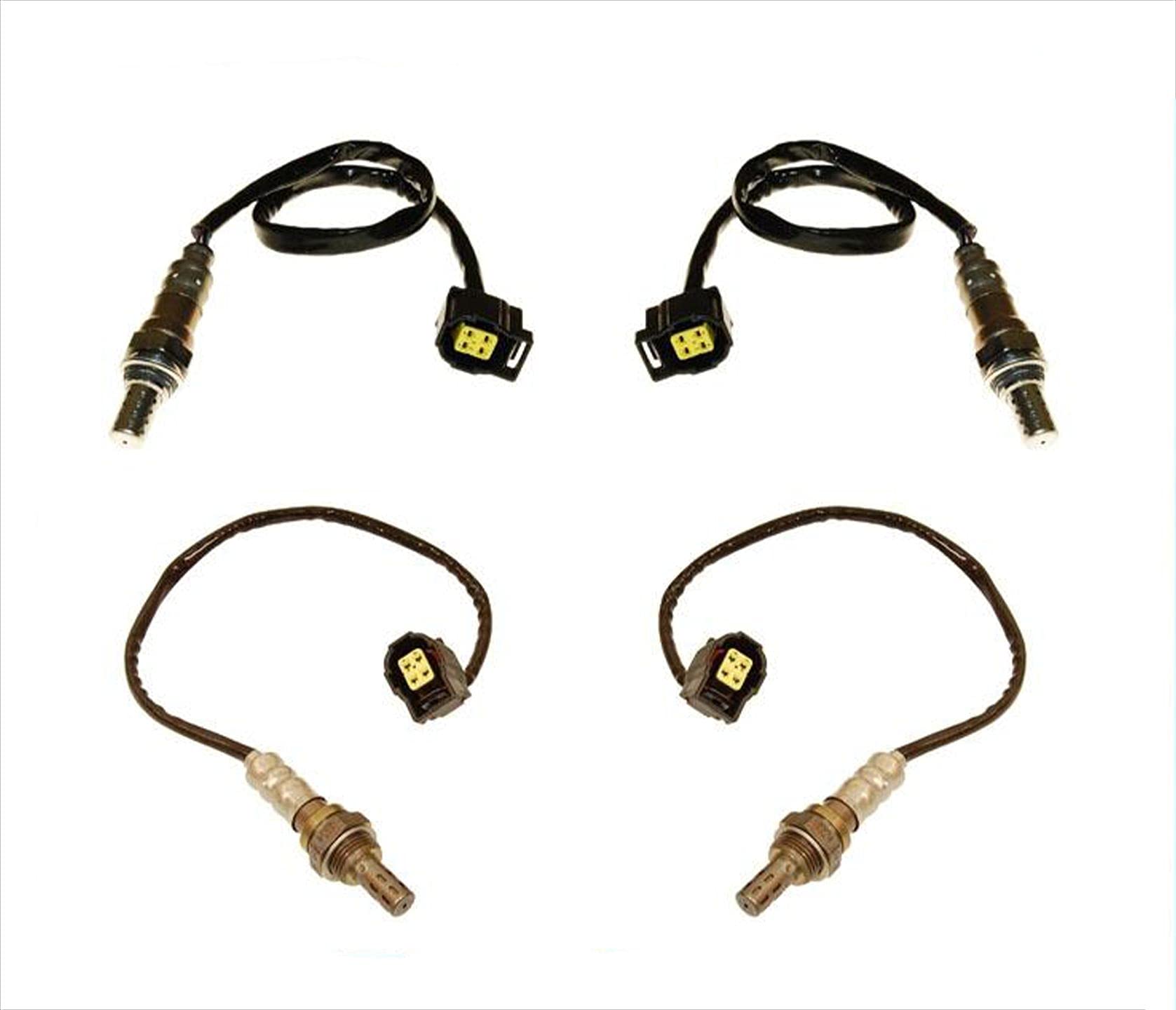
- Fitment: Make sure the sensor matches your Wrangler’s year, engine, and location (upstream/downstream).
- Connector Type: Some sensors have unique plugs. Check shape and pin count.
- Warranty: Look for sensors with a warranty—most OEMs offer at least one year.
A common mistake is buying universal sensors without checking wiring compatibility. This can lead to installation headaches.
Tools And Parts Needed For O2 Sensor Replacement
Before you start, gather these tools and parts:
- Replacement O2 sensor (correct type)
- O2 sensor socket or wrench (usually 7/8” or 22mm)
- Ratchet and extension (for hard-to-reach spots)
- Anti-seize compound (for threads)
- Gloves and safety glasses
- Jack and jack stands (if sensor is under the vehicle)
- WD-40 or penetrating oil (for stuck sensors)
Optional but helpful:
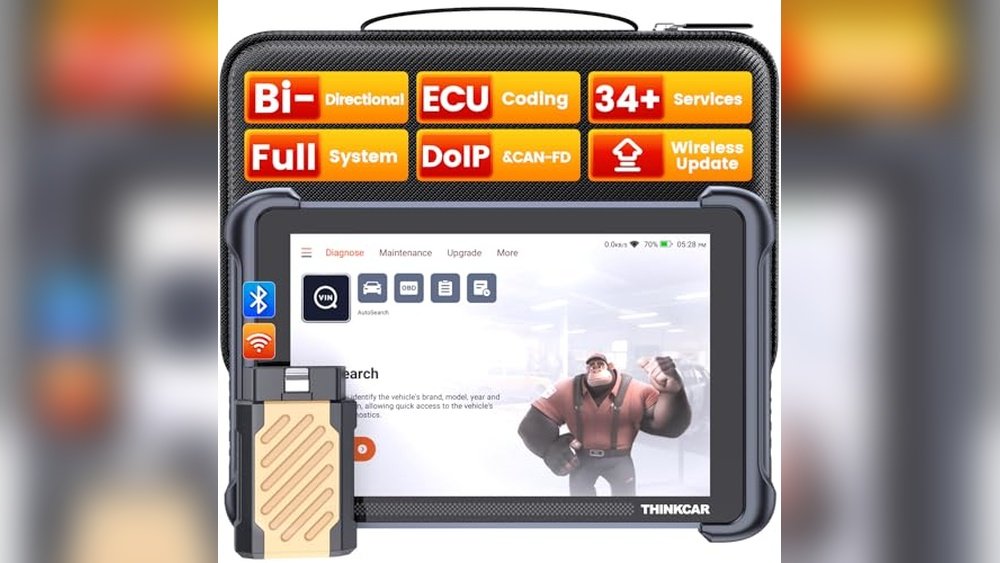
- OBD-II scanner (to clear engine codes after replacement)
- Multimeter (for testing sensor voltage, if troubleshooting)
Many beginners miss the importance of an O2 sensor socket. It has a slot for the wire, making removal easier. Regular sockets can damage wires.
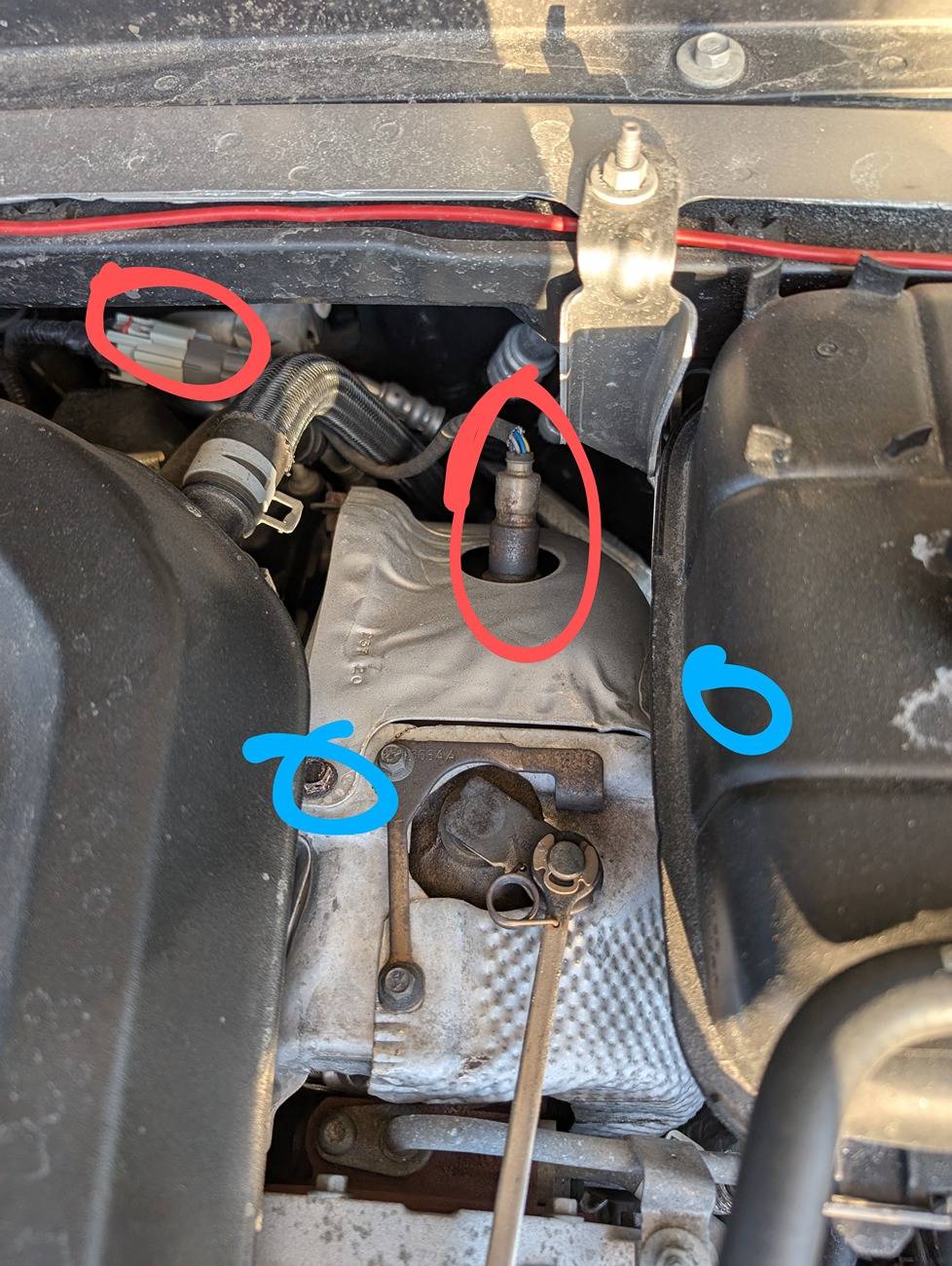
Step-by-step Jeep Wrangler O2 Sensor Replacement
Replacing an O2 sensor is straightforward with the right tools and patience. Here’s how:
1. Prepare Your Jeep
- Park on a flat surface.
- Let the engine cool fully. Sensors get very hot.
- Disconnect the battery (negative terminal) for safety.
2. Locate The Sensor
- Use your manual to find the exact location.
- Upstream sensors are closer to the engine; downstream are after the catalytic converter.
- If needed, lift the Jeep with a jack and secure with jack stands.
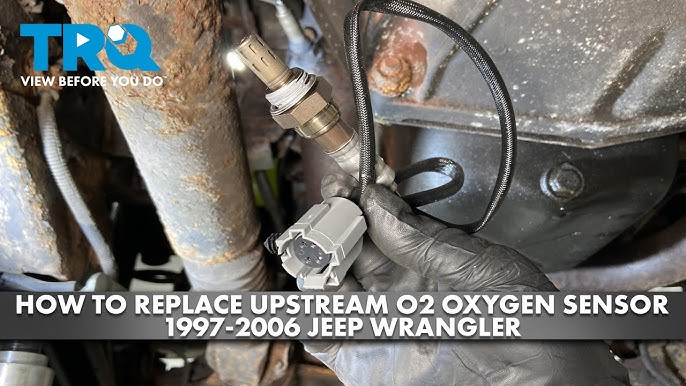
3. Remove The Old Sensor
- Spray WD-40 on the sensor threads. Wait 10–15 minutes.
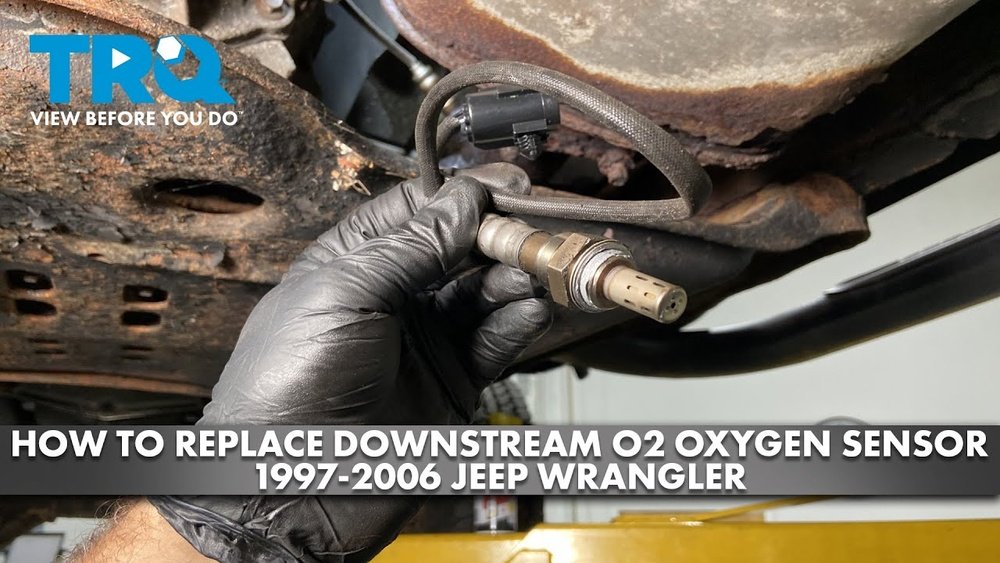
- Use the O2 sensor socket and ratchet to loosen and remove the sensor.
- Carefully disconnect the wire plug. Don’t pull by the wires.
4. Install The New Sensor
- Apply a small amount of anti-seize compound on the threads. Avoid the tip.
- Thread the new sensor into place. Tighten with the socket—don’t over-tighten.
- Connect the sensor plug.
5. Reconnect Battery And Test
- Reconnect the battery.
- Start the Jeep. The engine light should go off after a short drive.
- Use an OBD-II scanner to clear codes if needed.
6. Check For Leaks And Performance
- Listen for exhaust leaks.
- Test drive your Wrangler. Notice smoother idle, better power, and improved gas mileage.
Real-world Example
A 2014 Jeep Wrangler owner replaced a downstream O2 sensor after the engine light came on and fuel economy dropped by 20%. After replacement, the light went off, and mileage returned to normal within a week.
Common Mistakes And How To Avoid Them
Even experienced mechanics make mistakes. Here are a few to watch for:
- Choosing the wrong sensor location: Upstream and downstream sensors are different. Double-check before buying.
- Forgetting anti-seize: Sensors can get stuck over time. Anti-seize makes future removal easier.
- Damaging wires: Don’t twist or pull sensor wires. Use the proper socket.
- Over-tightening: Too much force can damage threads or the sensor itself.
- Skipping battery disconnect: This can cause shorts or error codes.
Many beginners skip checking connector type. Jeep Wranglers can have different plugs for each sensor.
How Much Does Jeep Wrangler O2 Sensor Replacement Cost?
Costs vary based on parts and labor. Here’s a quick breakdown:
- DIY replacement: $20–$100 per sensor for parts.
- Mechanic labor: $60–$120 per sensor (labor only).
- Total at shop: $80–$220 per sensor.
Multiple sensors or hard-to-reach spots increase labor costs. Doing it yourself can save over $100.
| Replacement Method | Cost (per sensor) | Time Required |
|---|---|---|
| DIY | $20–$100 | 30–60 minutes |
| Mechanic | $80–$220 | 1–2 hours |
Practical Tips For A Successful O2 Sensor Replacement
- Work with a cool engine: Hot sensors can cause burns.
- Use penetrating oil: If the sensor is stuck, let oil soak in overnight.
- Label plugs: If you’re replacing multiple sensors, label each plug to avoid confusion.
- Clear codes: After replacement, clear error codes with an OBD-II scanner.
- Inspect wires: Damaged wires can cause false readings even with a new sensor.
An insight many miss: If your Jeep has over 100,000 miles, consider replacing all sensors at once. This can save labor and prevent future issues.
When To Seek Professional Help
Some cases are more complex:
- Sensor is rusted or seized: Removing may require special tools or heat.
- Multiple error codes: There may be wiring or computer issues.
- No improvement after replacement: The problem could be elsewhere (e.g., catalytic converter).
If you’re unsure, a trusted mechanic can diagnose and fix the issue. For deeper technical info, check resources like Wikipedia.
Frequently Asked Questions
How Often Should I Replace The O2 Sensor In My Jeep Wrangler?
Most sensors last 60,000–100,000 miles. Replace sooner if you see symptoms like poor fuel economy or engine lights.
Can I Drive With A Bad O2 Sensor?
Yes, but it’s risky. You’ll get worse fuel economy, possible engine damage, and may fail emissions tests. Fix it as soon as possible.
What Happens If I Install The Wrong O2 Sensor?
Your engine may run poorly, show error codes, or fail emissions. Always match sensor type, location, and connector.
Do I Need To Reset The Computer After Replacing The O2 Sensor?
Usually, the engine light will turn off after a short drive. For faster results, use an OBD-II scanner to clear codes.
Is It Safe To Replace The O2 Sensor Myself?
Yes, if you follow safety steps: cool engine, proper tools, battery disconnect. If the sensor is stuck or you’re unsure, ask a mechanic.
Replacing a Jeep Wrangler O2 sensor is a smart DIY task that can save money and boost performance. With the right parts and careful work, your Jeep will be ready for the next adventure—strong, efficient, and trouble-free.