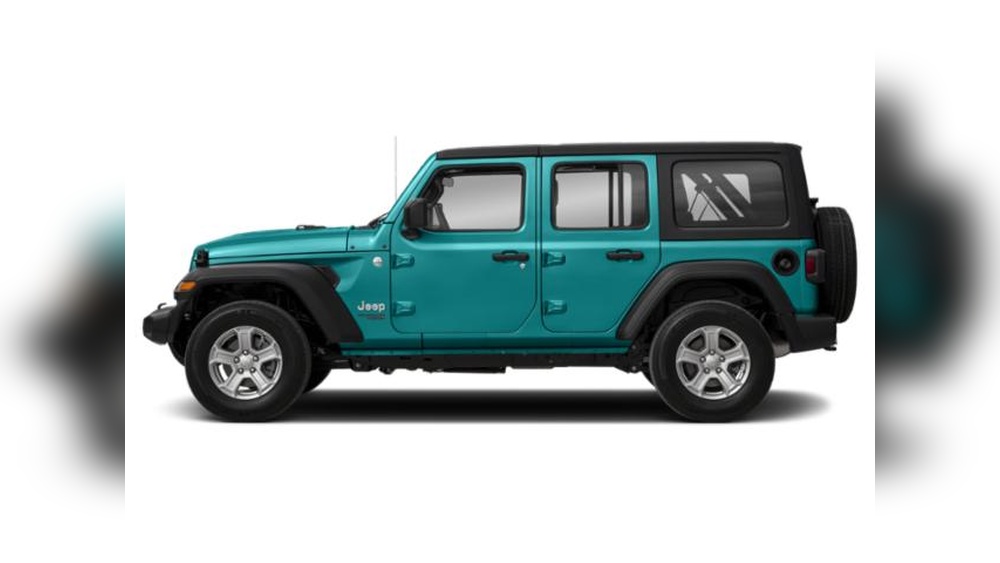
The Jeep Wrangler Mammoth Boulder Charcoal Wheel J100614 is more than just a part; it's a statement. For Jeep owners, especially those who push their vehicles beyond the pavement, wheels are critical components.
They affect performance, aesthetics, and the overall capability of the machine. The Mammoth Boulder Charcoal wheel, model J100614, aims to meet the demanding needs of off-road enthusiasts while providing a distinctive look.
This article will explore what makes this wheel stand out, its specifications, benefits, and considerations for potential buyers.
Understanding The Jeep Wrangler Wheel Ecosystem
Before diving into the specifics of the Mammoth Boulder Charcoal J100614, it’s helpful to understand the context of Jeep Wrangler wheels. Wranglers are legendary for their off-road prowess, and their wheels are key to this reputation. Factors like wheel size, offset, backspacing, and load rating are not just technical jargon; they directly impact how a Jeep handles on trails, how large of tires it can accommodate, and its overall stability.
The aftermarket wheel industry for Jeeps is vast. Owners often upgrade from stock wheels to achieve a more aggressive stance, improve tire clearance for larger tires, or simply to personalize their vehicle.
The Mammoth Boulder Charcoal J100614 enters this competitive market with a specific design philosophy and target audience.
The Mammoth Boulder Charcoal Wheel J100614: Design And Aesthetics
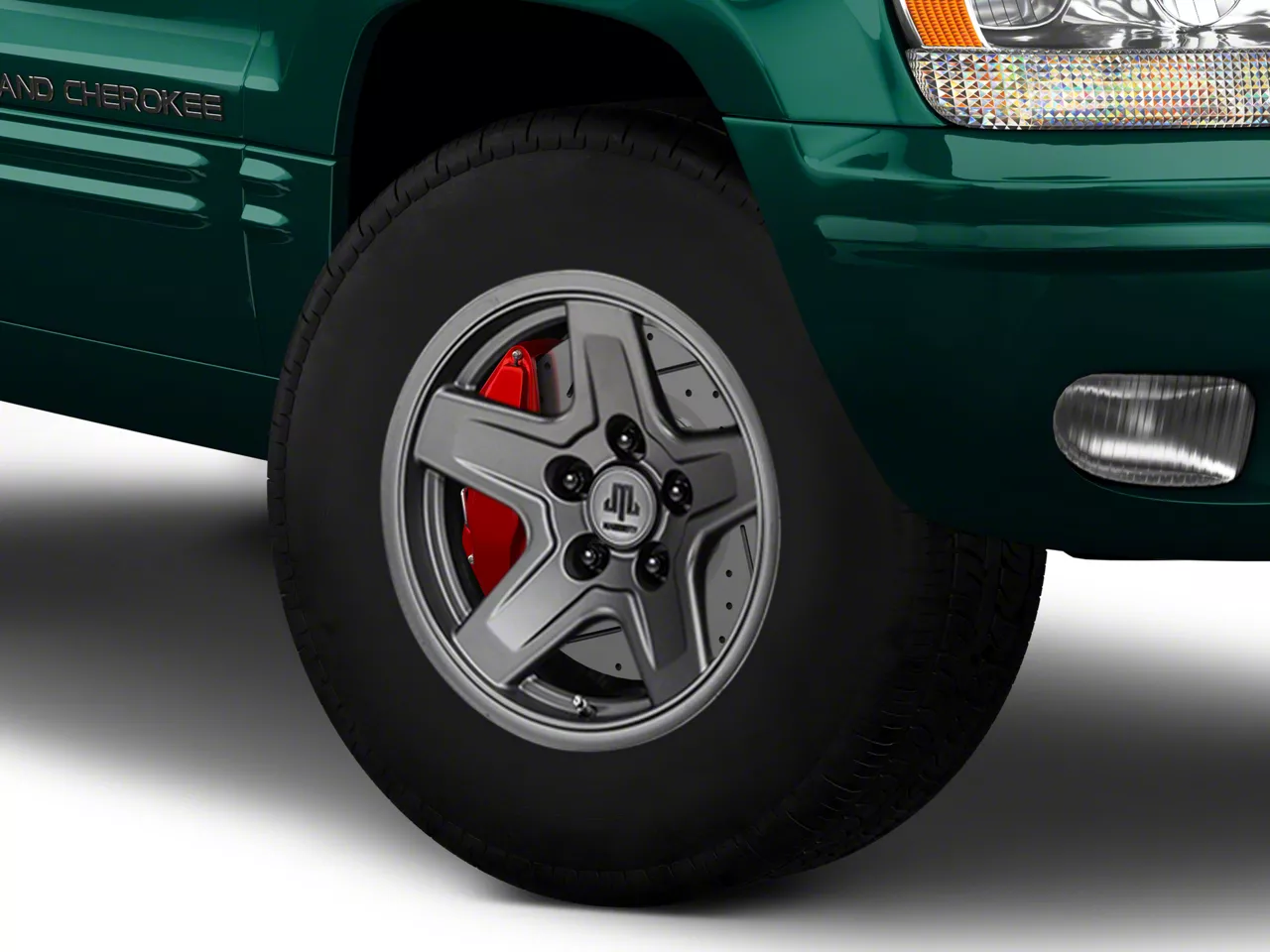
The “Mammoth Boulder Charcoal” name itself suggests a rugged, imposing presence. The Boulder aspect implies strength and resilience, designed to withstand the harsh conditions of off-roading. The Charcoal color is a popular choice for its sophisticated yet tough appearance, offering a contrast to the often bright or metallic finishes of stock wheels. This dark, muted tone can complement a wide range of Jeep paint colors, from classic black and white to bolder shades like red or green.
The design of the J100614 likely features a multi-spoke or a robust mesh pattern, common in wheels designed for off-road use. These designs are not just for looks; they often distribute stress effectively, making the wheel stronger. The J100614 model number specifies its unique identity within the Mammoth brand.
Key Design Elements
- Color Finish: The charcoal finish is typically a dark grey or black with a matte or satin sheen. This hides brake dust and minor scuffs better than glossier finishes, which is a practical advantage for off-road vehicles.
- Spoke Design: Expect a design that emphasizes durability. This could mean thicker spokes, reinforced edges, or a pattern that minimizes vulnerable points. The arrangement of spokes also plays a role in heat dissipation from the brakes.
- Lip and Beadlock Style: Many off-road wheels feature a simulated or actual beadlock ring around the outer edge. This design element enhances the rugged look and, in some cases, provides added protection for the tire bead. Even without a true beadlock, the lip design is often pronounced for a more aggressive stance and protection.
- Center Cap: The center cap usually features the Mammoth brand logo, providing a finishing touch to the wheel’s overall look.

Technical Specifications And Performance Implications
The true value of an off-road wheel lies in its specifications. For the Jeep Wrangler Mammoth Boulder Charcoal J100614, these details are crucial for understanding its capabilities and compatibility.
Wheel Diameter And Width
Jeep Wranglers commonly use wheels in the 17-inch to 20-inch diameter range. The J100614 is likely available in popular sizes such as 17×8.5, 18×9, or 20×9.
- 17-inch wheels: These are favored by many off-roaders because they allow for a larger tire sidewall. A taller sidewall provides more cushioning on rough terrain, improves articulation over obstacles, and reduces the risk of rim damage.
- 18-inch and 20-inch wheels: These offer a more on-road oriented look and can accommodate larger brake systems. However, they result in a shorter tire sidewall, which can make the ride firmer and potentially increase the risk of rim damage on extreme trails.
The width of the wheel (e.g., 8.5 inches, 9 inches) is also important. A wider wheel can support a wider tire, offering a larger contact patch for better traction. However, it must be appropriately matched to the tire’s intended size.
Bolt Pattern And Offset/backspacing
- Bolt Pattern: Jeep Wranglers typically use a 5×5 inch (5x127mm) bolt pattern for JK, JL, and JT models. Ensuring the J100614 matches this is fundamental for fitment.
- Offset: This refers to the position of the wheel’s mounting surface relative to its centerline. A negative offset pushes the wheel further out from the vehicle’s hub, which can increase track width, improve stability, and allow for larger tires without rubbing on suspension components. Many off-road wheels have a negative or low positive offset.
- Backspacing: Closely related to offset, backspacing measures the distance from the wheel’s mounting surface to the outer lip. Lower backspacing (often associated with negative offset) is desirable for fitting larger tires and reducing the chance of rubbing on fenders or control arms.
A common specification for off-road oriented wheels for Wranglers is around 0mm offset or a negative offset (e.g., -10mm, -12mm) with a backspacing of 4.5 to 5 inches. This setup helps the tires sit more flush with the fenders, improving the vehicle’s stance and off-road clearance.
Load Rating
This is a critical specification for any off-road wheel. The load rating indicates the maximum weight capacity of the wheel. For a vehicle like the Jeep Wrangler, which is often used for towing or carrying heavy loads off-road, a high load rating is essential. The J100614 should have a load rating significantly higher than the vehicle’s Gross Axle Weight Rating (GAWR) to ensure safety and durability under stress. A typical requirement for Wrangler aftermarket wheels is often 2000 lbs or more per wheel.
Material And Construction
Most aftermarket Jeep wheels, including those designed for rugged use, are made from aluminum alloy. Aluminum offers a good balance of strength, light weight, and corrosion resistance.
- One-Piece vs. Multi-Piece: The J100614 is likely a one-piece cast aluminum wheel. This construction method is cost-effective and durable for most applications. Multi-piece wheels (like true beadlocks) are typically more expensive and are reserved for extreme, competitive off-roading.
- Casting Method: Gravity casting is common and cost-effective, while flow-forming or forged construction offers superior strength and lighter weight but comes at a higher price point. For a wheel named “Mammoth Boulder,” durability is clearly a priority, suggesting robust casting techniques.
Benefits Of The Mammoth Boulder Charcoal J100614
Choosing the J100614 wheel for your Jeep Wrangler can bring several advantages:
- Enhanced Aesthetics: The charcoal finish and rugged design offer a significant visual upgrade over stock wheels. It gives the Wrangler a more aggressive, purposeful look that aligns with its off-road capabilities. This is often the primary driver for many Jeep owners seeking aftermarket wheels.
- Improved Tire Fitment: With appropriate offset and backspacing, these wheels can allow for the fitment of larger, more aggressive tires. This is crucial for anyone looking to increase their Jeep’s ground clearance, traction, and capability on challenging trails. For example, moving from a 33-inch to a 35-inch tire often requires adjustments to wheel offset and backspacing.
- Durability for Off-Road Use: Designed with off-road conditions in mind, the J100614 is built to withstand impacts, debris, and the stresses of uneven terrain. The robust construction and potentially reinforced lip offer peace of mind when venturing off the beaten path.
- Corrosion Resistance: The charcoal finish, when properly applied and maintained, provides a good layer of protection against road salt, mud, and moisture, helping to prevent rust and corrosion, especially important for vehicles used in varied climates.
- Weight Considerations: While typically heavier than stock alloy wheels if opting for larger sizes or more robust designs, modern aluminum alloy wheels aim to strike a balance. Lighter wheels can improve fuel economy and suspension response, but for off-road, strength often takes precedence. The J100614 likely offers a competitive weight for its strength class.
Considerations Before Buying
While the Mammoth Boulder Charcoal J100614 presents many attractive features, there are crucial factors to consider to ensure it’s the right choice for your specific needs.
Tire Size Compatibility
The wheel's diameter and width will dictate the range of tire sizes you can safely and effectively mount. Always check the manufacturer's recommended tire size range for the J100614.
Mismatched tire and wheel sizes can lead to poor performance, increased wear, and safety issues.
For instance, mounting a tire that is too narrow or too wide for an 8. 5-inch wide wheel can cause the tire bead to unseat or wear unevenly.
Lift Kit And Suspension Modifications
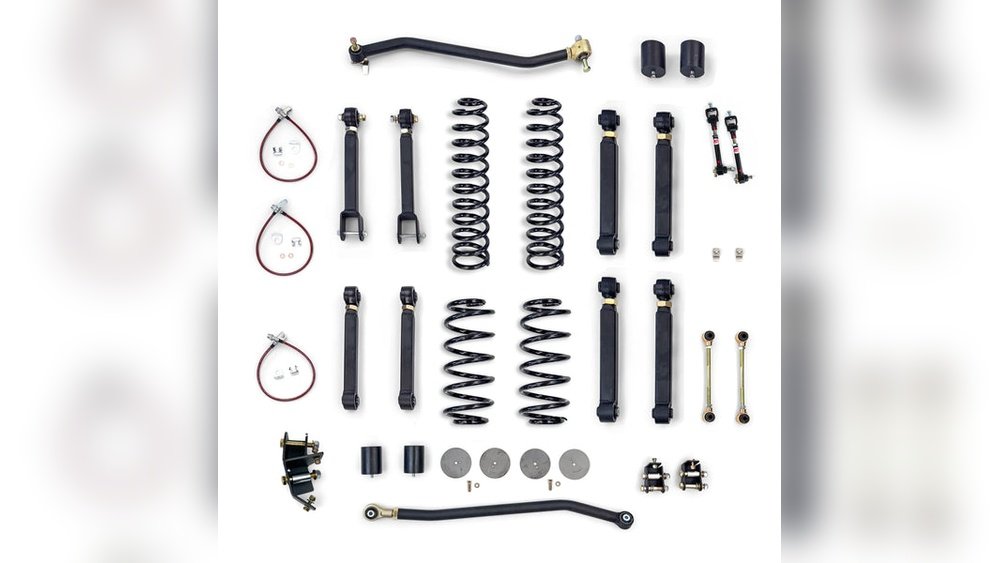
If you plan to install larger tires, you will likely need a lift kit to provide adequate clearance. The combination of wheel offset, tire size, and lift height needs careful planning to avoid rubbing on fenders, control arms, or the frame during articulation. A common setup for 35-inch tires on a JK/JL Wrangler might involve a 2.5-inch lift and wheels with a 0mm to -12mm offset.
Ride Quality And On-road Manners
As mentioned, larger wheels (e. g.
, 18-inch or 20-inch) with lower profile tires generally result in a firmer ride on paved roads. If your Jeep is primarily a daily driver with occasional off-road excursions, you might prefer a smaller wheel diameter (like 17-inch) to retain more comfortable on-road driving characteristics.
Maintenance Of The Charcoal Finish
While charcoal is practical, it still requires care. To maintain its appearance and longevity, regular cleaning with mild soap and water is recommended.
Avoid abrasive cleaners or harsh chemicals that can damage the finish. For off-road enthusiasts, this means washing off mud and grime promptly, especially after driving in areas with salt or corrosive elements.
Cost And Value
Aftermarket wheels can vary significantly in price. The Mammoth Boulder Charcoal J100614 likely sits in a mid-range price point, offering a good balance of style, durability, and cost.
It's important to compare not just the price but also the specifications (load rating, construction) against other wheels in the same category.
Installation And Fitment Guide
Proper installation is paramount for safety and performance. While many owners opt for professional installation, understanding the basics can be helpful.
Key Installation Steps
- Remove Stock Wheels: Loosen lug nuts on the existing wheels and safely lift the Jeep to remove them.
- Inspect Hub and Brakes: Before mounting new wheels, check the brake components (rotors, pads) and the wheel hub for any damage or debris. Clean the hub surface to ensure a flush mounting.
- Mount New Tires: Tires are typically mounted and balanced onto the new wheels by a tire shop. Ensure they use appropriate tire-mounting machines to avoid damaging the wheel’s finish or bead seating area.
- Install Wheels: Mount the J100614 wheels onto the hubs. Hand-tighten the lug nuts in a star pattern.
- Torque Lug Nuts: Lower the vehicle slightly so the tires are just touching the ground. Using a torque wrench, tighten the lug nuts to the manufacturer’s specified torque setting (typically around 100-130 lb-ft for Wranglers, but always verify). A common mistake is over-tightening, which can warp rotors or damage studs. A star pattern ensures even pressure.
- Final Torque: Once the vehicle is fully on the ground, re-torque the lug nuts to the final specification.
- Re-Torque After Driving: It is crucial to re-torque the lug nuts after driving approximately 50-100 miles. Wheels can settle, and lug nuts can loosen slightly.
Important Fitment Notes
- TPMS Sensors: If your Wrangler is equipped with Tire Pressure Monitoring System (TPMS) sensors, ensure they are either transferred from your old wheels or new compatible sensors are installed. The J100614 wheels should have provisions for these sensors.
- Lug Nuts: Use the correct type of lug nuts specified for the J100614 wheels. Aftermarket wheels may require different lug nuts (e.g., conical vs. ball seat) than stock wheels. Using the wrong lug nuts can damage the wheel or lead to unsafe mounting.
- Center Bore: Ensure the center bore of the wheel matches the hub diameter of your Wrangler. While most aftermarket wheels for Wranglers will have a compatible center bore, hub-centric rings can be used if there’s a slight difference to prevent vibrations.

Comparing The Mammoth Boulder Charcoal J100614 To Alternatives
The aftermarket wheel market is crowded. Here’s how the J100614 might stack up against common alternatives:
Category: Rugged Off-road Wheels (e.g., Method Race Wheels, Fuel Off-road)
- Mammoth J100614: Often positioned as a strong value proposition, offering a good blend of durability and style at a competitive price point. The charcoal finish is a popular, versatile choice.
- Method Race Wheels: Known for extreme durability and motorsport-inspired designs. Often come with higher price tags. Their finishes can be more specialized (e.g., matte black, bronze).
- Fuel Off-Road: Offers a vast range of styles, from aggressive to more refined. Known for bold designs and various finishes. Price points can vary widely.
Category: More Budget-friendly Options
- Mammoth J100614: Generally offers better build quality and load ratings than the cheapest options available.
- Generic Brand Wheels: May be significantly cheaper but often compromise on load rating, finish durability, or material quality. These are generally not recommended for serious off-roading.
- Mammoth J100614: As a cast aluminum wheel, it won’t match the extreme strength-to-weight ratio of forged wheels.
- Forged Wheels (e.g., KMC XD Series Forged, some American Force wheels): Offer the ultimate