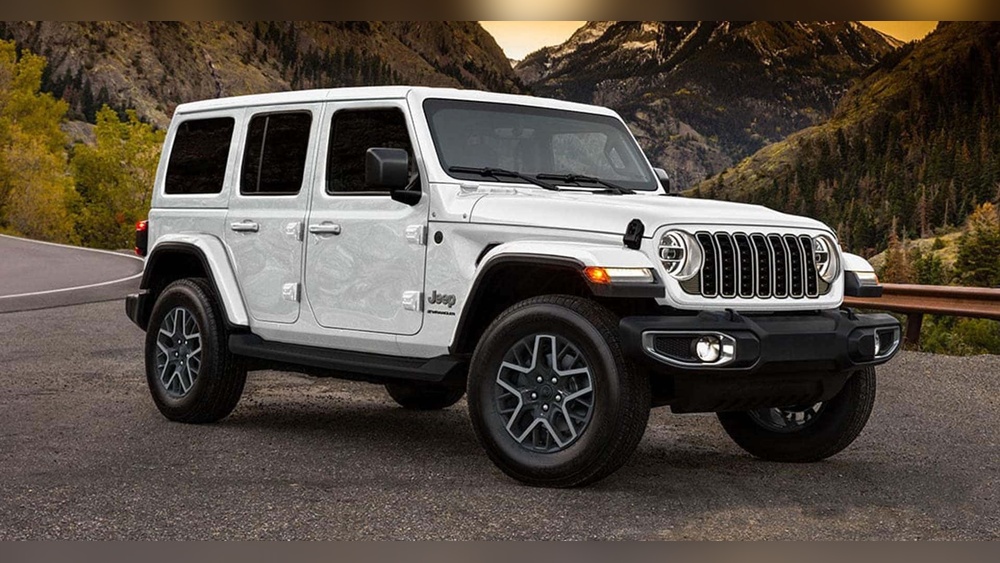
Owning a Jeep Wrangler feels like joining a club. You get adventure, freedom, and a rugged vehicle that can handle almost anything—from muddy trails to snowy highways.
But to keep your Wrangler running strong, you need to pay attention to maintenance. Neglect can lead to expensive repairs or even leave you stranded.
So, how do you keep your Wrangler healthy without feeling overwhelmed? Let’s break it down, step by step, with advice that works for both beginners and experienced drivers.
Regular Maintenance Essentials
Routine care is the foundation for a long-lasting Jeep Wrangler. These basic tasks keep your Jeep reliable and ready for your next trip.
Oil Changes
Your Wrangler’s engine needs clean oil. Most experts suggest changing the oil every 3,000–5,000 miles for older models, and up to 7,500 miles for newer ones with synthetic oil. Use the oil type recommended in your owner’s manual—Wranglers often require 5W-20 or 5W-30.
Neglecting oil changes is a common mistake. Dirty oil leads to engine wear and overheating. Always check the oil level monthly and look for leaks under your vehicle.
Tire Care
Wrangler tires take a beating, especially off-road. Rotate tires every 6,000–8,000 miles to ensure even wear. Check tire pressure monthly; the recommended pressure is usually 35 PSI, but always check your Jeep’s manual.
Off-road driving wears tires faster, so inspect for cuts or bulges. Uneven wear can signal issues with alignment or suspension.
Brake Checks
Brakes are critical for safety. Listen for squeaking or grinding—these sounds mean it’s time to inspect. Replace brake pads every 25,000–50,000 miles depending on driving habits.
Wrangler owners often forget the brakes after water crossings or mud. Moisture can rust brake parts. After off-roading, rinse brakes and check them for mud or debris.
Fluid Levels
Besides oil, your Wrangler has other fluids:
- Coolant: Prevents overheating. Check levels every 3 months.
- Transmission fluid: Needed for smooth gear shifts. Inspect every 30,000 miles.
- Power steering fluid: Ensures easy turning. Check every 6 months.
Low or dirty fluids can cause expensive damage. Always use the recommended fluid types.
Seasonal Maintenance Tips
Wranglers face different challenges depending on the weather. Adjust your care routine for each season.
Winter Prep
Snow, ice, and salt can harm your Jeep. Inspect the battery—cold weather drains power faster. Check antifreeze levels and make sure your heater works.
Salt causes rust, especially on the frame and underbody. Wash your Wrangler regularly in winter, focusing on the underside. Applying a rust inhibitor is a smart move.
Summer Readiness
Heat stresses engines and tires. Test your air conditioning before summer starts. Check coolant levels and inspect hoses for cracks, as high temperatures can cause leaks.
If you drive with the top down, clean and lubricate door seals and latches. Sun exposure fades interiors, so use a sunshade and protect surfaces with UV-resistant sprays.
Off-road Maintenance
The Jeep Wrangler is built for adventure, but rough terrain means extra care.
After Off-roading
Always inspect your Jeep after a tough trail:
- Check for scratches, dents, or broken parts.
- Clean mud from the underbody, suspension, and wheel wells.
- Inspect tires for punctures or sidewall damage.
Mud and rocks can damage the drivetrain and exhaust system. Look for leaks or strange noises. If you drive through water, check for water in the engine or transmission—sometimes this causes a milky oil appearance.
Suspension And Alignment
Off-roading stresses the suspension. Listen for clunks or squeaks, which signal worn bushings or shocks. Inspect for bent or broken parts. If your Jeep pulls to one side, you may need an alignment.
A common beginner mistake is ignoring the suspension until the ride feels rough. Early checks can prevent costly repairs.
Key Replacement Parts And Lifespans
Knowing when parts might fail helps you plan ahead and avoid surprises. Here’s a quick comparison of typical lifespans for Wrangler components:
| Part | Average Lifespan | Signs to Replace |
|---|---|---|
| Battery | 3–5 years | Slow start, dim lights |
| Brake Pads | 25,000–50,000 miles | Squeaking, reduced braking |
| Tires | 40,000–60,000 miles | Worn tread, cracks |
| Air Filter | 15,000–30,000 miles | Reduced engine power |
| Spark Plugs | 30,000–100,000 miles | Rough idle, misfiring |

Jeep Wrangler Maintenance Costs
Maintaining a Wrangler is not cheap, but regular care saves money in the long run. Here’s a comparison of typical service costs:
| Service | Average Cost | Frequency |
|---|---|---|
| Oil Change | $50–$100 | 3,000–7,500 miles |
| Tire Rotation | $20–$50 | 6,000–8,000 miles |
| Brake Pad Replacement | $150–$300 | 25,000–50,000 miles |
| Air Filter Change | $20–$40 | 15,000–30,000 miles |
| Coolant Flush | $100–$150 | 30,000 miles |
Costs depend on your location, Jeep model, and whether you use a dealership or independent mechanic. DIY saves money, but only if you have the right tools and skills.
Do-it-yourself Maintenance
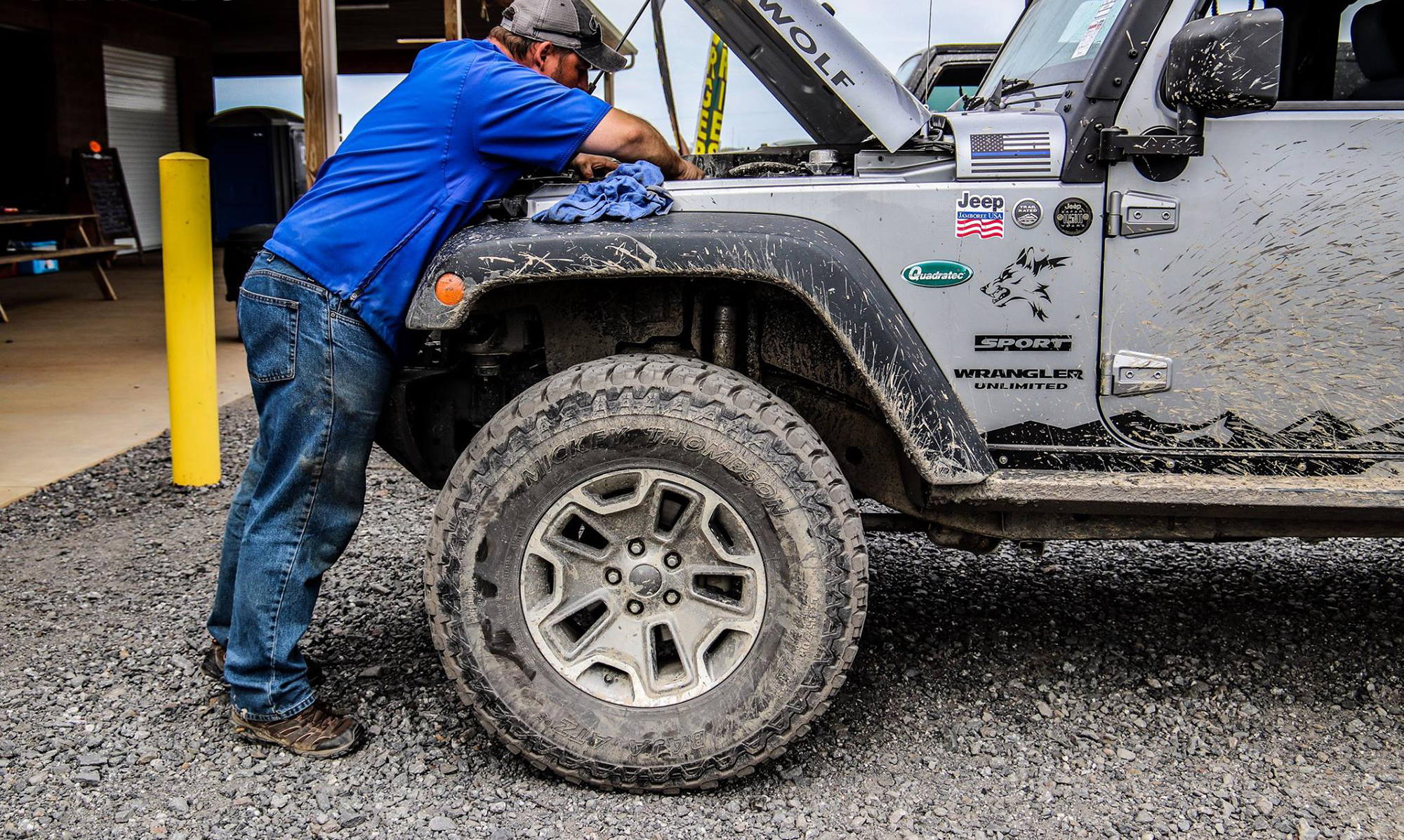
Many Wrangler owners like to handle basic maintenance themselves. It’s rewarding and cheaper—but mistakes can cause problems.
Tools You Need
- Socket wrench set
- Screwdrivers
- Jack and jack stands
- Oil drain pan
- Tire pressure gauge
Having these tools makes most jobs easier. Always use safety gear, like gloves and eye protection.
Common Diy Tasks
- Oil changes: Follow the manual. Warm up the engine, drain old oil, replace the filter, and add new oil.
- Air filter replacement: Open the air box, swap the filter, and close it.
- Tire rotation: Move tires front-to-back, using the pattern shown in your manual.
- Brake pad checks: Remove the wheel, inspect pads, and replace if thin.
Don’t guess if you’re unsure—watch videos or ask experts. Many beginners forget to properly torque bolts, which leads to loose parts.
Preventing Rust And Corrosion
Wranglers are tough, but rust is their enemy. Salt, mud, and moisture attack the metal, especially underneath.
Rust Prevention Steps
- Wash your Jeep often, focusing under the body.
- Apply rust inhibitor sprays to exposed metal.
- Inspect for chips or scratches—repair them quickly.
If you drive off-road or in winter, rust prevention is even more important. Rust can weaken the frame and suspension, making your Jeep unsafe.
Maintenance Schedule: What To Do And When
A clear schedule helps you stay organized. Here’s a sample Jeep Wrangler maintenance timeline:
| Task | Interval |
|---|---|
| Oil Change | 3,000–7,500 miles |
| Tire Rotation | 6,000–8,000 miles |
| Brake Inspection | Every 12,000 miles |
| Coolant Check | Every 3 months |
| Air Filter Replacement | 15,000–30,000 miles |
| Rust Inspection | Every 6 months |
| Suspension Check | Annually |
Stick to this schedule, and your Jeep will stay reliable. Adjust intervals if you drive off-road or in extreme conditions.

Two Non-obvious Insights For Wrangler Owners
- Check soft top hardware: Many forget to lubricate and inspect the soft top latches and hinges. Weak or rusty hardware can cause leaks or make the top hard to remove.
- Monitor axle seals: Off-roading stresses axle seals, which can leak without obvious symptoms. Early detection prevents differential fluid loss and expensive repairs.
When To Visit A Professional
Some maintenance tasks are best left to experts:
- Transmission repairs
- Electrical problems
- Major suspension work
You should also seek help if you notice warning lights or strange noises you can’t diagnose. A trusted mechanic finds problems early and keeps your Jeep safe.
Useful Resources
The Jeep Wrangler owner’s manual is your best guide. It lists recommended fluids, intervals, and troubleshooting tips. For more in-depth advice, visit the official Jeep Wrangler site.
Wrapping Up
A Jeep Wrangler is more than just a car—it’s a companion for adventure. Regular maintenance is the secret to a long, trouble-free life for your Jeep. Whether you drive on highways or tackle muddy trails, following these tips keeps your Wrangler ready for anything.
Start with the basics, learn from others, and don’t be afraid to ask for help. With the right care, your Jeep will keep rolling for years.
Frequently Asked Questions
<!– wp:rank-math/faq-block {"questions":[{"id":"faq-question-76f762d9b1f6","title":"How Often Should I Change The Oil In My Jeep Wrangler?","content":"Most Wranglers need an oil change every 3,000–7,500 miles, depending on the model and oil type. Check your owner’s manual for exact intervals.
“,”visible”:true},{“id”:”faq-question-693ba76d1aa9″,”title”:”What’s The Best Way To Prevent Rust?”,”content”:”Wash your Jeep regularly, apply rust inhibitors, and inspect for scratches or chips. Pay special attention to the underbody, especially after driving on salty roads.
“,”visible”:true},{“id”:”faq-question-e3a34878076b”,”title”:”How Do I Know When My Brake Pads Need Replacing?”,”content”:”Look for squeaking, reduced braking power, or a warning light. Most pads last 25,000–50,000 miles, but check them more often if you drive off-road.
“,”visible”:true},{“id”:”faq-question-4ec19423bd2c”,”title”:”Can I Do Basic Maintenance Myself?”,”content”:”Yes, many tasks like oil changes, air filter swaps, and tire rotations are DIY-friendly. Make sure you follow instructions and use the right tools.
“,”visible”:true},{“id”:”faq-question-20f78a5b2bd6″,”title”:”Does Off-roading Require Extra Maintenance?”,”content”:”Absolutely. After off-road trips, clean mud from the underbody, inspect tires and suspension, and check for leaks or damage. Off-roading stresses many parts, so frequent checks are important.
“,”visible”:true}]} –>How Often Should I Change The Oil In My Jeep Wrangler?
Most Wranglers need an oil change every 3,000–7,500 miles, depending on the model and oil type. Check your owner’s manual for exact intervals.
What’s The Best Way To Prevent Rust?
Wash your Jeep regularly, apply rust inhibitors, and inspect for scratches or chips. Pay special attention to the underbody, especially after driving on salty roads.
How Do I Know When My Brake Pads Need Replacing?
Look for squeaking, reduced braking power, or a warning light. Most pads last 25,000–50,000 miles, but check them more often if you drive off-road.
Can I Do Basic Maintenance Myself?
Yes, many tasks like oil changes, air filter swaps, and tire rotations are DIY-friendly. Make sure you follow instructions and use the right tools.
Does Off-roading Require Extra Maintenance?
Absolutely. After off-road trips, clean mud from the underbody, inspect tires and suspension, and check for leaks or damage. Off-roading stresses many parts, so frequent checks are important.