Getting the lug nut torque right on your Jeep Wrangler is more important than many realize. It’s not just a technical detail—it's a safety issue.
The torque is the force used to tighten the lug nuts on your wheels. If you use too little, the nuts can loosen, and the wheel might fall off while driving.
Too much torque can damage the studs, making it hard or impossible to remove the nuts when needed. Many Jeep owners overlook this simple step, but knowing the correct torque and applying it properly can save you money and prevent dangerous situations.
Let’s explore everything you need to know about Jeep Wrangler lug nut torque so you can keep your vehicle safe and running strong.
What Is Lug Nut Torque?
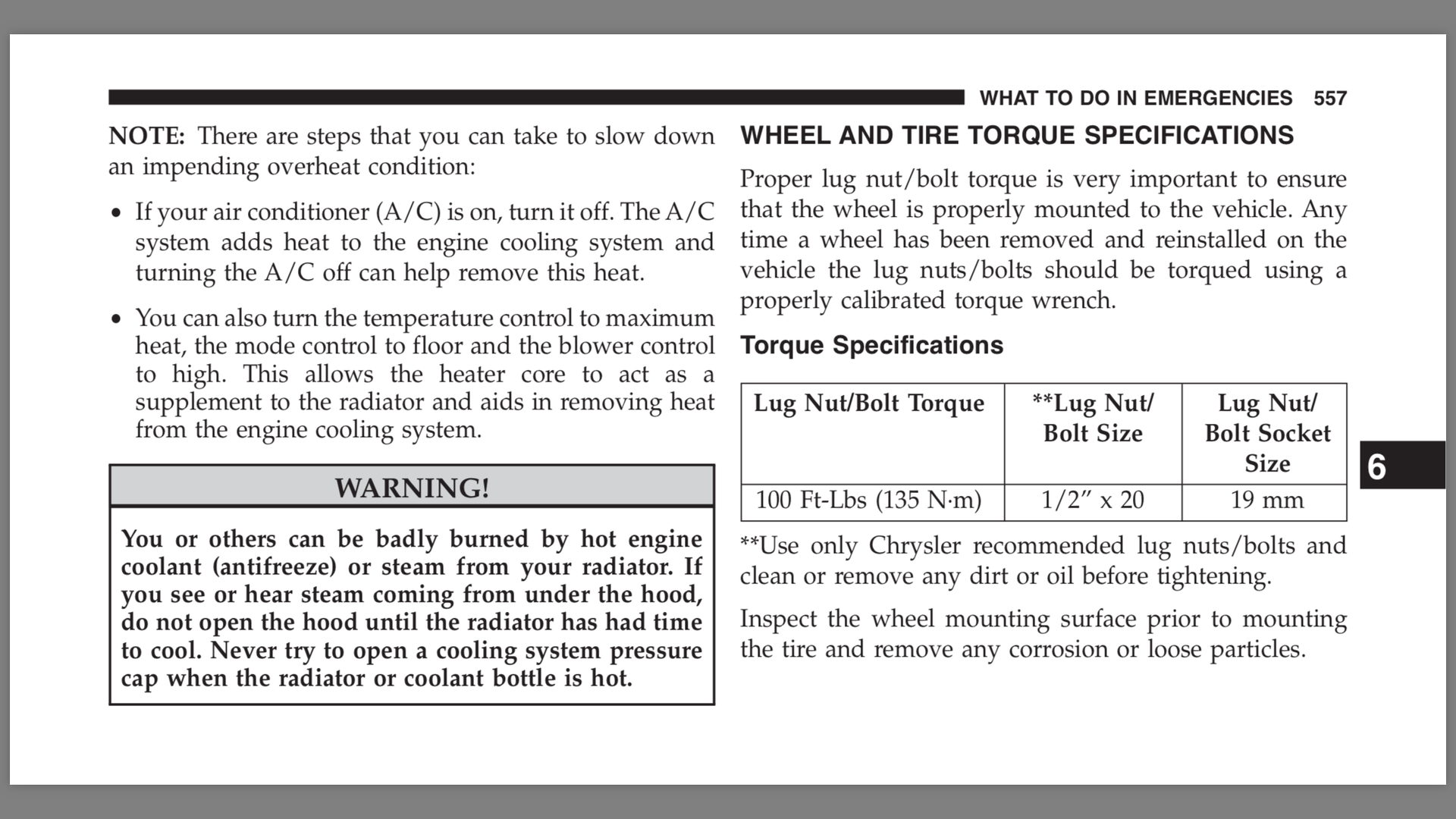
Lug nut torque is the amount of force applied when tightening the nuts that hold your wheel to the hub. This force is measured in foot-pounds (ft-lb). For the Jeep Wrangler, this value is set by the manufacturer and is based on the design of the wheel, the size of the lug nuts, and the materials used. The goal is to create a strong, even clamping force without overstressing the parts.
A torque wrench is often used to apply the correct force. It’s a tool that clicks or shows a number when you reach the desired torque. Using a regular wrench or “winging it” by feel is risky, because humans are not good at judging force without the right tools.
Jeep Wrangler Lug Nut Torque Specifications
Jeep Wrangler models have slightly different torque values depending on the year and wheel setup. Here’s a comparison of some common models:
| Model Year | Lug Nut Size | Recommended Torque (ft-lb) |
|---|---|---|
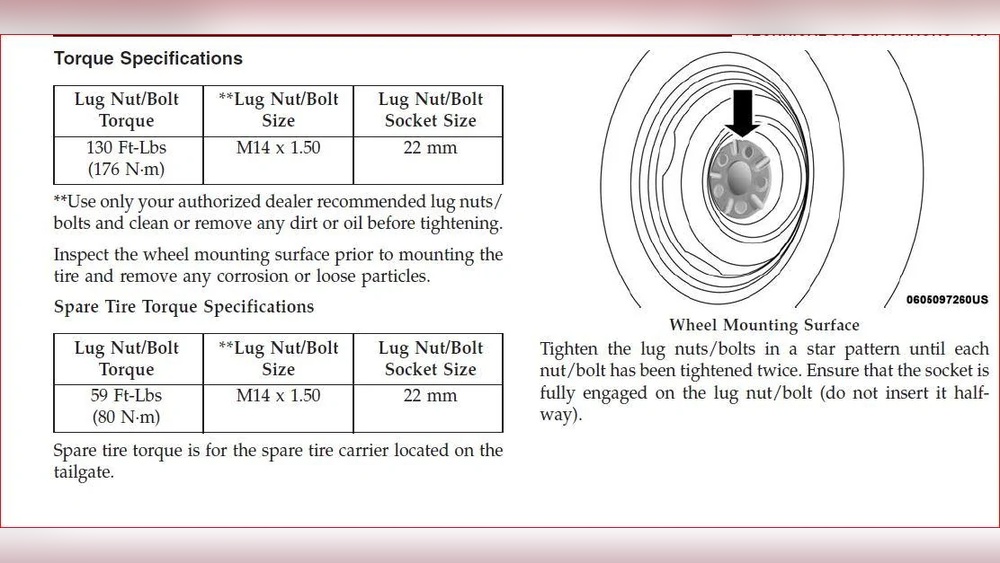
| 2018–2026 JL | 14mm x 1.5 | 130 |
| 2007–2017 JK | 1/2″–20 | 100 |
| 1997–2006 TJ | 1/2″–20 | 100 |
| 1987–1995 YJ | 1/2″–20 | 95 |
Always check your owner’s manual or look for a sticker inside the driver’s door for the exact value. Different wheels (steel vs alloy) can also change the recommended torque.
Why Correct Torque Matters
Many drivers assume tight is good enough. But Jeep Wranglers are often used for off-roading, where wheels face extra stress. If the lug nuts are not torqued right, you risk:
- Loose wheels: Can cause vibrations, noise, or even wheel separation.
- Stud damage: Over-tightening can stretch or crack the threads.
- Uneven clamping: Can warp brake rotors or damage wheel hubs.
- Difficult removal: Too much torque can make roadside tire changes impossible.
For off-road use, always check lug nut torque after rough trails. Sometimes, bumps can loosen nuts even if they were tight before.
How To Torque Jeep Wrangler Lug Nuts
Getting the torque right is easy if you follow these steps:
- Gather tools: You need a torque wrench, your owner’s manual, and possibly a socket set that fits your lug nuts.
- Lift the vehicle: Use a jack to raise the wheel off the ground. Make sure the Jeep is stable and secure.
- Tighten in a star pattern: Never go around the wheel in a circle. Tighten lug nuts in a crisscross or star shape for even pressure.
- Set the torque wrench: Adjust the wrench to the recommended value (e.g., 130 ft-lb for JL models).
- Torque each nut: Apply steady pressure until the wrench clicks or displays the correct value.
- Double-check: After lowering the Jeep, re-torque all nuts. Sometimes, the wheel settles and needs a final adjustment.
Here’s a typical tightening pattern for a 5-lug wheel:
| Lug Number | Tightening Order |
|---|---|
| 1 | Start at any lug |
| 2 | Skip to opposite lug |
| 3 | Go to next farthest lug |
| 4 | Move to opposite |
| 5 | Finish at last lug |
Common Lug Nut Torque Mistakes
Even experienced Jeep owners make mistakes. Here are a few you should avoid:
- Not using a torque wrench: Guessing by hand is never accurate.
- Ignoring retorque: After driving 50–100 miles on new wheels, always check and retorque the nuts.
- Over-lubrication: Don’t use oil or grease on lug nut threads unless the manual says to. Lubricated threads can change the torque reading.
- Mixing wheel types: Steel wheels and alloy wheels often need different torque. Using the wrong value can cause problems.
- Using damaged nuts or studs: Always inspect for cracks or worn threads before reinstalling.
One non-obvious insight: After a tire rotation or wheel replacement, temperature changes can affect torque. Cold weather contracts metal, sometimes loosening nuts. Check torque during seasonal changes, especially if you drive in winter climates.
Torque Wrench Types And Tips
Torque wrenches come in several styles. Knowing the difference can help you get more accurate results.
| Type | Description | Best Use |
|---|---|---|
| Click-type | Clicks when set torque is reached | Wheel lug nuts |
| Beam-type | Needle moves over a scale | General mechanical work |
| Electronic | Displays digital reading | Precision jobs |
For Jeep Wrangler wheels, a click-type torque wrench is the most popular. It’s simple, reliable, and you can find it in most auto parts stores.
Pro tip: Store your torque wrench at its lowest setting when not in use. This keeps the internal spring from losing accuracy over time.

Real-world Example: What Happens If You Get It Wrong?
Let’s say you install a new set of wheels and just tighten by hand. After a week of driving, you notice a slight vibration and a clicking sound. You check the wheels and find one lug nut is nearly loose.
If you had used a torque wrench, this wouldn’t have happened.
On the other hand, some drivers use impact wrenches to tighten nuts, which can easily go over 200 ft-lb. This may seem secure, but it often damages the threads, making future removal nearly impossible. It also increases the risk of wheel or brake component failure.
Jeep Wrangler Aftermarket Wheels And Torque
If you upgrade your Wrangler with aftermarket wheels, always look for the manufacturer’s recommended torque. Most aftermarket wheels use similar values, but some need extra care:
- Different materials: Aluminum and steel wheels have different expansion rates. Torque may vary.
- Custom lug nuts: Some aftermarket wheels use a special shape or size, which changes the torque requirement.
- Wheel spacers: Adding spacers requires checking torque more often. They increase stress on the studs.
Always use the correct torque for your setup. Contact the wheel maker or check their website for specific numbers.
How Often Should You Check Lug Nut Torque?
Routine maintenance is key. You don’t need to check torque daily, but here are some guidelines:
- After wheel installation or rotation: Check after 50–100 miles.
- Before long trips: Especially off-road adventures or towing.
- Seasonal checks: If you switch between winter and summer tires.
- After rough off-roading: High-impact trails can loosen nuts.
Many Jeep owners forget retorque after a tire change. This is a common mistake that can lead to problems on the road.
Safety Benefits Of Correct Lug Nut Torque
Proper torque isn’t just about following instructions. It directly impacts your safety and the safety of others. Well-torqued lug nuts:
- Prevent wheel loss: Reduces chance of wheels coming off while driving.
- Protect brake rotors: Avoids warping from uneven pressure.
- Extend wheel life: Prevents cracks and damage from loose or overtightened nuts.
- Make roadside changes easier: Nuts can be removed with simple tools, no fighting stuck parts.
Another insight: If you frequently drive on salted winter roads, corrosion can make nuts harder to remove. Proper torque reduces the risk of nuts “freezing” to the studs.
Jeep Wrangler Lug Nut Torque And Tire Shops
Many tire shops use air-powered tools for speed, but these tools can easily over-torque lug nuts. When picking up your Jeep after service, ask the technician:
- Did you use a torque wrench?
- What torque did you set the nuts to?
- Can you show me the torque value in my manual?
If you’re unsure, check the nuts yourself at home. Most shops won’t mind if you double-check. It’s your safety at stake.
For more about torque settings and wheel safety, visit the official Jeep site: Jeep Owners Manuals.
Frequently Asked Questions
<!– wp:rank-math/faq-block {"questions":[{"id":"faq-question-055027a5f19c","title":"What Is The Correct Lug Nut Torque For A 2026 Jeep Wrangler?","content":"The recommended torque for 2026 Jeep Wrangler (JL) models is 130 ft-lb. Always check your owner’s manual for confirmation, as wheel type or aftermarket parts can slightly change this value.
“,”visible”:true},{“id”:”faq-question-40f0c819b20a”,”title”:”Can I Use An Impact Wrench To Tighten Jeep Wrangler Lug Nuts?”,”content”:”It’s not recommended. Impact wrenches often go past the correct torque, which can damage studs and nuts. Use a torque wrench for final tightening to ensure accuracy.
“,”visible”:true},{“id”:”faq-question-e0fbaece2e4e”,”title”:”How Often Should I Re-torque My Jeep Wrangler’s Lug Nuts?”,”content”:”After installing new wheels or rotating tires, check torque after 50–100 miles. For regular driving, inspect every few months, especially before long trips or after rough off-roading.
“,”visible”:true},{“id”:”faq-question-e7159f7177de”,”title”:”What Happens If I Over-torque My Lug Nuts?”,”content”:”Over-torquing can stretch or crack the studs, making them unsafe. It may also make lug nuts impossible to remove and can damage the wheel or brake parts.
“,”visible”:true},{“id”:”faq-question-6953e04ba3d2″,”title”:”Do Aftermarket Wheels Need Different Torque Values?”,”content”:”Sometimes. Aftermarket wheels may use different materials or lug nut sizes. Always follow the wheel manufacturer’s instructions for torque settings.
Getting the lug nut torque right on your Jeep Wrangler isn’t hard, but it requires care and the proper tools. Use the correct value, follow the right pattern, and check your nuts regularly—especially after tough trails or tire changes. These simple steps can prevent costly repairs and keep you safe wherever you drive.
Remember, a few minutes with a torque wrench is a small price to pay for peace of mind.
“,”visible”:true}]} –>What Is The Correct Lug Nut Torque For A 2026 Jeep Wrangler?
The recommended torque for 2026 Jeep Wrangler (JL) models is 130 ft-lb. Always check your owner’s manual for confirmation, as wheel type or aftermarket parts can slightly change this value.
Can I Use An Impact Wrench To Tighten Jeep Wrangler Lug Nuts?
It’s not recommended. Impact wrenches often go past the correct torque, which can damage studs and nuts. Use a torque wrench for final tightening to ensure accuracy.
How Often Should I Re-torque My Jeep Wrangler’s Lug Nuts?
After installing new wheels or rotating tires, check torque after 50–100 miles. For regular driving, inspect every few months, especially before long trips or after rough off-roading.
What Happens If I Over-torque My Lug Nuts?
Over-torquing can stretch or crack the studs, making them unsafe. It may also make lug nuts impossible to remove and can damage the wheel or brake parts.
Do Aftermarket Wheels Need Different Torque Values?
Sometimes. Aftermarket wheels may use different materials or lug nut sizes. Always follow the wheel manufacturer’s instructions for torque settings.
Getting the lug nut torque right on your Jeep Wrangler isn’t hard, but it requires care and the proper tools. Use the correct value, follow the right pattern, and check your nuts regularly—especially after tough trails or tire changes. These simple steps can prevent costly repairs and keep you safe wherever you drive.
Remember, a few minutes with a torque wrench is a small price to pay for peace of mind.