The Jeep Wrangler JL is an iconic vehicle, known for its off-road prowess and rugged design. When you start thinking about upgrading its appearance and performance, one of the most popular choices is fitting larger wheels.
Specifically, many owners consider putting 20-inch wheels on their Jeep Wrangler JL. But is this a good idea?
What are the pros and cons? And what should you look for?
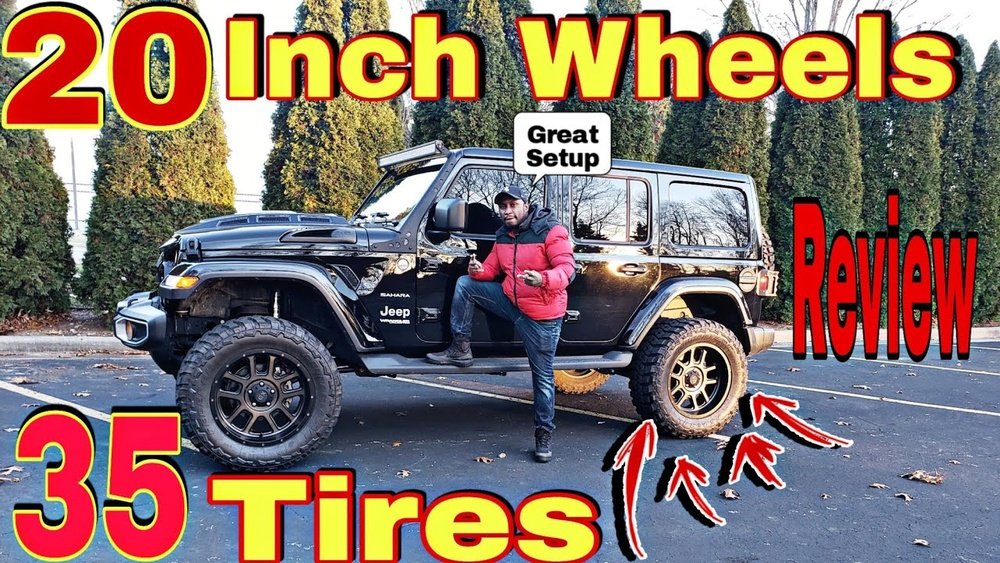
This guide will explore everything you need to know about Jeep Wrangler JL with 20-inch wheels. We’ll cover how they affect performance, what to consider when choosing them, and the impact on your off-road adventures. We’ll also look at different styles and popular options to help you make an informed decision.
Why Consider 20-inch Wheels For Your Jeep Wrangler Jl?
Bigger wheels often look impressive, giving a Jeep a more aggressive stance. But the appeal of 20-inch wheels goes beyond just looks.
They can offer certain benefits, especially if you're aiming for a specific look or type of performance.
Aesthetic Appeal
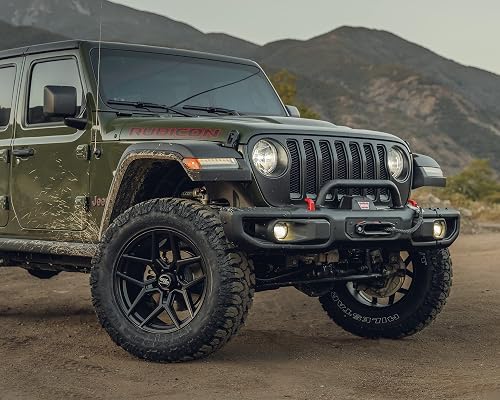
Let’s be honest, a significant reason people opt for larger wheels is the visual impact. 20-inch wheels fill out the wheel wells of the Wrangler JL nicely, creating a bolder, more muscular appearance. This is particularly true for models like the Rubicon or Sahara, where the larger wheel can complement the vehicle’s already robust design. They can make a stock Wrangler look more customized and high-end.
On-road Handling
For drivers who spend most of their time on paved roads, larger wheels, when paired with the right tires, can sometimes offer a firmer ride and potentially improved on-road handling. The lower profile tires that typically come with 20-inch wheels have less sidewall flex. This means less sway when cornering and a more direct feel from the steering. However, this comes at a cost, which we’ll discuss later.
Tire Options
While the Wrangler is famous for its off-road tires, 20-inch wheels open up a different range of tire options. You can find performance-oriented street tires or all-terrain tires with a lower aspect ratio. This allows for a more customized setup depending on your primary driving needs. If your Wrangler is more of a daily driver that sees occasional light trails, this can be a good compromise.
The Downsides Of 20-inch Wheels On A Jeep Wrangler Jl
While the allure of 20-inch wheels is strong, it’s crucial to understand the potential drawbacks. For a vehicle designed for off-road capability like the Wrangler, increasing wheel size can significantly impact its core strengths.
Reduced Off-road Capability
This is perhaps the biggest concern. The Wrangler JL is built to conquer tough terrain. When you put on 20-inch wheels, you typically need to use lower-profile tires. These tires have much thinner sidewalls.
- Vulnerability: Thinner sidewalls are far more susceptible to damage from rocks, sharp edges, or even just hitting a pothole hard off-road. A sidewall blowout can leave you stranded.
- Ride Comfort: The thicker sidewalls of smaller tires (like 17-inch or 18-inch) act as an additional cushion, absorbing bumps and vibrations. Low-profile tires transmit more of these impacts directly to the cabin, making the ride harsher, especially on uneven surfaces.
- Traction: Off-roading often benefits from airing down tires to increase the contact patch with the ground. With less sidewall to flex, airing down significantly on 20-inch wheels is less effective and can be risky due to the increased chance of rim damage.
Ride Quality Deterioration
As mentioned, the thinner sidewalls of tires meant for 20-inch wheels mean less cushioning. This translates to a harsher ride on any surface, not just off-road. Potholes, speed bumps, and rough roads will be felt much more acutely in the cabin. Many owners find that the comfort they expect from a modern vehicle is compromised.
Increased Risk Of Wheel Damage
While tires protect the wheels, larger wheels with lower-profile tires are inherently more exposed. Hitting curbs, large potholes, or rocks can easily dent, bend, or crack a 20-inch wheel. Repairing or replacing these can be expensive.
Impact On Mpg And Performance
Larger wheels are generally heavier than smaller ones. This added weight, especially rotational mass, requires more energy from the engine to accelerate and maintain speed. This can lead to:
- Reduced Fuel Economy: You’ll likely see a noticeable drop in your miles per gallon (MPG).
- Slower Acceleration: The engine has to work harder, potentially making the Jeep feel less responsive.
- Increased Strain on Components: The heavier wheels put more stress on the suspension, brakes, and drivetrain components over time.
Cost
20-inch wheels and the associated tires are generally more expensive than smaller setups. This applies to the initial purchase and ongoing replacement costs.
What To Consider When Choosing 20-inch Wheels For Your Jl Wrangler
If you’ve weighed the pros and cons and decided that 20-inch wheels are the right choice for your needs, there are several factors to keep in mind to ensure you get the best setup for your Wrangler JL.
Wheel Size And Offset
- Diameter: You’re aiming for 20 inches, but ensure the overall diameter of the wheel and tire combination is similar to the stock setup (or within an acceptable range for your speedometer and gearing).
- Width: Wheel width affects tire choices and how the tire sits. A wider wheel might require a wider tire.
- Bolt Pattern: The Jeep Wrangler JL uses a 5×5 inch (127mm) bolt pattern. Ensure any wheels you choose match this.
- Offset: This is crucial. The offset determines how far the wheel sits inward or outward from the hub.
- Positive Offset: Wheel sits further inside the fender.
- Negative Offset: Wheel sits further outside the fender.
- For Wranglers, a zero or slight negative offset is often preferred to help clear suspension components and achieve a more aggressive stance without rubbing. Incorrect offset can cause tire rub on fenders, suspension parts, or control arms, especially when turning or flexing the suspension.
Tire Size And Type
Choosing the right tires to pair with your 20-inch wheels is as important as the wheels themselves.
- Aspect Ratio: This is the tire’s sidewall height as a percentage of its width. For 20-inch wheels, you’ll typically be looking at tires with lower aspect ratios (e.g., 50, 45, 40, or even 35).
- Example: A 35×12.50R20 tire has a 20-inch rim diameter, is 12.50 inches wide, and the sidewall height is 35% of 12.50 inches.
- Overall Diameter: Aim for a tire that keeps the overall diameter close to the stock size (around 32 inches for most JL models). Going too large can cause rubbing issues with fenders and suspension, and will affect speedometer accuracy. A common upgrade might aim for an overall diameter of around 33-34 inches, which often requires minor modifications like fender liner trimming or adjustment.
- Tire Type:
- All-Terrain (AT): A good compromise for a mix of on-road and light off-road use. They offer decent tread life and comfort on the street while providing grip on dirt, gravel, and mud.
- Mud-Terrain (MT): More aggressive tread for serious off-roading. They can be noisier and wear faster on pavement.
- Street/Performance Tires: If your Wrangler is primarily a daily driver and rarely sees off-road conditions, these offer the best on-road comfort and handling.
Suspension And Lift Kits
Fitting larger wheels and tires often necessitates modifications to your suspension.
- Stock Suspension: With 20-inch wheels, you might be able to fit up to a 33-inch overall diameter tire without a lift, though some minor rubbing might occur, especially at full steering lock or during suspension compression.
- Lift Kits: To accommodate larger tires (like 35 inches or more) with 20-inch wheels and prevent rubbing, a lift kit is usually required. Common lift heights are 2, 3, or 4 inches. A lift kit raises the vehicle’s body, providing more clearance for the tires. It can also improve the approach and departure angles for off-roading.
Re-gearing
If you significantly increase the overall tire diameter (e.g., going from 32-inch stock tires to 35-inch or larger tires on 20-inch wheels), your Jeep’s gear ratio will effectively become “higher” (numerically lower). This means the engine has to work harder to turn the larger tires.
- Symptoms: You might experience sluggish acceleration, reduced MPG, and the transmission constantly hunting for gears.
- Solution: Many owners choose to re-gear their differentials to compensate for larger tires. For 35-inch tires, changing from the stock 3.73 or 4.10 gears to something like 4.56 or 4.88 (depending on engine and transmission) can restore lost performance. This is a significant mechanical modification and adds to the overall cost.
Calibration
After changing tire size, your speedometer and odometer will be inaccurate. Most modern vehicles, including the Wrangler JL, have a way to recalibrate these settings. This can often be done with an aftermarket programmer or sometimes through the vehicle’s onboard computer settings. It’s essential for accurate speed readings and mileage tracking.
Popular 20-inch Wheel Brands And Styles For The Jeep Wrangler Jl
When looking for 20-inch wheels, you’ll find a wide array of brands and styles. The best choice depends on your budget, aesthetic preferences, and intended use.
Here are some popular types and considerations:
- Rugged Off-Road Wheels: Brands like Fuel Off-Road, Moto Metal, and Vision Wheel offer robust designs often featuring simulated beadlocks, deep lip designs, and matte finishes. These are built to withstand harsh conditions and give your JL a tough look.
- Stylish Street Wheels: For a more sophisticated look, brands like TSW, Stance, or Vossen might offer designs with cleaner lines, polished finishes, or intricate spoke patterns. These are generally more focused on aesthetics and on-road performance.
- OEM-Style Wheels: Some aftermarket companies produce wheels that mimic the look of factory Jeep wheels but in a 20-inch size, offering a subtle upgrade.
- Simulated Beadlock Wheels: These wheels have a decorative ring around the outer edge that mimics the look of a true beadlock. True beadlocks are functional and clamp the tire bead to the rim for extreme off-roading, but they are often overkill for most users and can be illegal for road use in some areas. Simulated beadlocks offer the look without the complexity or cost.
- Two-Piece or Three-Piece Wheels: These are often high-end, customizable options where different parts of the wheel are manufactured separately and then assembled. They offer unique designs and finishes but come at a premium price.
When selecting, pay attention to the weight of the wheel. Lighter wheels are generally better for performance and fuel economy, but they might be less durable for extreme off-roading.

Tire And Wheel Package Deals
Many online retailers and local tire shops offer tire and wheel packages. These can be a convenient way to purchase both components together, and often come with mounting and balancing included.
When purchasing a package, ensure you:
- Confirm compatibility: Double-check bolt pattern, offset, and tire size with your specific Wrangler JL model.
- Understand the warranty: Check what kind of warranty is offered on both the wheels and tires.
- Ask about installation: Ensure the shop has experience with lifting Jeeps and fitting larger tire/wheel combinations.
Common Mistakes To Avoid When Upgrading To 20-inch Wheels
Making the switch to larger wheels can be exciting, but it’s easy to make mistakes that can lead to costly repairs or a less-than-ideal driving experience.
- Ignoring Overall Tire Diameter: Simply choosing a 20-inch wheel doesn’t guarantee it will fit. The total diameter of the wheel plus tire is what matters for clearance and speedometer accuracy. Many people focus only on the rim size.
- Not Considering Offset: An incorrect offset is a common cause of rubbing issues. It can affect steering, suspension travel, and tire wear. Always research the recommended offset for a JL Wrangler with 20-inch wheels.
- Forgetting to Re-gear: If you’re going with significantly larger tires (35 inches or more), failing to re-gear will negatively impact performance and fuel economy. It’s a necessary step for optimal results.
- Overlooking Suspension Needs: Larger tires often require a lift kit for proper clearance. Trying to stuff oversized tires onto a stock suspension will lead to rubbing and potential damage.
- Choosing the Wrong Tire Type: Putting aggressive mud-terrain tires on a daily driver that never sees dirt will result in a noisy, rough ride and faster wear. Conversely, street tires won’t perform well off-road. Match the tire to your primary use.
- Buying Cheap, Low-Quality Wheels: Especially for off-road use, investing in durable, reputable wheels is crucial. Cheap wheels can bend or break, leading to dangerous situations.

Examples Of Popular 20-inch Tire Setups For Jeep Wrangler Jl
To give you a better idea of what’s possible, here are a few common tire sizes that pair well with 20-inch wheels on a Jeep Wrangler JL, along with considerations for each:
Setup 1: All-terrain Focus (35×12.50r20)
- Wheel Size: 20×9 inches (common width)
- Tire Size: 35×12.50R20
- Overall Diameter: Approx. 35 inches
- Considerations:
- Lift Required: At least a 2.5-inch to 3.5-inch lift kit is typically needed to prevent rubbing, especially at full articulation.
- Fender Trimming: Minor fender liner trimming might still be necessary.
- Re-gearing Recommended: For optimal performance, especially with the 3.6L Pentastar engine or the 2.0L Turbo, re-gearing to 4.