Jeep Wrangler Jl Fuel Door Installation: A Simple Guide For A Perfect Fit
Adding a new fuel door to your Jeep Wrangler JL is a popular modification. It’s a relatively easy upgrade that can change the look of your Jeep’s rear end.
Many owners choose aftermarket fuel doors for style, durability, or to match other accessories. This guide will walk you through the process step-by-step, making it easy for you to get a perfect fit and a great-looking result without needing to be a professional mechanic.
We'll cover everything from choosing the right fuel door to the final tightening of screws.
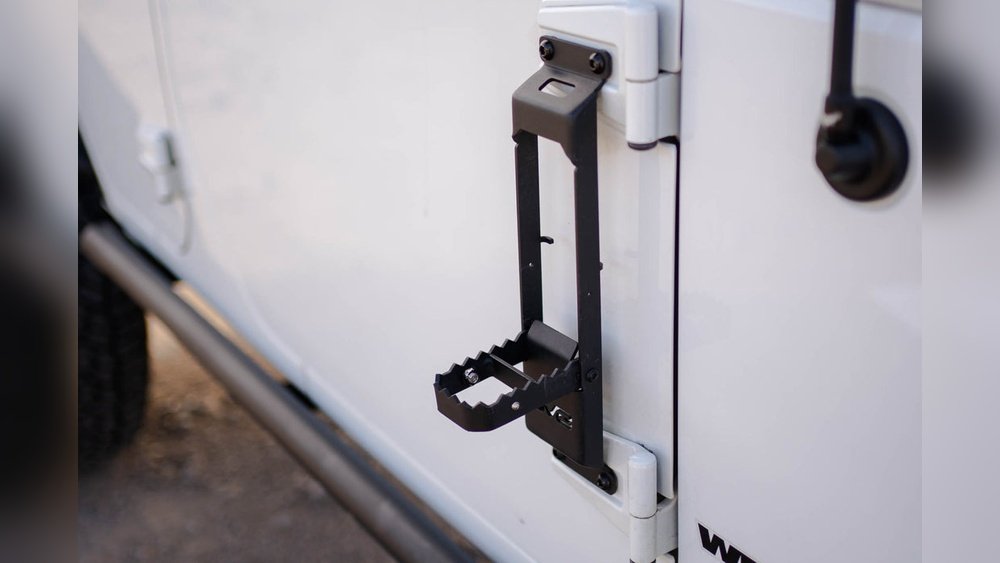
You might be wondering why you’d want to replace your stock fuel door. The factory fuel door is functional, but it’s often made of plastic and can look a bit plain. Aftermarket options are typically made from aluminum or steel, offering more robust construction and a more aggressive or refined appearance. Whether you’re going for a rugged, off-road look or something a bit sleeker, there’s a fuel door out there for you. The installation process is usually straightforward, designed for DIY enthusiasts.
Why Upgrade Your Jeep Wrangler Jl Fuel Door?
The reasons for upgrading are varied, but they generally fall into a few key categories:
- Aesthetics: This is often the primary driver. Aftermarket fuel doors come in many designs, from simple black caps to intricate, vented designs, often with a Machined finish or a Powder-coated look. They can complement custom wheels, roof racks, or other exterior modifications.
- Durability: Many stock fuel doors are plastic. Over time, they can become brittle, crack, or fade. Metal fuel doors offer significantly more resistance to impact and environmental wear, especially important if you frequently drive off-road or in harsh weather conditions.
- Customization: The Wrangler community loves to personalize their vehicles. A fuel door is a relatively small change that can make a big visual impact. It’s an easy way to express your style.
- Protection: Some fuel doors offer a more secure enclosure for the fuel filler neck, potentially offering a little more protection against dirt and debris, though this is less common as a primary benefit.
Choosing The Right Fuel Door For Your Jl
Before you start, you need to select the right fuel door. There are many options on the market, and they can differ in material, design, and installation method.
Materials:
- Aluminum: Lightweight and resistant to rust, aluminum is a popular choice. It can be finished in various ways, including anodized, powder-coated, or machined.
- Steel: Heavier than aluminum but often perceived as more robust. Steel fuel doors are usually powder-coated to prevent rust and corrosion.
- Plastic (ABS): While many aftermarket options are metal, some higher-end plastic versions exist. These are typically ABS plastic with a durable finish, offering a lighter weight and sometimes a more affordable price point.
Designs:
- Smooth/Cap Style: These often mimic the look of the stock door but are made from metal, offering a clean, upgraded appearance.
- Vented: Some designs have openings or vents, adding a more aggressive, performance-oriented look.
- Hinged/Pop-Open: These can offer a different user experience, sometimes opening with a push or a slight pull.
- Color and Finish: Black, silver, and textured finishes are common. Some manufacturers offer color-matched options to your Jeep’s paint.
Compatibility:
- Ensure the fuel door is specifically designed for the Jeep Wrangler JL (2018-present). While some might look similar, the mounting points and fuel neck housing can differ between models (JL vs. JK, for example).
Tools You’ll Need For Installation
The good news is that installing a fuel door is typically a low-skill job. You won’t need a garage full of specialized tools. Here’s what you’ll likely need:
- Phillips Head Screwdriver: For removing the original fuel door and potentially securing the new one.
- Socket Wrench Set (with extensions): Many fuel doors are secured by nuts or bolts that require a socket. A common size is 10mm, but check your specific fuel door’s instructions. Extensions can be helpful to reach fasteners.
- Trim Removal Tool (Optional but Recommended): A plastic trim tool can help gently pry away any plastic trim pieces without scratching them. Sometimes, the fuel door is installed without needing to remove surrounding trim.
- Gloves (Optional): To keep your hands clean and provide a better grip.
- Soft Cloth or Towel: To protect the paint around the fuel filler area from scratches.
- Safety Glasses (Recommended): Always a good idea when working on your vehicle.
Step-by-step Installation Guide
This guide outlines the typical installation process. Always refer to the specific instructions that came with your new fuel door, as designs can vary.
Step 1: Prepare The Area And Gather Your Tools
Before you begin, park your Jeep on a level surface and ensure the engine is off and cool. Open the fuel filler door to access the inner workings.
It's a good idea to place a soft cloth or towel around the fuel filler opening to prevent any accidental scratches to your paintwork.
Lay out all the tools you’ve gathered and familiarize yourself with the new fuel door and its components.
Step 2: Remove The Original Fuel Door Assembly
The factory fuel door is usually held in place by a combination of screws and clips.
- Locate Fasteners: Open the fuel filler door. You will likely see screws around the perimeter of the fuel filler neck housing. These are often Phillips head screws.
- Remove Screws: Carefully remove these screws. Keep them in a safe place, perhaps in a small container, as you might need to re-use them if your new fuel door doesn’t come with replacements.
- Access Retaining Ring/Bezel: Behind the screws, you’ll often find a plastic bezel or retaining ring that holds the fuel filler neck in place and seals against the body. This part might need to be unscrewed or unclipped. Some designs require you to push and twist the bezel counter-clockwise.
- Gently Pry (if needed): If the bezel is stubborn, you might need to use a trim removal tool or a flathead screwdriver (with caution to protect the paint) to gently pry it away from the body. In some cases, the entire fuel filler neck assembly, including the original door, can be removed as one unit after the screws are out.
- Disconnect (if applicable): In rare cases, there might be a small wire or hose connected, but this is uncommon for a standard fuel door.
Step 3: Install The New Fuel Door
This is where the new look comes to life. The installation method will depend heavily on the design of your new fuel door.
Most aftermarket doors replace the entire plastic bezel and door assembly.
Common Installation Method (Bezel Replacement):
- Position the New Bezel: Take your new fuel door assembly. It usually consists of a new metal bezel and the door itself. Align the new bezel with the opening in the Jeep’s body.
- Secure the Bezel:
- Screws: If your new fuel door uses screws, align the screw holes in the new bezel with the corresponding holes in the body or the fuel filler neck. Insert and tighten the provided screws. Make sure they are snug but do not overtighten, as this can strip the threads or crack the plastic.
- Retaining Ring/Twist-Lock: Some designs might use a twist-lock mechanism similar to the factory one. In this case, you’ll align the new bezel and twist it clockwise until it locks into place. You might hear a click.
- Attach the Fuel Door (if separate): Some fuel doors come as a complete unit with the bezel. Others might have the door hinged separately. If it’s separate, you’ll typically attach it to the bezel using provided screws or by snapping it into place. Ensure the hinge operates smoothly.
- Check for Clearance: Make sure the fuel door opens and closes freely without rubbing against the body or any surrounding trim.
Alternative Installation Method (Direct Mount):
Some simpler fuel doors might mount directly over the existing filler neck opening or attach to the body panel with adhesive or a few small screws.
- Clean the Mounting Surface: If using adhesive, ensure the area where the fuel door will attach is clean and dry.
- Align and Attach: Position the new fuel door carefully. If it uses adhesive, peel off the backing and press firmly. If it uses screws, align the holes and install the provided fasteners.
Step 4: Final Checks And Tightening
Once the new fuel door is in place, give it a thorough check.
- Open and Close: Open and close the fuel door multiple times. It should move smoothly without sticking or binding.
- Check Fasteners: Gently wiggle the fuel door. If it feels loose, tighten any screws or fasteners slightly. Again, avoid overtightening.
- Inspect Alignment: Look at the fuel door from different angles. It should sit flush with the body panel and look straight.
- Clean Up: Remove the protective cloth or towel. Clean off any fingerprints or smudges from the new fuel door and the surrounding paint.
Common Pitfalls And How To Avoid Them
While the installation is generally easy, a few common mistakes can lead to frustration or an imperfect fit.
- Overtightening Screws: This is probably the most common mistake. Jeep bodies and many components use plastic nuts or inserts. Overtightening can strip these, making it impossible to secure the fuel door properly. Tighten until snug, then give it just a slight extra turn.
- Forcing Components: If something doesn’t seem to fit, don’t force it. Double-check that you have the correct part for your JL model and that you’re following the instructions. There might be a specific alignment or orientation.
- Scratching Paint: The area around the fuel filler is visible. Be mindful when working with tools. Using a soft cloth or trim removal tools can prevent unsightly scratches. If you’re worried, you can even apply painter’s tape around the opening.
- Losing Small Parts: Screws, nuts, and clips are small and can easily get lost, especially if you’re working in a driveway or garage. Use a magnetic tray or a small container to keep track of them.
- Not Reading Instructions: Every fuel door is slightly different. While this guide provides a general overview, the manufacturer’s instructions are tailored to their specific product. Always read them thoroughly before starting.
Pro Tip: The “snug Test” For Fasteners
When tightening screws or bolts for your new fuel door, aim for what I call the “snug test.” Tighten until you feel resistance, then give it about a quarter turn more. This ensures it’s secure without putting excessive stress on the threads or mounting points. If you feel the screw start to spin freely after it’s snug, you’ve gone too far.
Enhancing Your Jeep Wrangler Jl’s Exterior
The fuel door is just one of many exterior modifications you can make to your JL. Here are a few other popular upgrades that complement a new fuel door:
- Aftermarket Grille: A new grille can drastically change the front-end appearance.
- LED Lighting: Upgrading headlights, fog lights, and taillights can improve visibility and add a modern touch.
- Wheels and Tires: Larger, more aggressive wheels and tires are a hallmark of the Wrangler look.
- Body Armor/Fenders: For off-road enthusiasts, upgrading fenders and adding rock sliders can provide protection and enhance the rugged aesthetic.
- Winch Bumpers: Functional for off-roading, these also add a distinct visual element.
Fuel Door Styles And Their Impact On Look
The style of fuel door you choose can significantly alter your Jeep’s personality. Here’s a quick look at how different styles can affect the overall appearance:
| Fuel Door Style | Typical Material | Aesthetic Impact | Best For |
|---|---|---|---|
| **Smooth Metal Cap** | Aluminum, Steel | Clean, refined, subtle upgrade | Owners seeking a minimalist, factory-plus look |
| **Vented/Aggressive** | Aluminum, Steel | Rugged, sporty, performance-oriented | Off-roaders, those with a bolder style |
| **Black/Textured** | Aluminum, Steel | Stealthy, utilitarian, matches black accents | Owners wanting a subdued, durable look |
| **Color-Matched** | Aluminum, Steel | Integrated, custom, factory-like with an upgrade | Owners who want a cohesive, factory-custom look |
Maintaining Your New Fuel Door
Once installed, your new fuel door should require minimal maintenance. However, a little care will keep it looking great.
- Cleaning: Wash it regularly with mild soap and water when you wash your Jeep. Avoid abrasive cleaners or harsh chemicals that could damage the finish.
- Lubrication (if applicable): If your fuel door has a visible hinge, a small amount of silicone spray lubricant applied occasionally can ensure smooth operation.
- Checking Fasteners: Periodically (e.g., every few months or after significant off-road use), check that all screws and fasteners are still snug. Vibrations can sometimes loosen them over time.
Frequently Asked Questions
What Is The Easiest Type Of Fuel Door To Install On A Jeep Wrangler Jl?
The easiest types of fuel doors to install are usually those that replace the entire factory bezel and door assembly with a new unit that screws directly into the existing mounting points. These often require just a few screws and potentially a twist-lock mechanism. Models that require drilling new holes or complex mounting are generally more difficult. Always check the product description and reviews for installation difficulty.

Do I Need To Remove The Fuel Filler Neck To Install A New Fuel Door?
No, typically you do not need to remove the entire fuel filler neck. Most aftermarket fuel doors are designed to mount onto or around the existing filler neck housing. The installation usually involves removing the original fuel door and its surrounding plastic bezel, then installing the new one in its place. The filler neck itself usually stays put.
Can I Paint My Jeep Wrangler Jl Fuel Door?
Yes, you can paint an aftermarket fuel door, but it requires proper preparation. If the fuel door is bare metal (like aluminum or steel), you’ll need to clean it thoroughly, apply a **



















