The Jeep Wrangler JK is an iconic vehicle, known for its off-road prowess and rugged design. A crucial component that connects its wheels to the rest of the drivetrain is the wheel hub.
This often-overlooked part plays a vital role in ensuring your Wrangler JK can handle challenging terrains and maintain stability on the road. When the wheel hub starts to fail, it can lead to a range of serious issues, from annoying noises to dangerous driving conditions.
Understanding what a wheel hub is, how it works, common problems, and how to maintain or replace it is essential for any JK owner. This guide will cover everything you need to know about your Jeep Wrangler JK wheel hub.
Understanding The Jeep Wrangler Jk Wheel Hub
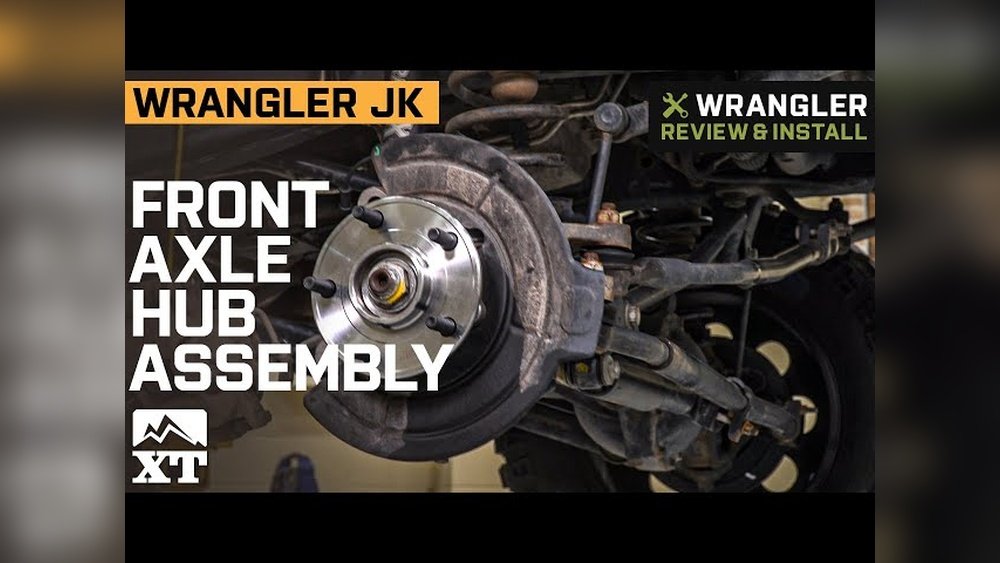
The wheel hub assembly is a complex yet critical part of your vehicle’s suspension and braking system. It’s essentially the link between the wheel and the axle, allowing the wheel to rotate freely. For a Jeep Wrangler JK, this assembly typically includes the hub itself, wheel studs (which the lug nuts thread onto), and often the wheel bearing. In many modern vehicles, including the JK, the wheel hub and bearing are integrated into a single hub bearing unit. This unit is bolted to the steering knuckle (on the front) or the axle housing (on the rear).
Components Of A Wheel Hub Assembly
A typical JK wheel hub assembly consists of several key parts:
- Hub: This is the main circular component that the wheel attaches to. It has a flange with holes for the wheel studs.
- Wheel Studs: These are threaded bolts that protrude from the hub flange. The lug nuts secure the wheel to these studs.
- Wheel Bearing: This is a set of steel balls or rollers housed within races. Its primary function is to reduce friction and allow the wheel to spin smoothly with minimal resistance. In the JK, the bearing is usually sealed and pre-lubricated, part of the hub bearing unit.
- Seals: These protect the bearing from dirt, water, and debris, which are common enemies for off-road vehicles like the Wrangler.
- ABS Sensor Ring (on some models): This toothed ring works with the Anti-lock Braking System (ABS) sensor to monitor wheel speed.
How The Wheel Hub Works
The wheel hub’s primary job is to allow the wheel to rotate while being securely attached to the vehicle. When you drive, the engine power is transferred through the drivetrain to the axle. The axle rotates the hub, which in turn spins the wheel. The wheel bearing within the hub assembly is what makes this rotation smooth and efficient. It supports the weight of the vehicle and the forces generated during driving, braking, and cornering.
On the front of a Jeep Wrangler JK, the hub assembly is part of the steering knuckle, allowing the front wheels to both rotate and steer. On the rear, it’s typically bolted directly to the axle shaft. The integrity of the hub assembly is paramount for safe operation. A faulty hub can lead to uneven tire wear, braking issues, and even the wheel detaching from the vehicle in severe cases.
Common Problems With Jeep Wrangler Jk Wheel Hubs
Like any mechanical component, Jeep JK wheel hubs can wear out or fail over time, especially given the JK’s off-road capabilities and potential for harsh use. Recognizing the signs of a failing hub is crucial for timely repairs.
Worn Wheel Bearings
The most common issue is wheel bearing wear. The constant rotation, combined with the stresses of off-roading, can cause the bearings to degrade. Signs of worn wheel bearings include:
- Grinding or Humming Noise: This is often the first symptom. The noise usually gets louder with speed and may change pitch when turning. It can sound like a low hum or a metallic grinding.
- Wheel Wobble or Looseness: If you can feel play in the wheel when you try to shake it side-to-side, the bearings are likely worn.
- Clicking Noise When Turning: This can indicate that the bearing is severely worn and the components are shifting.
Damaged Hub Assembly
The hub assembly itself can also be damaged. This can happen due to:
- Impacts: Hitting a large rock or pothole can bend or crack the hub flange or damage the bearing races.
- Corrosion: In areas with heavy road salt use or if the vehicle is frequently submerged in water, corrosion can weaken the hub material or damage seals.
- Improper Installation: If a hub or bearing is not installed correctly, it can lead to premature failure.
Abs Sensor Issues
If your JK has ABS, the ABS sensor ring integrated into the hub can become damaged or corroded. This can cause the ABS warning light to illuminate on your dashboard. A faulty ABS sensor ring will prevent the ABS system from functioning correctly, impacting your vehicle’s braking performance in slippery conditions.
Loose Wheel Studs
While not directly a hub failure, loose wheel studs can indicate a problem with the hub assembly. If the studs become loose, it means the lug nuts are not adequately securing the wheel to the hub. This is a critical safety issue that requires immediate attention.

Diagnosing A Faulty Wheel Hub
Pinpointing a bad wheel hub requires a systematic approach. Fortunately, many of the signs are distinct and can help you or your mechanic identify the problem.
Listening For Noises
The most common indicator is noise. As mentioned, a humming or grinding sound that increases with vehicle speed is a strong sign of a failing wheel bearing within the hub.
Pro Tip: Try to isolate the noise. Drive at a steady speed and listen. Then, gently swerve left and right. If the noise gets louder when swerving left, the right-side wheel bearing is likely bad, and vice-versa. This is because swerving loads the opposite wheel bearing.
Checking For Play
With the vehicle safely supported on jack stands, grab the tire at the 12 o'clock and 6 o'clock positions (top and bottom). Try to wiggle it.
If you feel any looseness or play, it indicates a problem with the wheel bearing or the hub itself.
Repeat this for the 3 o’clock and 9 o’clock positions.
Inspecting For Damage
Visually inspect the hub assembly. Look for any signs of damage, such as cracks, bends, or excessive rust.
Check the seals for leaks of grease, which would indicate a failed seal and potential bearing contamination.
Abs Light
If your ABS warning light is on, and you’ve ruled out other ABS system faults, the ABS sensor ring on the wheel hub is a likely culprit. A mechanic can often diagnose this with specialized tools that read ABS fault codes.
Replacing A Jeep Wrangler Jk Wheel Hub
Replacing a Jeep JK wheel hub assembly is a moderately difficult DIY task. It requires specific tools and a good understanding of automotive repair. If you’re not comfortable with these steps, it’s best to have a professional mechanic handle the job.
Tools And Parts Needed
Before you start, gather the necessary tools and parts:
- New Wheel Hub Assembly: Ensure it’s the correct part for your JK year and model (2WD or 4WD, front or rear).
- Jack and Jack Stands: For safely lifting and supporting the vehicle.
- Lug Wrench: To remove lug nuts.
- Socket Set and Ratchet: Various sizes will be needed. Common sizes include 13mm, 15mm, 18mm, and deep sockets for axle nuts.
- Torque Wrench: Essential for tightening bolts and lug nuts to the correct specifications.
- Breaker Bar: For loosening stubborn bolts.
- Pry Bar: May be needed to separate components.
- Hammer: A rubber mallet or regular hammer might be used.
- Wire Brush: For cleaning rust and debris.
- Anti-Seize Compound: For threads.
- Brake Cleaner: For cleaning parts.
- Penetrating Oil (like WD-40): To help loosen rusted bolts.
- Safety Glasses and Gloves: For personal protection.
Front Wheel Hub Replacement (4wd Jk)
Replacing the front hub on a 4WD JK is more involved due to the steering knuckle and CV joint.
- Loosen Lug Nuts: Before jacking up the vehicle, slightly loosen the lug nuts on the wheel you’ll be working on.
- Jack Up and Support: Safely lift the front of the Jeep and place jack stands under the frame or axle for support. Remove the wheel.
- Remove Brake Caliper and Rotor: Remove the caliper mounting bolts, then the caliper. Suspend the caliper out of the way (don’t let it hang by the brake line). Remove the brake rotor.
- Remove CV Axle Nut: You’ll see a large axle nut in the center of the hub. Use a breaker bar and the correct socket (often 35mm) to remove it. This can be very tight.
- Remove Steering Knuckle Components: You’ll need to disconnect tie rod ends, ball joints, and potentially sway bar links to allow the steering knuckle to move freely. Use a pickle fork or ball joint separator if necessary.
- Remove the Hub Assembly: The hub is typically held to the knuckle by several bolts (often 3 or 4). These can be very tight. Once removed, the hub should slide out. If it’s stuck, you might need to use a pry bar or hammer gently.
- Clean and Install New Hub: Clean the mounting surface on the knuckle thoroughly with a wire brush and brake cleaner. Install the new wheel hub assembly, ensuring it seats properly. Torque the mounting bolts to the manufacturer’s specifications.
- Reassemble: Reinstall the CV axle nut, steering knuckle components, brake rotor, and caliper. Torque all fasteners to the correct specifications.
- Install Wheel and Lug Nuts: Put the wheel back on and tighten the lug nuts in a star pattern.
- Lower Vehicle and Torque Lug Nuts: Lower the Jeep and use a torque wrench to tighten the lug nuts to the specified torque (usually around 100-120 lb-ft for a JK).
- Final Checks: Turn the steering wheel lock-to-lock to ensure nothing is binding. Check your brake pedal feel.
Rear Wheel Hub Replacement (jk)
Rear hub replacement is generally simpler as it doesn’t involve steering components.
- Loosen Lug Nuts: As with the front, loosen lug nuts before lifting.
- Jack Up and Support: Safely lift the rear of the Jeep and place jack stands. Remove the wheel.
- Remove Brake Components: Depending on your JK’s brake setup (disc or drum), you’ll need to remove the caliper and rotor, or the brake drum.
- Remove Axle Shaft: This is a critical step. You’ll need to remove the differential cover, drain the fluid, and then remove the C-clips and the axle shaft itself. Be careful not to damage the differential gears.
- Remove Hub: The rear hub is usually pressed onto the axle shaft or held by a large nut. In most JK models, the hub is pressed onto the axle shaft. You may need a hub puller or a press to remove it. Some aftermarket hubs might be bolted on.
- Clean and Install New Hub: Clean the axle shaft. Press or install the new hub assembly onto the axle shaft, ensuring it’s fully seated.
- Reassemble Axle Shaft and Brakes: Reinstall the axle shaft, C-clips, and differential cover (refill with gear oil). Reinstall brake components.
- Install Wheel and Lug Nuts: Mount the wheel and tighten lug nuts.
- Lower Vehicle and Torque Lug Nuts: Lower the Jeep and torque lug nuts.
Maintenance And Longevity Tips
Proper maintenance can significantly extend the life of your Jeep Wrangler JK wheel hubs.
Regular Inspections
Make it a habit to listen for unusual noises and feel for vibrations during your regular drives. A quick check for wheel looseness when rotating your tires can also catch problems early.
Tire Rotation And Balancing
Regular tire rotation and balancing helps distribute wear evenly across all tires and suspension components, including the wheel hubs. This reduces uneven stress on the hubs.
Driving Habits
While the JK is built for off-roading, aggressive driving over rough terrain puts immense stress on all components, including the wheel hubs. Softer landings after jumps and avoiding deep, sharp-edged obstacles can help.
Cleaning After Off-roading
After a day of mudding or crawling, thoroughly wash your Jeep. Pay special attention to cleaning mud and debris from around the wheel hubs and brakes.
This prevents abrasive materials from working their way into the bearings and seals.
Avoiding Overloading
Do not exceed your JK’s gross vehicle weight rating (GVWR). Overloading the vehicle places excessive strain on the wheel bearings and hubs, leading to premature wear.
Choosing The Right Wheel Hub For Your Jk
When it’s time to replace a wheel hub assembly on your Jeep Wrangler JK, choosing the right part is crucial. There are several options available, each with its pros and cons.
Oem Vs. Aftermarket
- OEM (Original Equipment Manufacturer): These are parts made by or for Jeep. They are designed to meet the exact specifications of your JK and offer reliable performance. They are typically more expensive than aftermarket options.
- Aftermarket: Many companies produce replacement wheel hubs for the JK. Quality can vary significantly. Some aftermarket brands are known for producing high-quality, durable parts that can even outperform OEM, especially for off-road use. Others might be cheaper but less durable.
Key Factors To Consider
When selecting a JK wheel hub:
- Vehicle Specifics: Ensure the part is compatible with your JK’s year, model (2-door or 4-door), and drivetrain (2WD or 4WD). Front and rear hubs are different.
- Bearing Type: Most JK hubs use sealed, pre-lubricated bearings. Ensure the new unit is of good quality.
- ABS Compatibility: If your JK has ABS, make sure the replacement hub includes or is compatible with the ABS sensor ring.
- Durability: For off-road enthusiasts, consider hubs designed for heavy-duty use, which might have stronger materials or better sealing.
- Warranty: Check the warranty offered by the manufacturer. A longer warranty often indicates greater confidence in the product’s durability.
Some popular aftermarket brands known for producing quality Jeep parts include Spicer, Timken, and Moog. Research reviews and consult with experienced Jeepers or mechanics to make an informed decision.