Making The Jeep Wrangler Jk Unlimited Soft Top Installation Easy
The Jeep Wrangler is more than just a vehicle; it's a symbol of freedom, adventure, and the open road. For many JK Unlimited owners, the soft top is an integral part of this experience, offering the unparalleled joy of open-air driving.
However, the prospect of installing or removing a soft top can seem daunting, especially for first-timers. This guide aims to break down the Jeep Wrangler JK Unlimited soft top installation process into simple, manageable steps, making it an easy task for anyone.
We'll cover everything from preparing your Jeep to securing the final latches, ensuring you can enjoy that top-down feeling quickly and confidently.
Understanding Your Soft Top Components
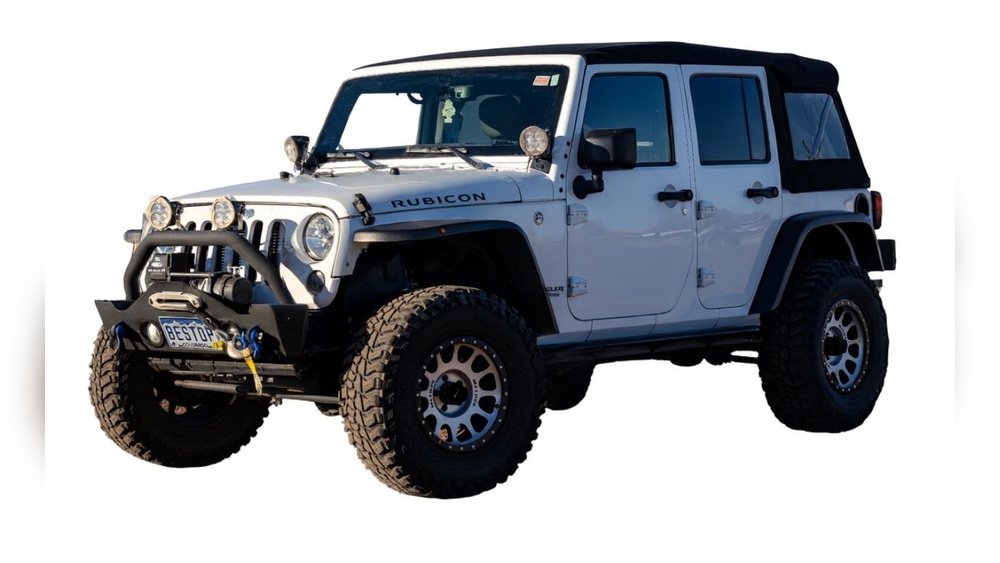
Before you begin, it’s crucial to familiarize yourself with the parts of your soft top. While specific designs can vary slightly between manufacturers (like Bestop, Smittybilt, or Mopar), most JK Unlimited soft tops share common components.
- Main Sailcloth or Vinyl Top: This is the large fabric piece that covers the passenger cabin.
- Window Panels: These include the side windows (driver and passenger) and the rear window. Some tops have integrated windows, while others have separate panels.
- Padding/Cushions: Often found around the door surrounds and header bar, these help create a seal and prevent leaks.
- Rails and Channels: These metal or plastic strips attach to the Jeep’s body and help guide the soft top fabric and secure the windows.
- Clips, Straps, and Bungees: These are used to tension the fabric, secure the windows, and hold the top in place.
- Header Bar: This is a metal bar that attaches above the windshield frame, acting as the primary anchor point for the front of the soft top.
- Tailgate Bar: A bar that fits into a channel at the bottom of the tailgate, helping to seal the rear of the top.
Taking the time to lay out all these pieces and identify them will save you a lot of confusion during the installation.
Preparing Your Jeep For Soft Top Installation
Proper preparation is key to a smooth installation. A clean Jeep and a clear workspace will make the process much more efficient.
- Clean Your Jeep: Ensure the areas where the soft top will attach are clean and dry. This includes the windshield frame, door surrounds, and the roll bar area. Dirt and debris can interfere with seals and make installation difficult.
- Gather Your Tools: While most soft top installations require minimal tools, having a few on hand can be helpful. You might need a Phillips head screwdriver (for some header bar installations), a rubber mallet (for gently tapping parts into place), and a clean cloth. Always check the manufacturer’s instructions for specific tool requirements.
- Choose the Right Location and Time: Ideally, you should install your soft top on a warm, sunny day. The heat makes the fabric more pliable and easier to stretch and fit. Avoid installing in direct, harsh sunlight if possible, as it can make the fabric too hot to handle comfortably. A garage or shaded area is often best. If it’s cold, you might consider using a heat gun or a hair dryer on a low setting to warm the fabric, but be careful not to overheat or damage it.
- Read the Manufacturer’s Instructions: This cannot be stressed enough. Every soft top brand and model might have slight variations in its installation process. Your specific manual is the ultimate guide.
Step-by-step Soft Top Installation For The Jk Unlimited
This guide provides a general approach. Always refer to your specific soft top’s manual for precise details.
Attaching The Header Bar
The header bar is the foundation of your soft top. It typically attaches above the windshield.
- Locate the Header Bar: Identify the metal bar. It usually has a channel or a lip designed to connect with the front edge of the soft top fabric.
- Position the Header Bar: Most JK Unlimited header bars attach to the existing windshield frame. This might involve sliding it into a specific channel or securing it with screws or clips provided. Some designs require you to remove the original soft top factory top bow (if applicable) before installing the new header bar.
- Secure the Header Bar: Ensure the header bar is firmly in place. It should sit flush against the windshield frame and be securely fastened. This is a critical point for preventing leaks and wind noise.
Unrolling And Positioning The Main Top
With the header bar in place, you can begin to drape the main fabric.
- Unroll the Fabric: Carefully unroll the main sailcloth or vinyl top. Be mindful of the direction it should face, usually, the smoother side is the exterior.
- Align with the Header Bar: Bring the front edge of the soft top fabric up to the header bar. There’s often a flap or channel on the fabric that slides over or into the header bar.
- Secure the Front: Most header bars have a mechanism to lock the fabric in place. This might involve snapping the fabric down, sliding it into a channel, or using a lever system. Ensure it’s snug and evenly distributed across the header bar.
Installing The Side And Rear Windows
This is often the most challenging part, as the windows need to be aligned perfectly and sealed properly.
- Start with the Rear Window: The rear window typically slides into channels along the sides of the Jeep and then attaches to the tailgate bar.
- Slide into Channels: Carefully feed the edges of the rear window into the vertical channels that run along the rear sport bars or the body of the Jeep. Go slowly to avoid snagging or tearing the fabric.
- Attach Tailgate Bar: Once the sides are in the channels, the bottom edge of the rear window will need to connect to the tailgate. This usually involves a tailgate bar that slides into a channel at the bottom of the Jeep’s tailgate opening. The window fabric often has a flap that goes around this bar, and then the bar itself clips or slides into place on the Jeep.
- Install Side Windows: Side windows usually attach using zippers, Velcro, or clips.
- Zippers: If your windows zip, ensure the zipper teeth are aligned correctly before zipping. Start zipping from one end and work your way across. Don’t force the zipper; if it snags, back it up and try again.
- Velcro/Clips: If using Velcro or clips, align the window with the corresponding strips or attachment points on the main top and the Jeep’s body. Press firmly to ensure a good adhesion or secure the clips.
Tensioning And Securing The Fabric
Once the windows are in place, you’ll need to tension the entire top to eliminate wrinkles and ensure a snug fit.
- Door Surrounds: The fabric around the doors needs to be secured. This often involves tucking the fabric into specific channels or using straps and clips. Make sure the fabric is pulled taut and smooth.
- Rear Corners: Pay attention to the rear corners of the soft top. There are usually straps, bungees, or clips that pull the fabric tight towards the rear of the Jeep. These are essential for a good seal and to prevent flapping.
- Check for Snugness: Walk around the Jeep and feel the tension of the fabric. It should be relatively taut, with minimal sagging. Wrinkles will naturally diminish over time as the fabric stretches and settles, especially with heat.
Final Checks And Adjustments
After the initial installation, take a moment to review your work.
- Inspect Seals: Check all seals around the windows and doors. Ensure there are no gaps where water could enter.
- Test Doors: Open and close the Jeep doors to make sure they don’t catch on the soft top fabric. You may need to adjust the fabric tension slightly.
- Check for Flapping: Drive at a moderate speed and listen for excessive flapping. If you hear significant noise, you may need to re-tension some areas.
Pro Tips For A Perfect Soft Top Installation
Here are some insights from experienced Jeep owners that can make your installation process smoother.
Pro Tip: Warm the fabric on a cold day. Cold fabric is stiff and difficult to stretch. Use a hair dryer on a low setting or a heat gun (held at a safe distance) to gently warm the vinyl or sailcloth. This makes it much more pliable and easier to work with, reducing the risk of tearing and helping it fit snugly.
- Don’t Force It: If something doesn’t seem to fit, don’t force it. Re-read the instructions or check online forums for common issues with your specific top model. Forcing parts can lead to damage.
- Two-Person Job: While a single person can install a soft top, it’s significantly easier with a second pair of hands, especially when positioning the main top and aligning windows.
- Let it Settle: After installation, especially if the fabric is new, it might appear wrinkled. Leaving the top installed in the sun for a day or two will help the fabric stretch and settle, smoothing out many of these wrinkles.
- Maintenance is Key: Regularly clean your soft top fabric with specialized cleaners and protectants. This will keep it supple, prevent UV damage, and make future installations easier.
Common Mistakes To Avoid During Installation
Even with the best intentions, some common pitfalls can make the process frustrating. Being aware of them can help you avoid them.
- Installing in Cold Weather: As mentioned, cold weather makes fabric stiff. Trying to force a stiff top into place is a recipe for tears and frustration. Always aim for warmer conditions or use heat to your advantage.
- Not Reading Instructions: While this guide offers general steps, your specific soft top has unique requirements. Skipping the manual can lead to incorrect installation, leaks, and premature wear.
- Forcing Zippers or Fasteners: Zippers and clips are designed to work smoothly. If you encounter resistance, stop. Check for misalignment, debris, or fabric bunching. Forcing them can break teeth or snap clips.
- Incorrect Window Alignment: Misaligned windows can cause leaks, wind noise, and stress on the zippers or attachment points. Take your time to ensure each window is seated correctly in its channels or attached to its designated points before fully securing.
- Insufficient Tension: A loose soft top will flap excessively in the wind, creating noise and potentially causing damage over time. Ensure all straps, bungees, and attachment points are used to create a drum-tight fit.
Maintaining Your Jk Unlimited Soft Top
Proper maintenance extends the life of your soft top and makes installation and removal much easier.
- Regular Cleaning: Wash your soft top regularly with a soft brush and a mild soap solution. Avoid harsh chemicals or abrasive cleaners that can damage the fabric or seals.
- Waterproofing and Protection: Apply a fabric protectant or waterproofing spray periodically. This helps repel water, prevent mildew, and protect the material from UV damage. Look for products specifically designed for Jeep soft tops.
- Proper Storage (if removing): If you plan to remove your soft top for extended periods (e.g., to install a hardtop), store it properly. Fold it carefully along existing creases to minimize wrinkling, and store it in a clean, dry place, ideally in its original storage bag or a dedicated soft top storage bag. Avoid storing it in direct sunlight or extreme temperatures.
- Lubricate Zippers: Keep zippers clean and lubricated with a silicone-based lubricant. This prevents them from sticking and makes them easier to operate.
Soft Top Vs. Hard Top For Your Jk Unlimited
While this guide focuses on soft top installation, it’s worth briefly considering the pros and cons of soft tops versus hard tops for your JK Unlimited.
| Feature | Soft Top | Hard Top |
|---|---|---|
| **Open-Air Feel** | Excellent, easy to remove/fold down | Limited, requires more effort for full removal |
| **Security** | Less secure against theft | More secure against theft and weather |
| **Noise Level** | Generally noisier, more wind/road noise | Quieter, better insulation |
| **Insulation** | Less insulation against heat/cold | Better insulation, more comfortable year-round |
| **Cost** | Generally less expensive | Generally more expensive |
| **Installation** | Easier to install/remove for daily use | More complex to install/remove, often requires two people |
| **Durability** | Can be prone to tears, UV damage, wear and tear | More durable, but can crack or get damaged |
Many JK Unlimited owners opt for a seasonal top strategy, using the soft top in warmer months for maximum open-air enjoyment and switching to a hard top for better security and insulation during colder seasons. The ease of installation and removal of a soft top makes this switch feasible for many.
Frequently Asked Questions About Jeep Wrangler Jk Unlimited Soft Top Installation
Here are some common questions people have when it comes to installing their soft tops.
Frequently Asked Questions
Why Is My New Soft Top Wrinkled?
Wrinkles are very common with new soft tops because the fabric is stiff and hasn’t stretched yet. As the fabric warms up in the sun and settles over a few days of use, most wrinkles will disappear on their own.
Ensure the top is installed with good tension, and consider using a hair dryer or heat gun on a low setting (from a safe distance) to gently warm stubborn wrinkles.
How Long Does It Typically Take To Install A Soft Top?
For a first-time installer, it can take anywhere from 2 to 4 hours, especially if you’re being very careful and consulting the instructions frequently. With practice, experienced users can often install or remove a soft top in under an hour.
The complexity of the specific soft top model also plays a role.
Can I Install A Soft Top In The Rain?
It’s strongly discouraged to install a soft top in the rain. The fabric is much harder to work with when wet and cold, increasing the risk of damage. Furthermore, you want the seals to form correctly on dry surfaces. If you must install it, try to find a covered area and ensure all contact surfaces are completely dry before you begin.
My Zippers Are Sticking. What Should I Do?
Sticking zippers are a common annoyance. First, ensure there's no fabric caught in the zipper teeth.
Clean the zipper teeth with a soft brush to remove any dirt or debris. Then, apply a silicone-based lubricant or a zipper cleaner specifically designed for outdoor fabrics.
Work the zipper back and forth slowly until it moves smoothly. Avoid using wax-based products, as they can attract dirt.
How Can I Prevent Leaks After Installing My Soft Top?
Proper installation is the best defense against leaks. Ensure the header bar and tailgate bar are seated correctly and securely. Make sure all