When you think about upgrading your Jeep Wrangler JK, what’s the first thing that comes to mind? For many, it’s the engine, the suspension, or perhaps some rugged exterior accessories.
But for those who spend a lot of time on the road, or simply want to enjoy their favorite tunes with clarity and power, the Jeep Wrangler JK speaker size is a crucial, often overlooked, component.
A good sound system can transform your driving experience, making long trails or daily commutes much more enjoyable.
The Jeep Wrangler JK, produced from 2007 to 2018, has a specific set of speaker locations and sizes that are important to know before you start shopping for new speakers. Upgrading your factory speakers is one of the most effective ways to improve your audio quality without breaking the bank on a whole new system. However, not all speakers are created equal, and understanding the exact sizes and types that fit your JK is the first step towards achieving that crisp, powerful sound you’re after. This guide will walk you through everything you need to know about Jeep Wrangler JK speaker sizes, helping you make informed decisions for a better audio experience. We’ll cover the factory locations, common aftermarket sizes, and what to look for when choosing new speakers for your JK.
Understanding Your Jeep Wrangler Jk’s Speaker Locations And Sizes
The Jeep Wrangler JK has a well-defined set of speaker locations, each typically housing a specific size of speaker. Knowing these dimensions is the foundation for any successful speaker upgrade. Most JK models come with speakers in four main locations: the front dash, the soundbar, and sometimes lower in the doors.
Front Dash Speakers
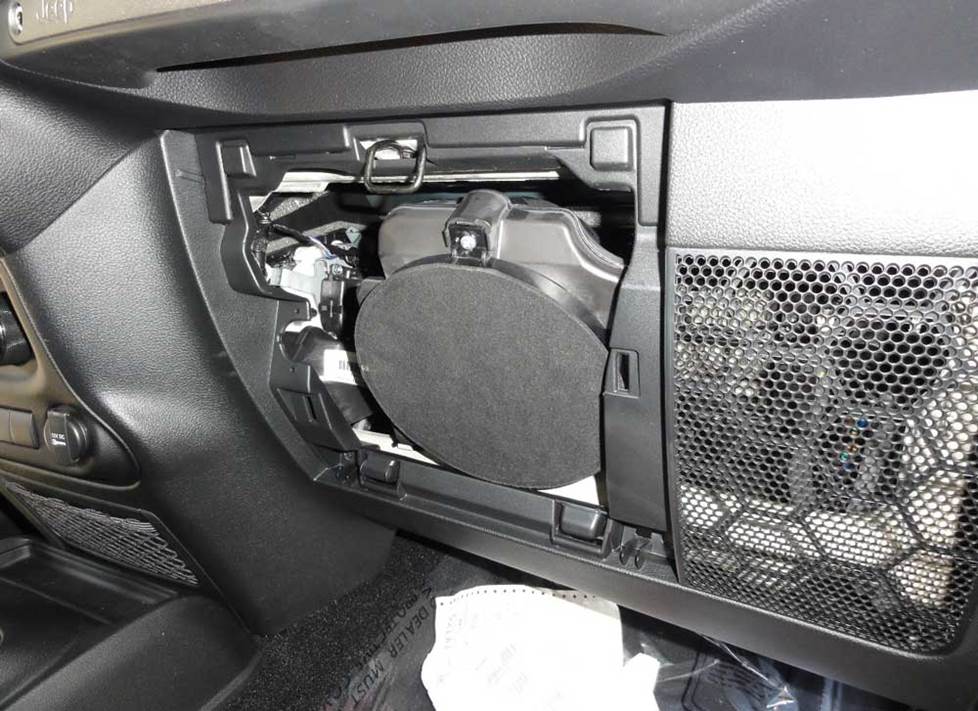
In the front of your Jeep Wrangler JK, you’ll find speakers located in the dashboard. These are usually the primary source of your mid-range and high-frequency sounds, like vocals and guitar.
The standard Jeep Wrangler JK speaker size for the front dash is 3.5 inches. These are small, full-range speakers designed to fit neatly into the factory openings. While they are adequate for factory sound, they often lack the depth and clarity that many audiophiles desire. Upgrading these can significantly improve the clarity of your sound, especially for vocals and instruments.
When you look to replace these 3. 5-inch dash speakers, you'll find that many aftermarket speaker manufacturers offer direct replacements.
However, it's also common to find that a slightly larger speaker might fit with minor modifications, or that adapter plates are available.
Some installers opt for component speaker systems, where a separate tweeter is mounted higher up (often in the dash or A-pillar) and a mid-bass driver is placed in the dash location. This allows for better sound staging and clearer highs.
Soundbar Speakers
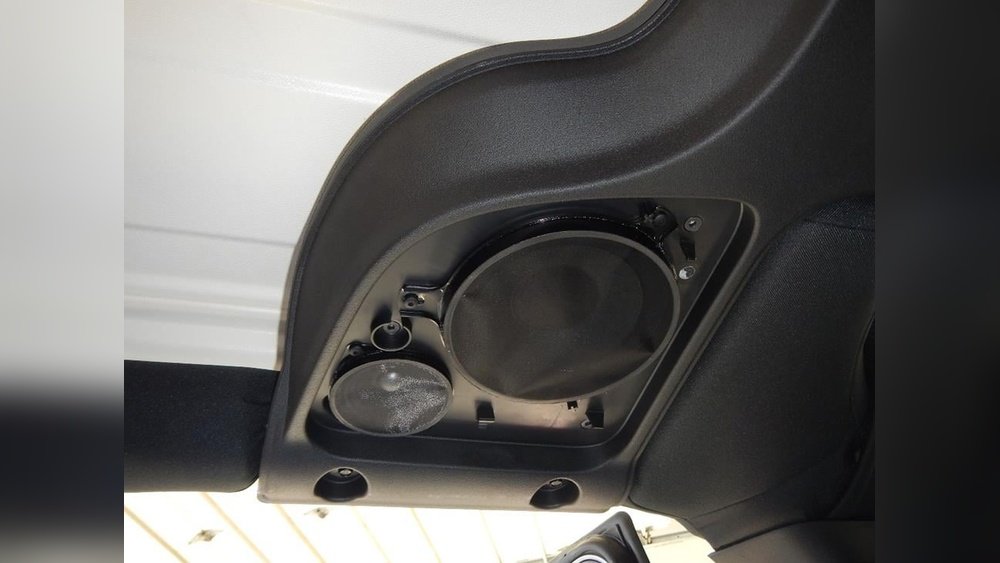
Perhaps the most iconic speaker location in a Jeep Wrangler JK is the soundbar, situated above the rear passengers’ heads. This is where the bulk of your rear sound typically comes from, and it’s a popular spot for significant upgrades.
The standard Jeep Wrangler JK speaker size for the soundbar is 6.5 inches. These are larger speakers that can produce a fuller range of sound, including more bass than the dash speakers. Many aftermarket 6.5-inch speakers will fit directly into the factory soundbar location with minimal effort.
When considering soundbar speaker upgrades, you have a lot of options. You can go with coaxial speakers, which have the tweeter built into the woofer, or component speakers, which separate the tweeter and woofer.
For a soundbar, coaxial speakers are often the easiest to install.
However, if you’re aiming for the best possible sound quality, component speakers can offer a more refined audio experience, though they might require more complex wiring and mounting for the tweeters.
It’s important to note that while 6. 5 inches is the standard size, some aftermarket speakers might have slightly different mounting depths or magnet sizes.
Always check the specifications of the speakers you are considering to ensure they will fit without interfering with the soundbar enclosure or any wiring.
Lower Door Speakers (optional/some Models)
Some Jeep Wrangler JK models, particularly those with upgraded trim levels or aftermarket modifications, might have additional speaker locations. These are often found lower down in the front doors.
If your JK has these lower door speaker locations, the typical Jeep Wrangler JK speaker size you’ll find is 5.25 inches or sometimes 6.5 inches. These speakers are usually responsible for handling the mid-bass frequencies.
Upgrading these speakers can add significant depth and punch to your audio system. If your JK is equipped with these, they are a prime candidate for improvement.
Similar to the soundbar, aftermarket 5. 25-inch or 6.
5-inch speakers can often be fitted, though adapter plates might be necessary for a perfect fit, especially if the factory speakers are a non-standard size or shape.
Understanding Speaker Mounting Depth
Beyond the diameter of the speaker, mounting depth is another critical measurement. This refers to how deep the speaker sits from the mounting surface to the back of the speaker magnet. In a Jeep Wrangler JK, space can be limited, especially in the dash and soundbar.
- Dash Speakers: Due to the confined space behind the dashboard, you’ll often need speakers with a shallow mounting depth. Many 3.5-inch speakers are designed with this in mind, but if you opt for a larger speaker with an adapter, depth becomes a much bigger concern.
- Soundbar Speakers: The soundbar offers a bit more room, but it’s still wise to check the mounting depth. Most standard 6.5-inch speakers will fit, but very large magnets or deep baskets might require modifications or spacers.
- Door Speakers: If present, lower door speakers usually have more depth available, but it’s always best to measure or consult specifications.
Always measure the available space or refer to your JK’s service manual or reliable aftermarket parts guides for specific depth limitations for each location.
Why Upgrade Your Jeep Wrangler Jk Speakers?
The factory audio system in most vehicles, including the Jeep Wrangler JK, is designed to meet a baseline standard, not to provide an exceptional listening experience. Upgrading your speakers is often the most impactful first step in improving your car audio.
Improved Sound Clarity And Detail
Factory speakers are typically made with less expensive materials, like paper cones and basic magnets. This results in a sound that can be muddy, distorted at higher volumes, and lacking in detail. Aftermarket speakers often use materials like polypropylene, silk, or even carbon fiber for their cones and domes, and more powerful magnets. This translates to:
- Clearer Highs: Crisper treble from tweeters, making cymbals, vocals, and dialogue sound more distinct.
- Richer Mids: More natural and present mid-range frequencies, bringing instruments and vocals to life.
- Tighter Bass: More controlled and punchy bass response, without the flabby or distorted sound of cheap speakers.
Enhanced Volume And Power Handling
Aftermarket speakers are generally designed to handle more power (measured in watts) than their factory counterparts. This means you can turn up your music louder without experiencing distortion or damage to the speakers.
Even if you don't plan on installing a new amplifier, upgrading to speakers that can handle more power will allow your factory head unit to drive them more effectively, resulting in a cleaner and louder sound at lower volumes.
Better Bass Response
While you won't get booming sub-bass from standard door or dash speakers, upgrading the 6. 5-inch soundbar speakers and any lower door speakers can significantly improve your bass response.
These larger speakers have more surface area to move air, producing a fuller and more impactful low-end.
For truly deep bass, a subwoofer is usually required, but better mid-bass from upgraded speakers lays a much better foundation.
Customization And Personalization
The world of aftermarket car audio offers endless possibilities for customization. You can choose speakers that match your specific listening preferences, whether you prefer a bright, energetic sound or a warm, laid-back tone.
You can also select speakers based on brand reputation, materials, and even aesthetics.
This allows you to tailor your JK’s audio system to your unique taste.
Choosing The Right Aftermarket Speakers For Your Jk
Selecting the right speakers involves more than just picking the correct size. Several factors will influence your decision and the final sound quality.
Speaker Type: Coaxial Vs. Component
Understanding the difference between coaxial and component speakers is crucial for making the best choice for each location in your JK.
- Coaxial Speakers: These are all-in-one units where the tweeter is mounted in the center of the woofer cone. They are generally easier to install, as they require less wiring and fewer mounting locations.
- Best for: Soundbar locations or rear door speakers where simplicity is key, and a slightly less refined soundstage is acceptable. They can also be used in the dash if you’re looking for a simple, direct replacement.
- Component Speakers: These systems separate the woofer (or mid-bass driver) and the tweeter. They often come with external crossover units that direct the appropriate frequencies to each driver.
- Best for: Front dash or front door locations where you can strategically place the tweeter for optimal sound staging and imaging. This setup generally offers superior sound quality and a more immersive listening experience. For the JK dash, you might use a component set where the woofer goes in the dash and the tweeter is mounted elsewhere (like the A-pillar).
Power Handling (rms Vs. Peak)
Speakers have ratings for power handling. It’s important to understand these:
- RMS (Root Mean Square) Power: This is the continuous power the speaker can handle without damage. It’s the more important rating for determining how much power your amplifier or head unit should deliver.
- Peak Power: This is the maximum power the speaker can handle for very short bursts. It’s often used for marketing and is less indicative of true performance.
When choosing speakers, consider the power output of your head unit or any amplifier you plan to use. Ideally, the speaker’s RMS power handling should match or slightly exceed your amplifier’s output to ensure they can perform at their best without being underpowered or overpowered.
Sensitivity Rating
Sensitivity is measured in decibels (dB) and indicates how loud a speaker will play with a given amount of power. A higher sensitivity rating means the speaker will be louder with the same amount of power.
- High Sensitivity (90 dB or higher): Excellent for factory head units or low-power amplifiers. These speakers will play loudly and clearly even without a lot of power.
- Lower Sensitivity (below 90 dB): These speakers typically require more power to reach their full potential and are better suited for systems with aftermarket amplifiers.
For a Jeep Wrangler JK with a stock head unit, speakers with high sensitivity are generally recommended for the best improvement without adding an amplifier.
Frequency Response
Frequency response tells you the range of sound frequencies (from low bass to high treble) that a speaker can reproduce. It’s usually given in Hertz (Hz).
- A wider frequency response generally indicates a speaker capable of producing a fuller sound. For example, a speaker with a range of 50 Hz, 20,000 Hz will produce more bass than one rated at 80 Hz, 20,000 Hz.
- However, numbers alone don’t tell the whole story. The quality of the reproduction across that range is more important.
Materials And Construction
The materials used in speaker cones, surrounds, and tweeters significantly impact sound quality and durability.
- Woofers/Mid-range: Materials like polypropylene, woven fiberglass, or carbon fiber offer good stiffness and low distortion. Silk or soft domes are common for tweeters, providing a smooth, natural sound.
- Surrounds: Rubber or butyl rubber surrounds are durable and offer good excursion (movement), while foam surrounds can degrade over time, especially in environments with temperature fluctuations like a Jeep.
- Magnets: Larger and stronger magnets (like neodymium) generally mean better control over the speaker cone, leading to tighter bass and clearer sound.
Installation Considerations For Your Jk Speakers
Installing new speakers in your Jeep Wrangler JK can be a DIY project for many, but there are a few things to keep in mind.
Dash Speaker Installation
Replacing the 3. 5-inch dash speakers is usually straightforward.
You'll typically need to remove a small grille or trim piece above the speaker.
- Wiring: You’ll need to disconnect the factory speaker wires and connect them to your new speakers. If you’re using aftermarket speakers that don’t have the same connector, you might need to splice wires or use an adapter harness.
- Mounting: If your new speakers are slightly different in size, you may need a speaker adapter bracket to mount them securely in the factory opening. This is especially common if you decide to fit a slightly larger speaker or a component system woofer.
- Tweeter Placement (for Component Systems): If you install component speakers, you’ll need to find a suitable location for the tweeters. The A-pillar (the trim piece between the windshield and the front door) is a common and effective spot for aftermarket tweeters in a JK. This requires careful mounting, often involving drilling or using specialized pods.
Soundbar Speaker Installation
The soundbar requires removing the entire enclosure to access the speakers. This usually involves unscrewing the soundbar from the Jeep’s roll cage.
- Disassembly: Once removed, you’ll need to carefully pry open the soundbar to get to the speakers. Be gentle to avoid breaking the plastic clips.
- Speaker Removal: Unscrew the old speakers and disconnect the wiring.
- Installation: Mount your new 6.5-inch speakers. Ensure they sit flush and the wiring is connected correctly. Some aftermarket speakers might have slightly different screw hole patterns, so adapter plates can sometimes be helpful, though often the factory holes align well with standard 6.5-inch speakers.
- Reassembly: Carefully put the soundbar back together, ensuring all clips snap into place securely. Re-mount the soundbar to the Jeep.
Door Speaker Installation (if Applicable)
If your JK has lower door speaker locations, this installation will involve removing the door panels.
- Door Panel Removal: This is often the most time-consuming part. It involves removing screws (often hidden behind trim pieces or in the armrest) and carefully prying the panel off the door frame, detaching clips and any electrical connectors for window and lock switches.
- Speaker Access: Once the panel is off, you’ll have access to the speaker. Unscrew the old speaker and disconnect it.
- Mounting: Install the new speaker, using adapter plates if necessary. Ensure the wiring is connected.
- Reassembly: Reattach the door panel, making sure all clips and screws are secured.
Tools And Accessories
To successfully install new speakers, you’ll likely need:
- Screwdrivers: Phillips head and possibly Torx bits (Jeeps often use Torx screws).
*