The Jeep Wrangler JK Sahara is a popular choice for off-road enthusiasts and everyday drivers alike. Known for its rugged capability and iconic design, the Sahara trim often comes with specific wheel options that enhance both its looks and performance.
Choosing the right wheels for your JK Sahara can be a big decision, affecting everything from tire fitment and ride comfort to its overall aesthetic.
Whether you're looking to upgrade from the factory setup or simply want to understand your options better, this guide will help you explore the world of Jeep Wrangler JK Sahara wheels.
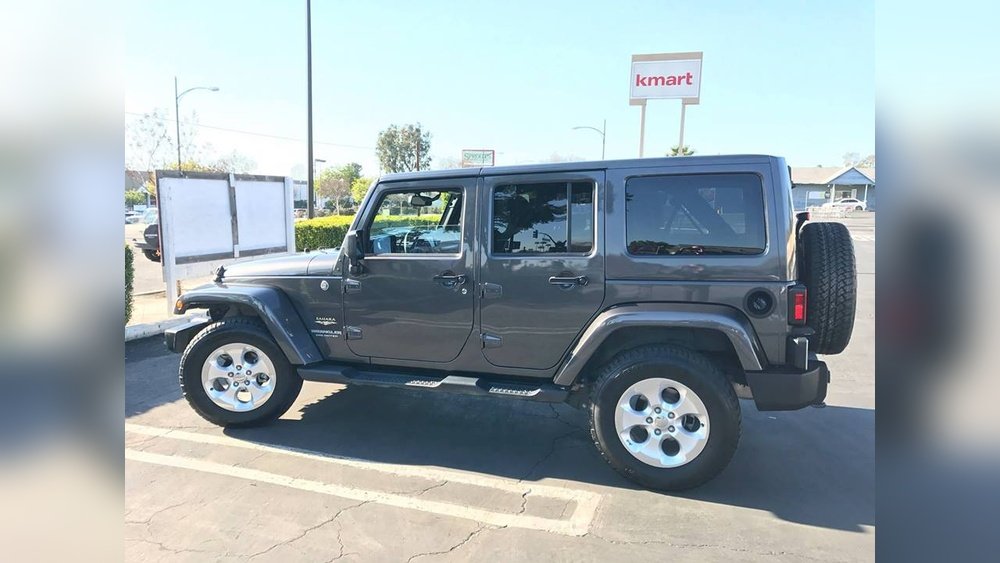
Understanding Jeep Wrangler Jk Sahara Wheel Specifications
Before diving into specific wheel types, it’s crucial to understand the key specifications that define a wheel and how they apply to the JK Sahara. These numbers dictate what will fit your Jeep and how it will perform.
Bolt Pattern
The bolt pattern is the arrangement of lug nuts on the wheel. For the Jeep Wrangler JK, including the Sahara model, the standard bolt pattern is 5×5 inches (or 5x127mm). This means there are five lug nuts arranged in a circle with a diameter of five inches. This is a critical measurement; if the bolt pattern doesn’t match your Jeep’s hubs, the wheels simply won’t mount.
Offset
Wheel offset refers to the position of the wheel’s mounting surface relative to the wheel’s centerline. It’s measured in millimeters (mm).
- Positive offset: The mounting surface is on the outside of the centerline. This pushes the wheel inward towards the suspension.
- Negative offset: The mounting surface is on the inside of the centerline. This pushes the wheel outward, away from the suspension.
- Zero offset: The mounting surface is exactly on the centerline.
For the JK Sahara, factory wheels typically have a positive offset, often around +40mm to +44mm. When choosing aftermarket wheels, you’ll frequently see negative offsets, especially with wider wheels. A negative offset pushes the wheel out, which can help with tire clearance, especially for larger tires, and can give a more aggressive stance. However, too much negative offset can cause rubbing on fenders or suspension components, and may lead to increased wear on wheel bearings.
Backspacing
Backspacing is another measurement related to wheel mounting. It’s the distance from the back of the wheel (the part that sits against the hub) to the wheel’s lip. It’s also measured in inches or millimeters. Backspacing is closely related to offset. A common rule of thumb is:
- Offset (mm) / 25.4 (mm/inch) + Wheel Width (inches) / 2 = Backspacing (inches)
Jeep Wrangler JK Sahara models typically come with wheels that have around 5.5 to 6 inches of backspacing. Lower backspacing (often achieved with negative offset wheels) is desirable for fitting larger tires, as it moves the wheel further out from the Jeep’s body.
Diameter And Width
Wheel diameter is measured in inches and refers to the overall size of the wheel, typically ranging from 17 to 20 inches for JK Saharas. Width is also measured in inches and indicates how wide the wheel is, usually from 7.5 to 9 inches for stock or common aftermarket sizes.
- Larger diameter wheels often allow for lower-profile tires, which can offer a sportier look and potentially better on-road handling.
- Wider wheels are necessary to properly seat wider tires, providing a larger contact patch for improved grip.
When upgrading, consider how your chosen diameter and width will affect tire options and suspension clearance.
Factory Jeep Wrangler Jk Sahara Wheel Options
Jeep offered several wheel designs as factory options for the JK Sahara, catering to different aesthetic preferences while maintaining the core specifications needed for the vehicle. These wheels are often sought after by owners looking for an OEM+ look or a direct replacement.
Common Factory Wheel Designs
The Sahara trim was known for its slightly more refined appearance compared to other JK trims. This often translated to wheels that were a bit more stylish, sometimes featuring machined faces or painted accents.
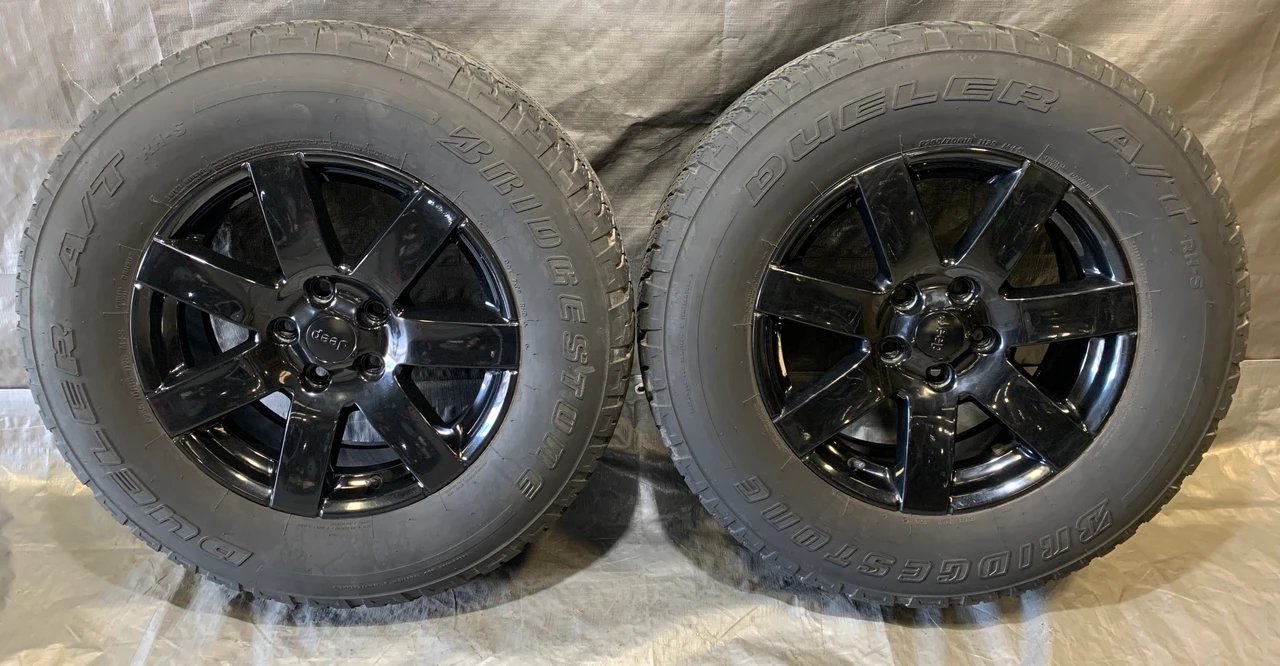
- 17-inch Sahara Alloy Wheels: These were a staple for the JK Sahara. They typically featured a multi-spoke design, often with a silver or polished finish, sometimes with machined accents. The design aimed for a balance between ruggedness and a touch of elegance. These wheels generally came with a 5×5 bolt pattern and a positive offset, designed to work seamlessly with the stock suspension and tire sizes.
- 18-inch Sahara Wheels: In later model years, Jeep offered optional 18-inch wheels for the Sahara. These were often similar in design philosophy to the 17-inch versions but larger in diameter, giving a more substantial look. They usually maintained the 5×5 bolt pattern and positive offset, ensuring compatibility with the vehicle’s systems.
Performance And Aesthetics Of Factory Wheels
Factory wheels are engineered by Jeep to meet specific performance and durability standards for the Wrangler. They are designed to handle off-road conditions while providing a comfortable ride on pavement.
- Durability: Made from robust materials, they are built to withstand the stresses of daily driving and moderate off-roading.
- Fitment: They are guaranteed to fit the JK Sahara without modification, ensuring proper clearance for brakes, suspension, and steering components.
- Aesthetics: Factory wheels offer a clean, integrated look that complements the Wrangler’s design. They often feature a polished or painted finish that adds a premium feel.
While factory wheels are perfectly functional and aesthetically pleasing to many, they can limit options for larger tires and more extreme off-road modifications.
Popular Aftermarket Wheel Choices For Jk Sahara
The aftermarket wheel scene for the Jeep Wrangler JK is vast, offering countless options to customize your Sahara’s look and capability. When choosing aftermarket wheels, you’ll find a wide range of styles, materials, and specifications designed for various purposes.
Alloy Wheels
Alloy wheels are the most common type of aftermarket wheel. They are made from a mixture of metals, typically aluminum, which makes them lighter and stronger than steel wheels.
- Styles: Aftermarket alloy wheels come in an incredible variety of designs, from aggressive, chunky 5-spoke patterns to intricate multi-spoke designs. Finishes range from matte black, gloss black, gunmetal, silver, chrome, and even custom colors.
- Performance: Lighter alloy wheels can offer a slight improvement in acceleration and braking due to reduced rotational mass. They also dissipate heat better than steel, which can be beneficial during heavy braking.
- Common Sizes: For the JK Sahara, popular aftermarket alloy wheel sizes include 17×8.5, 17×9, 18×9, and 20×9 inches. These wider widths are ideal for accommodating larger or wider tires.
Beadlock Wheels
Beadlock wheels are designed for serious off-roading. They feature a mechanical locking system that clamps the tire bead to the wheel rim, preventing the tire from de-beading (coming off the rim) when running at very low tire pressures off-road.
- Functionality: Running very low tire pressures (e.g., 10-15 PSI) significantly increases the tire’s contact patch, improving traction on rocks, sand, and mud. Beadlocks make this possible without the risk of losing a tire.
- Types:
- Simulated Beadlocks: These wheels have the appearance of beadlocks but do not have the actual locking mechanism. They are more for looks and are generally less expensive.
- True Beadlocks: These have the mechanical locking ring. They are typically more expensive and may have restrictions on street legality in some areas due to their construction and potential for leaks.
- Considerations: True beadlocks require careful installation and maintenance. They are generally overkill for casual off-roading but essential for extreme rock crawling.
Steel Wheels
While less common for the Sahara trim, steel wheels are a rugged and affordable option, especially for those prioritizing durability and simplicity for extreme off-road use.
- Durability: Steel wheels are incredibly strong and can often withstand impacts that would bend or crack alloy wheels. They are also easier to repair in the field.
- Weight: They are significantly heavier than alloy wheels, which can negatively impact on-road performance (acceleration, braking, fuel economy).
- Aesthetics: Steel wheels typically have a utilitarian, no-frills look, often finished in black or silver. They are popular for a classic off-road appearance.
Wheel Materials And Construction
- Cast Aluminum: The most common method for producing alloy wheels. Molten aluminum is poured into a mold. It’s cost-effective but can result in slightly heavier wheels with less precise grain structure compared to forged wheels.
- Flow-Formed (Rotary Forged): This process involves spinning the wheel blank while heat and pressure are applied to form the rim. It creates a stronger, lighter, and more durable wheel than traditional casting, often approaching the strength of forged wheels at a lower cost.
- Forged Aluminum: This is the premium method. A solid block of aluminum is heated and then forged under immense pressure. This creates a wheel with a very dense, uniform grain structure, resulting in the strongest and lightest wheels available. They are also the most expensive.
Key Factors When Choosing Aftermarket Wheels
Selecting the right aftermarket wheels involves balancing aesthetics, performance, and practicality for your specific needs. Here are the crucial factors to consider for your Jeep Wrangler JK Sahara.
Tire Size And Clearance
This is arguably the most important consideration. Your wheel choice directly impacts the largest tire size you can fit on your JK Sahara without significant modifications.
- Stock Tire Size: Most JK Saharas come with tires around 29-30 inches in diameter.
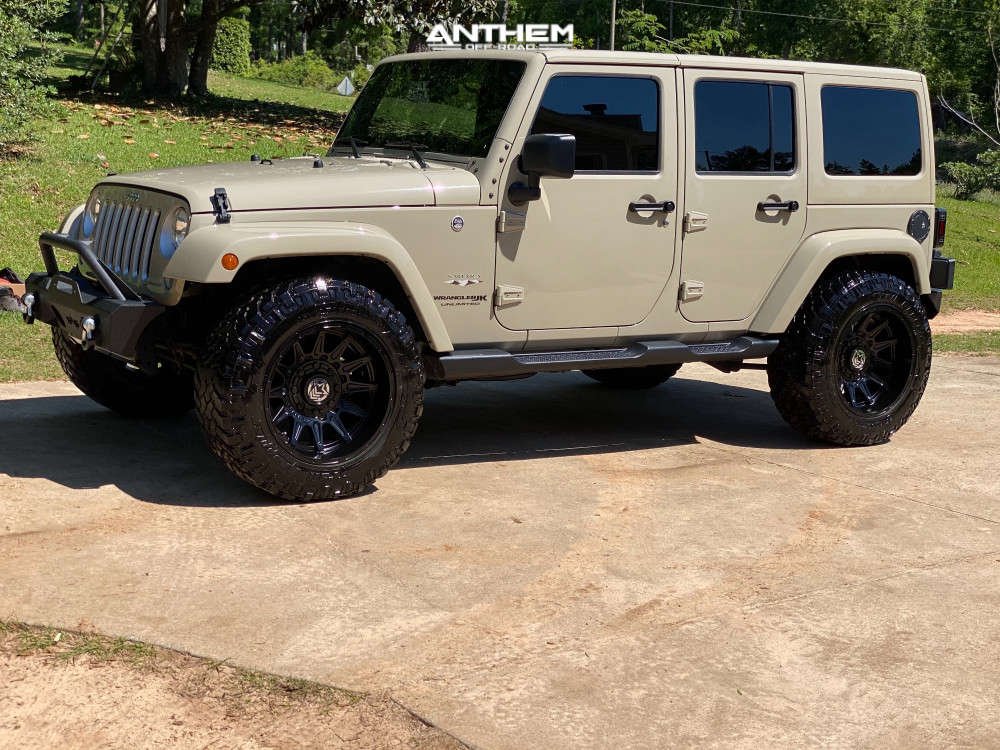
- Common Upgrades: Many JK owners upgrade to 33-inch or 35-inch tires.
- Wheel Width and Tire Fitment: A wider wheel (e.g., 9 inches) is generally better suited for wider tires (e.g., 33×12.50 or 35×12.50). A narrower wheel (e.g., 8 inches) can be used but may slightly alter the tire’s profile.
- Backspacing/Offset: As mentioned, lower backspacing (negative offset) helps clear larger tires by pushing the wheel outwards. You’ll need to calculate or research the required backspacing/offset for your desired tire size to avoid rubbing on fenders, control arms, or sway bars. A common recommendation for 35-inch tires on a JK is a wheel with 4.5 inches of backspacing or an offset around -12mm to -24mm.
Suspension And Lift
Your Jeep’s suspension setup plays a significant role in wheel and tire compatibility.
- Stock Suspension: With stock suspension, you are generally limited to tires up to 32 inches without rubbing, and even then, some rubbing might occur off-road. Wheels with stock-like positive offset and backspacing are best.
- Lifted Suspension: Adding a suspension lift (e.g., 2.5-inch or 4-inch lift) provides more clearance, allowing for larger tires. The taller the lift, the larger the tires you can accommodate. When lifting, you often gain more flexibility with wheel offset and backspacing, making it easier to fit wider tires and wheels.
- Body Lift: A body lift can also create space for larger tires, but it doesn’t improve suspension articulation.
Ride Quality And Handling
The wheels and tires you choose will affect how your JK Sahara drives on the road.
- Wheel Diameter: Larger diameter wheels often mean lower-profile tires. Lower-profile tires have less sidewall flex, which can lead to a firmer ride on the road but potentially sharper steering response.
- Wheel Weight: Heavier wheels increase unsprung weight, which can negatively impact ride comfort, handling, and fuel economy. Lighter wheels generally provide a more comfortable ride and better performance.
- Tire Type: The type of tire mounted on the wheel (all-terrain, mud-terrain, hybrid) has a much larger impact on ride quality and noise than the wheel itself. Aggressive mud-terrain tires are typically louder and offer a rougher ride compared to all-terrain tires.
Durability And Material
Consider where and how you plan to use your Jeep.
- Off-Roading: If you frequently venture off-road, especially on rocky terrain, a durable wheel material like forged aluminum or even steel might be preferable. Wheels with reinforced lips or beadlock capabilities offer extra protection.
- Street Use: For primarily street use with occasional light off-roading, most cast alloy wheels will suffice. Prioritize weight savings and aesthetics.
Budget
Aftermarket wheels vary significantly in price.
- Steel Wheels: Typically the most affordable option.
- Cast Alloy Wheels: Offer a wide price range, from budget-friendly options to mid-range choices.
- Flow-Formed/Rotary Forged: Mid-to-high price range.
- Forged Alloy Wheels: The most expensive, often costing $800-$1500+ per wheel.
It’s also important to factor in the cost of new tires, lug nuts, and potentially tire pressure monitoring system (TPMS) sensors if you’re changing wheel sizes or types.
Popular Aftermarket Wheel Brands And Styles
The aftermarket offers a plethora of brands, each with its signature style and focus. Here are a few popular choices known for their quality and appeal among Jeep Wrangler owners.
Method Race Wheels
Method Race Wheels is a dominant player in the off-road wheel market, known for their rugged designs and strong construction.
- Popular Models for JK:
- 305 NV: A classic 10-spoke design with a matte black finish and a simulated beadlock outer ring. It offers a strong, aggressive look. Available in various sizes and offsets suitable for the JK.
- 316 / 317 / 318 (GRID series): These feature more complex, multi-spoke designs with intricate milling details, offering a more premium and modern aesthetic while retaining off-road toughness.
- 301 The Standard: A timeless, simple 12-spoke design that’s incredibly popular for its clean look and robustness.
- Key Features: Method wheels often feature robust construction, high load ratings, and designs that accommodate larger brake systems and suspension components. They offer various offsets to help achieve the desired stance and tire clearance.
Fuel Off-road Wheels
Fuel Off-Road is another leading brand, offering a vast selection of designs ranging from classic to flashy.
- Popular Models for JK:
- D572 BLITZ: A popular choice with a mesh-like design and a simulated



















