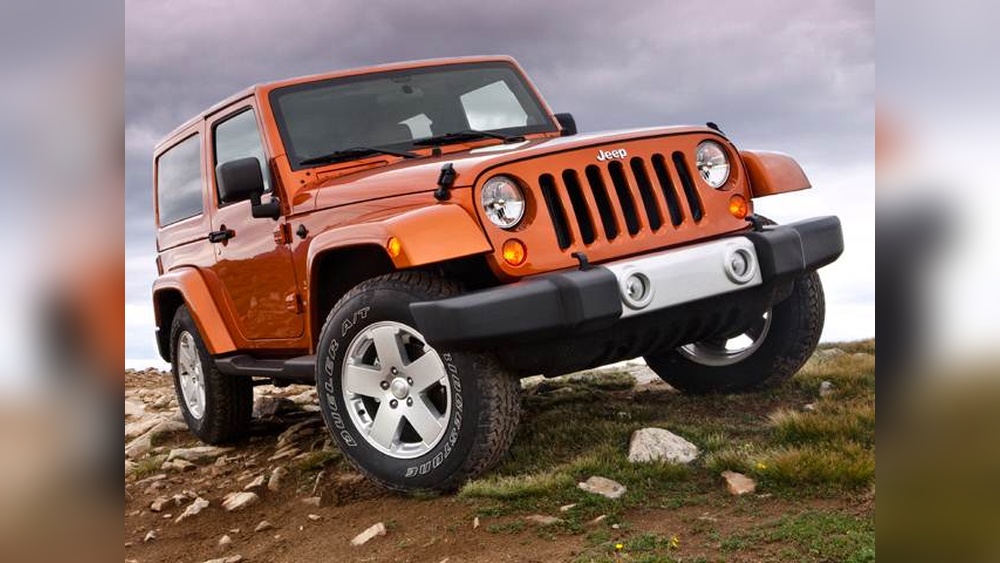
The Jeep Wrangler JK is a favorite among off-road enthusiasts and daily drivers alike. But even this tough vehicle can face electrical issues.
When something stops working—like your headlights, radio, or power windows—the fuse box is often the first place to check. Understanding the fuse box diagram for the Jeep Wrangler JK can save you time, money, and stress.
This guide breaks down everything you need to know, from finding the fuse box, reading the diagram, and replacing fuses, to common troubleshooting tips.
What Is A Fuse Box And Why Does It Matter?
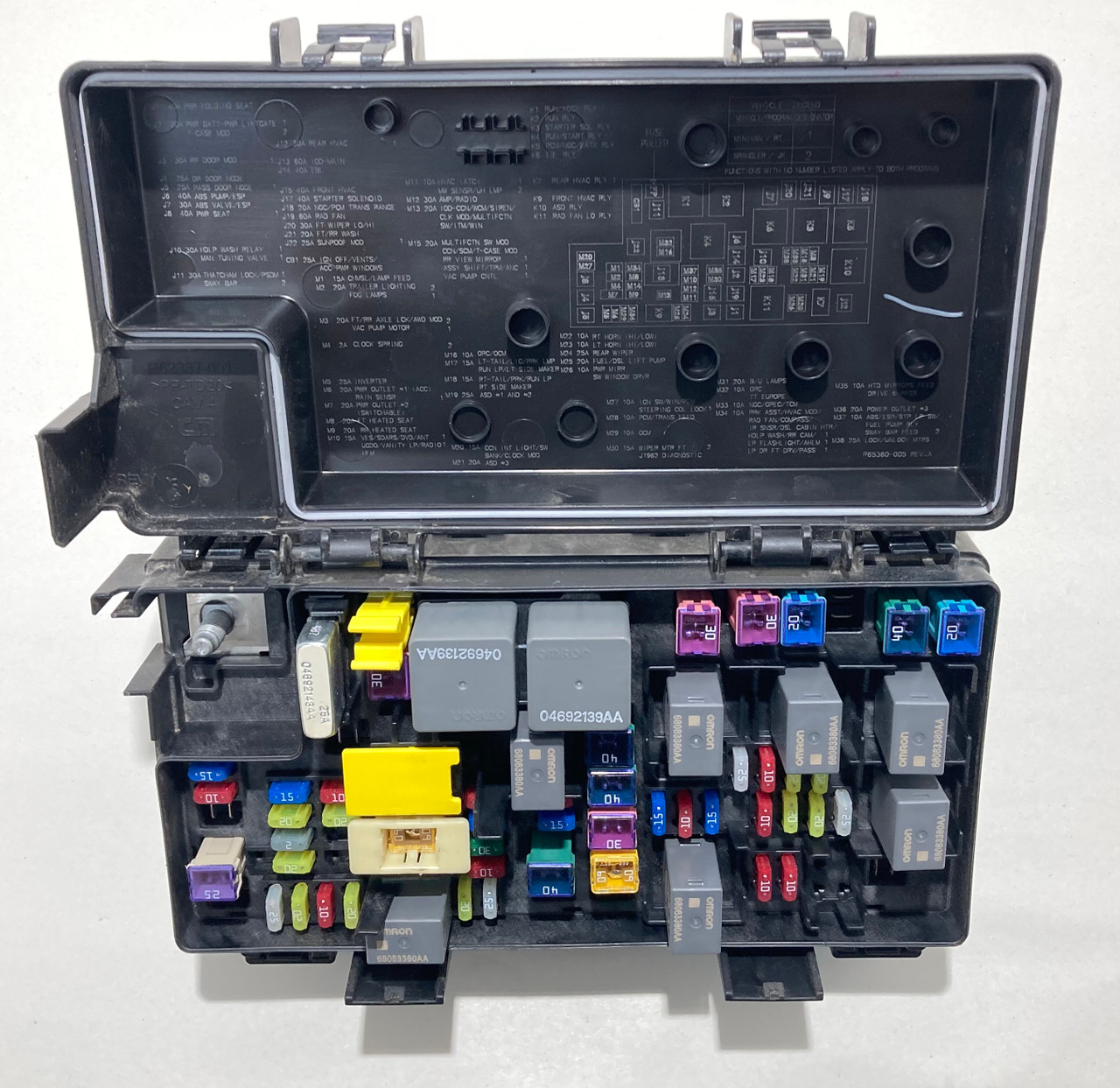
The fuse box is the control center for your vehicle’s electrical system. It protects important circuits from overload or short circuits by using small, replaceable fuses. When a part of your Jeep’s electrical system draws too much power, the fuse blows, stopping the flow and preventing further damage.
For Jeep Wrangler JK owners, knowing your fuse box layout is essential. A blown fuse can leave you without headlights at night or make your radio go silent during a road trip.
The fuse box diagram tells you which fuse controls each part, making it much easier to identify and fix problems.
Where To Find The Fuse Box In The Jeep Wrangler Jk
Most Jeep Wrangler JKs (model years 2007–2018) have two main fuse boxes:
- Power Distribution Center (PDC): This is under the hood, near the battery on the driver’s side.
- Interior Fuse Panel: Located behind the glove box or in the passenger footwell area.
The PDC handles major systems like the engine, ABS, and headlights. The interior fuse panel covers things inside the cabin, such as the radio, interior lights, and power outlets.
Locating The Fuse Boxes
- Open the hood and look for a black plastic box with a snap-on lid near the battery. This is the Power Distribution Center.
- For the interior fuse panel, open the passenger door and remove the glove box (by pushing in both sides). You’ll see a smaller fuse box behind it.
Understanding The Jeep Wrangler Jk Fuse Box Diagram
A fuse box diagram is a map that shows you which fuse serves each electrical component. Each fuse slot is numbered and labeled. The diagram is usually found on the underside of the fuse box cover or in the owner’s manual.
Here’s a sample layout for the Power Distribution Center (2007–2018 Jeep Wrangler JK):
| Fuse No. | Amp Rating | Circuit Protected |
|---|---|---|
| M6 | 20A | Fuel Pump |
| M7 | 30A | Starter Motor |
| M18 | 15A | Horn |
| M23 | 15A | Headlamp |
| M27 | 10A | Heated Seats |
| M32 | 20A | Power Outlet (Front) |
Each fuse is color-coded and marked with its amp rating. The fuse number matches the diagram, so you can easily find the one you need.
How To Read And Use The Fuse Box Diagram
Reading the diagram is simple once you know what to look for:
- Identify the problem (e.g., radio not working).
- Check the diagram to find which fuse number controls the radio.
- Find the fuse in the box by matching the number and location.
- Remove and inspect the fuse. If the metal strip inside is broken, the fuse is blown.
- Replace with the same amp rating. Using a higher rating can be dangerous and damage your electrical system.
Example: Radio Not Working
Suppose your radio has stopped working. The diagram shows that fuse M12 (20A) controls the radio.
Locate M12 in the PDC, pull it out, and check. If it’s blown, replace it with a new 20A fuse. Your radio should work again.
Common Fuse Locations And Functions
Here are the most common fuses Jeep Wrangler JK owners check:
| Fuse | Function | Location |
|---|---|---|
| M6 | Fuel Pump | PDC (under hood) |
| M12 | Radio | PDC (under hood) |
| M23 | Headlamp | PDC (under hood) |
| F43 | Power Windows | Interior Panel |
| F45 | Heated Seats | Interior Panel |
Knowing these common fuses can help you fix small problems quickly, especially if you’re on the road.
Steps To Replace A Fuse In The Jeep Wrangler Jk
Replacing a fuse is straightforward, but there are a few things you should always do to stay safe:
- Turn off your vehicle and remove the key from the ignition.
- Open the fuse box cover using the latch or clip.
- Use the fuse puller tool (usually clipped inside the box) or needle-nose pliers.
- Gently pull out the suspect fuse.
- Inspect the fuse: A blown fuse has a broken metal strip.
- Replace with an identical fuse (same amp rating and color).
- Close the cover and turn your vehicle back on to test.
Safety Tips
- Never use a higher amp fuse than recommended.
- Carry a set of spare fuses in your glove box.
- If a new fuse blows immediately, there may be a deeper electrical problem.
Differences Between Model Years And Trims
Not every Jeep Wrangler JK fuse box is exactly the same. There are differences between trims (Sport, Sahara, Rubicon) and model years.
- 2007–2011 models often have slightly different fuse layouts than 2012–2018 models.
- Certain options, like heated seats or navigation, may use fuses that base models do not have.
- Some export versions can have unique layouts due to different regulations.
Always check your specific owner’s manual or the diagram under the fuse box cover. Relying on a generic online diagram can lead to confusion.
Troubleshooting Common Electrical Issues With Fuses
Many common Jeep Wrangler JK electrical problems can be solved by checking and changing a fuse. Here are a few examples and what to look for:
- Headlights not working: Check fuse M23 (Headlamp) and the headlight relay.
- Power windows stop: Check fuse F43 in the interior panel.
- Radio silent: Check fuse M12 in the PDC.
- Heated seats not heating: Check fuse M27 or F45, depending on your year and trim.
- Power outlet dead: Check fuse M32 for the front outlet.
Non-obvious Insights
- Sometimes, multiple systems share a single fuse. For example, the radio and interior lights may be on the same circuit. If both stop working, check for a shared fuse.
- If you keep blowing the same fuse, it’s often a sign of a short circuit or a faulty accessory. Unplug any aftermarket gear (phone chargers, light bars) to test before replacing fuses again.
Why Fuses Blow In The Jeep Wrangler Jk
Understanding why fuses blow can help you prevent future problems:
- Worn wires: Off-roading can shake wires loose, causing shorts.
- Aftermarket accessories: Extra lights, winches, or radios may draw too much power if not installed correctly.
- Water intrusion: Jeeps see mud and water, which can get into electrical systems and cause issues.
- Aging parts: Over time, connectors and switches can fail, leading to fuse problems.
Regular checks and careful upgrades help keep your Jeep’s electrical system healthy.
How To Upgrade Or Add Accessories Safely
Many Jeep JK owners love to add lights, winches, or sound systems. But adding accessories can stress the electrical system if not done right.
- Always use a fused relay for high-draw items like off-road lights.
- Tap into the auxiliary power outlet circuit (usually M32) if you need a switched 12V source.
- Never just “double up” on an existing fuse slot—this can overheat wires.
- Use proper gauge wiring and weatherproof connectors for exterior accessories.
If you’re unsure, consult a professional or refer to guides on safe accessory installation. The Jeep Wrangler community is active and has many forums for advice.

Comparing The Jeep Wrangler Jk Fuse Box To Other Models
How does the JK’s fuse box compare to those in other Jeep generations? Here’s a quick look:
| Model | Main Fuse Box Location | Number of Fuses | Special Features |
|---|---|---|---|
| Wrangler TJ (1997–2006) | Behind glove box | ~25 | Simple layout |
| Wrangler JK (2007–2018) | Under hood, passenger footwell | ~40–50 | Handles more electronics |
| Wrangler JL (2018+) | Under hood, driver’s side | ~60 | Advanced systems (Start/Stop, etc.) |
The JK’s fuse box is more complex than older models, reflecting its extra features. But it’s still easier to access and troubleshoot than many newer SUVs.
Practical Tips For Jeep Jk Owners
- Keep a fuse puller and spare fuses in your glove box.
- Photograph your fuse box diagram with your phone in case you lose the cover.
- If adding accessories, label which fuse slot you’ve used.
- Clean the fuse box area regularly, especially after off-roading.
- When selling your Jeep, include a photo or printout of the fuse diagram for the next owner.

When To Seek Professional Help
If you replace a fuse and it blows again right away, or if multiple systems fail at once, it may be time to see a mechanic. Electrical problems can sometimes mean a bigger issue like a faulty relay, damaged wiring, or a bad control module.
A professional can test circuits safely and find deeper faults.
For official diagrams and technical support, you can always consult the Jeep Owner’s Manual.
Frequently Asked Questions
Where Is The Fuse Box Diagram For My Jeep Wrangler Jk?
You’ll find the diagram on the underside of the fuse box cover or in your owner’s manual. If you lose both, you can download the manual from the Jeep website.
What Happens If I Use The Wrong Fuse Rating?
Using a fuse with a higher amp rating than specified can damage your Jeep’s wiring and cause fires. Always use the same rating as shown in the diagram.
My Fuse Keeps Blowing. What Should I Do?
Repeated blown fuses often mean a short circuit or faulty accessory. Unplug aftermarket devices and check for damaged wires. If the problem continues, see a qualified mechanic.
Can I Drive With A Blown Fuse?
It depends on the circuit. You can drive with a blown radio fuse, but never drive with blown headlight or brake light fuses—it’s unsafe and illegal.
How Do I Buy The Right Replacement Fuses?
Check your diagram for the amp rating and shape. Most auto parts stores sell Jeep JK fuse packs. Carry spares of 10A, 15A, 20A, and 30A fuses for emergencies.
The Jeep Wrangler JK fuse box diagram is your key to fast, simple electrical troubleshooting. Understanding this system helps you stay safe on and off the road. Taking a few minutes to learn your fuse layout pays off when you’re far from help. Keep your diagram handy, check fuses carefully, and enjoy your Jeep adventures with confidence.