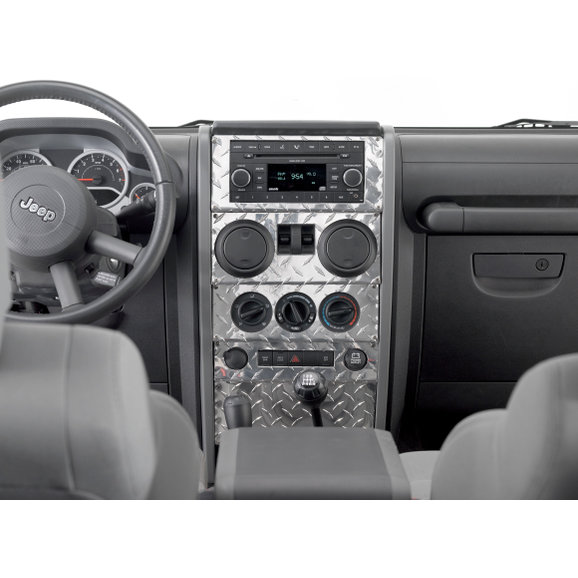
If your Jeep Wrangler JK dashboard is showing cracks, fading, or electrical problems, you’re not alone. Many JK owners face these issues as their vehicles age, especially in harsh climates.
A damaged dashboard isn’t just about looks; it can impact safety, visibility, and even the function of critical controls. Replacing your dashboard can restore your Jeep’s interior, improve driving comfort, and help keep your vehicle’s value high.
This guide covers everything you need to know about Jeep Wrangler JK dashboard replacement, from early signs to final installation, common mistakes, and costs—so you can tackle the job with confidence.
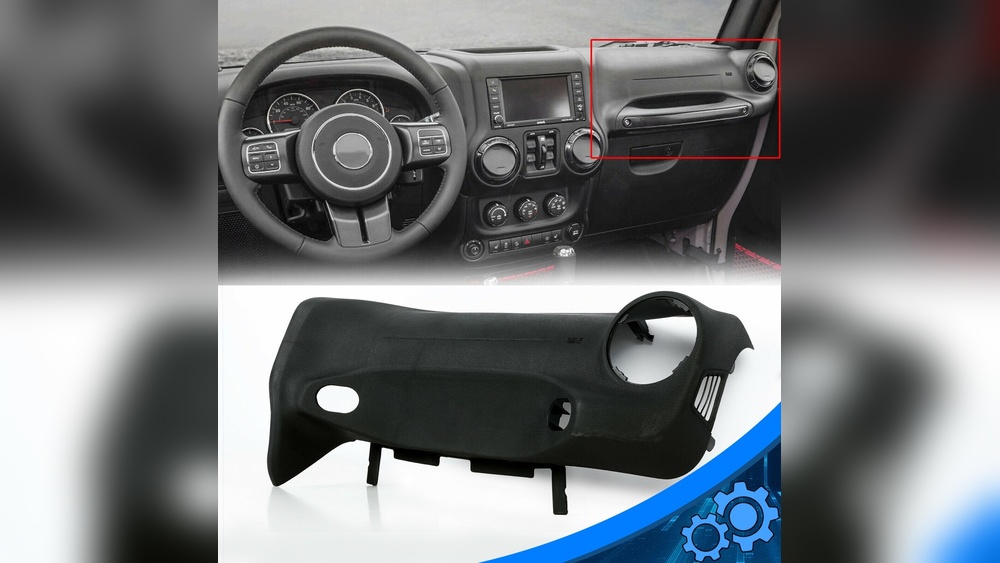
Signs You Need A Dashboard Replacement
It’s not always obvious when your dashboard needs replacing. Here are key signs to watch for:
- Cracking or Fading: Sunlight and heat can make the dashboard surface brittle. Cracks may spread and pieces can break off, making the dash unsafe and unsightly.
- Warping or Bubbling: Heat exposure sometimes causes the dashboard to warp, especially around the windshield. This can block air vents or affect airbag deployment.
- Electrical Problems: If gauges, warning lights, or switches stop working, the wiring behind the dash may be damaged. Sometimes, replacing the dash is easier than fixing multiple electrical faults.
- Rattling or Loose Panels: Over time, the dash may not fit tightly. Rattles and vibrations can become annoying and signal that fasteners or supports are failing.
- Broken Mounts: If the mounting points are cracked or stripped, the dashboard can shift, creating noise or even blocking controls.
- Mold or Odor: Water leaks can lead to mold growth inside the dash, causing persistent smells and health risks.
Pro tip: Small cracks can sometimes be repaired, but if you see multiple issues or safety risks, full replacement is best.
Choosing The Right Replacement Dashboard
Not all dashboards are the same, even for the Jeep Wrangler JK (2007–2018). Here’s how to make the right choice:
Oem Vs. Aftermarket
- OEM (Original Equipment Manufacturer): Fits exactly, matches factory color and texture, and usually includes all proper mounting points. Costs more but offers peace of mind.
- Aftermarket: Cheaper, sometimes better materials, but fit and finish can vary. Some aftermarket dashes offer custom colors or extra features.
Material Choices
Most JK dashboards are made from ABS plastic or a plastic/foam blend. Some aftermarket options use improved UV-resistant materials, which last longer in hot climates. Check product descriptions carefully.
Color And Finish
Match your interior color for a seamless look. Some aftermarket dashes come in black, gray, or tan.
If you want a custom look, some brands offer pre-painted or paintable options.
What’s Included?
Some kits include just the dash shell; others come with vents, wiring, or even dash pads. Make sure you know what’s in the box to avoid extra trips to the parts store.
Here’s a quick comparison of OEM vs. Aftermarket dashboards for Jeep Wrangler JK:
| Feature | OEM Dashboard | Aftermarket Dashboard |
|---|---|---|
| Fit & Finish | Exact match | May vary |
| Color Options | Factory colors only | More choices |
| Material Quality | Standard plastic | Varies, sometimes better |
| Price | Higher | Lower |
| Warranty | Usually included | Depends on brand |
Tools And Parts Needed
Before starting, collect all necessary tools and parts. Missing one tool can slow the entire process.
Essential tools:
- Phillips and flathead screwdrivers
- Socket wrench set (metric and SAE)
- Trim removal tools (plastic preferred)
- Torx drivers (T15, T20, T30 for JK models)
- Ratchet extension
- Small flashlight or headlamp
Parts:
- Replacement dashboard (OEM or aftermarket)
- New fasteners or clips (if old ones are damaged)
- Optional: New dash pad, vents, or switches
Helpful extras:
- Ziplock bags for screws (label them)
- Masking tape to protect trim
- Shop vacuum for cleanup
Non-obvious insight: Many JK dashes use hidden screws or clips—always check for screws under rubber mats or inside vent openings.
Step-by-step Dashboard Removal
Replacing a Jeep Wrangler JK dashboard is a big job, but you don’t need to be a pro mechanic. Here’s a clear, organized approach:
- Disconnect the Battery
- Always remove the negative terminal first. This prevents accidental airbag deployment and protects electronics.
- Remove Lower Panels and Glovebox
- Use a trim tool to pop off the knee bolster and glovebox. Keep screws organized.
- Take Out Center Console (if needed)
- Slide seats back, remove shifter knobs, and lift out the console to expose mounting bolts.
- Detach Air Vents and Radio Bezel
- Pry out vents with a plastic tool. Remove screws holding the center bezel and pull gently.
- Remove Switches and Controls
- Unplug connectors for the HVAC, radio, and other switches. Be careful—some clips are fragile.
- Unscrew Dashboard Fasteners
- Find all screws along the bottom, sides, and top near the windshield. Some may be hidden under trim.
- Disconnect Wiring Harnesses
- Carefully unplug all connectors behind the dash. Take photos to help with reassembly.
- Lift Out the Dashboard
- With a helper, gently lift the dash out of the vehicle. Watch for any wires or cables still attached.
Here’s a look at which steps require the most time and caution:
| Step | Estimated Time | Difficulty |
|---|---|---|
| Battery Disconnect | 5 min | Easy |
| Panel Removal | 20 min | Moderate |
| Console & Bezel | 25 min | Moderate |
| Wiring Disconnect | 20 min | Challenging |
| Dashboard Removal | 30 min | Challenging |
Pro tip: Take photos before and during removal. They’re a lifesaver if you forget where a wire or screw goes.
Installing The New Dashboard
When the old dash is out, it’s time for installation. This is mostly a reverse of removal, but with a few special tips:
- Inspect and Clean
- Check for rust, broken wires, or missing insulation. Clean the heater box and vents before installing the new dash.
- Transfer Parts
- Move all switches, vents, and brackets from the old dash to the new one. Make sure everything snaps in securely.
- Reconnect Wiring
- Match connectors to their original positions. Use your photos for reference.
- Position the New Dashboard
- With help, set the dash in place. Check alignment with mounting holes before tightening bolts.
- Tighten Fasteners and Test Fit
- Start all screws by hand to avoid cross-threading. Tighten evenly from center outward.
- Reconnect Controls and Panels
- Plug in all switches, test the radio and A/C, and reinstall the glovebox and trim.
- Reconnect Battery and Test
- Restore power and check all functions: Lights, gauges, airbag, and radio.
Non-obvious insight: Test all electrical systems before fully tightening the dash. It’s easier to fix a missed connection before everything is bolted down.
Common Mistakes And How To Avoid Them
It’s easy to make errors during a dashboard replacement. Watch out for these pitfalls:
- Forgetting Wiring Connections: Double-check all plugs before final assembly. A missed airbag or sensor wire can cause warning lights.
- Losing Screws or Clips: Use labeled bags for each set of fasteners.
- Cracking Trim Pieces: Always use plastic tools, not metal screwdrivers, to pry panels.
- Rushing the Job: Take your time. For most DIYers, the process takes 4–6 hours.
- Not Disconnecting the Battery: This is critical for safety. Never skip this step.
Experience-based tip: If you’re unsure about a step, search for a video specific to your Wrangler year. Visual guides help avoid mistakes unique to JK models.
Estimated Cost Of Dashboard Replacement
Replacing a Jeep Wrangler JK dashboard can be affordable or expensive, depending on how you do it:
| Option | Parts Cost | Labor Cost | Total Estimate |
|---|---|---|---|
| DIY with Aftermarket | $250–$450 | $0 | $250–$450 |
| DIY with OEM | $600–$900 | $0 | $600–$900 |
| Professional Shop | $600–$900 | $400–$800 | $1,000–$1,700 |
Extra costs may include new dash pads, replacement fasteners, or upgraded switches.
Tip: If your Jeep has airbags, check if the new dash is airbag compatible. Some cheap aftermarket dashes do not support airbag deployment correctly.
When To Seek Professional Help
While many Jeep owners can handle a dashboard swap, some cases call for expert help:
- Airbag or electrical work: If you’re uncomfortable disconnecting airbags or wiring, a professional can do the job safely.
- Major damage: If the dash supports or underlying structure are bent or rusted, you may need a body shop.
- Noisy or loose dash after install: If you hear rattles or see gaps, a shop can adjust the fit.
Pro insight: Always ask for a written estimate and confirm warranty terms before paying for installation.
Upgrades To Consider During Replacement
Swapping your dashboard is the perfect time to add upgrades:
- Sound deadening mats: Reduce road noise by adding insulation behind the dash.
- USB ports or upgraded switches: Modernize your Jeep with better electronics.
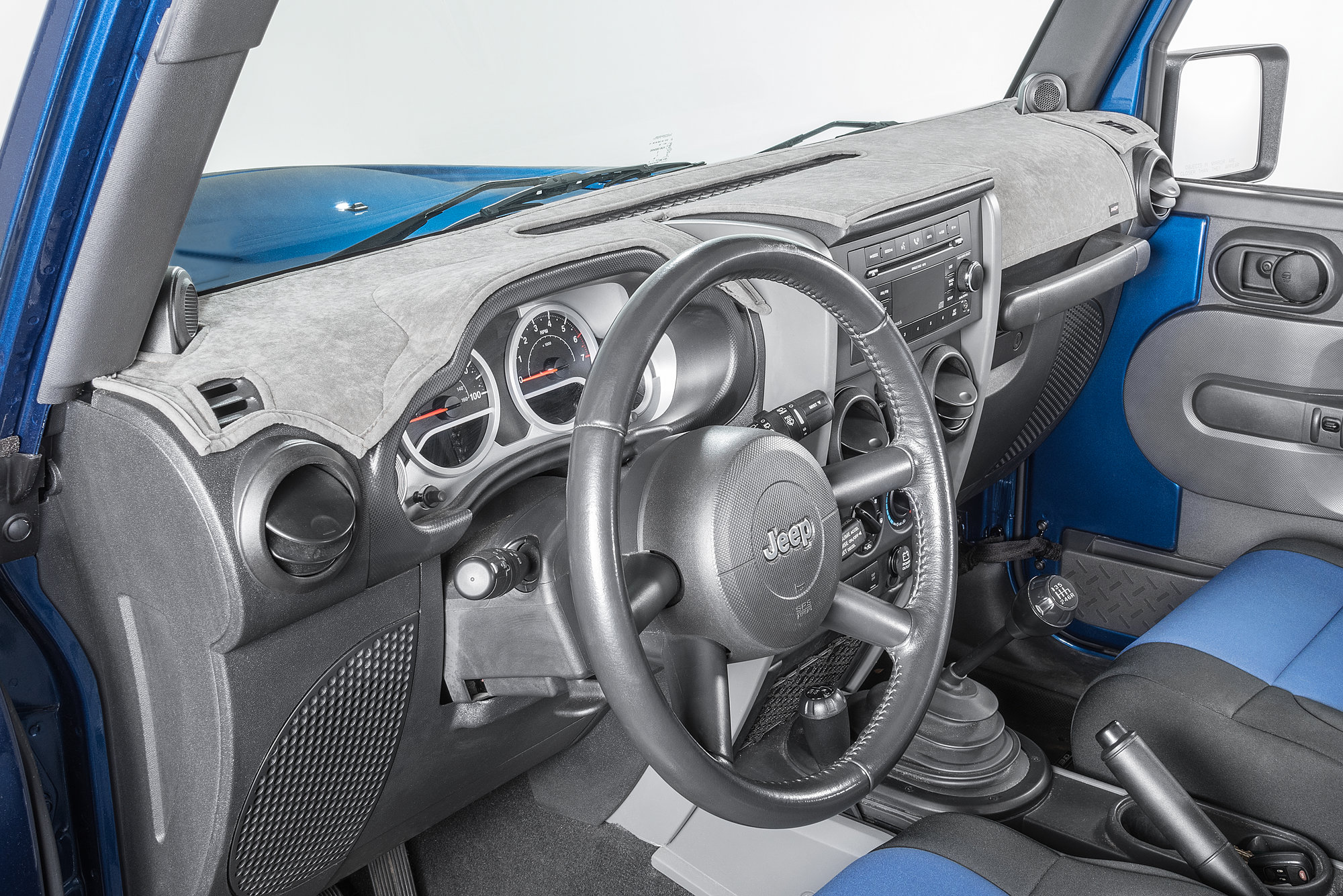
- Custom dash covers: Protect your new dash from UV and scratches.
- LED lighting: Add accent lights to footwells or vents for a unique touch.
Adding these upgrades now is much easier than opening the dash again later.
Frequently Asked Questions