If your Jeep Wrangler hood bounces or rattles while driving, it’s probably time to replace the hood latches. These small but important parts keep your hood secure and prevent dangerous situations.
Many Jeep owners notice that over time, the factory latches lose strength, especially after years of off-road adventures or exposure to weather. Replacing them isn’t just about looks—it’s about safety and peace of mind.
This guide will help you understand everything you need to know about Jeep Wrangler hood latch replacement, from choosing the right parts to installation and troubleshooting.
Why Hood Latches Matter On A Jeep Wrangler
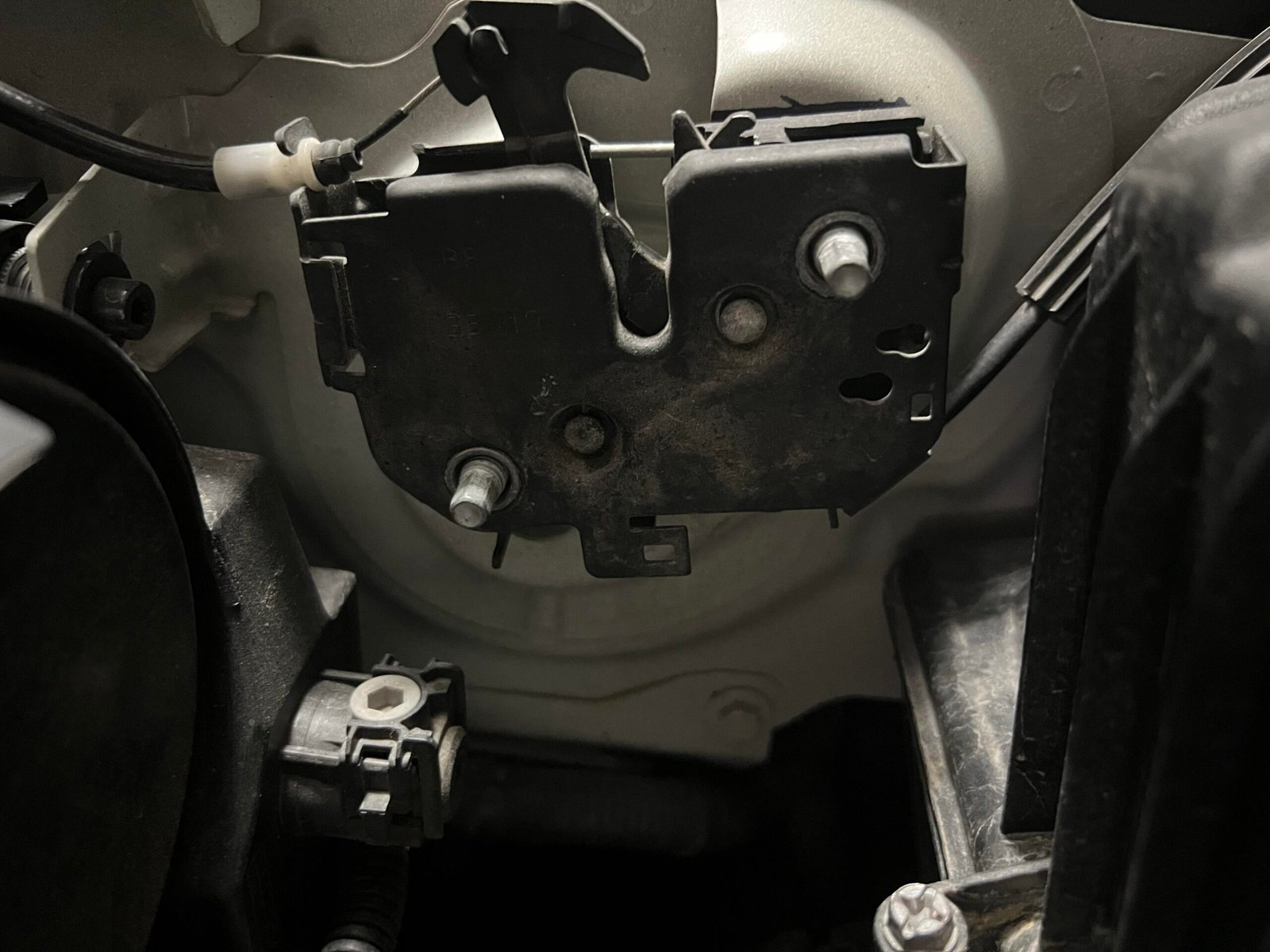
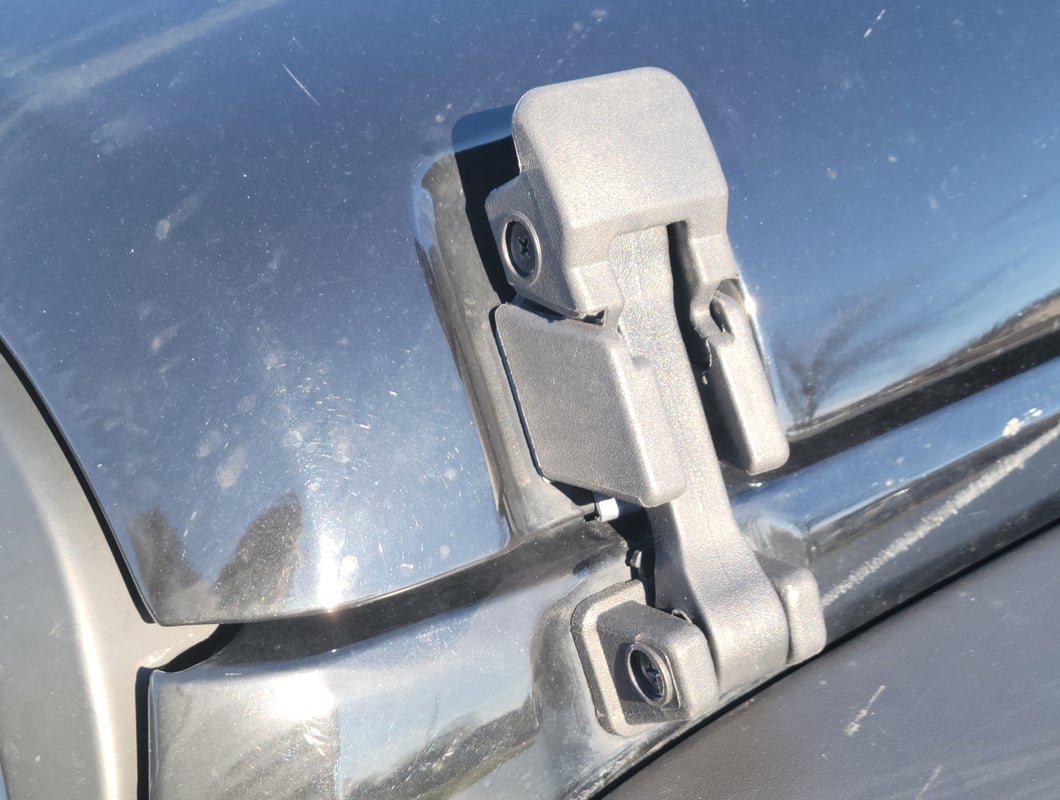
The hood latch is more than just a clip—it’s a safety device. If a latch fails, the hood can fly up while driving, blocking your view and risking an accident. This is especially important for Jeep Wranglers, which are often used in rough conditions. Factory latches are made of rubber and plastic, and these materials degrade with time, sun, and road vibrations. Many owners upgrade to stronger aftermarket latches for extra security.
There are a few reasons why latches fail:
- UV damage from sunlight dries out rubber parts.
- Vibration from rough roads loosens the latch.
- Aging causes the latch to stretch and lose grip.
Replacing your latches before they fail can prevent costly damage and keep you safe.
Signs You Need A Hood Latch Replacement
Not sure if your latch needs to be replaced? Look for these signs:
- Visible cracks or wear on the rubber or plastic.
- Loose hood that moves or rattles while driving.
- Difficulty locking or unlocking the hood.
- Hood pops up after hitting bumps or during off-road driving.
Even if you don’t see obvious damage, it’s smart to check your latches regularly. Many Jeep owners replace them every 3–5 years, especially in hot climates.
Choosing The Right Hood Latch Replacement
Before buying, it’s important to know what to look for in a hood latch. There are two main types: OEM (original equipment manufacturer) and aftermarket latches. OEM latches match the original design, while aftermarket latches often provide stronger materials and features.
Here’s a quick comparison:
| Type | Material | Durability | Cost |
|---|---|---|---|
| OEM | Rubber/Plastic | Standard | $30–$60 |
| Aftermarket | Aluminum/Steel | High | $50–$100 |
OEM latches are good for daily driving, but if you go off-road or want extra security, consider aftermarket latches. Popular brands include Rugged Ridge, Daystar, and Drake Off Road. Some latches are also lockable, adding theft protection.
Key Factors When Choosing
- Fitment: Make sure the latch fits your Jeep model and year. Wrangler JK, JL, and TJ latches are not always interchangeable.
- Material: Metal latches last longer than rubber.
- Ease of installation: Some latches require drilling or tools; others are simple bolt-ons.
- Appearance: Black, chrome, and custom colors are available.
Avoid common mistakes like buying cheap latches that don’t fit or choosing weak materials that won’t last.
Tools And Materials Needed
Replacing a hood latch is a simple job, but having the right tools will make it easier. Here’s what you’ll need:
- New hood latch kit (OEM or aftermarket)
- Socket wrench set
- Screwdriver (usually Phillips)
- Allen keys (for some aftermarket latches)
- Protective gloves
- Rubbing alcohol (for cleaning)
- Microfiber cloth
Most kits come with hardware and instructions. Check before you start to avoid delays.
Step-by-step Hood Latch Replacement Guide
Let’s walk through the process. This guide covers most Jeep Wrangler models (JK, JL, TJ), but always check your specific vehicle’s instructions.
1. Prepare The Vehicle
Park your Jeep on a flat surface. Turn off the engine and let it cool. Open the hood and secure it with the prop rod.
2. Remove The Old Latches
Locate the latch on each side of the hood. Using a socket wrench or screwdriver, remove the bolts holding the latch to the hood and fender. Carefully pull off the old latch. If it’s stuck, wiggle gently—never force, as you might damage the hood.
3. Clean The Mounting Area
Use rubbing alcohol and a microfiber cloth to clean dirt and old adhesive from the mounting area. This helps the new latch sit flat and prevents rust.
4. Install The New Latch
Position the new latch in place. Insert bolts and tighten them using the correct tool (socket wrench or Allen key). Do not overtighten—this can crack plastic or strip threads. Some aftermarket latches require adjustments; follow the included instructions.
5. Test The Latch
Close the hood gently and secure the new latch. Check for a snug fit. Try to wiggle the hood—there should be no movement. If the latch is too tight or too loose, adjust as needed.
6. Repeat On Other Side
Replace the latch on the other side using the same steps.
7. Final Inspection
Check both latches, open and close the hood several times, and look for any issues. Make sure all bolts are tight and the hood sits flush.
Replacing both latches usually takes 30–45 minutes. If you face trouble, double-check fitment and instructions.
Practical Tips For A Smooth Replacement
Some owners run into minor problems during replacement. Here are tips to avoid headaches:
- Don’t mix up bolts: Keep old hardware organized. Some latches use different bolts for the hood and fender.
- Check alignment: If the hood sits unevenly after installation, loosen bolts and adjust the latch position.
- Lubricate moving parts: A small amount of silicone spray helps new latches operate smoothly.
- Avoid overtightening: Stripped threads can cause future problems. Tighten bolts just enough for a secure fit.
Many aftermarket latches have extra parts—read instructions carefully. If you’re unsure, watch a video guide or ask someone with experience.
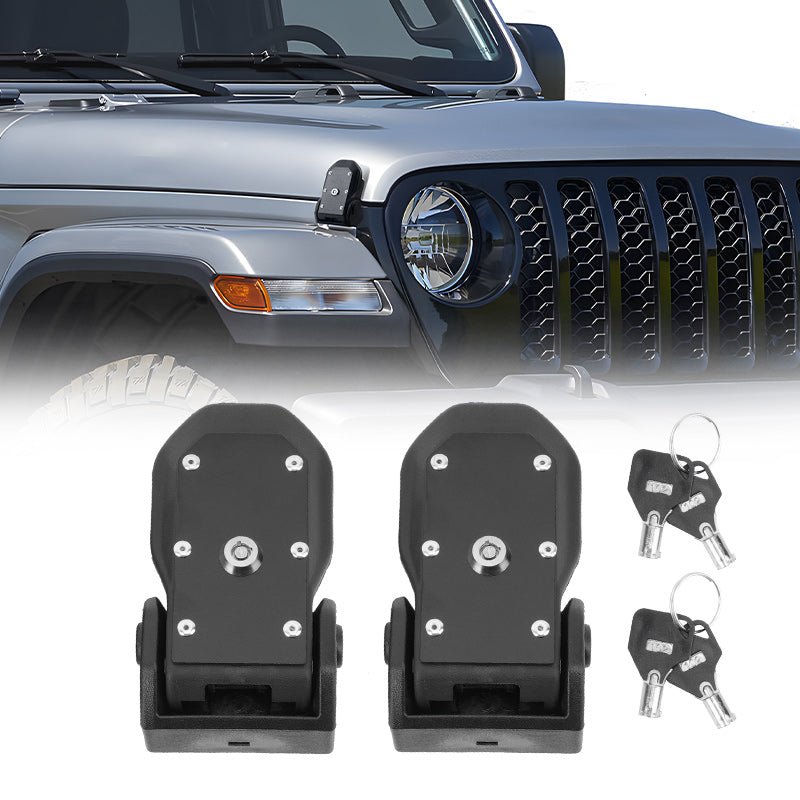
Aftermarket Vs. Oem: Performance And Longevity
Aftermarket latches are popular for their strength and design. Let’s look at how they compare with OEM options:
| Feature | OEM Latch | Aftermarket Latch |
|---|---|---|
| Material | Rubber/plastic | Aluminum/steel |
| UV Resistance | Low | High |
| Vibration Control | Standard | Enhanced |
| Locking Option | No | Yes (some models) |
| Installation | Easy | Varies |
Aftermarket latches often last twice as long and look better. Owners report fewer rattles and improved hood stability, especially off-road. According to surveys, over 60% of Jeep owners switch to aftermarket latches within five years.
Cost And Value: What To Expect
Replacing a hood latch is affordable compared to other Jeep repairs. Here’s an average breakdown:
| Type | Parts Cost | Labor Cost (DIY) | Labor Cost (Shop) |
|---|---|---|---|
| OEM | $30–$60 | $0 | $50–$100 |
| Aftermarket | $50–$100 | $0 | $70–$120 |
Doing it yourself saves money. Most shops charge for labor, but the task is simple for anyone with basic tools. Don’t forget to compare warranty and return policies, especially for aftermarket parts.
Common Mistakes And How To Avoid Them
Many beginners make mistakes that cause problems later. Here are two non-obvious tips:
- Check latch compatibility before buying. Wranglers from different years often use different latch shapes and mounting points.
- Inspect hood alignment after installation. Even a slight misalignment can cause wind noise or make the latch hard to open.
Other mistakes include not cleaning the area before installing, forgetting to tighten bolts, or overtightening and cracking the latch. Take your time and follow the steps for best results.
Maintenance After Replacement
After you install new latches, keep them in good shape:
- Clean the latches during regular car washes.
- Check bolts every few months, especially after off-roading.
- Apply a small amount of silicone lubricant to moving parts.
Most aftermarket latches last 5–8 years, while OEM latches may need replacement sooner. If you notice any issues, fix them quickly to avoid bigger problems.
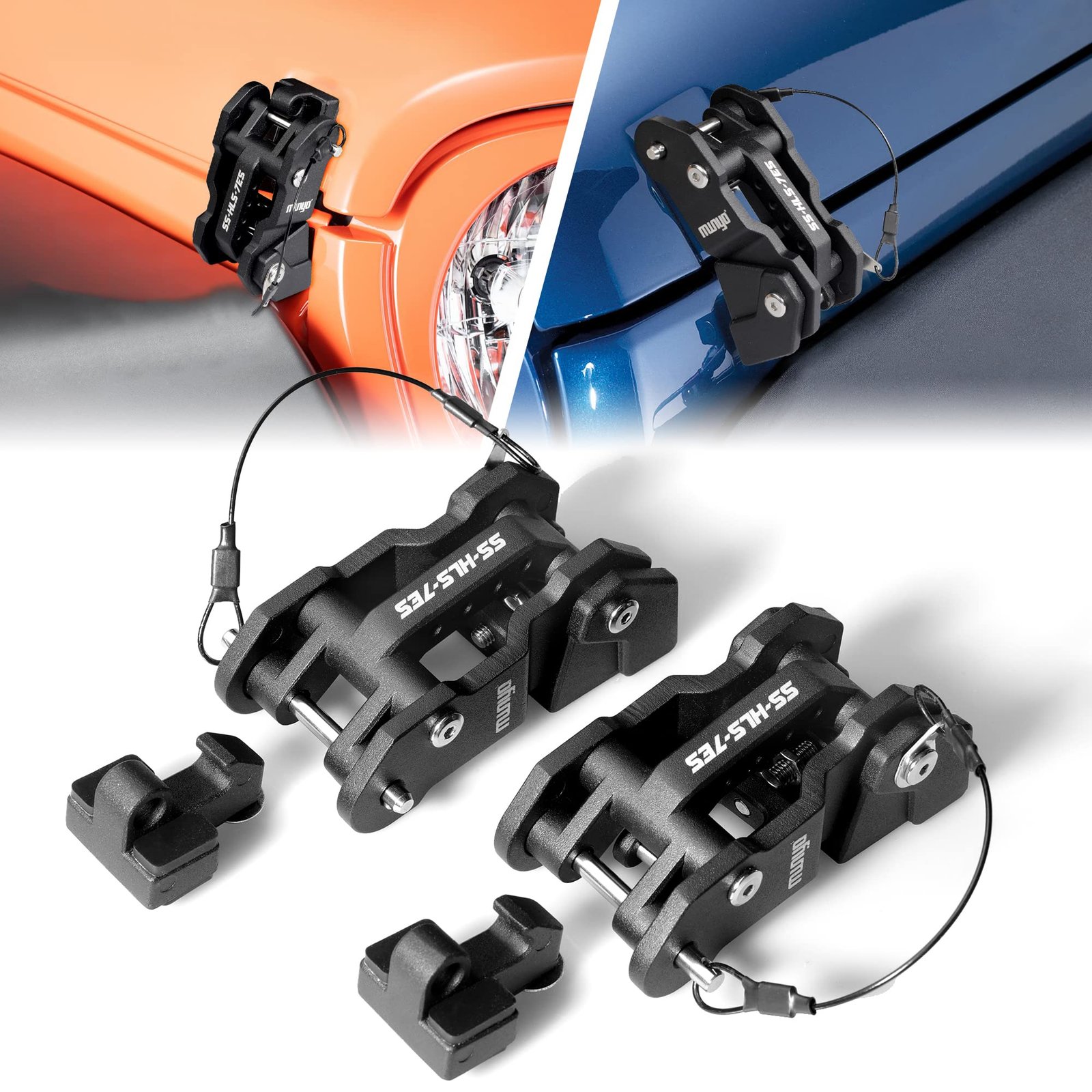
Real-world Example: Jeep Wrangler Jk Owner
One Jeep Wrangler JK owner reported that after replacing both OEM latches with metal aftermarket latches, hood flutter stopped completely. He noticed quieter rides and better security during off-road trips. The process took less than one hour, and he spent about $80 on parts.
This example shows how a small upgrade can make a big difference in daily use.
Where To Buy Hood Latch Replacements
You can find latches at:
- Jeep dealerships (OEM)
- Auto parts stores
- Online retailers (Amazon, Quadratec, ExtremeTerrain)
- Specialty Jeep shops
For reliable information about Jeep parts, visit the Jeep official website.
Always check reviews and compare product details before buying.
Frequently Asked Questions
How Often Should I Replace My Jeep Wrangler Hood Latches?
Most owners replace latches every 3–5 years, but extreme weather or heavy off-road use can shorten their lifespan. Inspect latches yearly for signs of wear.
Are Aftermarket Hood Latches Better Than Oem?
Aftermarket latches are usually stronger and offer better vibration control. If you drive off-road or want extra security, aftermarket is a good choice.
Can I Install Hood Latches Myself?
Yes, hood latch replacement is a simple DIY task. Basic tools and careful steps are all you need. Most people finish in under an hour.
What If My New Latch Doesn’t Fit?
Check the model and year compatibility. If it doesn’t fit, contact the seller for a return or exchange. Always double-check before buying.
Will New Latches Affect My Jeep Warranty?
OEM latches will not affect warranty. Aftermarket latches might, but most are safe. Ask your dealer if you have concerns.
Replacing your Jeep Wrangler’s hood latches is a smart upgrade for safety and performance. Whether you choose OEM or aftermarket, the process is easy and affordable. Take time to pick the right latch, follow installation steps, and enjoy a quieter, safer ride.
With proper care, your new latches will last for years and keep your Jeep ready for adventure.