Jeep Wrangler Heater Problems: Causes, Symptoms, And Solutions
For many Jeep Wrangler owners, a working heater is a must—especially during cold months or on off-road trips in unpredictable weather. When the heater stops working, it can turn a fun adventure into an uncomfortable drive.
If you’re facing Jeep Wrangler heater problems, you’re not alone. These issues are surprisingly common, affecting both new and older models.
Understanding what goes wrong, how to spot the symptoms, and what you can do about it can save you time, money, and stress.
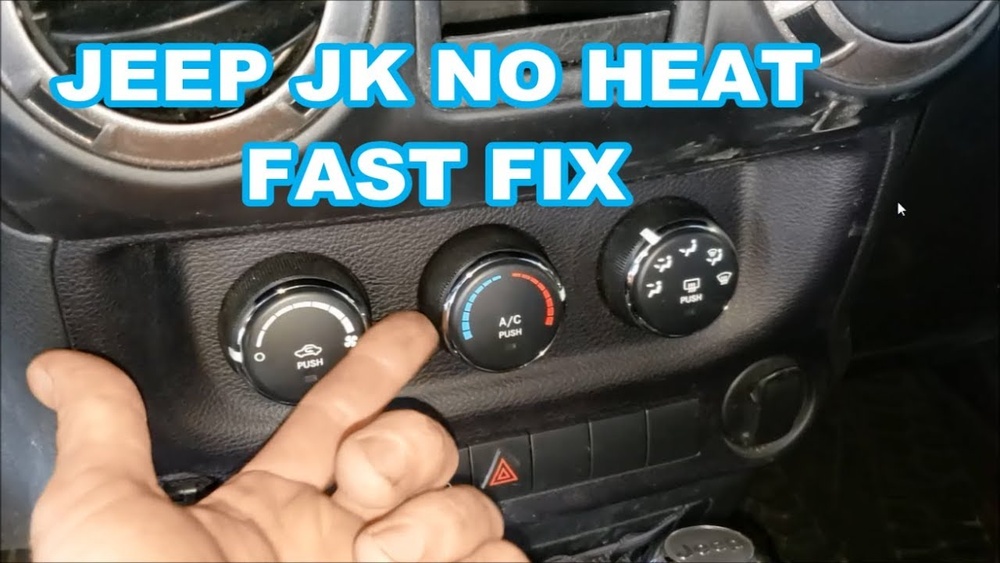
This article explains the most frequent Jeep Wrangler heater problems, their main causes, clear signs to look for, and practical ways to fix them. Whether you own a classic TJ, a popular JK, or the latest JL, this guide will help you stay warm and avoid costly surprises.
Common Jeep Wrangler Heater Problems
While Jeep Wranglers are known for their durability, the heater system has some weak points. Here are the most common issues owners face:
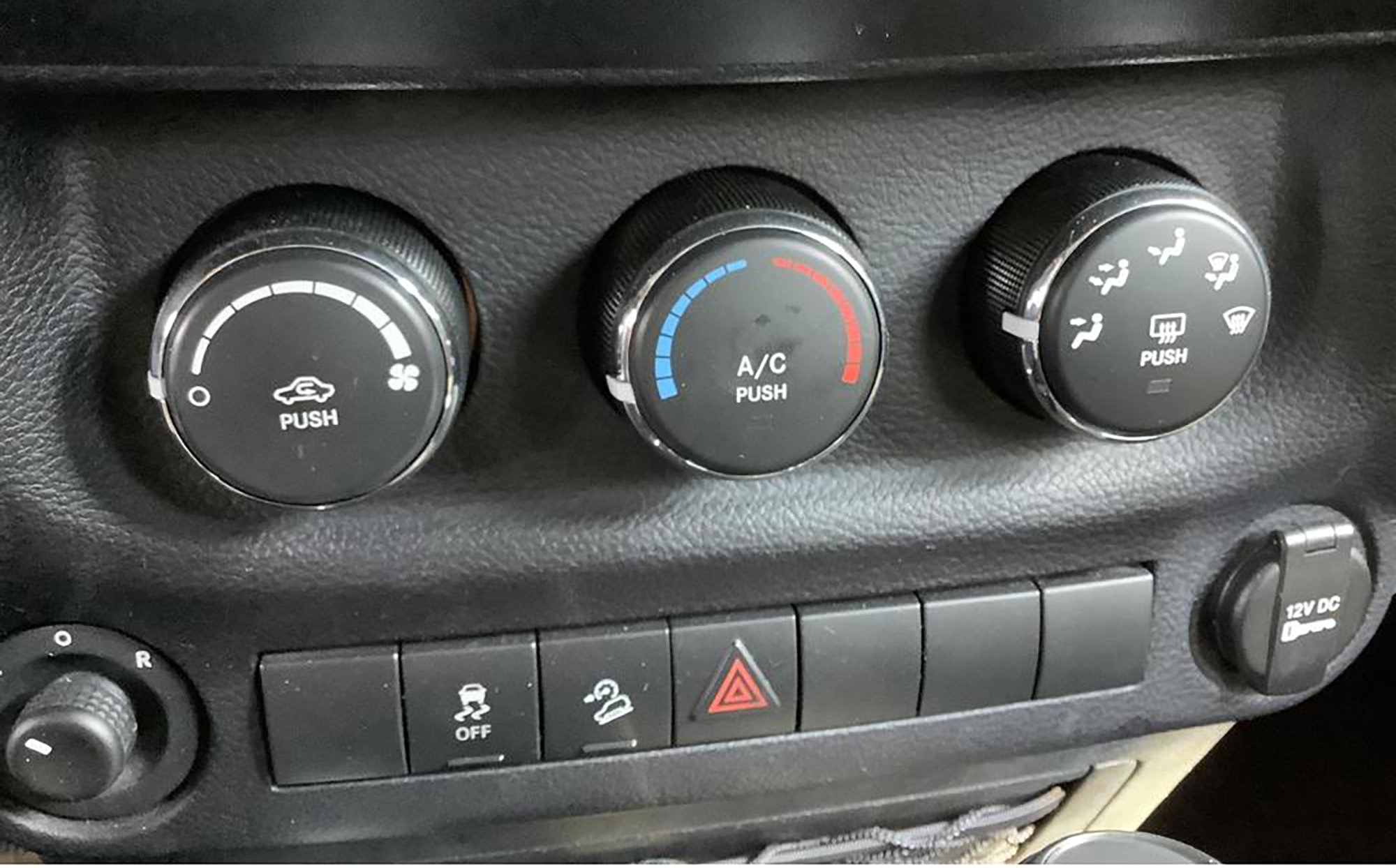
- Blower not working: Air doesn’t come out of the vents, even with the fan on high.
- No heat, only cold air: The fan works, but only blows cold air, not warm.
- Heater only works on certain settings: For example, it works on “high” but not on “low” or “medium.”
- Weak airflow: There is heat, but it barely comes out of the vents.
- Heater core leaks: Coolant leaks onto the floor or causes a sweet smell inside the cabin.
- Unusual noises: Clicking, whirring, or buzzing sounds when you turn on the heater.
Each problem often points to a specific part of the system. Let’s look at why these issues happen.
What Causes Jeep Wrangler Heater Problems?
Many heater problems in Jeep Wranglers come from a few key areas. Here are the most common causes and what they mean for you:
1. Heater Core Blockage Or Failure
The heater core is like a small radiator inside your dashboard. Hot engine coolant flows through it, and the fan blows air across it to warm the cabin. If the core gets clogged with sediment, rust, or debris, hot coolant can’t flow, so you only get cold air.
- Symptoms: No heat, foggy windows, sweet smell, coolant on the floor.
- Models affected: Especially common in older TJs (1997–2006) and JKs (2007–2018).
2. Blower Motor Or Resistor Failure
The blower motor pushes air through the heater system. The blower resistor controls fan speed. If either part fails, you might get no airflow or only one fan speed.
- Symptoms: No air, air only on high, or no control over speeds.
- Models affected: All generations, but JKs (2007–2018) often see resistor issues.
3. Low Coolant Or Air Pockets
Low coolant can happen after a leak or poor maintenance. Air pockets prevent coolant from reaching the heater core.
- Symptoms: No heat, heater works only at higher RPMs, engine may overheat.
- Insight: Many owners refill coolant without properly bleeding air, causing repeat problems.
4. Faulty Blend Door Actuator
The blend door mixes hot and cold air. If its actuator breaks, you can’t adjust the temperature correctly.
- Symptoms: Stuck temperature, clicking noise behind the dash.
- Example: Some JL (2018+) Wranglers report blend door actuator failures even under warranty.
5. Thermostat Problems
A stuck-open thermostat means the engine never warms up, so the heater stays cold.
- Symptoms: Low engine temperature gauge, weak or no heat.
- Data: Replacing a thermostat is a common fix for sudden heat loss after engine work.
6. Clogged Cabin Air Filter
A dirty or clogged cabin air filter reduces airflow and can make the heater feel weak.
- Symptoms: Weak heat, musty smell.
- Tip: Not all Wrangler models have a cabin filter—check your owner’s manual.
7. Electrical And Wiring Issues
Bad fuses, corroded connectors, or damaged wiring can cause the heater system to fail.
- Symptoms: Heater fan doesn’t turn on, intermittent power.
- Non-obvious insight: Off-road water crossings or mud can damage connectors under the dash.
Signs Your Jeep Wrangler Heater Needs Attention
Catching heater problems early can prevent bigger issues. Watch for these warning signs:
- Blower fan is silent when turned on
- Cold air blows no matter the temperature setting
- Wet carpet on the passenger side (possible heater core leak)
- Coolant level drops without visible leaks under the Jeep
- Foggy windows that don’t clear with the heater
- Unusual noises from the dashboard area
If you notice any of these, it’s time to check your heater system.
Troubleshooting Jeep Wrangler Heater Problems
Solving heater issues isn’t always simple, but some checks can be done at home. Here’s a step-by-step method:
1. Check Coolant Level And Quality
- Open the hood and check the coolant reservoir. If it’s low, fill it to the correct level.
- Look for leaks under the Jeep or on the passenger floor.
- If coolant is rusty or dirty, a flush may be needed.
2. Test The Blower Fan
- Turn the fan to all speeds. If it only works on one or not at all, suspect the blower motor or resistor.
- Listen for any clicking or buzzing sounds.
3. Feel The Heater Hoses
With the engine warmed up, carefully touch (don’t burn yourself) the two heater hoses going into the firewall:
- Both hoses should be hot. If only one is, the heater core may be clogged.
- If neither is hot, there may be a coolant flow problem.
4. Inspect For Blend Door Issues
- Change the temperature setting from cold to hot and listen for clicking or popping sounds.
- If the temperature doesn’t change, the blend door actuator might be stuck or broken.
5. Check For Cabin Air Filter Blockage
- Locate the cabin filter (if equipped) and see if it’s dirty. Replace if needed.
6. Scan For Trouble Codes
Many newer Wranglers (JK and JL) allow you to scan for HVAC trouble codes using a simple OBD-II scanner.
Non-obvious tip: Some heater problems don’t trigger a check engine light, but codes may still be stored in the system.
Diy Fixes Vs. Professional Repair
Some heater repairs are simple enough for most DIYers. Others need special tools or take hours to fix. Here’s a quick comparison of common fixes:
| Problem | DIY-Friendly? | Average Cost (USD) |
|---|---|---|
| Refilling coolant & bleeding air | Yes | $20–$50 |
| Replacing blower resistor | Yes | $30–$80 |
| Heater core flush | Maybe | $50–$150 |
| Heater core replacement | No (complex) | $600–$1,200 |
| Blend door actuator | Maybe (skill needed) | $100–$400 |
Insight: Many Jeep owners try a heater core flush before replacing the core. This can save hundreds if the core is just clogged, not leaking.
Preventing Heater Problems In Your Jeep Wrangler
A little care goes a long way. Here’s how to keep your Wrangler’s heater running strong:
- Flush coolant every 2–3 years to prevent buildup in the heater core.
- Check coolant level monthly, especially after off-roading.
- Replace the cabin air filter (if equipped) every 15,000–20,000 miles.
- Use the correct coolant as listed in your owner’s manual.
- Have the system inspected if you notice any leaks or odd smells.
Model Comparison: Heater Reliability By Generation
Some Wrangler generations have better heater reliability than others. Here’s a quick look:
| Wrangler Generation | Years | Common Heater Issues | Reliability (1–5) |
|---|---|---|---|
| YJ | 1987–1995 | Heater core leaks, blower failures | 3 |
| TJ | 1997–2006 | Heater core clogs, blend door failure | 2.5 |
| JK | 2007–2018 | Blower resistor, core blockages | 3 |
| JL | 2018–present | Blend door actuator, electronics | 4 |
Note: The JL generation has improved electronics, but actuator and software issues can still occur.
When To Replace Vs. Repair
Deciding whether to repair or replace depends on cost, time, and the Jeep’s age.
- If the heater core is leaking, replacement is the only safe fix.
- If the blower resistor fails, it’s a cheap and easy part to swap.
- For blend door problems, repair may be possible if you’re handy; otherwise, a shop is best.
Non-obvious insight: Some owners choose to bypass a leaky heater core if they live in warm climates, but this means no heat or defrost in winter.
The True Cost Of Ignoring Heater Problems
A broken heater is more than just an inconvenience. Here’s why you shouldn’t wait:
- Safety risk: No heat means windows won’t defrost, which can block your view.
- Engine damage: Heater core leaks can drop coolant levels, risking overheating.
- Interior damage: Leaking coolant can ruin carpets and cause mold.
In one survey, more than 20% of Jeep Wrangler owners reported some heater issue within the first 8 years. Delaying repairs often led to higher bills later.