Transforming Your Jeep Wrangler: The Hard Top To Soft Top Conversion
The Jeep Wrangler is an icon. Known for its rugged capability and open-air freedom, it’s a vehicle that invites adventure.
Many Wrangler owners start with a factory-installed hard top, offering excellent protection from the elements and a quieter ride. However, as the seasons change or the desire for that true open-air experience grows, the idea of switching to a soft top becomes appealing.
This conversion isn’t just about swapping out a piece of equipment; it’s about unlocking a different way to enjoy your Jeep.
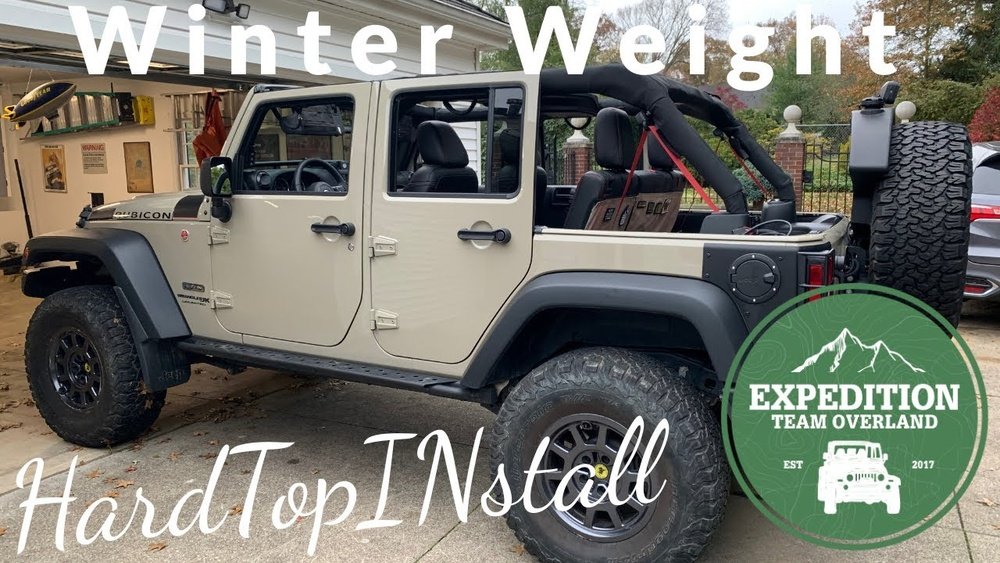
Converting your Jeep Wrangler from a hard top to a soft top is a popular modification. It offers a blend of practicality, cost-effectiveness, and the pure joy of being closer to the outdoors.
Whether you’re looking for a more budget-friendly option, easier storage, or simply the classic Jeep feel, understanding the process, the benefits, and the considerations is key.
This guide will walk you through everything you need to know to make this exciting transformation.
Why Convert To A Soft Top?
The decision to switch from a hard top to a soft top is driven by several factors. Each reason offers a unique advantage, making the conversion a worthwhile project for many Wrangler owners.
The Allure Of Open-air Driving
The most significant draw of a soft top is the unparalleled open-air experience it provides. A soft top can be completely removed or folded down, allowing you to feel the wind, sun, and sounds of your surroundings.
This is the essence of the Jeep experience for many enthusiasts.
It transforms your daily commute into a mini-adventure and makes weekend off-roading feel even more immersive. The connection to nature is immediate and profound, something a hard top, by its very design, can’t replicate.
Cost Savings
While not always the primary driver, cost is a significant factor for many. A new hard top can be a substantial investment.
Conversely, soft tops are generally much more affordable. If you’re looking to achieve the open-air feel without breaking the bank, a soft top conversion is a very practical solution.
Furthermore, selling your used hard top can help offset the cost of a new soft top, making the financial aspect even more attractive.
Easier Storage
Hard tops are bulky and difficult to store. They require significant space and careful handling to avoid damage.
Soft tops, on the other hand, are much more manageable. When removed, they fold down into a relatively compact package that can be stored in a garage, a shed, or even the trunk of a larger vehicle.
This ease of storage is a major convenience, especially if you live in an area with distinct weather seasons and plan to switch between tops.
Simplicity And Weight
Soft tops are inherently simpler in design and significantly lighter than their hard top counterparts. This reduced weight can contribute slightly to better fuel efficiency, though this is usually a minor benefit.
The simpler construction also means fewer potential points of failure, although the materials themselves require different types of care and maintenance.
Versatility And Seasonal Use
Many soft tops are designed for easy removal and reinstallation. This allows you to adapt your Jeep to the season.
In warmer months, you can enjoy the full open-air experience. As temperatures drop or bad weather approaches, you can reinstall the soft top (or even a hard top, if you choose to keep it) for protection.
This versatility makes the soft top a great option for those who want to maximize their Jeep’s usability throughout the year.
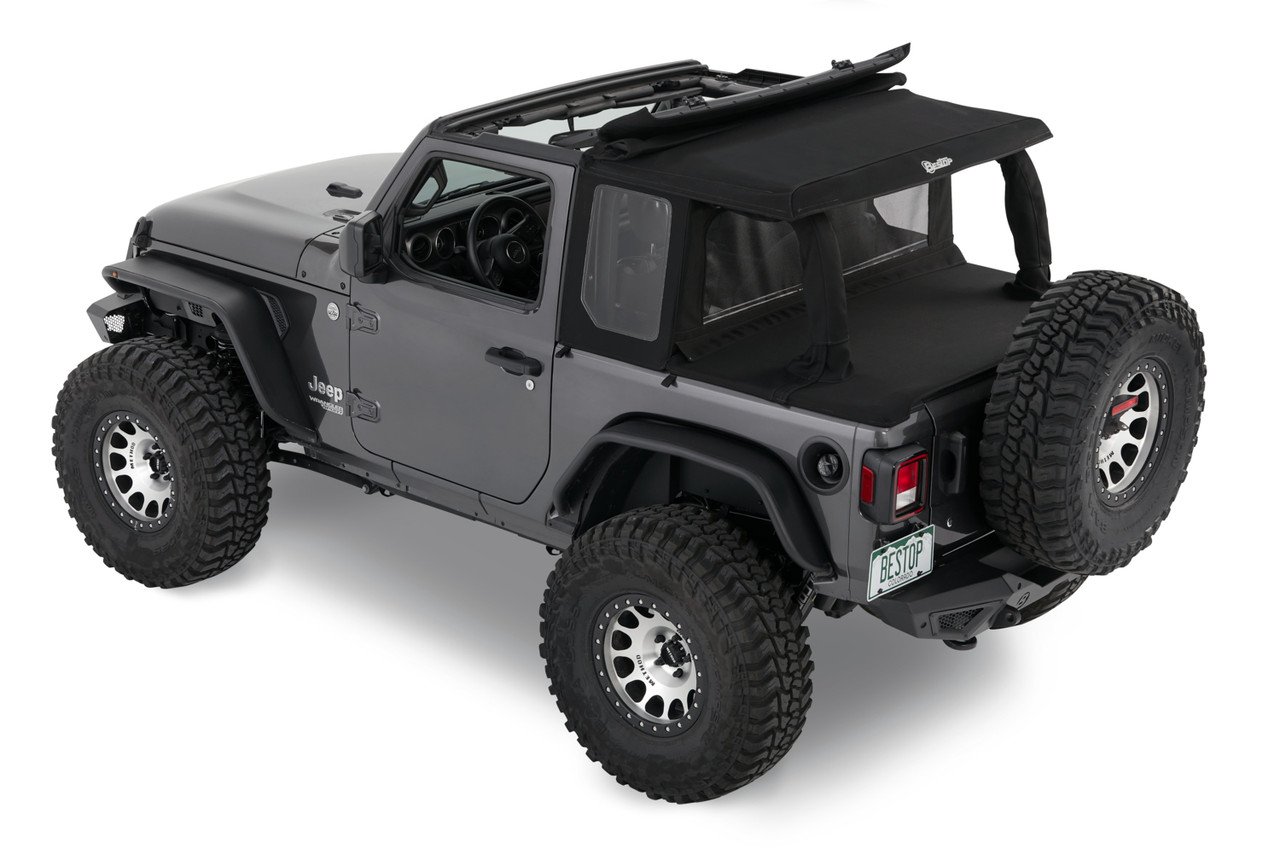
Types Of Soft Tops
When you decide to convert to a soft top, you’ll find there isn’t just one type. Different designs cater to varying needs for convenience, aesthetics, and functionality.
Understanding these options will help you choose the best fit for your Wrangler.
Full Soft Tops
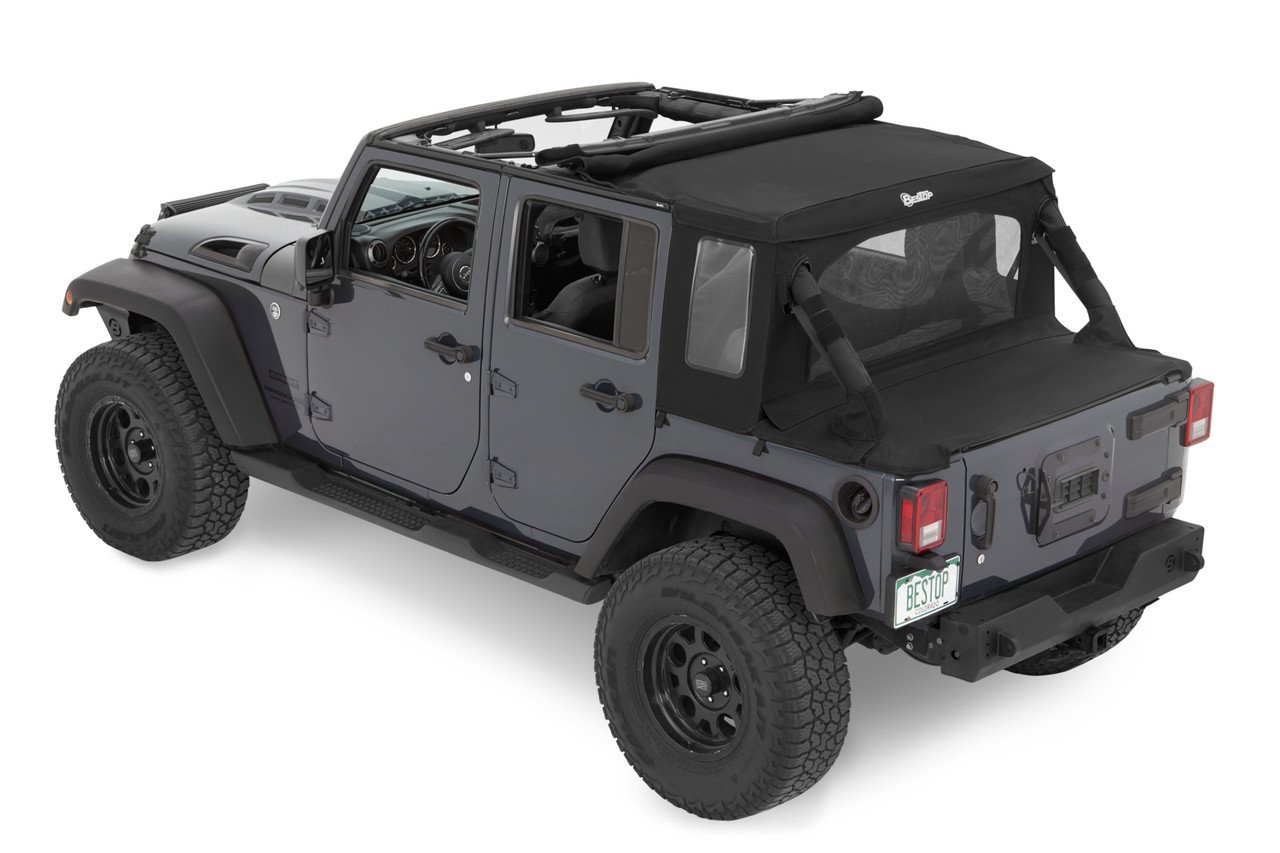
A full soft top is the most common type. It replaces the entire hard top assembly, including the front panels (often called “freedom panels” on hard tops), the rear section, and the windows.
These are designed to provide a complete enclosure similar to a hard top but with flexible materials.
- Full Sailcloth Tops: These are premium soft tops made from durable, multi-layer sailcloth fabric. They offer better insulation, a quieter ride, and a more refined look compared to standard vinyl tops. They are often more expensive but provide a superior experience.
- Standard Vinyl Tops: These are the most budget-friendly option. Made from heavy-duty vinyl, they offer good protection but can be noisier and less insulating than sailcloth. They are a great choice for those prioritizing cost and basic functionality.
Bikini Tops
A bikini top is essentially a shade top that covers the front occupants. It doesn’t offer side or rear window coverage, making it ideal for fair-weather cruising when you want shade but still want maximum airflow and exposure to the elements.
They are easy to install and remove and are often used in conjunction with other top components.
Duster Covers
A duster cover is a vinyl or fabric cover that goes over the rear cargo area of your Jeep when the top is removed. It provides some protection for items stored in the back from sun and light rain.
It’s a simple accessory for those who frequently drive with no top or just a bikini top.
Tonneau Covers
Similar to a duster cover, a tonneau cover is designed to cover the cargo area. They often provide a more secure and weather-resistant seal than a duster.
These are useful for protecting luggage or gear when you’re not using a full soft top.
Within the categories of full soft tops, you’ll often see distinctions between "premium" and "standard" options. Premium tops typically use higher-quality, multi-layer fabrics like sailcloth, which offer better durability, UV resistance, UV resistance, and sound dampening.
Standard tops usually use more basic vinyl materials.
The price difference reflects the material quality and features.
The Conversion Process: What’s Involved?
Switching from a hard top to a soft top is a manageable DIY project for most Wrangler owners. While some mechanical aptitude is helpful, the process is largely about removing one assembly and installing another.
Tools And Materials You’ll Need
Before you begin, gather the necessary tools. Most of the work involves standard automotive tools.
- Socket Set and Wrenches: You’ll need these to remove the bolts securing the hard top. Common sizes include 10mm, 13mm, and 15mm.
- Trim Removal Tools: Plastic trim removal tools are essential to avoid scratching or damaging interior panels when you need to access mounting points.
- Screwdrivers: Phillips and flathead screwdrivers may be needed for interior trim pieces.
- Gloves: To protect your hands.
- A Helper: Hard tops are heavy and awkward. Having a second person is crucial for safely lifting and removing the hard top.
- New Soft Top Kit: This will include the fabric top, all necessary hardware (bows, frames, latches), and instructions.
Step-by-step Guide To Removal
- Remove Freedom Panels (if applicable): Most JK and JL Wranglers have removable front panels. These usually unlatch from the inside. Store them safely.
- Disconnect Electrical Connections: Hard tops often have wiring for defrosters and interior lights. Locate these connectors (usually near the rear of the top) and carefully disconnect them.
- Unbolt the Hard Top: The hard top is secured by several bolts and nuts around the Jeep’s body. These are typically located along the windshield frame, near the rear corners, and sometimes along the roll cage. Refer to your Jeep’s service manual or a reliable online guide for the exact locations for your specific model year.
- Remove Rear Window Seals: The rear window is often sealed to the body. You may need to gently pry this seal loose.
- Lift and Remove: With all bolts and connections undone, the hard top is ready to be lifted. This is where your helper is essential. Carefully lift the top straight up and off the Jeep. It’s heavy and can easily damage the paint or body if dropped or mishandled. Place it in a safe, secure location.
Step-by-step Guide To Installation
The installation process for a soft top is essentially the reverse of removal, but with the new soft top kit. Always follow the specific instructions provided with your chosen soft top, as designs can vary slightly.
- Install the Soft Top Frame/Bows: Many soft tops require assembling a frame or series of bows that support the fabric. This frame attaches to specific mounting points on the Jeep’s body or roll cage.
- Attach the Fabric Top: Drape the fabric over the frame. Start by securing the front edge, often under the windshield header. Then, work your way back, aligning the fabric with the frame and body.
- Install Windows: Side and rear windows are typically attached using zippers, Velcro, or a combination. Ensure they are properly seated and sealed to prevent leaks.
- Secure Latching Mechanisms: Most soft tops have latches that secure the top to the Jeep’s body, especially around the doors and rear. Ensure these are firmly engaged.
- Tension the Fabric: Once everything is attached, you may need to adjust tensioning straps or mechanisms to ensure the fabric is taut. This helps prevent flapping in the wind and improves water runoff.
- Test Fit and Adjust: Open and close doors, check seals, and ensure everything fits snugly. You might need to make minor adjustments to get a perfect fit.
Pro Tip: For the first few days after installation, especially in warm weather, the fabric may stretch slightly. It’s a good idea to re-check and adjust any tensioning straps after a week of use to ensure a consistently tight fit.
Choosing The Right Soft Top For Your Wrangler
With numerous brands and models available, selecting the right soft top can seem daunting. Consider these factors to make an informed decision.
Material Quality
As mentioned, the material is a key differentiator.
- Vinyl: More affordable, easier to clean, but can become brittle in extreme cold and may fade over time.
- Sailcloth/Multi-layer Fabric: More durable, better insulation, quieter, and holds its shape better. It’s more expensive but offers a longer lifespan and a more premium feel.
Ease Of Operation
How easily can you open, close, or remove the top? Some tops are designed for quick folding or removal, while others might require more effort.
If you plan to frequently switch between top-up and top-down driving, look for user-friendly designs.
- Quick Release Systems: Some tops feature latches or levers that allow for rapid opening or folding.
- Integrated Frames: Tops with pre-assembled frames can simplify the installation and operation process.
- Removable Windows: Tops with easily removable side and rear windows offer a hybrid experience, more enclosed than a bikini top, but more open than a full soft top.
Durability And Weather Resistance
Consider the climate you live in. If you experience harsh sun, heavy rain, or extreme temperatures, you’ll need a top made from robust materials that can withstand these conditions. Look for UV-resistant fabrics and strong stitching.
Noise And Insulation
Soft tops are generally noisier than hard tops due to wind noise and less sound insulation. Premium sailcloth tops do a better job of reducing noise and providing some insulation compared to standard vinyl tops.
If a quiet ride is important to you, this is a critical factor.
Brand Reputation And Warranty
Research different brands. Look for manufacturers with a good reputation for quality, customer service, and product longevity.
A good warranty can provide peace of mind, especially for a significant investment like a premium soft top.
Compatibility With Accessories
If you plan to use accessories like roof racks, light bars, or cargo carriers, ensure your chosen soft top is compatible. Some tops have specific mounting points or are designed to work with certain rack systems.
Popular Soft Top Brands And Models
Several reputable brands offer excellent soft top solutions for the Jeep Wrangler. While specific models change with Jeep generations (JK, JL, etc. ), these brands are consistently top performers.
- Bestop: A long-standing leader in Jeep tops, Bestop offers a wide range of options, from their popular Trekker and Trezktop (a hybrid frameless design) to their premium Supertop. They are known for quality materials and innovative designs.
- Smittybilt: Smittybilt offers more budget-friendly soft tops, often with a rugged aesthetic. Their Sailcloth and Bikini/Duster/Tonno combos are popular choices for those looking for a balance of cost and functionality.
- Quadratec: Quadratec, an aftermarket parts retailer, also offers its own line of soft tops, often providing good value and performance. Their Ultimate All-Weather Trail Cover is a versatile option.
- Rugged Ridge: Known for their extensive range of Jeep accessories, Rugged Ridge provides various soft top solutions, including full tops and modular systems, often focusing on durability and ease of use.
When researching, always confirm the specific model is designed for your Jeep Wrangler’s year and configuration (e. g. , 2-door vs. 4-door).
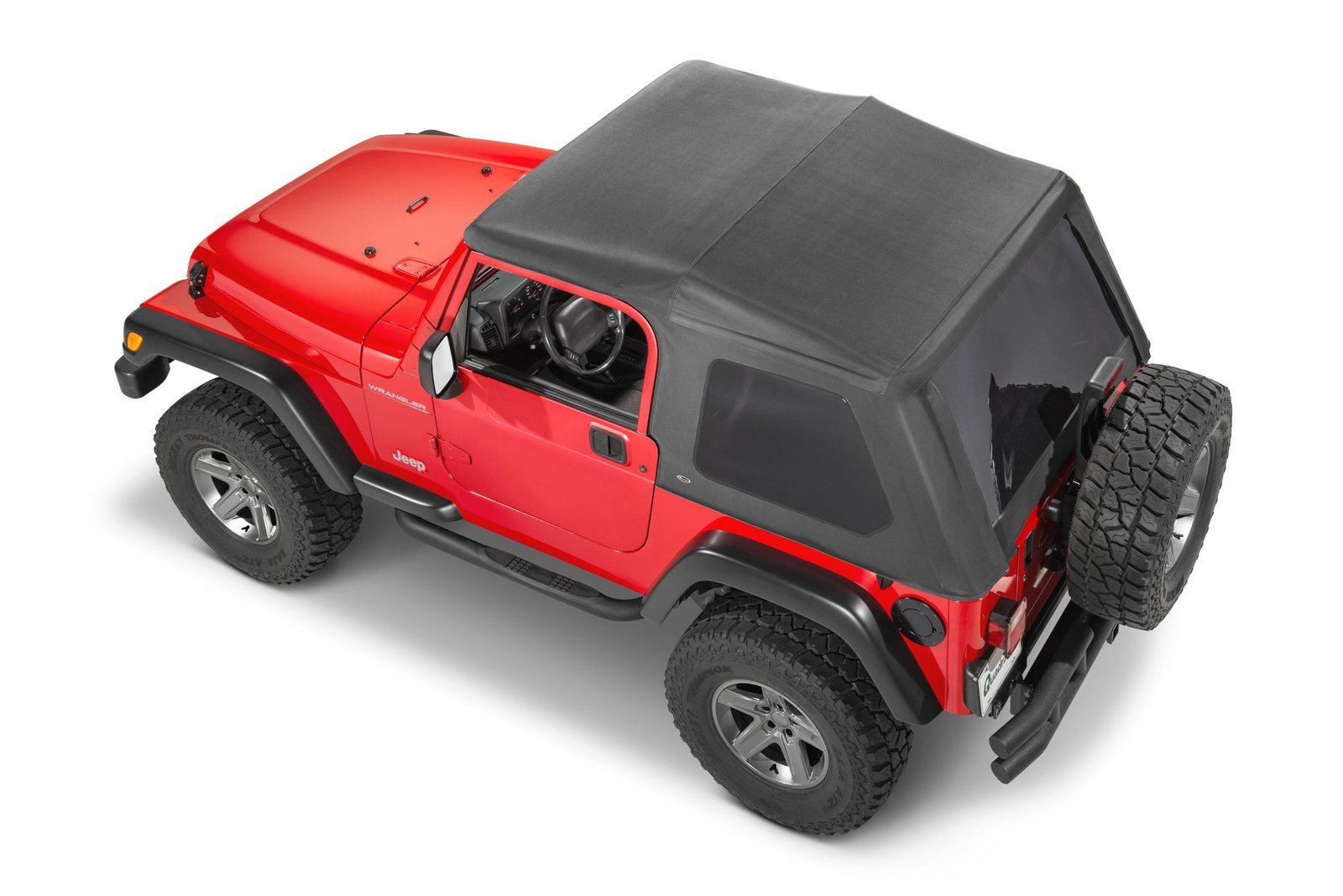
Maintenance And Care For Your Soft Top
Proper maintenance will extend the life of your soft top and keep it looking its best. Soft tops require different care than hard tops.
Cleaning
- Regular Cleaning: Brush off loose dirt and debris regularly. For a more thorough clean, use a soft brush or sponge with mild soap and cool water. Avoid harsh detergents or abrasive cleaners, which can damage the fabric or vinyl.
- Stubborn Stains: For tougher stains, use a dedicated fabric or vinyl cleaner specifically designed for automotive soft tops. Always test a small, inconspicuous area first.
- Mold and Mildew: If mold or mildew appears, use a specialized cleaner or a diluted solution of white vinegar and water. Ensure the top is completely dry afterward to prevent recurrence.
Protection
- Fabric Protectant: Apply a fabric protectant spray (like 303 Aerospace Protectant) periodically. This helps repel water, UV rays, and stains, keeping the fabric vibrant and durable.
- Zipper Lubrication: Keep zippers clean and lubricated with a silicone-based lubricant to ensure smooth operation and prevent them from sticking or breaking.
Storage
- When Removing: If you’re removing the top for an extended period, clean it thoroughly and ensure it is completely dry before folding and storing. Fold it gently along its natural creases to avoid creating permanent wrinkles. Store it in a cool, dry place, ideally in its original box or a protective bag.
- Avoid Sharp Objects: Be mindful of zippers, keys, or anything sharp that could puncture or tear the fabric.
Winter Care
In freezing temperatures, vinyl can become brittle. Avoid trying to fold or force a frozen soft top, as it is more susceptible to cracking.
If snow or ice accumulates, gently brush it off.
Frequently Asked Questions