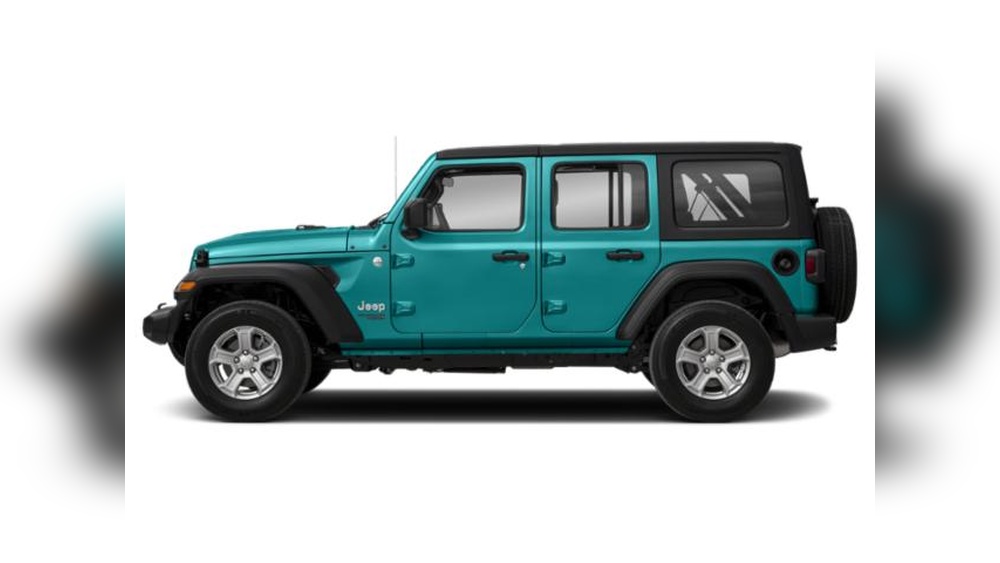
The Jeep Wrangler is more than just a vehicle; it’s a symbol of freedom, adventure, and rugged capability. For decades, Wrangler owners have embraced the call of the wild, venturing off the beaten path and exploring uncharted territories.
While the thrill of discovery is undeniable, staying connected and oriented is crucial, especially when you're miles away from civilization. This is where a Jeep Wrangler GPS install becomes not just a convenience, but an essential upgrade.
Advanced navigation systems transform your Wrangler from a purely analog machine into a technologically empowered explorer, offering real-time traffic updates, detailed trail maps, and seamless smartphone integration.
Imagine this: you’re deep in the backcountry, the sun is setting, and you need to find the quickest route back to camp or locate a specific landmark. Relying on paper maps or a basic compass can be challenging and time-consuming. A modern GPS system, however, provides pinpoint accuracy, letting you see your exact location on detailed topographical maps, plan multi-stop routes, and even receive alerts about upcoming road conditions or hazards. Beyond just getting from point A to point B, a well-integrated GPS can enhance your entire off-roading experience, opening up new possibilities for exploration and ensuring you always have a reliable way back. This guide will walk you through the benefits, types, installation process, and key considerations for upgrading your Jeep Wrangler with advanced navigation.
Why Upgrade Your Jeep Wrangler With A Gps System?
The allure of the Jeep Wrangler often lies in its raw, unfiltered connection to the environment. However, modern technology can enhance, rather than detract from, this experience.
Integrating a GPS system offers a multitude of benefits that go far beyond simple directions.
Enhanced Off-road Capability And Safety
For off-road enthusiasts, a GPS is invaluable. Standard road maps often don’t show unpaved trails, fire roads, or even basic landmarks in remote areas. Dedicated off-road GPS units or apps loaded onto a compatible head unit can display detailed topographical data, including elevation changes, stream crossings, and potential obstacles. This allows you to plan your routes more effectively, avoid getting lost, and identify safe passage through challenging terrain.
Furthermore, safety is paramount when venturing into the wilderness. Knowing your exact location is critical in emergencies. In the event of a breakdown or unforeseen situation, a GPS can help you pinpoint your position for rescue services. Many advanced systems also offer SOS capabilities or can be paired with satellite communication devices, providing a lifeline when cell service is non-existent. The peace of mind that comes with knowing you can always find your way back, or summon help if needed, is a significant advantage.
Seamless Smartphone Integration And Connectivity
Modern GPS systems are designed to work harmoniously with your digital life. Many aftermarket head units and integrated GPS modules offer Apple CarPlay and Android Auto compatibility. This means you can mirror your smartphone’s interface directly onto your Wrangler’s display. You can access your favorite navigation apps like Google Maps or Waze, stream music, make calls, and send messages using voice commands, all while keeping your phone safely stowed.
This integration not only provides access to familiar apps but also leverages real-time data. Waze, for example, can alert you to traffic jams, speed traps, and accidents ahead, even on less-traveled roads. Google Maps can offer detailed street views and business information, making it easier to find amenities or points of interest. This level of connectivity ensures your Wrangler is as comfortable and convenient for daily driving as it is capable off-road.
Improved Resale Value And Modernization
Upgrading your Jeep Wrangler with a modern GPS system can also be a smart investment. A well-integrated, user-friendly navigation system is a highly sought-after feature for many buyers. It signals that the vehicle has been well-maintained and updated with modern technology. This can potentially increase your Wrangler’s resale value compared to a model without such amenities. It’s a way to modernize the interior and enhance the overall appeal of the vehicle, making it more attractive to a wider range of potential buyers.
Types Of Gps Systems For Your Jeep Wrangler
Choosing the right GPS system depends on your needs, budget, and desired level of integration. Wranglers offer a variety of options, from standalone units to fully integrated touchscreen displays.
Standalone Gps Devices
These are dedicated GPS units that you can mount on your dashboard or windshield. Brands like Garmin and TomTom have long been leaders in this market, offering robust devices with features specifically tailored for outdoor adventures.
- Pros: Often more affordable than integrated systems, highly portable (can be moved between vehicles), typically feature rugged designs built for harsh conditions, and come with pre-loaded maps that don’t require a cell signal. Many offer specialized off-road mapping capabilities.
- Cons: Can clutter the dashboard, require separate power sources, and may not integrate seamlessly with your vehicle’s audio system or other functions. Updates usually require connecting to a computer.
Pro Tip: Look for standalone GPS units with weatherproofing and shock resistance if you plan on heavy off-roading. Features like a built-in compass and altimeter can also be extremely useful in remote areas.
These replace your existing factory radio with a new multimedia receiver that includes a GPS navigation module. Many popular brands like Kenwood, Pioneer, and Alpine offer units that fit seamlessly into the Wrangler’s dashboard.
- Pros: Provide a clean, integrated look, often feature large touchscreen displays, offer smartphone integration (Apple CarPlay, Android Auto), and can control other vehicle functions like audio and climate. They provide a significant upgrade to the vehicle’s interior aesthetics and functionality.
- Cons: Generally more expensive than standalone units, installation can be more complex, and may require additional wiring harnesses or dash kits for a perfect fit.
When selecting an in-dash system, consider the screen size, resolution, processing power, and the availability of specific navigation software or apps. Some units come with built-in navigation, while others rely on your smartphone via CarPlay or Android Auto.
Some higher trim levels of newer Jeep Wranglers come equipped with built-in navigation systems from the factory. These are seamlessly integrated into the vehicle’s infotainment system.
- Pros: Offer the most integrated and factory-look experience, often controlled via steering wheel buttons or voice commands, and are designed to work perfectly with other vehicle systems. Updates are usually handled through the dealership or over-the-air.
- Cons: Can be less customizable than aftermarket options, map updates may be costly or infrequent, and they might lack the advanced off-road features found in specialized standalone units. If your Wrangler didn’t come with one, retrofitting can be extremely expensive and complex.
Smartphone Apps And Mounts
For budget-conscious owners or those who prefer using their existing devices, a high-quality smartphone mount combined with a robust navigation app can be a viable solution. Apps like Gaia GPS, OnX Offroad, or even Google Maps with downloaded offline areas offer excellent navigation capabilities.
- Pros: Most affordable option, utilizes familiar devices, and offers access to the latest app features and map data.
- Cons: Relies on your phone’s battery life and signal strength (unless using offline maps), can be distracting if not mounted securely, and may not offer the same level of durability or screen visibility as dedicated units in bright sunlight or dusty conditions.
Example: A good smartphone mount for a Wrangler should be sturdy and positioned so it doesn’t obstruct your view of the road or vital controls. Brands like Rugged Ridge or Quadratec offer Jeep-specific mounts.
Planning Your Jeep Wrangler Gps Installation
A successful GPS installation goes beyond simply plugging in a device. Careful planning ensures optimal performance, a clean aesthetic, and long-term satisfaction.
Determine Your Needs And Budget
Before you start shopping, ask yourself:
- What will you use the GPS for primarily? Daily commuting, weekend road trips, or serious off-roading?
- What features are most important? Real-time traffic, offline maps, trail data, smartphone integration, backup camera input, or audio/video playback?
- What is your budget? Standalone units can range from $150-$500, while aftermarket in-dash systems can cost $500-$1500 or more, plus installation.
Understanding these factors will help you narrow down your choices and avoid overspending on features you won’t use or underspending and ending up with a system that doesn’t meet your needs.
Choosing The Right Location
The placement of your GPS unit is crucial for both visibility and accessibility.
- For Standalone Units: The windshield or dashboard are common spots. However, be mindful of legal restrictions regarding windshield mounts in your area. A dashboard mount using strong adhesive or a beanbag-style mount can offer a cleaner look and better stability. Ensure the unit is positioned so it doesn’t block your view of the road or interfere with airbag deployment.
- For In-Dash Systems: These replace the factory radio, so placement is predetermined. Ensure the unit you choose is designed for your Wrangler’s dash size (e.g., single-DIN or double-DIN).
- Consider Power: Most GPS units require a power source. You’ll need to decide whether to plug into a 12V accessory outlet (cigarette lighter) or hardwire the unit directly to your vehicle’s electrical system. Hardwiring provides a cleaner look with no dangling wires and ensures the unit powers on and off with the vehicle.
Warning: Improper hardwiring can potentially damage your vehicle’s electrical system or cause battery drain. If you are not comfortable with electrical work, it’s best to have a professional handle this aspect.
Selecting Compatible Hardware And Software
Ensure that any GPS unit or system you choose is compatible with your specific Jeep Wrangler model and year. Different generations of Wranglers (JK, JL, etc.) may have different dash configurations and electrical systems.
- Wiring Harnesses and Adapters: For in-dash installations, you’ll likely need a vehicle-specific wiring harness adapter to connect the new head unit to your Wrangler’s factory wiring without cutting or splicing. A dash kit may also be required to fill any gaps and provide a factory-like fit.
- Antennas: GPS units rely on a clear view of the sky to receive satellite signals. Consider whether the unit comes with an external GPS antenna that you can mount strategically (e.g., on the dash, near the A-pillar) for optimal reception, especially if you plan on using it in areas with dense tree cover or canyons.
- Mapping Software: If you’re using a dedicated GPS device or an in-dash unit with built-in navigation, ensure the included maps are up-to-date and cover the areas you intend to explore. For off-roading, look for systems that support topographical maps or can load custom map files (like .gpx or .kml).
The Jeep Wrangler Gps Installation Process: Step-by-step
Installing a GPS system can range from a simple plug-and-play operation to a more involved process requiring basic automotive tools and knowledge. Here’s a general overview.
For Standalone Gps Units
- Choose a Mount: Select a windshield or dashboard mount suitable for your device and vehicle.
- Mount the Device: Securely attach the mount to your chosen location. Ensure it’s stable and doesn’t vibrate excessively.
- Connect Power: Plug the device’s power adapter into a 12V accessory outlet. For a cleaner installation, consider using a hardwiring kit that connects to your vehicle’s fuse box. This often involves tapping into an ignition-switched fuse so the GPS powers on/off with the vehicle.
- Position the GPS: Place the GPS unit onto the mount. Adjust the angle for optimal viewing.
- Power On and Configure: Turn on the ignition and the GPS unit. Follow the on-screen prompts to set your language, time zone, and other preferences. Download any available map updates via Wi-Fi or by connecting to a computer.
This process is more involved and typically requires removing parts of your vehicle’s dashboard. If you’re not experienced with car audio installation, professional installation is highly recommended.
- Gather Tools: You’ll need a set of trim removal tools (to avoid scratching your dashboard), screwdrivers (Phillips and potentially Torx), wire strippers, crimpers, electrical tape, and potentially a multimeter for testing circuits.
- Disconnect Battery: Crucially, disconnect the negative terminal of your vehicle’s battery before starting any electrical work to prevent short circuits or damage.
- Remove Factory Radio: Carefully use trim removal tools to pry away the dashboard trim pieces surrounding the factory radio. This usually involves removing climate control bezels, center console trim, and then the radio mounting screws. Refer to a Jeep Wrangler specific dash removal guide (many can be found online or on YouTube) for detailed instructions for your model year.
- Disconnect Factory Wiring: Unplug the wiring harnesses and antenna connectors from the back of the factory radio.
- Connect New Head Unit:
- Connect the aftermarket wiring harness adapter to your Wrangler’s factory wiring harness.
- Connect the other end of the adapter to the new head unit’s harness.
- Connect the GPS antenna, typically routing it to a location where it has a clear view of the sky (e.g., behind the dash, near the windshield pillar).
- Connect any other necessary components like a backup camera, steering wheel control interface, or USB extension cables.
- Test the System: Before fully reassembling, temporarily reconnect the vehicle’s battery and turn on the ignition. Test all functions: screen, touch response, radio, GPS (ensure it acquires a satellite signal), Bluetooth, and any other connected devices.
- Mount the Head Unit: Secure the new head unit into the dash kit and slide it into the dashboard opening. Connect all wiring harnesses.
- Reassemble Dashboard: Carefully replace all trim pieces in reverse order of removal. Ensure all clips snap into place securely.
- Reconnect Battery: Reconnect the negative battery terminal.
- Final Configuration: Power on the vehicle and the new head unit. Complete the initial setup and configuration, including pairing your phone and setting up navigation preferences. Download any available map updates.
In my experience, taking your time during the removal and reassembly stages is key to avoiding damage to your Wrangler’s interior panels. Patience here saves a lot of headaches later.
Advanced Features To Look For
Beyond basic navigation, modern GPS systems offer a suite of advanced features that can significantly enhance your driving experience, especially in a Jeep Wrangler.
Off-road Mapping And Trail Data
This is arguably the most critical feature for Wrangler owners who venture off-pavement. Look for systems or apps that offer