The Jeep Wrangler is famous for its off-road power, bold design, and rugged reliability. But even tough vehicles like the Wrangler rely on key parts that can wear out over time.
One part often overlooked until it fails is the catalytic converter. This device is essential for reducing emissions and keeping your Wrangler running smoothly—and when it needs replacing, it pays to understand the process, costs, and choices involved.
Let’s explore what you need to know about Jeep Wrangler catalytic converter replacement so you can keep your Jeep legal, safe, and performing at its best.
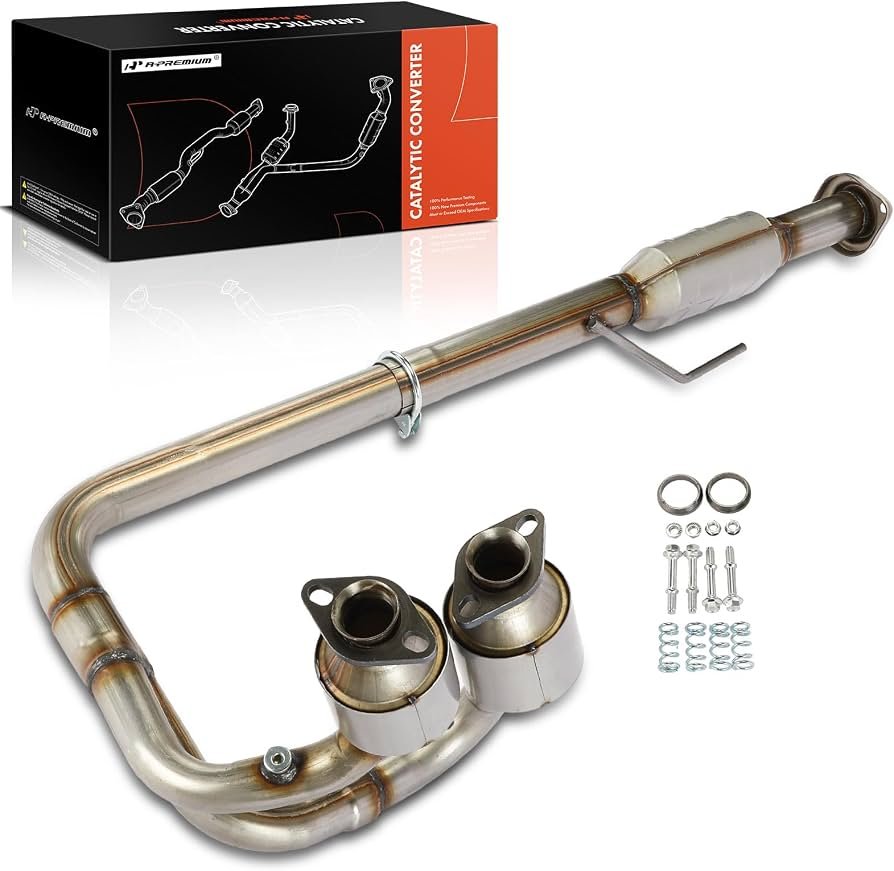
What Does A Catalytic Converter Do?
A catalytic converter is a crucial part of your Wrangler’s exhaust system. Its main job is to convert harmful gases from the engine (like carbon monoxide, nitrogen oxides, and hydrocarbons) into less dangerous substances before they leave your tailpipe. This helps your vehicle pass emissions tests and reduces pollution.
Inside the converter are precious metals like platinum, palladium, and rhodium. These metals trigger chemical reactions that break down toxic gases into carbon dioxide, water vapor, and nitrogen. Without a working catalytic converter, your Jeep will pollute more and may not be legal to drive in some states.
Signs Your Jeep Wrangler Catalytic Converter Needs Replacement
Replacing a catalytic converter isn’t routine—these parts are designed to last a long time, often over 100,000 miles. But they can fail early due to engine problems, road damage, or even theft. Here are clear signs your Jeep Wrangler catalytic converter might need replacing:
- Check Engine Light: If this light comes on, a failing converter is a common cause. Error codes like P0420 or P0430 often point to converter issues.
- Poor Engine Performance: Loss of power, hesitation, or sluggish acceleration can mean the converter is clogged.
- Rattling Noise: Broken parts inside the converter can cause a metallic rattle when you start or rev the engine.
- Failed Emissions Test: If your Wrangler fails a smog test, a faulty converter is a likely reason.
- Sulfur Smell: A rotten egg odor from the exhaust means the converter isn’t working right.
Pro tip: Sometimes, a failing oxygen sensor can cause similar symptoms. Always confirm the converter is the real problem before replacing it.
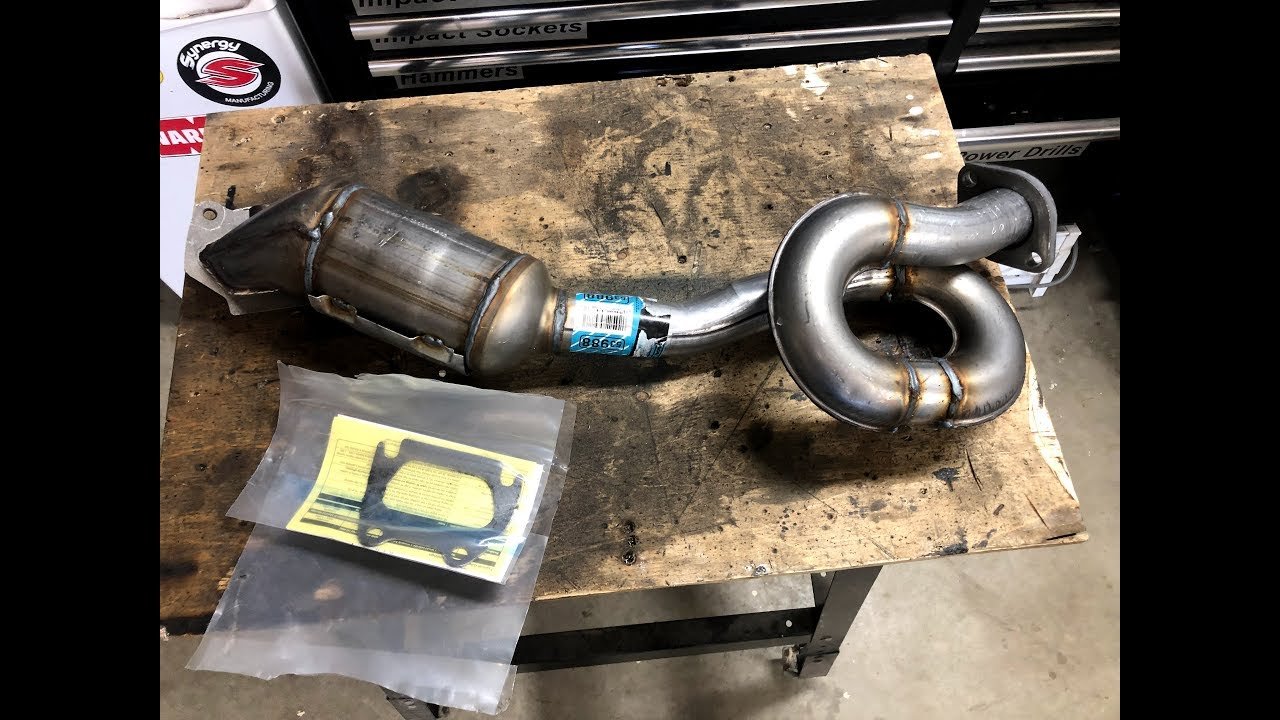
Causes Of Catalytic Converter Failure
Understanding why a converter fails helps prevent future problems. Here are the most common causes:
- Engine Misfires: Unburned fuel can overheat and melt the converter’s core.
- Oil or Coolant Leaks: If these fluids enter the exhaust, they can clog or poison the converter.
- Physical Damage: Off-roading and road debris can crack or dent the converter.
- Theft: Converters contain valuable metals, making them a target for thieves.
Regular engine maintenance reduces the risk of early converter failure.
How Much Does Jeep Wrangler Catalytic Converter Replacement Cost?
Cost is a key concern for many Jeep owners. Prices can vary depending on model year, part quality, and labor. Here’s a breakdown:
| Replacement Option | Typical Price Range | What’s Included? |
|---|---|---|
| OEM (Original Equipment Manufacturer) | $900–$2,400 | Factory part, best fit, warranty |
| Aftermarket | $350–$1,200 | Lower cost, variable quality |
| Labor (Professional Install) | $150–$300 | 1.5–3 hours work |
Tip: Some states, like California, have stricter emissions laws. Only CARB-compliant converters are legal there, and these cost more.
Choosing Between Oem And Aftermarket Catalytic Converters
Deciding between OEM and aftermarket parts affects price, quality, and legal compliance. Here’s a quick comparison:
| Factor | OEM | Aftermarket |
|---|---|---|
| Fit & Compatibility | Guaranteed perfect fit | May require adjustments |
| Durability | Longer lifespan | Varies by brand |
| Warranty | Usually 1–3 years | 6 months–2 years |
| Legal Compliance | Meets all standards | Check for local laws |
| Cost | Higher | Lower |
Insight: Cheap aftermarket converters can trigger check engine lights or fail emission tests. Spend a bit more for a reputable brand.
Can You Replace A Jeep Wrangler Catalytic Converter Yourself?
If you’re handy with tools and have a safe workspace, DIY replacement is possible. Here’s what you need to know:
Tools And Materials Needed
- Replacement catalytic converter (correct for your Jeep’s year/model)
- Jack and sturdy jack stands
- Socket wrench set
- Penetrating oil (for rusty bolts)
- Safety goggles and gloves
- Oxygen sensor socket (if needed)
- Torque wrench (recommended)
Step-by-step Replacement Guide
- Safety First: Park on level ground, let the exhaust cool, and disconnect the battery.
- Lift Your Jeep: Use a jack and secure with jack stands. Never work under a car supported only by a jack.
- Locate the Converter: It’s found in the exhaust pipe, between the engine and muffler.
- Remove Oxygen Sensors: Carefully unplug and remove sensors near the converter.
- Unbolt the Converter: Spray bolts with penetrating oil. Remove all bolts and clamps holding the converter.
- Take Out the Old Converter: Gently remove it. Be prepared for rust or stuck parts.
- Install the New Converter: Fit the new part, making sure it’s sealed and aligned. Replace bolts and clamps, tightening to factory specs.
- Reconnect Sensors: Install and plug in oxygen sensors.
- Lower the Jeep: Remove jack stands and lower the vehicle.
- Test Drive: Start the engine, check for leaks, and watch for warning lights.
Non-obvious tip: On some Wranglers, the converter is welded in place. Cutting and welding may be required—this is best left to a professional.

Common Mistakes To Avoid
Replacing a catalytic converter isn’t hard, but there are pitfalls:
- Skipping a Diagnosis: Don’t replace the converter if a bad oxygen sensor or engine misfire is the real cause.
- Using Non-Compliant Parts: Some states fine drivers for illegal converters. Always check your local laws.
- Ignoring Engine Problems: A new converter will fail quickly if you don’t fix the root cause (like oil leaks or misfires).
- Poor Sealing: Loose or leaking connections cause exhaust leaks and check engine lights.
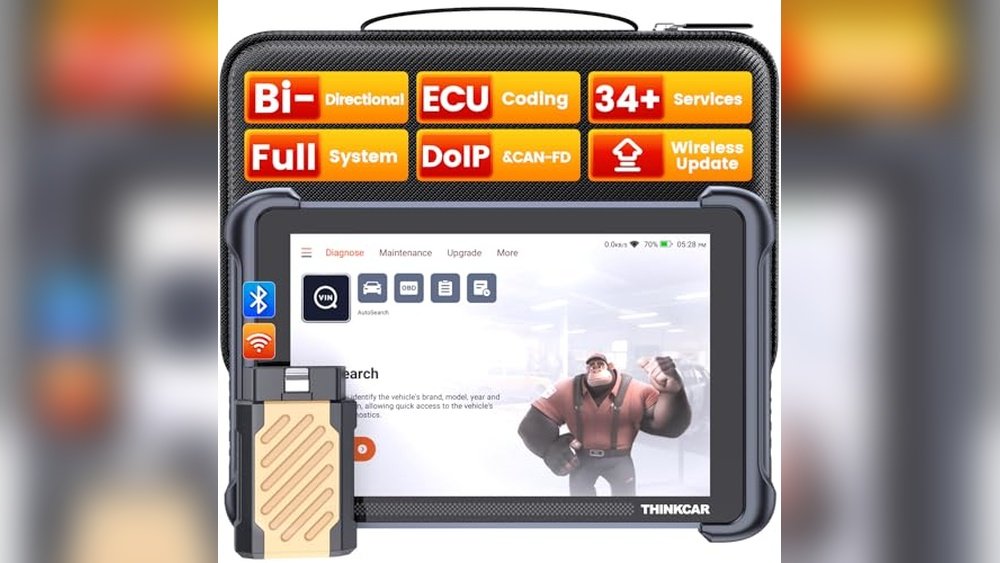
Expert insight: Always clear any error codes after installation with a scan tool, or the check engine light may stay on.
How Long Does A Catalytic Converter Last On A Jeep Wrangler?
With good care, a factory catalytic converter often lasts 100,000–150,000 miles. However, harsh conditions, frequent off-roading, or untreated engine problems can shorten this lifespan.
What Affects Longevity?
- Driving Habits: Stop-and-go traffic and short trips cause more wear.
- Off-Road Use: Rocks and debris can physically damage the converter.
- Engine Health: Oil or coolant leaks, or running rich, can “poison” the core.
Helpful example: If you drive mostly on highways and keep up with maintenance, your converter could last the life of your Jeep.
Emissions Laws And Jeep Wranglers
Each state sets its own rules for emissions equipment. In some places, especially California and New York, only specific types of catalytic converters are legal. Installing the wrong part can lead to fines or a failed inspection.
- CARB (California Air Resources Board): Requires converters that meet strict standards. Not all aftermarket parts qualify.
- EPA (Environmental Protection Agency): Sets federal standards for other states.
Always ask for a “CARB-compliant” or “EPA-approved” converter if required in your state.
What Happens If You Don’t Replace A Failing Converter?
Ignoring a bad catalytic converter can have serious effects:
- Failed Inspections: You won’t pass emissions tests, which can mean registration problems.
- Poor Performance: Power drops, fuel economy worsens, and the Jeep may run rough.
- Further Engine Damage: A clogged converter increases backpressure, stressing the engine.
- Legal Trouble: Driving without a converter is illegal in most states.
If your Jeep starts running poorly and you smell sulfur, replace the converter as soon as possible.
Practical Tips For Maintaining Your Catalytic Converter
Keeping your converter healthy saves money and trouble. Here’s how:
- Fix Engine Problems Promptly: Misfires, leaks, or running rich damage the converter.
- Avoid Off-Road Hazards: Protect your exhaust from rocks and debris.
- Use Quality Fuel: Low-quality or leaded fuel can poison the converter.
- Routine Inspections: Check for rattles, leaks, or warning lights at every oil change.
Lesser-known tip: Don’t use fuel additives unless they’re approved for catalytic converters—some can cause damage.
Real-world Example: Jeep Wrangler Owner’s Experience
James, a 2012 Wrangler owner, noticed his check engine light came on and the Jeep lost power climbing hills. His mechanic diagnosed a clogged catalytic converter and an engine misfire. After replacing spark plugs and fixing a fuel injector, James installed a high-quality aftermarket converter.
The check engine light cleared, and his Jeep passed its next emissions test. This shows how fixing engine issues first can save you from early converter failure.
Is It Worth Upgrading To A High-flow Catalytic Converter?
Some Jeep owners, especially those who modify their engines for more power, consider “high-flow” converters. These allow gases to pass through more easily, which can boost performance.
Pros:
- Slight increase in horsepower
- Better for custom exhaust setups
Cons:
- Some high-flow converters aren’t street legal
- May still trigger error codes
- Often noisier
Advice: Only install high-flow converters if you’re sure they’re legal in your area, and expect to pay more for CARB-compliant high-flow units.
Summary Table: Key Points For Jeep Wrangler Catalytic Converter Replacement
| Step/Factor | Details |
|---|---|
| Signs of Failure | Check engine light, poor performance, rattling, sulfur smell, failed emissions |
| DIY Possible? | Yes, with tools and safety—welding may be needed for some models |
| Cost Range | $350–$2,400 (plus labor) |
| Laws to Check | CARB in California, EPA in most other states |
| Common Mistakes | Poor diagnosis, using non-compliant parts, skipping engine repairs |