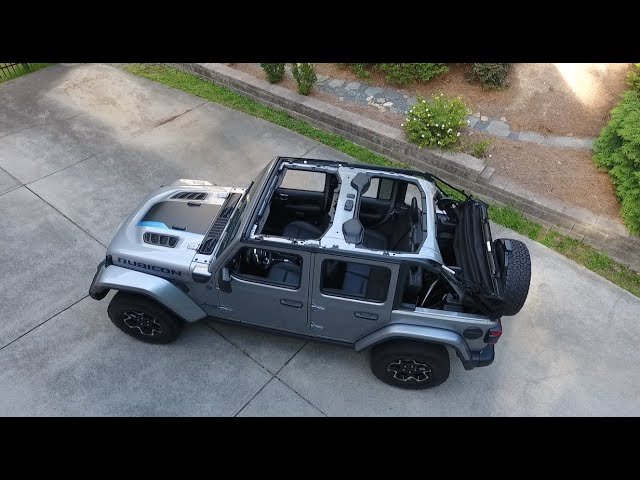
When your Jeep Wrangler starts to run rough, shows a check engine light, or has trouble starting, the camshaft position sensor could be the reason. This small but important part tells your engine's computer the exact position of the camshaft.
If it fails, your Wrangler may have poor fuel economy, misfiring, or even stall while driving. Knowing how to replace the camshaft position sensor can save you time and money—and get your Jeep back on the trail quickly.
Understanding The Camshaft Position Sensor
The camshaft position sensor (often called CMP sensor) is a crucial part of your Jeep Wrangler’s engine management system. It monitors the position and speed of the camshaft, then sends this information to the engine control unit (ECU). The ECU uses this data to control fuel injection and ignition timing.
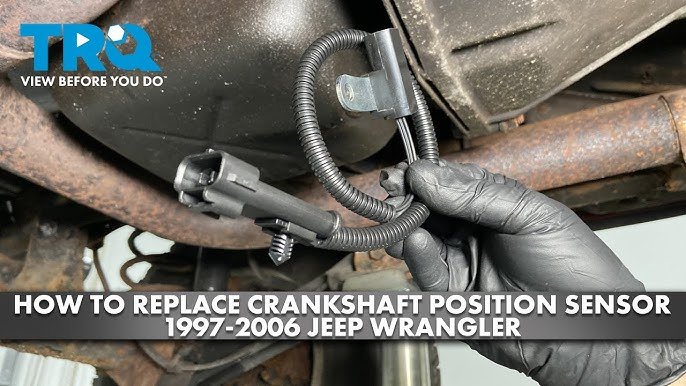
If the sensor fails, the ECU can’t properly manage the engine. Common symptoms include:
- Hard starting or no start
- Rough idling
- Reduced power
- Poor fuel efficiency
- Check engine light (often with codes like P0340 or P0341)
Ignoring these signs can lead to engine damage or being stranded. That’s why replacing a faulty camshaft position sensor is important.
Which Jeep Wrangler Models Are Affected?
Most Jeep Wranglers from the late 1990s to today use a camshaft position sensor. The replacement process is similar on many models, including:
- TJ (1997–2006)
- JK (2007–2018)
- JL (2018–present)
However, sensor location and design can differ by engine type (such as the 4. 0L inline-six, 3.
6L Pentastar V6, and others). Always check your Wrangler’s manual or parts guide for your exact engine before starting.
Signs Your Camshaft Position Sensor Needs Replacement
Many Jeep owners miss early warning signs. Here are some less obvious symptoms:
- Intermittent stalling: The engine suddenly dies, then restarts later.
- Unstable cruise control: Speed fluctuates while using cruise control.
- Transmission issues: On automatic Wranglers, rough or delayed shifting.
If you notice any of these, check for trouble codes with a scan tool. A faulty sensor can cause error codes like P0340 (Camshaft Position Sensor Circuit Malfunction).
Preparing For The Job: Tools And Parts
Before starting, gather the necessary tools and parts. Here’s what you’ll typically need:
- New camshaft position sensor (OEM recommended)
- Socket set (usually 8mm or 10mm socket)
- Ratchet and extension
- Flathead screwdriver
- Clean rag
- Dielectric grease (optional, for electrical contacts)
- Torque wrench (recommended)
Pro tip: Buy your replacement sensor from a trusted source. Cheap sensors often fail quickly or give inaccurate readings.
Jeep Wrangler Camshaft Position Sensor Location
The sensor’s location depends on your Wrangler’s engine:
- 4.0L Inline-Six (TJ): Mounted on the engine block, usually near the distributor at the rear.
- 3.8L V6 (JK): Located near the top rear of the engine, toward the firewall.
- 3.6L Pentastar V6 (JK/JL): Found on the right (passenger) side of the engine, near the cylinder head.
If you’re unsure, look for a sensor with a small wiring harness attached, bolted to the engine block or cylinder head.
Step-by-step: Jeep Wrangler Camshaft Position Sensor Replacement
Replacing the sensor is a moderate DIY task. Here’s a clear, step-by-step guide:
1. Safety First
- Park your Jeep on a level surface.
- Let the engine cool completely.
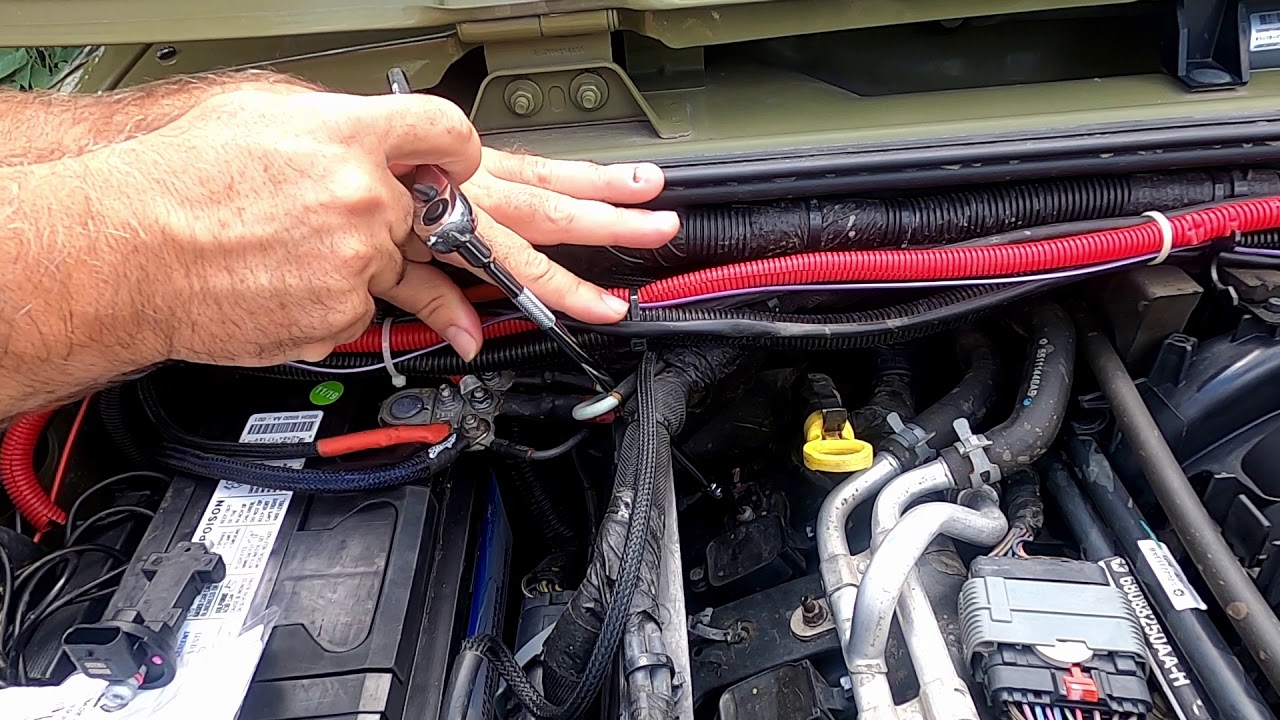
- Disconnect the negative battery cable to prevent electrical shorts.
2. Access The Sensor
- For TJ models, remove the air intake hose for better access.
- On JK and JL models, you may need to remove the engine cover.
3. Disconnect The Wiring Harness
- Press the tab on the sensor’s electrical connector.
- Carefully pull the connector off. Avoid yanking the wires.
4. Remove The Old Sensor
- Use the correct socket (often 8mm or 10mm) to remove the sensor’s retaining bolt.
- Gently twist and pull the sensor out of its mounting hole.
5. Inspect The Area
- Check for oil leaks or debris in the sensor opening.
- Wipe the area clean with a rag.
6. Install The New Sensor
- Apply a small amount of dielectric grease to the connector pins (optional).
- Insert the new sensor, making sure it sits flush.
- Reinstall and tighten the retaining bolt to manufacturer’s torque spec.
7. Reconnect The Harness And Battery
- Plug the wiring connector into the new sensor.
- Reconnect the negative battery cable.
8. Test The Repair
- Start the engine and check for smooth operation.
- Use a scan tool to clear any stored trouble codes.
- Road test your Jeep to confirm the repair.
Comparison Of Oem Vs Aftermarket Sensors
Choosing the right replacement sensor is important. Here’s a quick comparison:
| Type | Price Range | Reliability | Warranty |
|---|---|---|---|
| OEM (Original Equipment) | $40–$90 | High | 1–2 years |
| Aftermarket (Generic) | $15–$50 | Varies (Medium–Low) | 30 days–1 year |
OEM sensors usually last longer and work seamlessly with your Jeep’s engine. Some cheap aftermarket sensors might cause false check engine lights or fail quickly.
Estimated Time And Cost
Most Jeep owners can replace the camshaft position sensor in about 30–60 minutes with basic tools. If you use a repair shop, expect to pay between $120 and $250, including labor.
Here’s a cost breakdown:
| Item | DIY Cost | Shop Cost |
|---|---|---|
| Sensor (OEM) | $40–$90 | $40–$90 |
| Labor | Free | $80–$160 |
| Total | $40–$90 | $120–$250 |
Common Mistakes To Avoid
Many beginners run into problems that can be avoided:
- Forgetting to disconnect the battery: This can cause shorts or accidental sensor damage.
- Using too much force: The sensor is delicate. Forcing it can break the mounting tab or damage the engine block.
- Not cleaning the area: Dirt or oil in the mounting hole can affect sensor readings.
- Skipping the scan tool: Always clear trouble codes and confirm the fix with a scan tool after replacement.
- Mixing up sensors: The crankshaft and camshaft sensors look similar but are not interchangeable.
Practical Tips For A Smooth Replacement
- Label connectors if you remove more than one.
- Use a flashlight to spot the sensor, especially on V6 models with tight engine bays.
- If the old sensor is stuck, wiggle gently. Avoid prying with metal tools which can damage the engine.
- After installation, watch for oil leaks. A new sensor should seal tightly; if you see oil, check the O-ring or mounting surface.
Why A Healthy Camshaft Sensor Matters
A working camshaft position sensor means your Jeep’s engine runs efficiently. It helps:
- Reduce emissions
- Improve fuel economy
- Prevent engine misfires
- Ensure smooth shifting (on automatics)
Many drivers ignore sensor problems until they get worse. But a quick replacement can save fuel and prevent bigger issues later.
Data: Sensor Failure Rates And Longevity
Most camshaft sensors last 80,000–120,000 miles. However, sensors can fail early due to:
- Heat exposure: Engines run hot, and sensors can degrade over time.
- Oil leaks: Oil can get inside the sensor housing, causing failure.
- Vibration: Off-road driving increases vibration, which can shorten sensor life.
A study from the National Highway Traffic Safety Administration (NHTSA) notes that about 2–5% of vehicle sensor failures are due to camshaft sensors each year. For the Jeep Wrangler, this is a common maintenance item, especially for those who drive off-road or in harsh climates.
When To Seek Professional Help
While many Jeep owners can do this repair at home, call a mechanic if:
- You lack basic tools or experience.
- The sensor is buried under other engine parts (some V6 models).
- The connector or mounting bolt is stuck or stripped.
Shops have specialized tools and can diagnose other problems if the sensor replacement does not solve the issue.
Environmental Impact Of A Bad Camshaft Sensor
A faulty sensor can cause your engine to run rich (too much fuel), leading to higher emissions and poor fuel economy. Over time, this can damage your catalytic converter—a much more expensive repair. Fixing the sensor quickly helps your Jeep stay eco-friendly and reliable.
Resources For Further Reading
For those interested in more technical details, the official Jeep service manuals and online forums offer step-by-step guides and troubleshooting advice. You can also check this Wikipedia article for a deeper dive into how camshaft sensors work.
Frequently Asked Questions
How Do I Know If My Camshaft Position Sensor Is Bad?
Common signs include a check engine light, rough idle, poor fuel economy, and hard starting. Use a scan tool to check for engine codes like P0340 or P0341.
Can I Drive My Jeep Wrangler With A Bad Camshaft Position Sensor?
You can drive for a short time, but it’s risky. The engine may stall, run rough, or fail to start. Long-term driving can cause engine damage.
Do I Need To Program A New Camshaft Sensor After Installation?
No, most Jeep Wranglers do not require sensor programming. Just clear any trouble codes with a scan tool after installation.
Where Is The Camshaft Position Sensor Located On A Jeep Wrangler?
Location depends on engine type. For example, the 4.
0L inline-six has it near the distributor at the rear of the engine. The 3.
6L V6 usually places it on the right side near the cylinder head.
What Is The Difference Between Camshaft And Crankshaft Sensors?
The camshaft sensor monitors camshaft position for fuel and ignition timing. The crankshaft sensor tracks crankshaft position for engine speed and piston location. Both are important but not interchangeable.
Replacing the camshaft position sensor in your Jeep Wrangler can seem daunting, but with the right tools and preparation, it’s a manageable job for most DIYers. Regular maintenance and prompt repairs keep your Jeep reliable on and off the road. Don’t ignore the warning signs—fixing a faulty sensor now can prevent bigger problems in the future.