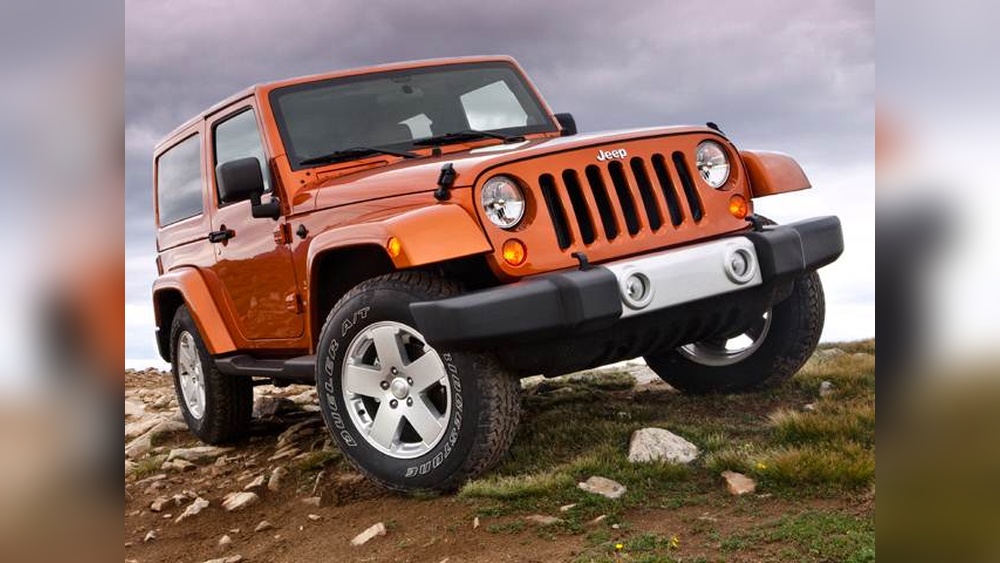
Jeep Wrangler Brake Replacement: A Complete Guide
If you own a Jeep Wrangler, you know it’s built for adventure. Whether you’re navigating city streets or rocky trails, you need reliable brakes to stay safe.
Over time, brake parts wear out and need replacement. Replacing Wrangler brakes is not just about stopping power—it’s also about keeping your vehicle ready for any challenge.
This guide walks you through every step, explains key details, and helps you avoid common mistakes.
Why Brake Replacement Matters For Jeep Wrangler
Brakes are one of the most important safety systems on your Wrangler. Good brakes help you stop quickly, avoid accidents, and handle tough driving conditions.
A worn-out brake system can increase stopping distance, cause noise, or even lead to brake failure.
For off-road drivers, strong brakes are even more critical. Wranglers often face mud, water, and dust, which can wear brake parts faster than regular driving.
A study from the National Highway Traffic Safety Administration (NHTSA) shows that faulty brakes are a factor in nearly 22% of vehicle crashes caused by mechanical failure. Regular brake maintenance and timely replacement reduce this risk dramatically.
Signs Your Wrangler Needs New Brakes
Knowing when to replace brakes is key. Here are some clear signs:
- Squealing or grinding noise: This usually means brake pads are worn down.
- Vibration when braking: Often caused by warped rotors.
- Longer stopping distance: If your Wrangler takes more time to stop, brakes may be weak.
- Brake warning light: This dashboard alert means it’s time to check your brakes.
- Pulling to one side: Uneven braking can point to stuck calipers or uneven pad wear.
Ignoring these signs can lead to more expensive repairs or unsafe driving.
Jeep Wrangler Brake System Overview
Understanding the brake system helps you replace parts confidently. The Wrangler’s brakes are usually disc brakes in the front and either disc or drum brakes in the rear, depending on the model year.
Key brake components:
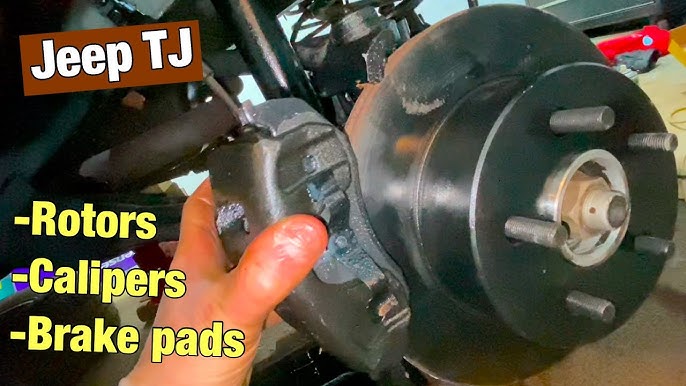
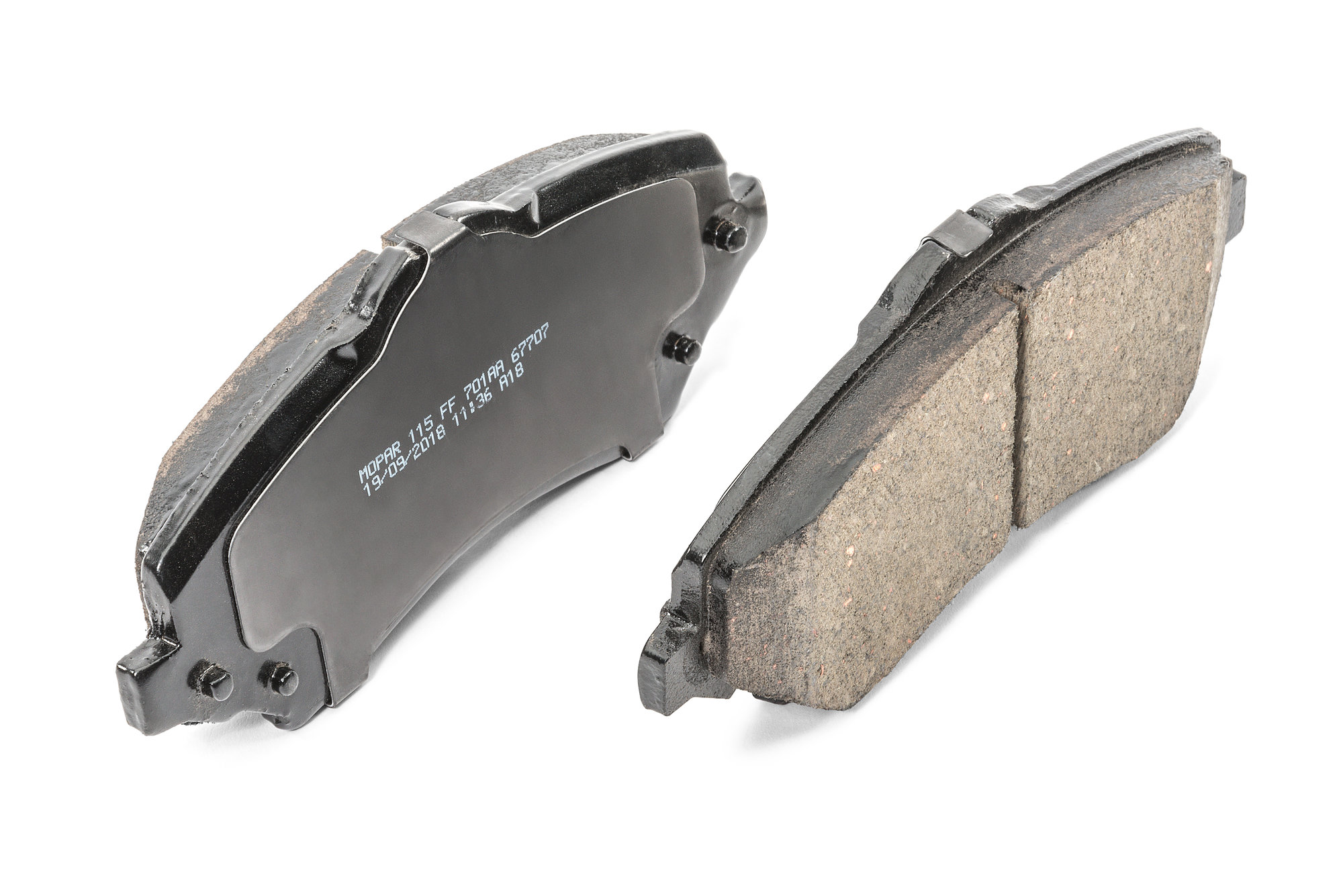
- Brake pads: These squeeze the rotors to create friction and stop the car.
- Rotors: Flat metal discs attached to the wheel, which the pads press against.
- Calipers: Hold and press the brake pads.
- Brake fluid: Transfers force from the pedal to the brakes.
Different Wrangler models may use slightly different brake designs. Always check your owner’s manual for details.
Choosing The Right Brake Parts
Selecting quality brake parts is important for performance and safety. Here’s what you should consider:
Brake Pads
There are three main types:
- Ceramic: Last long, quiet, good for daily driving.
- Semi-metallic: Strong stopping power, handle heat well, may be noisy.
- Organic: Soft, quiet, wear faster, good for light driving.
Most Wrangler drivers prefer semi-metallic for off-roading or towing, while ceramic pads are ideal for city use.
Rotors
Wrangler rotors come in several styles:
- Standard: Smooth, affordable, good for basic use.
- Slotted: Improved cooling, good for heavy braking.
- Drilled: Better water and dirt removal, useful for off-roading.
Consider your driving style. For off-road, slotted or drilled rotors help avoid brake fade.
Comparison Table: Brake Pad Types
Here’s a quick look at the differences:
| Type | Durability | Noise | Performance |
|---|---|---|---|
| Ceramic | High | Low | Moderate |
| Semi-metallic | Medium | Medium | High |
| Organic | Low | Low | Low |
Common Mistakes
- Buying cheap, low-quality pads that wear fast.
- Mixing pad types (front and rear) can cause uneven braking.
- Forgetting to check rotor thickness before reusing.
Preparing For Brake Replacement
Before you start, gather the right tools and parts:
- New brake pads and rotors
- Jack and jack stands
- Socket set and wrench
- Brake cleaner
- C-clamp or brake caliper tool
- Torque wrench
- Gloves and safety glasses
Check your owner’s manual for exact part numbers and torque specs.
Example: Wrangler Jl Part Numbers
| Component | Front | Rear |
|---|---|---|
| Brake Pads | 68259572AA | 68259573AA |
| Rotors | 68326042AA | 68326043AA |
Step-by-step Brake Replacement Process
Replacing brakes is a moderate DIY job. Here’s a clear process:
1. Lift And Secure The Vehicle
- Park on a flat surface.
- Loosen wheel lug nuts.
- Use a jack to lift the Wrangler.
- Place jack stands under frame. Lower vehicle onto stands.
- Remove wheels.
2. Remove Old Brake Pads And Rotors
- Locate the brake caliper.
- Use a socket to remove caliper bolts.
- Slide caliper off the rotor and hang it with wire (don’t let it dangle).
- Remove old brake pads.
- Slide the rotor off. If stuck, tap gently with a rubber mallet.
3. Clean And Inspect
- Use brake cleaner to remove dust and oil from caliper and hub.
- Inspect caliper for leaks or damage.
- Check rotor thickness. If rotors are too thin, replace them.
4. Install New Parts
- Slide new rotor onto hub.
- Insert new brake pads into caliper bracket.
- Compress caliper piston with a C-clamp so new pads fit.
- Reinstall caliper over pads and rotor.
- Tighten caliper bolts to manufacturer’s torque spec.
5. Reassemble And Test
- Put wheels back on.
- Tighten lug nuts in a star pattern.
- Lower vehicle and torque lug nuts.
- Pump brake pedal slowly to seat pads.
- Test drive at slow speed to check braking.
Practical Tips
- Always replace pads and rotors on both sides of an axle.
- Don’t touch pad surfaces with oily hands.
- Use brake grease on caliper pins to avoid sticking.
- If unsure, watch a trusted YouTube video or ask a mechanic.
Jeep Wrangler Brake Replacement Costs
Costs depend on parts and labor. Doing it yourself saves money, but you need tools and time.
Average Cost Breakdown
| Item | DIY Cost | Shop Cost |
|---|---|---|
| Brake Pads (front set) | $60-$120 | $180-$250 |
| Rotors (front set) | $120-$250 | $300-$400 |
| Labor (per axle) | $0 | $150-$200 |
On average, a full brake job (front pads and rotors) costs $180–$370 DIY or $480–$850 at a shop. Rear brakes are usually a bit cheaper.
When To Change Brake Fluid
Brake fluid is often forgotten but is vital for safe braking. Wrangler owners should change brake fluid every 2–3 years or after 30,000 miles. Old fluid can absorb moisture, leading to corrosion and weak braking.
Signs of bad brake fluid:
- Spongy pedal feel
- Visible dirt in fluid reservoir
- Brake warning light
Changing fluid is easy but must be done carefully to avoid air in the system.
Non-obvious Insights For Wrangler Owners
Many beginners overlook these points:
- Off-road driving wears brakes faster due to mud and water. Inspect brakes after every tough trail ride.
- Aftermarket lift kits and larger tires increase braking distance. Upgrading to heavy-duty pads and rotors may be needed.
- Rust on rotors is common in humid areas. A little surface rust is normal, but deep rust needs replacement.
- Wheel size affects brake fitment. Always check new brake parts against wheel dimensions.
Brake Upgrades For Better Performance
If you want improved braking, consider these upgrades:
- Big brake kits: Larger rotors and calipers, more stopping power.
- Braided stainless brake lines: Less flex, firmer pedal feel.
- Performance pads: Better for towing or off-roading.
Upgrades cost more but make a big difference if you use your Wrangler for tough jobs.
Safety Reminders
Never cut corners on brake jobs. Always follow torque specs, and double-check your work.
If you’re not confident, professional help is worth it. Proper brakes keep you, your passengers, and others safe on the road and trail.
For more technical details and data, the official NHTSA site provides brake safety research.
Frequently Asked Questions
How Often Should I Replace Jeep Wrangler Brake Pads?
Most drivers need new pads every 30,000–50,000 miles, but off-road or city drivers may need them sooner. Check pads at every oil change for wear.
Can I Just Replace Brake Pads And Not Rotors?
If rotors are smooth, thick, and not warped, yes. But replacing both gives better performance and avoids uneven wear. Always inspect rotors carefully.
What Brake Pad Type Is Best For Off-roading?
Semi-metallic pads are best for off-road, as they handle heat and dirt well. Ceramic pads are quieter but may not perform as strongly in rough conditions.
Do I Need Special Tools For Wrangler Brake Replacement?
Basic tools (jack, sockets, C-clamp) are enough for most jobs. Some models need a special caliper tool for the rear brakes. Always check your manual before starting.
What’s The Risk Of Driving With Worn Brakes?
Worn brakes increase stopping distance, reduce control, and may damage other parts. Ignoring them can lead to accidents or expensive repairs.
Replacing brakes on your Jeep Wrangler keeps your adventures safe and smooth. With the right parts, tools, and knowledge, you can handle brake jobs confidently.
Remember, brakes are not just for stopping—they’re your first line of safety on every road and trail.