The Jeep Wrangler is an iconic off-road vehicle, known for its rugged capability and go-anywhere attitude. Many owners, especially those new to off-roading or the specific nuances of a Wrangler’s 4×4 system, might find themselves in a situation where their Jeep unexpectedly disengages from 4-wheel drive low (4L).
This can be a startling and potentially problematic experience, especially when you're deep in the backcountry. Understanding why this happens, how to prevent it, and what to do if it occurs is crucial for any Wrangler owner.
This article aims to provide a comprehensive guide to the common reasons a Jeep Wrangler might bounce out of 4L, along with practical solutions and preventative measures.
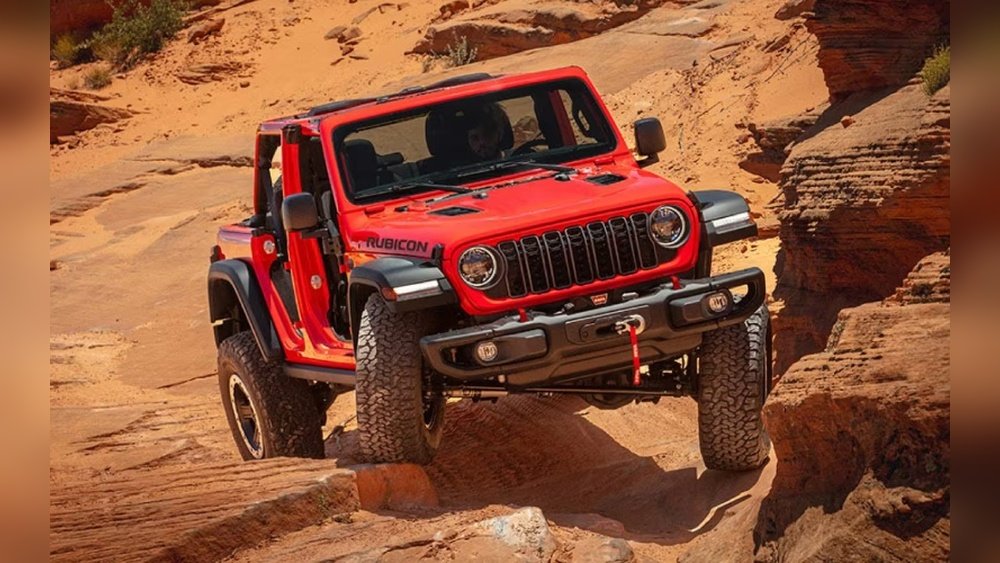
Understanding Jeep Wrangler’s 4×4 Systems
Before diving into the specifics of disengaging from 4L, it’s important to understand the different types of 4×4 systems found in Jeep Wranglers. The system’s design directly influences how it behaves and the potential issues that can arise.
Part-time 4wd Systems
Most Jeep Wranglers come equipped with a part-time 4WD system. This system is designed for off-road use and situations with low traction, like mud, snow, sand, or steep inclines. In a part-time system, the front and rear driveshafts are mechanically locked together. This means they must rotate at the same speed.
When you engage 4-wheel drive (either 4H or 4L), you’re locking the front and rear axles. This is fantastic for traction because it ensures power is sent to all four wheels, preventing slippage. However, this mechanical lock-up creates a problem on high-traction surfaces, such as dry pavement. When you turn, the front wheels need to travel a slightly different distance than the rear wheels. Because the system is locked, it forces them to rotate at the same speed, causing drivetrain binding. This binding puts immense stress on the transfer case, driveshafts, and axles, and can lead to serious damage.
This is why part-time 4WD systems, including 4L, should only be used on surfaces with low traction. Engaging 4L on pavement is a sure way to experience issues, and potentially disengagement.
Full-time 4wd Systems (less Common In Wranglers)
Some Jeep models, particularly higher trims or specific generations, might offer a full-time 4WD system or an advanced full-time 4WD system with an electronic or mechanical locking differential. These systems are more sophisticated and can often be used on any surface, including dry pavement, because they have a center differential that allows the front and rear wheels to rotate at different speeds.
However, even with a full-time system, engaging a specific mode like 4L often still implies a locked or partially locked state for maximum off-road torque. The principles of avoiding high-traction surfaces still apply to some extent when maximum torque and a locked drivetrain are engaged.
Why Does A Jeep Wrangler Bounce Out Of 4-wheel Low?
The term “bounce out” is often used colloquially to describe the sensation or the audible event of the transfer case disengaging from 4L. This isn’t usually a literal bounce, but rather a sudden release of power to the front axle, often accompanied by a clunk or grinding noise. Here are the primary reasons this happens:
1. Drivetrain Binding On High-traction Surfaces
This is the most common culprit. As explained earlier, when your Wrangler is in 4L, the drivetrain is locked front to rear.
If you're driving on pavement, even a slight turn can cause the front and rear wheels to try and rotate at different speeds.
The transfer case, designed to protect itself and the rest of the drivetrain from this stress, will often disengage 4L to prevent catastrophic damage. This disengagement can feel abrupt, like a sudden loss of power or a jolt.
It's the vehicle's way of saying, "Stop what you're doing, this is not safe for me!"
Pro Tip: Always shift out of 4L and back into 2H (or 4H if the surface is still slippery) before getting onto any paved road or firm, grippy surface.
2. Incorrect Shifting Procedure
Engaging and disengaging 4WD modes requires a specific procedure. If this procedure isn’t followed correctly, the transfer case might not fully engage or could disengage unexpectedly.
For most Wranglers, shifting into 4L requires the vehicle to be in Neutral with the engine running. You typically need to be moving very slowly (e.g., 1-2 mph) or completely stopped. Some older models might require a specific sequence, like shifting from 4H to Neutral, then from Neutral to 4L.
If you try to shift into 4L while in Drive or Reverse, or while moving too fast, the gears might not mesh properly. This can lead to a partial engagement or an immediate disengagement.
The same applies when shifting out of 4L.
Example: I once saw a friend try to shift into 4L while still on a gravel road that was starting to firm up. He was moving too fast, didn’t put it in Neutral first, and the Jeep popped right back into 2H with a loud clunk. He had to stop, put it in Neutral, and then carefully shift into 4L while creeping forward.
3. Worn Or Damaged Transfer Case Components
Like any mechanical component, the transfer case can wear out over time, especially if the vehicle has been used extensively for off-roading or has been subjected to abuse. Internal components like the shift forks, synchronizers, or chain can become worn.
If these parts are worn, they might not hold their position securely. This can lead to the transfer case slipping out of gear, particularly under load or stress, which is common in 4L mode.
A worn transfer case chain can also lead to slack, causing the system to disengage.
Warning: If you suspect your transfer case components are worn, it’s crucial to have it inspected by a qualified mechanic. Continuing to drive with a failing transfer case can lead to more extensive and expensive damage.
4. Low Transfer Case Fluid Or Contaminated Fluid
The transfer case requires proper lubrication to function correctly. Low fluid levels or contaminated fluid can lead to overheating and increased wear on internal components.
- Low Fluid: If the fluid level is too low, the gears and chain won’t be adequately lubricated, leading to friction and heat. This can cause components to expand or seize, potentially leading to disengagement.
- Contaminated Fluid: Water, dirt, or metal shavings in the transfer case fluid can act as abrasives, damaging gears and bearings. This contamination can also affect the performance of seals and synchronizers, making it harder for the transfer case to stay engaged.
Regularly checking and changing the transfer case fluid according to your Jeep’s maintenance schedule is vital. The recommended fluid type is also critical; using the wrong fluid can cause internal damage.
5. Vacuum Leaks Or Actuator Issues (for Models With Electronic 4wd)
While many Wranglers use a manual transfer case lever, some newer models, particularly those with electronic shift-on-the-fly (ESOF) systems, use electric motors or vacuum actuators to engage 4WD.
If there’s a vacuum leak in the system (for vacuum-actuated systems) or a malfunction in the electronic actuator, it can prevent the transfer case from engaging properly or cause it to disengage unexpectedly. The system might detect an issue and revert to a safer mode (like 2H) to prevent damage.
Example: A common issue in some vehicles with electronic 4WD is a faulty vacuum switch or a cracked vacuum line, which can cause the front axle engagement to fail, leading to the system disengaging from 4WD.
6. Driver Error And Improper Use
Sometimes, the simplest explanation is the correct one. Driver error, such as trying to shift while moving too fast, not fully engaging the lever, or forgetting to shift out of 4L, can lead to issues.
Understanding the limitations of the 4WD system and how to operate it correctly is paramount.
In my experience, many new off-roaders get excited and push the limits too soon. They might forget they are in 4L on a trail that suddenly becomes firm or slippery, leading to that dreaded disengagement. It’s a learning curve for everyone.

How To Properly Engage And Disengage 4-wheel Drive Low (4l)
Following the correct procedure is the best way to prevent your Jeep Wrangler from bouncing out of 4L. While procedures can vary slightly between model years, the general steps are consistent.
For Manual Transfer Case Lever (most Wranglers)
- Prepare the Vehicle: Ensure your Jeep Wrangler is in Park (for automatic transmissions) or in gear (for manual transmissions). For shifting into 4L, it’s often recommended to be in Neutral.
- Engage Neutral: Press the brake pedal and shift the transmission into Neutral.
- Wait for Vehicle to Stabilize: For some models, it’s advised to wait a moment for the vehicle to settle.
- Shift to 4L: Firmly pull the transfer case lever towards you and down into the 4L position. You should feel a distinct engagement.
- Confirm Engagement: The 4WD indicator light on your dashboard should illuminate, and you should feel the vehicle engage into a lower gear ratio.
- Resume Driving Slowly: Once confirmed, you can slowly begin to drive.
To Disengage 4L:
- Stop or Slow Down: Bring the vehicle to a complete stop or slow down to a crawl (1-2 mph).
- Shift Transmission to Neutral: Press the brake pedal and shift the automatic transmission to Neutral (or clutch in and shift to Neutral for manual).
- Shift to 4H or 2H: Firmly push the transfer case lever away from you and up into either 4H or 2H (depending on your needs).
- Confirm Disengagement: The 4WD indicator light should turn off.
- Resume Driving: You can now drive normally.
Key Point: Always shift into 4L when stationary or moving at a very slow crawl. Never attempt to shift into 4L while the vehicle is moving at speed or on pavement.
For Electronic Shift-on-the-fly (esof) Systems
The procedure for electronic systems is generally simpler, as it’s done via buttons or a rotary dial.
- Prepare the Vehicle: Ensure the vehicle is in Park or Neutral.
- Engage Neutral (if required): For some electronic systems, shifting into Neutral might still be a prerequisite for engaging 4L. Check your owner’s manual.
- Select 4L: Press the 4L button or turn the dial to the 4L position.
- Wait for Confirmation: The system will electronically engage. Wait for the 4WD indicator light to confirm engagement.
- Resume Driving Slowly: Proceed at a slow speed.
To Disengage 4L (ESOF):
- Stop or Slow Down: Bring the vehicle to a stop or very slow crawl.
- Select 2H or 4H: Press the appropriate button or turn the dial to 2H or 4H.
- Wait for Confirmation: The indicator light should turn off or change to confirm.
Crucial Note: Always refer to your specific Jeep Wrangler owner’s manual. Procedures can vary significantly between model years and trim levels.
Common Scenarios And Troubleshooting
Let’s look at some specific situations where a Wrangler might disengage from 4L and what to do.
Scenario 1: Driving On A Trail, Suddenly Feels Like 2wd
You’re on a muddy trail, crawling along in 4L, and suddenly you lose front-wheel drive. The steering might feel lighter, and you might notice the wheels spinning freely.
- Possible Cause: Drivetrain binding due to hitting a patch of firmer ground or pavement, or a mechanical failure in the transfer case.
- Troubleshooting:
- Stop Immediately: Do not try to force it.
- Check for Binding: Ensure you are not on any high-traction surface. If you are, shift to 2H immediately.
- Try Shifting: If you are on a suitable low-traction surface, attempt to shift to Neutral, wait a few seconds, and then try to re-engage 4L.
- Listen for Noises: Pay attention to any grinding, clunking, or whining sounds. These can indicate mechanical issues.
- Inspect: If possible and safe, visually inspect the transfer case and driveshafts for any obvious damage or leaks.
- Seek Professional Help: If you cannot re-engage 4L or suspect damage, it’s time to call for a tow and get it to a mechanic.
Scenario 2: Shifting Into 4l, But Indicator Light Doesn’t Come On
You follow the procedure, but the 4WD light stays off, or it flashes and then goes out. The Jeep feels like it’s still in 2WD.
- Possible Cause:
- Incorrect Shifting: Not fully engaging the lever, or not performing the Neutral step correctly.
- Electronic System Fault: For ESOF systems, a faulty sensor, actuator, or control module.
- Low Fluid: Insufficient fluid can prevent proper engagement.
- Mechanical Issue: Worn shift forks or linkage.
- Troubleshooting:
- Repeat Procedure: Double-check your owner’s manual and try the shifting procedure again, slowly and deliberately. Ensure you are in Neutral.
- Check Fluid Level: If accessible, check the transfer case fluid level.
- Scan for Codes (Electronic Systems): If you have an OBD-II scanner, check for any diagnostic trouble codes related to the 4WD system.
- Consult Manual: If it’s an electronic system, consult the manual for specific troubleshooting steps for the indicator light behavior.
- Professional Diagnosis: If it still won’t engage, it likely requires professional diagnosis.
Scenario 3: Transfer Case Makes Loud Clunking Noise When Shifting Into 4l
You attempt to shift into 4L, and there’s a loud bang or clunking sound. The vehicle might feel like it’s partially engaged or not engaged at all.
- Possible Cause:
- Severe Drivetrain Binding: Trying to shift under load or on a surface that



















