The Jeep Wrangler Big Bear Edition is a special package that offers a unique blend of off-road capability and distinctive styling.
While not a standalone trim level, the Big Bear Edition often refers to specific packages or modifications that enhance the iconic Wrangler's already legendary performance, particularly focusing on wheels and tires that define its rugged persona.
For Jeep enthusiasts, the right set of wheels and tires is more than just an aesthetic choice; it's a critical component that impacts handling, off-road traction, and overall driving experience.
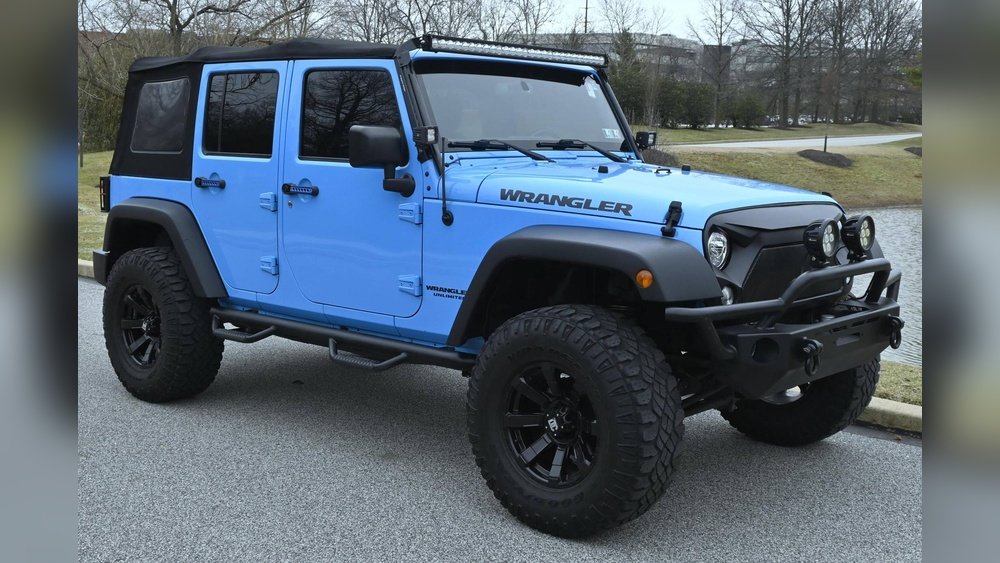
This article will explore the specifics of the wheels and tires typically associated with the Jeep Wrangler Big Bear Edition, offering insights into their design, benefits, and considerations for owners looking to upgrade or understand their vehicle better.
Understanding The Big Bear Edition Concept
The “Big Bear Edition” isn’t a factory-produced trim level like a Rubicon or Sahara. Instead, it often emerges from Jeep’s Mopar accessories division or is a package offered by dealerships, sometimes in partnership with aftermarket companies. The core idea behind these editions is to provide a pre-packaged upgrade that enhances the Wrangler’s off-road prowess and visual appeal without the owner having to source individual components. When it comes to wheels and tires, the Big Bear Edition typically aims for a more aggressive stance and improved off-road functionality. This often means larger, more robust wheels paired with tires designed for challenging terrains. The focus is on providing a ready-to-go solution for those who want their Wrangler to look and perform like a serious off-roader straight from the lot, or as a distinct upgrade package.
Key Wheel Characteristics For The Big Bear Edition
The wheels chosen for a Big Bear Edition package are central to its identity. They are not merely functional but also contribute significantly to the vehicle’s aggressive aesthetic.
Material And Construction
Big Bear Edition wheels are generally constructed from durable materials designed to withstand the rigors of off-road use.
- Aluminum Alloy: This is the most common material. It offers a good balance of strength, light weight, and corrosion resistance. Lighter wheels can also subtly improve fuel economy and handling by reducing unsprung weight.
- Forged vs. Cast: While most factory or dealership-offered wheels are cast aluminum, some higher-end aftermarket Big Bear packages might feature forged aluminum wheels. Forged wheels are made by heating and hammering aluminum, making them significantly stronger and more resistant to impacts and bending than cast wheels. This is a crucial difference for extreme off-roading.
Size And Offset
The size and offset of the wheels are critical for both performance and fitment.
- Diameter: Big Bear Editions typically feature larger wheel diameters than standard Wranglers. Common sizes are 17-inch or 18-inch wheels. While larger wheels (20-inch and up) exist, they are less common for true off-road focused packages like the Big Bear, as they necessitate smaller tire sidewalls, which can be more susceptible to damage off-road and offer less cushioning.
- Width: The width of the wheel is also important. Wider wheels provide a larger contact patch for the tire, improving stability and traction, especially when airing down for off-road conditions. A common width for these types of wheels might be 8.5 inches or 9 inches.
- Offset: Wheel offset refers to how the wheel mounts to the hub. A negative offset (where the mounting surface is closer to the outside of the wheel) pushes the wheels further out from the vehicle’s body. This is often desired for the Big Bear Edition to achieve a more aggressive stance, improve stability, and provide more clearance for larger brake components or suspension upgrades. It also helps prevent the tires from rubbing on suspension components when larger tires are fitted.
Design And Finish
The visual appeal of the wheels is a significant part of the Big Bear Edition’s package.
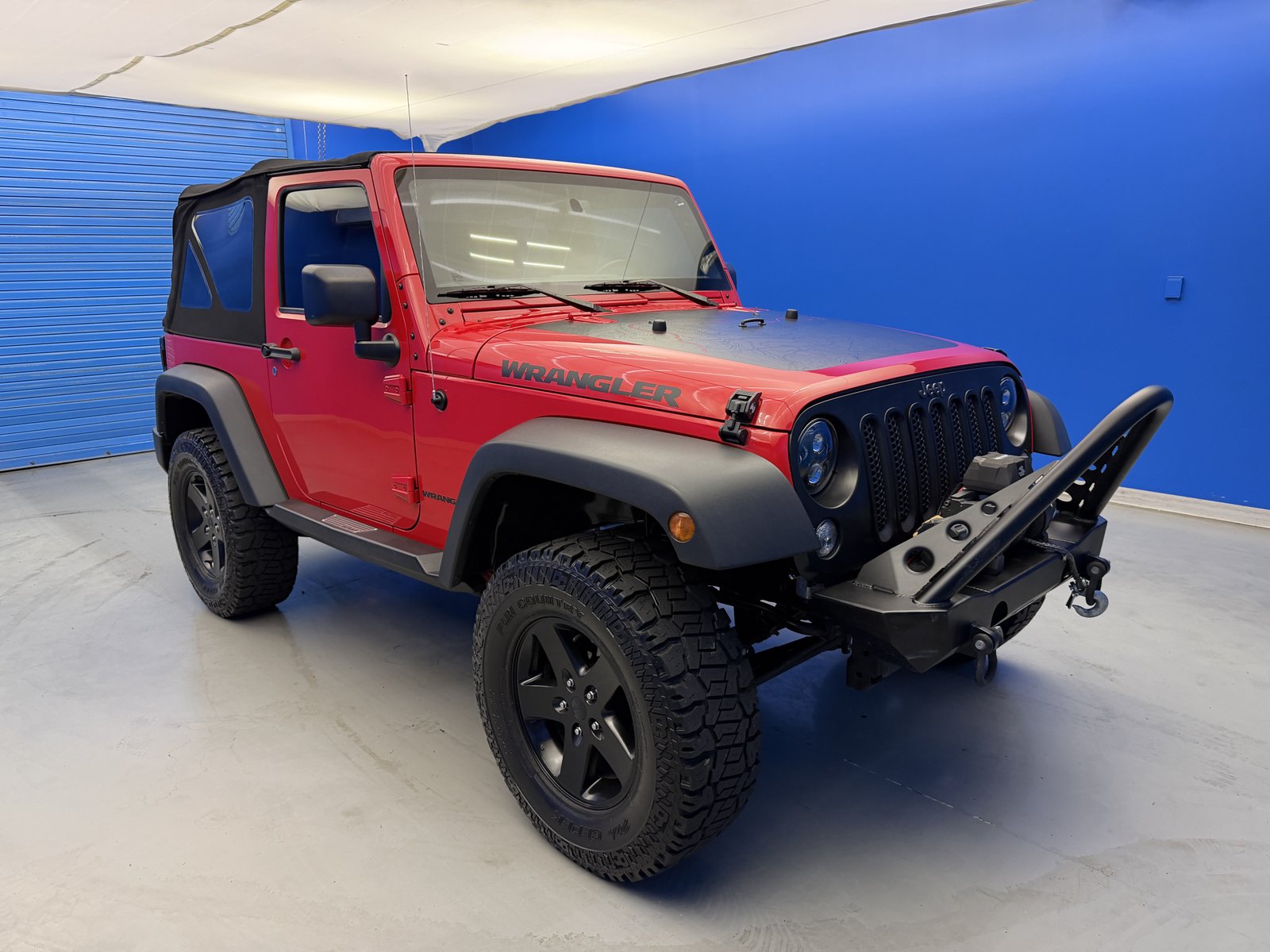
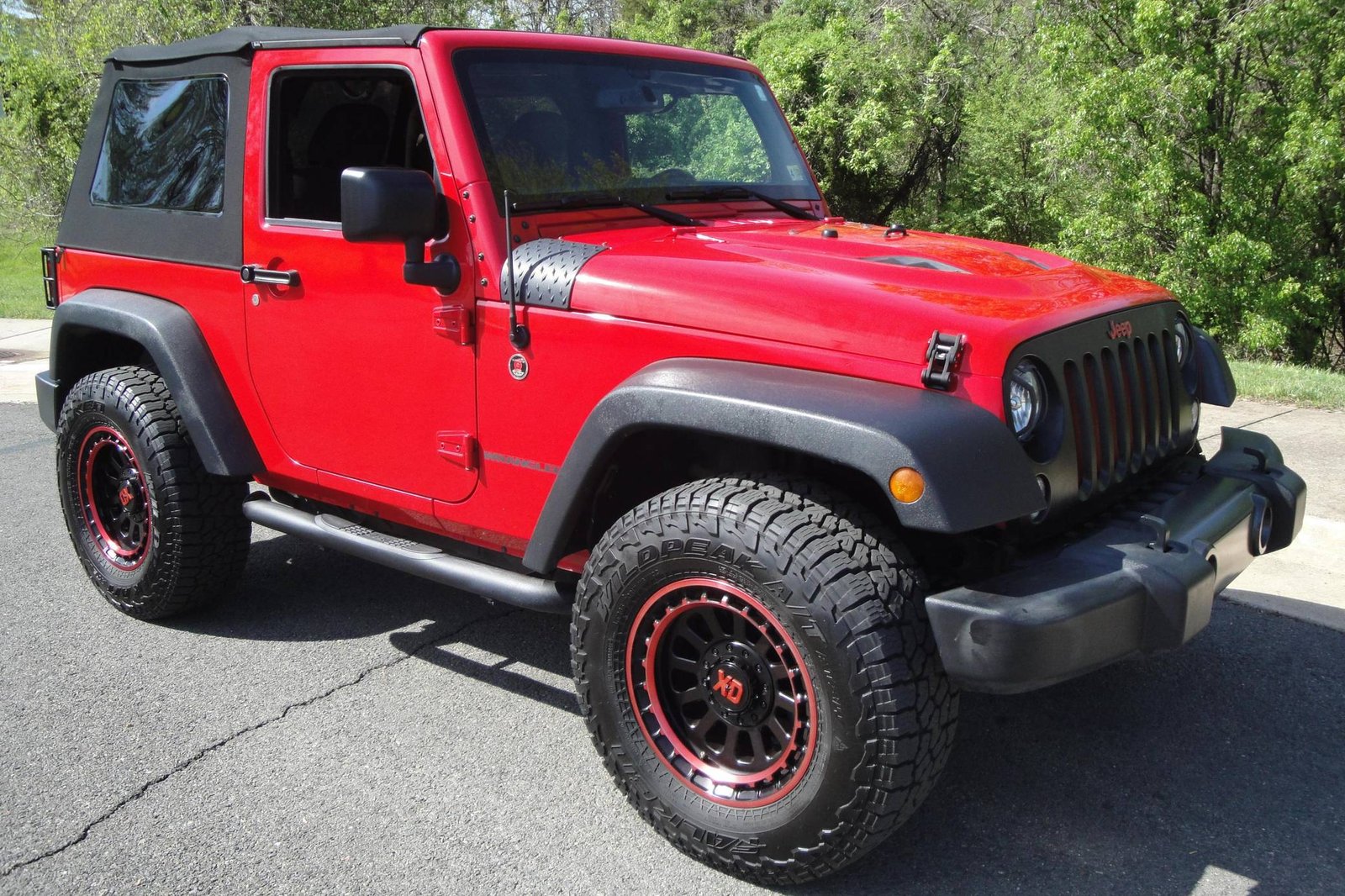
- Multi-Spoke or Beadlock-Style Designs: Many Big Bear Edition wheels feature robust, multi-spoke designs that look strong and capable. Some might even incorporate beadlock-style rings (though often non-functional on stock packages) to mimic the look of true beadlock wheels used in extreme off-roading, which help keep the tire bead seated on the rim during low-pressure driving.
- Finishes: Common finishes include matte black, satin black, gunmetal gray, or a combination of machined faces with dark accents. These finishes are chosen for their rugged appearance and ability to hide dirt and scratches acquired during off-road adventures.
Tire Specifications For Enhanced Off-road Performance
Complementing the wheels, the tires are arguably the most crucial component for any off-road-oriented vehicle. The Big Bear Edition typically specifies tires that balance on-road manners with significant off-road capability.
Tire Types
The choice of tire type directly influences performance in various conditions.
- All-Terrain (AT) Tires: These are the most common choice for Big Bear Editions. AT tires are designed to provide a good compromise between on-road comfort and off-road traction. They feature more aggressive tread patterns than street tires, with larger voids to help clear mud and rocks, and often have reinforced sidewalls to resist punctures. They are suitable for a wide range of conditions, including dirt, gravel, mud, and snow, while remaining relatively quiet and comfortable on paved roads.
- Mud-Terrain (MT) Tires: For a more hardcore off-road focus, some Big Bear packages might offer or allow for upgrades to MT tires. These tires have larger, more widely spaced lugs designed for maximum grip in mud, sand, and rocky terrain. However, they tend to be louder on the highway, wear faster on pavement, and offer a harsher ride compared to AT tires.
Tread Pattern And Sipping
The intricacies of the tread pattern play a vital role in traction and performance.
- Aggressive Lugs: Both AT and MT tires for off-road use feature prominent, chunky lugs. The spacing and shape of these lugs are engineered to bite into loose surfaces like dirt, mud, and sand, providing forward momentum.
- Siping: Many AT tires incorporate sipes, which are small slits within the tread blocks. These sipes increase the number of biting edges, significantly improving traction on wet surfaces and in light snow. They help the tire conform to uneven surfaces, enhancing grip on rocks and trails.
Sidewall Construction
The sidewall is a vulnerable area off-road, so its construction is paramount.
- Reinforced Sidewalls: Tires intended for off-road use, especially those on a Big Bear Edition, will feature reinforced sidewalls. This typically involves multiple plies of rubber and sometimes Kevlar or other strong materials. This reinforcement helps protect against punctures from sharp rocks, roots, and other trail hazards.
- Traction Enhancements: Some aggressive AT and MT tires have features like side biters or extended shoulder blocks that provide additional grip when climbing rocks or navigating ruts.
Tire Size And Load Rating
The size of the tire is crucial for ground clearance and obstacle negotiation.
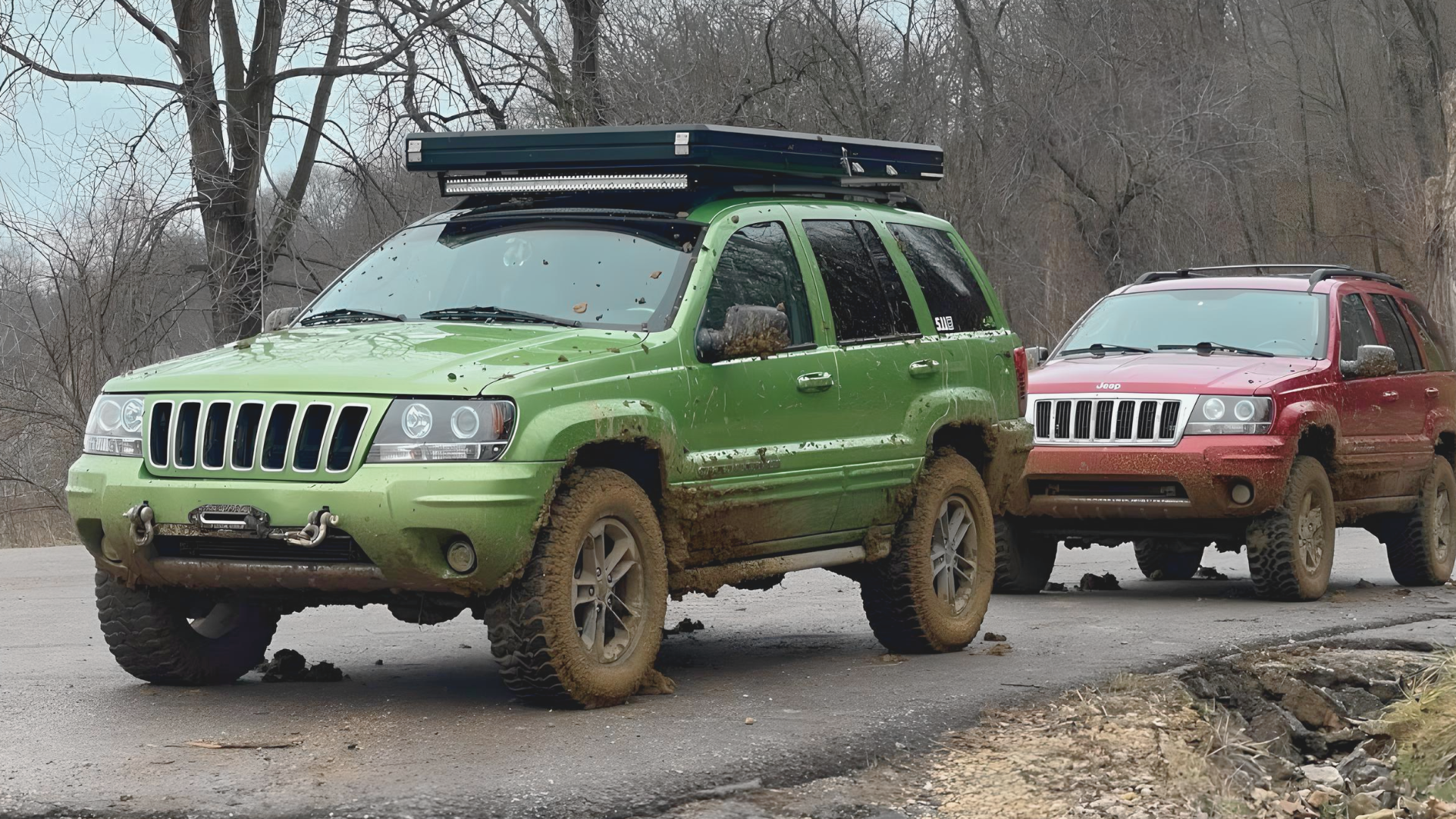
- Larger Diameter: Big Bear Edition Wranglers often come with larger diameter tires than stock, typically ranging from 33 inches to 35 inches in diameter. This increase in tire size directly translates to increased ground clearance, allowing the vehicle to clear larger obstacles on the trail.
- Load Rating: It’s essential that the tires have an appropriate load rating to support the weight of the Wrangler, especially when loaded with gear or passengers for off-road excursions. The load rating is indicated by a number on the tire’s sidewall.
Benefits Of Big Bear Edition Wheels And Tires
Opting for a Big Bear Edition package, or mimicking its wheel and tire setup, brings several tangible advantages for the Wrangler owner.
Enhanced Off-road Capability
This is the primary benefit. The combination of more aggressive tires and potentially wider, stronger wheels directly translates to:
- Improved Traction: Larger, more aggressive tread patterns on the tires provide significantly better grip on loose surfaces like mud, sand, gravel, and rocks.
- Increased Ground Clearance: Larger diameter tires lift the vehicle’s chassis, allowing it to traverse rough terrain with less risk of scraping the undercarriage.
- Better Obstacle Negotiation: The combination of increased clearance and tire flexibility (especially when aired down) helps the Wrangler climb over obstacles more easily.
Distinctive Aesthetics
The Big Bear Edition package is designed to make the Wrangler stand out.
- Aggressive Stance: Wider wheels and larger tires push the vehicle’s footprint outward, giving it a muscular and imposing look.
- Rugged Styling: The design of the wheels and the aggressive tread of the tires contribute to a purposeful, ready-for-adventure appearance.
Durability And Resilience
Components chosen for off-road packages are built to last.
- Tougher Materials: Both wheels and tires are constructed with stronger materials to withstand impacts, abrasions, and the stresses of off-road driving.
- Puncture Resistance: Reinforced sidewalls on the tires offer crucial protection against common trail hazards.
Pre-packaged Convenience
For many buyers, the appeal of a Big Bear Edition lies in its convenience.
- All-in-One Solution: Instead of researching and sourcing individual components, the Big Bear package offers a curated set of upgrades that are known to work well together and fit the vehicle.
- Dealer-Installed Options: Often available through dealerships, these packages can be financed with the vehicle purchase and installed by trained technicians, ensuring proper fitment and alignment.
Considerations When Choosing Wheels And Tires
While the Big Bear Edition offers a compelling package, there are several factors to consider, whether you’re buying the edition or upgrading your own Wrangler.
Tire Pressure And Airing Down
A key technique for off-roading is airing down tires. This increases the tire’s contact patch, providing more grip and a smoother ride over rough terrain. However, it also increases the risk of losing a tire bead (the edge of the tire that seals against the wheel rim).
- Pro Tip: Wheels with a true beadlock or simulated beadlock design are better suited for frequent, aggressive airing down. Standard wheels can work, but require more caution at lower pressures. Always carry a reliable air compressor to reinflate tires before returning to paved roads.
Impact On On-road Performance
Aggressive off-road tires and larger wheels can affect your daily driving experience.
- Road Noise: MT tires, in particular, can be significantly louder on the highway. AT tires are generally much quieter, but still noisier than stock street tires.
- Fuel Economy: Larger, heavier wheels and tires can reduce fuel efficiency. The increased rolling resistance and weight require more energy from the engine.
- Ride Comfort: The stiffer sidewalls and more aggressive tread patterns can lead to a firmer ride on pavement.
Fitment And Rubbing
Increasing tire size can lead to rubbing against the fenders, suspension components, or body panels, especially when the suspension is compressed or the steering wheel is turned.
- Fender Flares: Larger tires may require aftermarket fender flares to maintain street legality and prevent debris from being thrown.
- Suspension Modifications: For significantly larger tires (e.g., 35 inches and above), suspension lifts might be necessary to provide adequate clearance and prevent rubbing. The Big Bear Edition typically includes tires that fit with minimal or no modification, but aftermarket upgrades often require more thought.
Maintenance And Longevity
Off-road tires often have a different wear pattern and maintenance schedule.
- Tire Rotation: Regular tire rotation is crucial to ensure even wear, especially with aggressive tread patterns that can wear unevenly.
- Alignment: After significant tire and wheel changes, wheel alignment is essential to prevent premature tire wear and ensure proper handling.
Common Wheel And Tire Specifications In Big Bear Packages
While specific configurations can vary, certain specifications are commonly found or recommended for Jeep Wrangler Big Bear Edition setups.
Example: 17-inch Wheels With 33-inch Tires
A very common and practical setup for a Big Bear Edition or similar upgrade package involves:
- Wheels: 17-inch diameter, 8.5-inch width, with a negative offset (e.g., -10mm or -12mm) to push the wheels out. Finishes like matte black are popular.
- Tires: 33-inch overall diameter (e.g., LT285/70R17). This size typically offers a good balance of increased ground clearance and manageable on-road characteristics. All-Terrain tires are the usual choice.
This combination provides a noticeable lift and improved off-road capability without requiring extensive modifications or severely compromising daily usability. It’s a robust setup that handles most trail conditions effectively.
Example: 18-inch Wheels With 35-inch Tires
For those seeking maximum off-road prowess and a more substantial visual impact, an 18-inch wheel with a 35-inch tire is a popular option, though it often requires more significant modifications.
- Wheels: 18-inch diameter, 9-inch width, with a negative offset (e.g., -12mm). These might be more robust, perhaps with a simulated beadlock design.
- Tires: 35-inch overall diameter (e.g., LT315/70R18). This size significantly increases ground clearance and capability but often necessitates a suspension lift of 2-4 inches, fender flare upgrades, and potentially adjustments to steering components to prevent rubbing and ensure proper function.
This setup is for the more serious off-roader who is prepared for the associated compromises in on-road comfort and fuel economy, and the need for additional modifications.
The Importance Of Tire Pressure Monitoring Systems (tpms)
When changing wheel and tire sizes, especially from the factory setup, it’s crucial to consider the Tire Pressure Monitoring System (TPMS). Most modern vehicles, including Wranglers, use TPMS sensors located inside the wheel to monitor tire pressure.
- Calibration: When you install new wheels and tires, the TPMS sensors need to be recalibrated or relearned to the vehicle’s system. This process ensures that the system accurately reports the pressure in the new tires.
- Sensor Compatibility: Ensure that your new wheels can accommodate the factory TPMS sensors, or consider purchasing aftermarket sensors compatible with your Wrangler. Some aftermarket wheels are designed with TPMS sensor placement in mind.
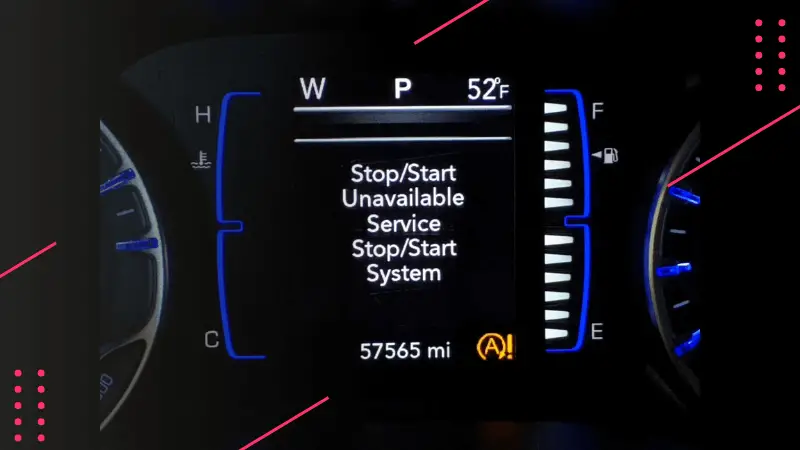
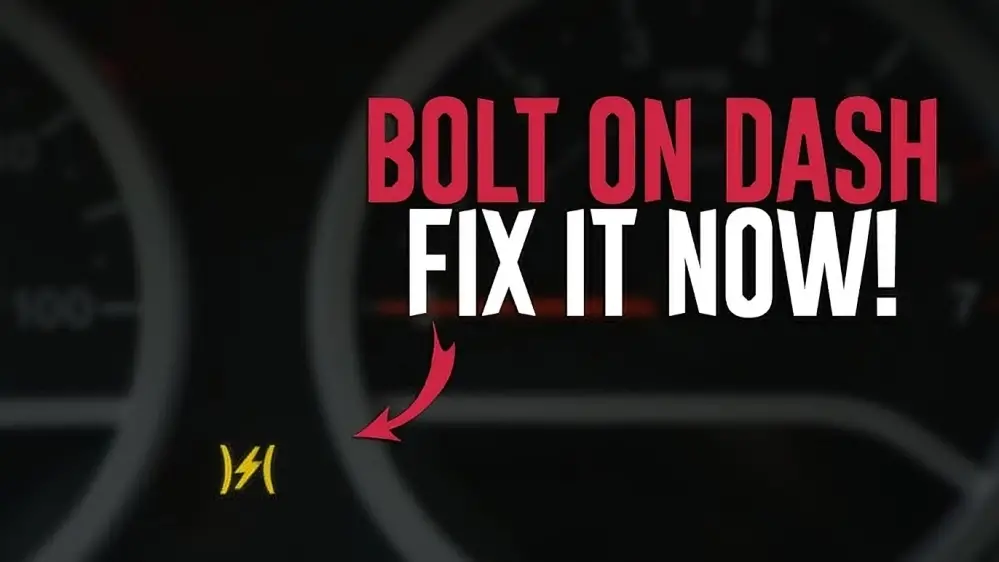
- Warning Lights: Failure to properly address TPMS after a wheel and tire change will likely result in a persistent warning light on your dashboard, which can be a nuisance and may indicate a genuine low-pressure issue if not handled correctly.