If your Jeep Wrangler has started showing signs like dim lights, a dead battery, or strange noises from the engine bay, you might be facing an alternator problem.
The alternator is a key part of your Jeep’s electrical system—it powers the electronics and keeps the battery charged while driving.
When it fails, your Jeep could end up stranded or unable to start. Understanding how to replace the alternator can save time, money, and stress, especially if you enjoy working on your own vehicle.
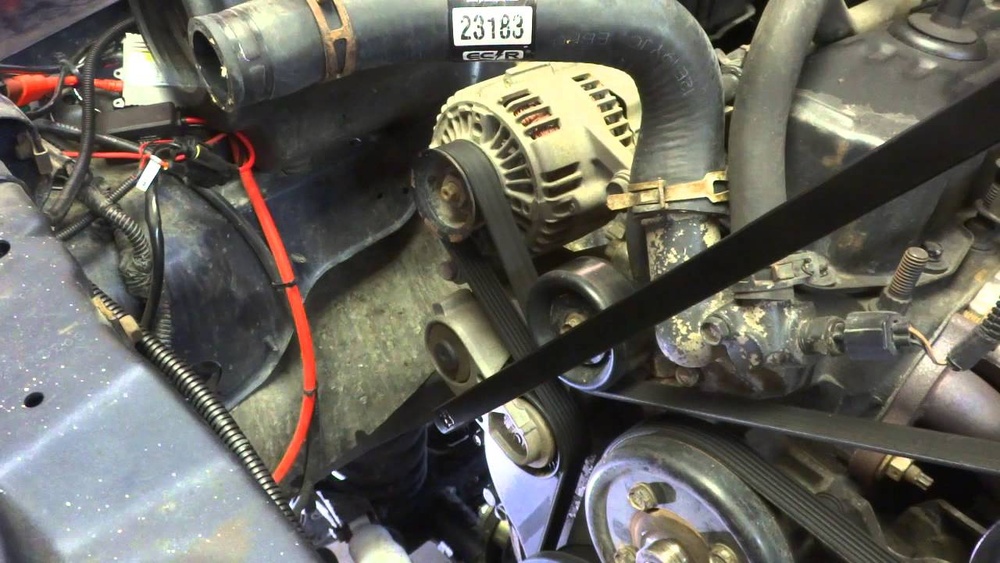
What Does The Alternator Do In A Jeep Wrangler?
The alternator is a generator. It converts mechanical energy from the engine into electrical energy. This electricity runs your headlights, radio, air conditioning, and all other electronics. It also recharges the battery so your Jeep starts up again next time. Most Wrangler alternators produce between 117–160 amps, enough for daily driving and basic accessories.
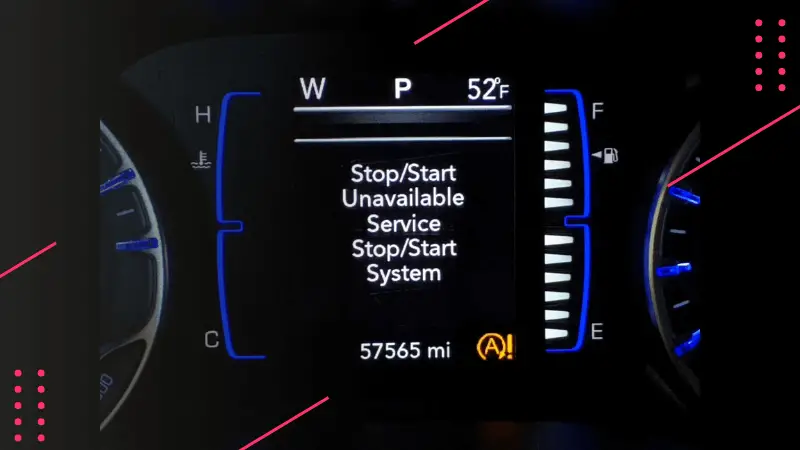
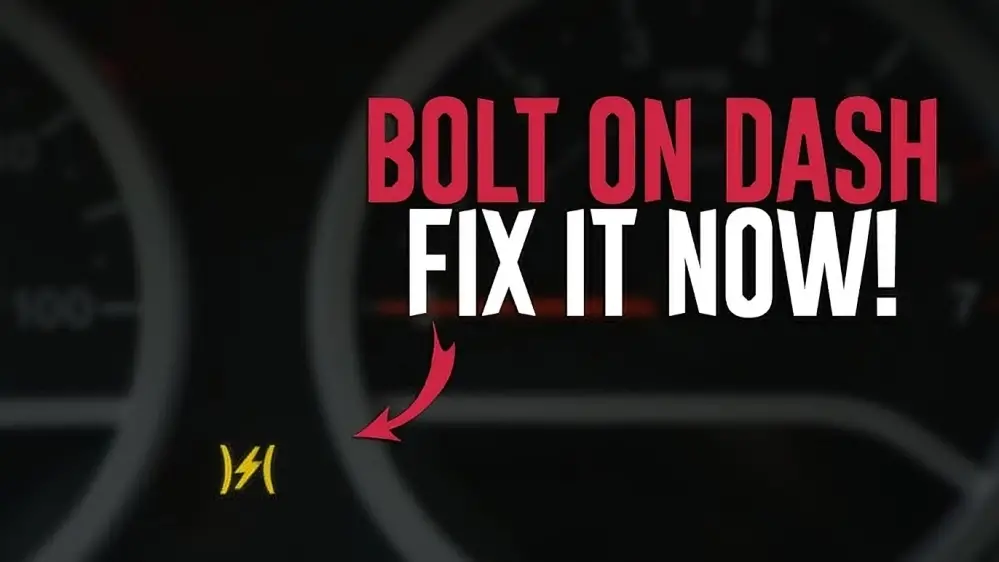
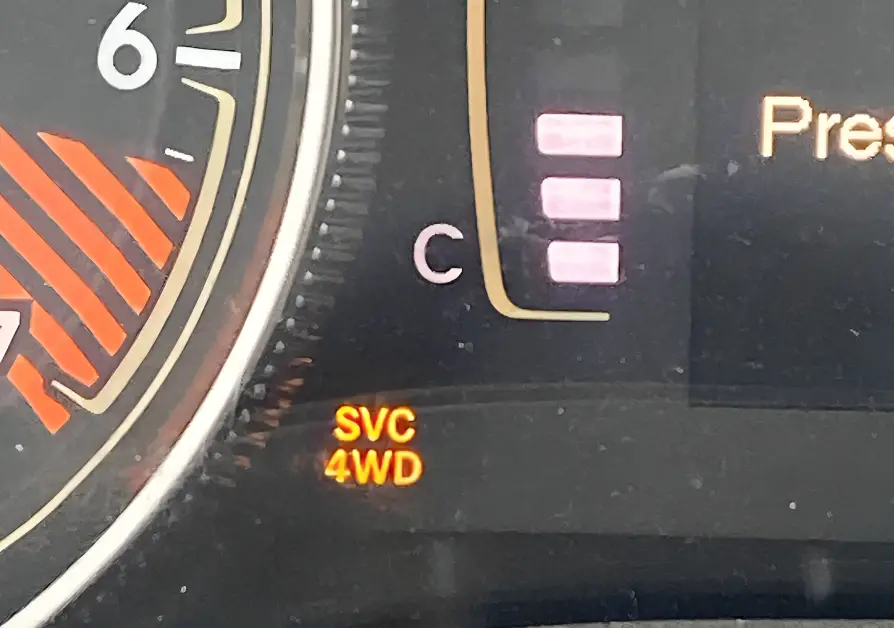
If the alternator fails, the battery will drain, and your Jeep will lose power. You might notice dashboard warning lights, flickering headlights, or trouble starting.
Some drivers hear a whining sound or smell burning wires—these are signs you should check the alternator right away.
Signs That Your Jeep Wrangler Alternator Needs Replacement
Replacing the alternator is not something you do on a schedule—it’s based on symptoms. Here are common signs:
- Battery Warning Light: This light glows on your dashboard if the alternator isn’t charging the battery.
- Dim or Flickering Lights: Headlights or interior lights may fade or flash as electrical power drops.
- Electrical Accessories Fail: Power windows, radio, or air conditioning may stop working.
- Strange Noises: Squealing, grinding, or whining from the engine area could mean alternator bearings are worn.
- Battery Dies Repeatedly: If you replace the battery and it still dies, the alternator may be the real problem.
- Burning Smell: Overheated alternator wiring can produce a strong odor.
Non-obvious tip: Some Jeep Wranglers have an alternator clutch pulley that can fail and cause similar symptoms. Always check the pulley before replacing the whole alternator.
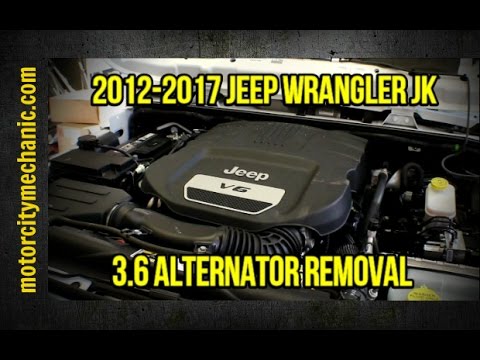
Choosing The Right Replacement Alternator
Not all alternators are equal. Picking the wrong one can cause electrical issues or even damage your Jeep. Here’s what you should look for:
- Amperage Rating: Check your owner’s manual or original alternator for the correct amp rating. For most Wranglers, 117–160 amps is standard. If you have extra accessories (winches, big lights), you may need a high-output alternator (up to 200 amps).
- Fit and Compatibility: Wrangler alternators differ between model years (YJ, TJ, JK, JL). Make sure the replacement matches your Jeep’s year and engine type.
- Brand Quality: OEM alternators from Mopar or trusted brands like Denso and Bosch last longer. Cheap replacements may fail early.
- Warranty: Look for at least a one-year warranty. Some brands offer lifetime warranties.
- Remanufactured vs. New: Remanufactured alternators are cheaper and eco-friendly, but new ones last longer. Avoid used alternators unless you trust the seller.
Below is a quick comparison between OEM and aftermarket alternators for Jeep Wrangler:
| Type | Average Price | Warranty | Reliability |
|---|---|---|---|
| OEM (Mopar) | $250–$400 | 12–24 months | High |
| Aftermarket (Denso, Bosch) | $180–$350 | 12 months | Medium–High |
| Remanufactured | $120–$220 | 6–12 months | Medium |
Many Jeep owners make the mistake of buying a high-output alternator for basic use. This can overload wiring and cause fuse problems.
Stick to the recommended amperage unless you know you need more power.
Tools And Parts Needed For Alternator Replacement
Before starting, gather these tools and parts:
- Replacement alternator (matched to your model and year)
- Socket set (metric and standard sizes)
- Ratchet and extension
- Wrench set
- Screwdriver
- Belt tensioner tool (optional)
- Torque wrench (for proper tightening)
- Battery terminal cleaner
- Gloves and safety glasses
Extra tip: Always disconnect the battery before working on the alternator. This prevents electrical shock and protects sensitive electronics.
Step-by-step Guide: Jeep Wrangler Alternator Replacement
Replacing the alternator in a Jeep Wrangler is a moderate DIY job. Expect 1–2 hours for most models. Here’s how to do it safely and efficiently:
Step 1: Disconnect The Battery
- Open the hood and locate the battery.
- Use a wrench to loosen the negative terminal.
- Remove the cable and set it aside. This prevents accidental short circuits.
Step 2: Remove The Serpentine Belt
- Find the belt tensioner (usually near the alternator).
- Use a socket or tensioner tool to rotate the tensioner and relieve belt pressure.
- Slip the belt off the alternator pulley. You don’t need to remove the entire belt—just move it out of the way.
Step 3: Unplug Electrical Connections
- Locate the main power cable and plug on the alternator.
- Use a wrench or socket to remove the power cable nut.
- Unclip the connector (sometimes there’s a locking tab—press to release).
- Move wires aside so you have clear access.
Step 4: Remove The Alternator
- Find the mounting bolts (usually 2–3 bolts).
- Use a ratchet and socket to loosen and remove the bolts.
- Carefully lift the alternator out. It may be heavy or stuck—wiggle gently.
Step 5: Install The New Alternator
- Place the new alternator in the same position.
- Insert and tighten the mounting bolts. Use a torque wrench to match factory specs (usually 35–45 ft-lbs).
- Reconnect the main power cable and plug.
Step 6: Reinstall The Serpentine Belt
- Loop the belt over the new alternator pulley.
- Use the tensioner tool to release pressure, then let the belt settle back in place.
- Double-check belt alignment—misalignment can cause squealing.
Step 7: Reconnect The Battery
- Attach the negative terminal and tighten securely.
- This restores electrical power.
Step 8: Test The System
- Start your Jeep. Check that the battery light is off.
- Test headlights, radio, and other electronics.
- Use a multimeter to check voltage at the battery (should be 13.8–14.4 volts with engine running).
If you notice any issues (warning lights, strange noises), stop and recheck your installation.
Below is a comparison of alternator replacement difficulty for different Wrangler generations:
| Generation | Estimated Time | Tools Needed | Difficulty |
|---|---|---|---|
| YJ (1987–1995) | 1–1.5 hours | Basic hand tools | Easy |
| TJ (1997–2006) | 1–2 hours | Basic hand tools | Moderate |
| JK (2007–2018) | 1.5–2 hours | Socket & tensioner tool | Moderate |
| JL (2018–present) | 1.5–2 hours | Socket & tensioner tool | Moderate |
Common Mistakes And How To Avoid Them
Many people struggle with alternator replacement because of small errors. Here’s what to watch out for:
- Forgetting to disconnect the battery: Can cause short circuits or damage electronics.
- Wrong alternator fit: Double-check part numbers for your model and engine.
- Improper belt alignment: Misaligned belts cause noise and wear. Always check after reinstalling.
- Loose bolts: Use a torque wrench to ensure proper tightness.
- Skipping voltage test: Always check system voltage after replacement.
- Overlooking electrical connectors: Make sure all plugs and wires are firmly connected.
Non-obvious insight: On some Wranglers, the alternator shares bolts with other brackets. If you notice extra movement after installation, check all surrounding fasteners.
Cost Breakdown: Jeep Wrangler Alternator Replacement
How much you spend depends on your choices:
- Parts: $120–$400 (remanufactured vs. new OEM)
- Labor: $100–$250 (if you hire a mechanic)
- DIY total cost: $120–$400 (saving labor)
Most Jeep owners can save up to 50% by doing the job themselves. Remember, using quality parts prevents future breakdowns.
Below is a quick data table comparing costs:
| Replacement Type | Parts Cost | Labor Cost | Total Cost |
|---|---|---|---|
| DIY Remanufactured | $120 | $0 | $120 |
| DIY OEM | $400 | $0 | $400 |
| Shop Remanufactured | $120 | $150 | $270 |
| Shop OEM | $400 | $150 | $550 |
Practical Tips For Smooth Alternator Replacement
- Take photos before removing parts—they help during reassembly.
- Label wires if you’re unsure where they go.
- Clean battery terminals before reconnecting—this ensures strong electrical contact.
- If your Jeep has aftermarket accessories, check all wiring for compatibility.
- Always test drive after replacement to confirm everything works.
For more technical details, the official Jeep service manuals are helpful. You can find trusted guides at Jeep Official Site.
How Long Does A Jeep Wrangler Alternator Last?
Most alternators last 80,000–150,000 miles. Heat, mud, and heavy accessory use can shorten this lifespan. If you often drive in tough conditions, check your alternator more often.
Can I Drive My Jeep Wrangler With A Bad Alternator?
It’s risky. Your Jeep may run for a short time, but the battery will drain.
You could get stranded or lose power to critical systems. Replace the alternator as soon as possible.
Is Alternator Replacement The Same For All Wrangler Models?
No. While the basic steps are similar, bolt locations, connectors, and belt routing can differ between YJ, TJ, JK, and JL models. Always check your specific service manual.
What Are The Dangers Of Installing The Wrong Alternator?
Using the wrong alternator can cause electrical overload, wiring damage, and battery failure. It may also void your warranty. Always match the alternator to your Jeep’s specs.
How Do I Check If My New Alternator Is Working?
Use a multimeter at the battery terminals. With the engine running, voltage should read 13.8–14.4 volts. If it’s lower, the alternator isn’t charging correctly.
Replacing your Jeep Wrangler alternator is a practical job for many owners. With careful preparation and the right tools, you can restore your Jeep’s power and reliability in just a couple of hours.
Always use quality parts, follow safety steps, and check your work.
This keeps your Wrangler ready for adventure—on the road or off it.