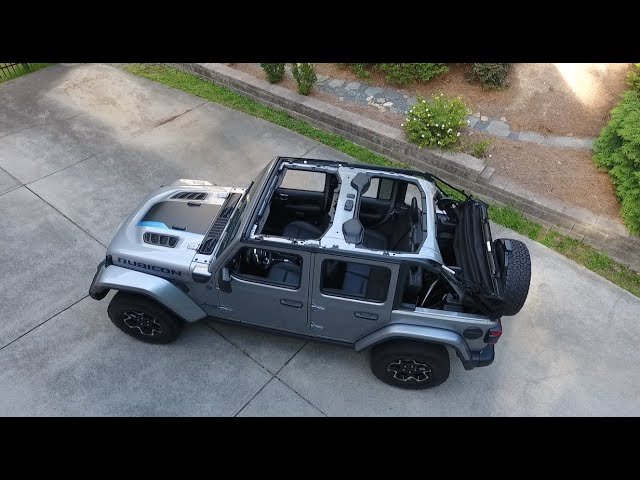
The Jeep Wrangler is an icon in the world of off-road vehicles. Known for its rugged build and adventurous spirit, it is a favorite for both city drivers and those who love the outdoors.
But even the toughest vehicles rely on high-tech systems for safety. One of the most important is the ABS control module.
This small but powerful part is essential for safe braking, especially on tricky roads. Many drivers know about anti-lock brakes but are less familiar with how the control module works or what to do if it fails.
Understanding this system can help you avoid costly repairs and even accidents.
What Is The Jeep Wrangler ABS Control Module?
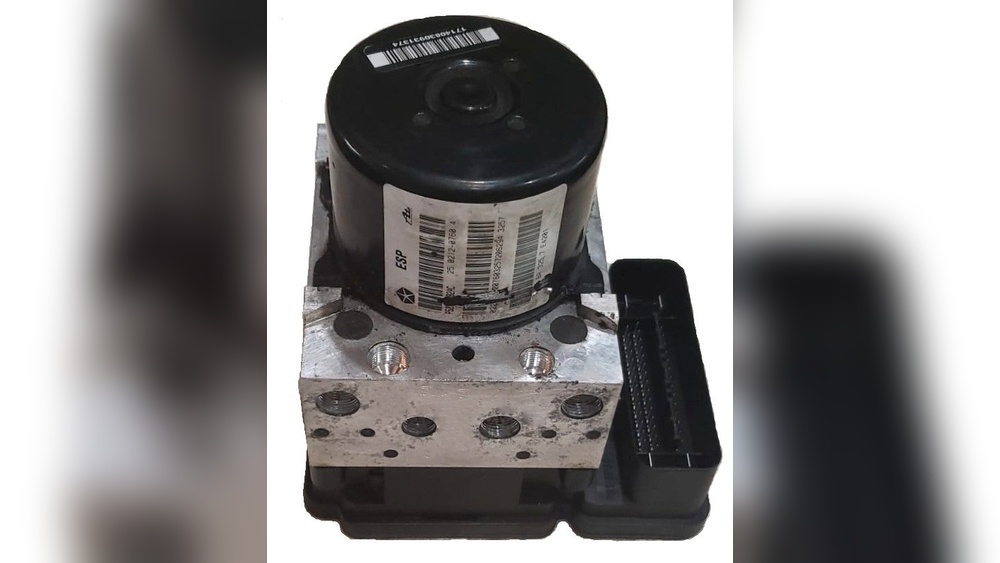
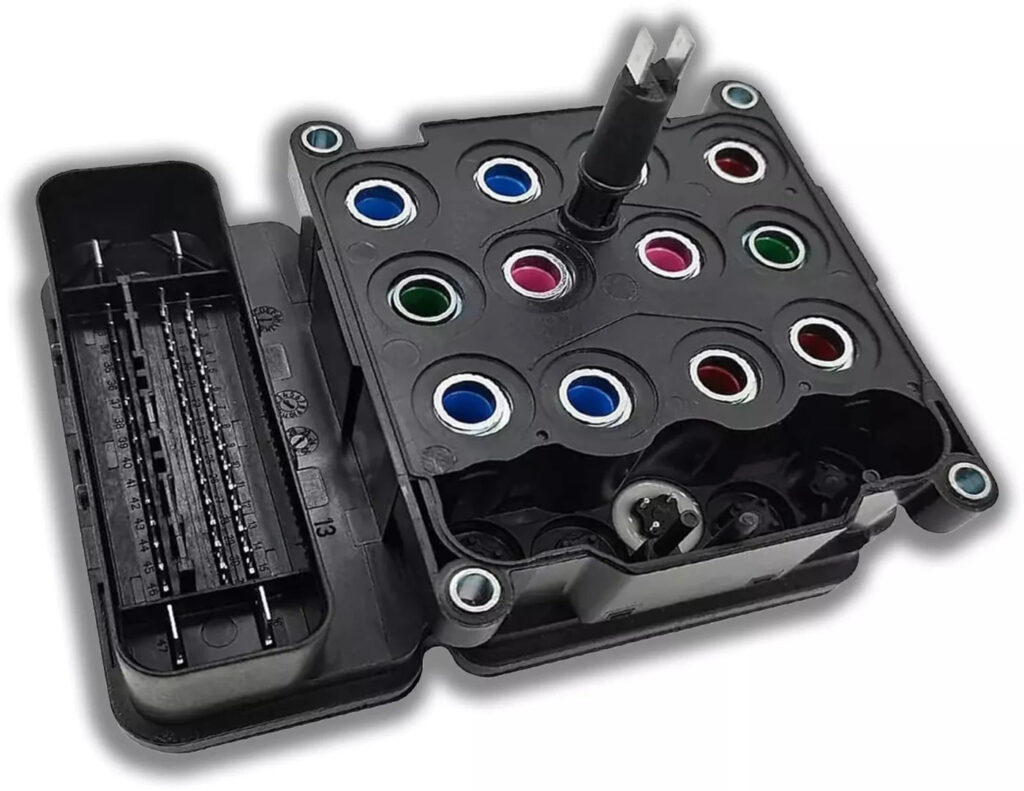
The ABS control module is the brain behind your Jeep Wrangler’s anti-lock braking system. It is an electronic device that works with sensors and hydraulic valves to prevent the wheels from locking up when you brake suddenly.
When you press the brake pedal, the module quickly checks data from wheel sensors. If it senses that one or more wheels are about to lock, it controls the brake pressure to keep those wheels turning.
This helps you stay in control, even on wet or slippery roads.
Key Functions
- Monitors wheel speed using sensors at each wheel.
- Controls brake pressure to each wheel during hard stops.
- Works with other systems like traction control and electronic stability control.
- Stores error codes that help mechanics diagnose brake problems.
Without the ABS control module, your Wrangler’s anti-lock system would not work correctly, increasing the risk of skidding.
How the ABS Control Module Works
When you brake hard, the wheels may stop turning while the Jeep is still moving. This is called locking up.
Locked wheels can cause you to lose steering control. The ABS control module constantly checks each wheel’s speed.
If it finds a wheel slowing down much faster than the others, it quickly lowers brake pressure to that wheel.
When it sees the wheel spinning normally again, it increases the pressure. This happens many times per second.
The process involves:
- Sensors at each wheel send signals to the module.
- The module compares the speeds.
- If it detects a risk of locking, it signals hydraulic valves to adjust the brake fluid.
- This keeps the wheels rolling, which lets you steer while stopping.
This technology is especially helpful in emergencies and on surfaces like snow, ice, or gravel.
Symptoms Of A Faulty ABS Control Module
Like any electronic part, the ABS module can fail. Recognizing the signs early can save you from dangerous situations and expensive repairs.
Common Signs
- ABS warning light: The most obvious sign is the ABS light staying on in your dashboard.
- Brakes lock up: In hard stops, you may notice the wheels locking or skidding.
- Unresponsive brake pedal: Sometimes, the pedal feels stiff or unresponsive.
- Traction control issues: Since the module works with other safety systems, you may also see traction or stability control warning lights.
- Strange noises: Clicking or buzzing sounds from under the hood when you brake can signal a failing module.
If you notice any of these, it’s smart to have your Wrangler checked by a trusted mechanic.
Causes of ABS Control Module Failure
The ABS control module is built to last, but several factors can cause it to fail.
- Water or moisture getting into the module can cause corrosion and short circuits.
- Wiring problems like damaged or loose connectors often lead to poor signals.
- Physical damage from accidents or rough off-roading can break the module or its housing.
- Internal faults such as failed circuit boards or chips due to age or heat.
A less obvious cause is battery voltage issues. If your Jeep’s battery is weak or you have charging problems, it can affect the module’s operation. Using a cheap jump starter or connecting the battery the wrong way can also damage sensitive electronics.
Diagnosing ABS Module Problems In Your Wrangler
Finding the exact problem with the ABS module often needs special tools. However, there are steps you can take before visiting a repair shop.
- Check the ABS fuse: A blown fuse can mimic a failed module.
- Scan for error codes: Most auto parts stores offer free code scans. The codes can point to a specific sensor or the module itself.
- Inspect wiring: Look for loose or broken connectors near the module and sensors.
- Note any patterns: Does the problem happen only in wet weather or after hitting bumps? This info helps mechanics diagnose the issue faster.
Professionals use advanced scan tools to read the ABS. These tools can show live data from each wheel and run tests on the module.
If the module is faulty, it will usually have stored codes that make diagnosis easier.
Replacing Vs. Repairing the ABS Control Module
If your module is faulty, you have two main choices: replace it with a new or rebuilt unit, or repair the old one.
Replacement
Most Jeep owners choose replacement because it’s reliable and usually comes with a warranty. New modules are expensive, sometimes costing between $400 and $900 for the part alone.
Labor adds another $100 to $300. Rebuilt modules are cheaper and may be a good choice for older Wranglers.
Repair
Some companies offer repair services for ABS modules. You send your faulty part to them, and they fix common problems like bad solder joints or failed chips.
This option is less expensive but takes longer and may not fix all problems.
Jeep Wrangler ABS Module Replacement Cost Comparison
Here’s a comparison to help you understand the cost differences:
| Option | Part Cost | Labor Cost | Warranty | Turnaround Time |
|---|---|---|---|---|
| New OEM Module | $600–$900 | $100–$300 | 12–24 months | 1 day |
| Rebuilt Module | $250–$500 | $100–$300 | 6–12 months | 1 day |
| Repair Service | $100–$300 | $50–$100 (removal/install) | 3–12 months | 3–7 days |
How To Replace The ABS Control Module On A Jeep Wrangler
If you have some mechanical skills, you might consider replacing the module yourself. Here’s a general guide, but always check your Wrangler’s manual for details.
Tools Needed
- Basic socket set
- Torx bits
- Screwdrivers
- Brake fluid (for topping up)
- Safety gloves and goggles
Steps
- Disconnect the battery to avoid electrical shorts.
- Locate the ABS module (usually near the brake master cylinder or under the hood).
- Unplug electrical connectors carefully. These can be delicate.
- Remove mounting bolts holding the module in place.
- Swap in the new or rebuilt module and secure it with bolts.
- Reconnect connectors and battery.
- Check brake fluid and top up if needed.
- Clear error codes using a scan tool.
- Test drive to make sure the ABS light stays off and the brakes work properly.
Practical Tips
- Always wear gloves. Brake fluid can harm your skin.
- Avoid letting dirt get into the brake system.
- If you see any leaks, stop and fix them before driving.
- Some models require the ABS to be “bled” of air using a scan tool.
A beginner’s mistake is forgetting to clear the error codes after replacement. This can make the ABS light stay on, even if the problem is fixed.
How the ABS Control Module Connects To Other Safety Systems
Modern Jeep Wranglers don’t just use ABS for stopping. The control module also works with:
- Electronic Stability Control (ESC): Helps keep the Jeep stable during sharp turns or slippery roads.
- Traction Control System (TCS): Stops wheel spin when you accelerate on slick surfaces.
- Hill Start Assist: Holds the brakes for a moment when starting on a hill.
If the ABS module fails, these systems may also stop working. That’s why a failed ABS module can trigger multiple warning lights.
ABS Module Differences Across Wrangler Generations
Jeep Wranglers have changed a lot over the years. The ABS control module has evolved too.
| Model Year | Module Location | Main Features | Compatibility |
|---|---|---|---|
| YJ (1987–1995) | No ABS module | Basic brakes | None |
| TJ (1997–2006) | Engine bay, near brake booster | Basic ABS, no stability control | Limited interchange |
| JK (2007–2018) | Engine bay, left side | ABS, ESC, traction control | Some cross-compatibility |
| JL (2018+) | Engine bay, integrated with other modules | Advanced ESC, hill start assist | Unique to model year |
One non-obvious insight: even within the same generation, modules can differ based on trim, engine, or country. Always match the replacement part by VIN or module number.
How To Prevent ABS Module Problems
The best way to avoid ABS module failure is through preventive care:
- Keep electrical connectors clean and dry. Moisture is a major enemy.
- Check your battery and charging system often. Stable voltage helps all electronics.
- Avoid deep water crossings unless your Jeep is designed for it. Water can seep into sensitive parts.
- Have your brake system checked at least once a year.
Another tip: after driving in muddy or salty conditions, rinse the underside of your Wrangler to prevent corrosion.

Impact Of A Bad Abs Control Module On Driving Safety
Many drivers ignore the ABS light, thinking it’s a small problem. In reality, a failed ABS module can:
- Increase stopping distance on wet or loose surfaces
- Make it harder to steer during emergency stops
- Disable traction and stability features
- Lead to failed vehicle inspections in some states
A working ABS is especially important if you drive off-road, where surfaces can change quickly. Even for city drivers, it can mean the difference between a close call and a crash.
Jeep Wrangler ABS Module Recall And Warranty Info
Jeep has issued recalls in the past for ABS problems, especially on 2007–2011 JK models. These recalls often relate to water intrusion or faulty wiring. You can check if your Wrangler is affected by entering your VIN on the official Jeep recall site or the NHTSA website.
If your vehicle is under warranty, a failed ABS module is usually covered. However, if the damage is due to water, accidents, or modifications, you may have to pay out of pocket.
What Happens If I Drive My Jeep Wrangler With A Bad ABS Module?
u003cpu003eIf your ABS module is not working, your brakes will still function, but you lose the anti-lock feature. This means your wheels could lock during hard braking, making it harder to steer and increasing stopping distance, especially on slippery roads.u003c/pu003e
How Can I Tell If The ABS Module Or A Wheel Sensor Is Faulty?
u003cpu003eA mechanic can use a scan tool to read codes from the ABS system. If the code points to a specific wheel, it’s likely a sensor problem.
If the code says “module fault” or similar, the module itself may be bad.u003c/pu003e
Is It Safe To Buy A Used ABS Module For My Wrangler?
u003cpu003eUsed modules can work, but there’s a risk they will fail again soon. Always buy from a reputable source and make sure the part number matches your original.
Some modules also need programming to your Jeep.u003c/pu003e
Do I Need To Bleed The Brakes After Replacing The ABS Module?
u003cpu003eIn many cases, yes. Air can enter the brake lines during replacement, which makes the brakes feel soft.
Some ABS systems require a scan tool to bleed them fully.u003c/pu003e
Can I Reset the ABS Light Without Fixing The Problem?
u003cpu003eYou can clear the ABS light with a scan tool, but it will come back if the problem is not fixed. It’s important to solve the root issue for your safety.u003c/pu003e
The ABS control module is a key part of the Jeep Wrangler’s safety system. Knowing how it works, the signs of trouble, and what to do if it fails can help you stay safe on every journey.
Whether you tackle trails or city streets, keeping your ABS in top shape is always a smart move.