The Jeep Wrangler is famous for its rugged build and off-road abilities. One key feature that sets it apart is its 4-wheel drive system. Whether you are tackling rocky trails, snowy roads, or muddy tracks, knowing how to use your Wrangler’s 4-wheel drive (4WD) makes a big difference. If you’re new to this, the system can seem confusing. Let’s break down the basics, explain each 4WD mode, and show you exactly how and when to use each one.
Understanding The Jeep Wrangler 4wd System
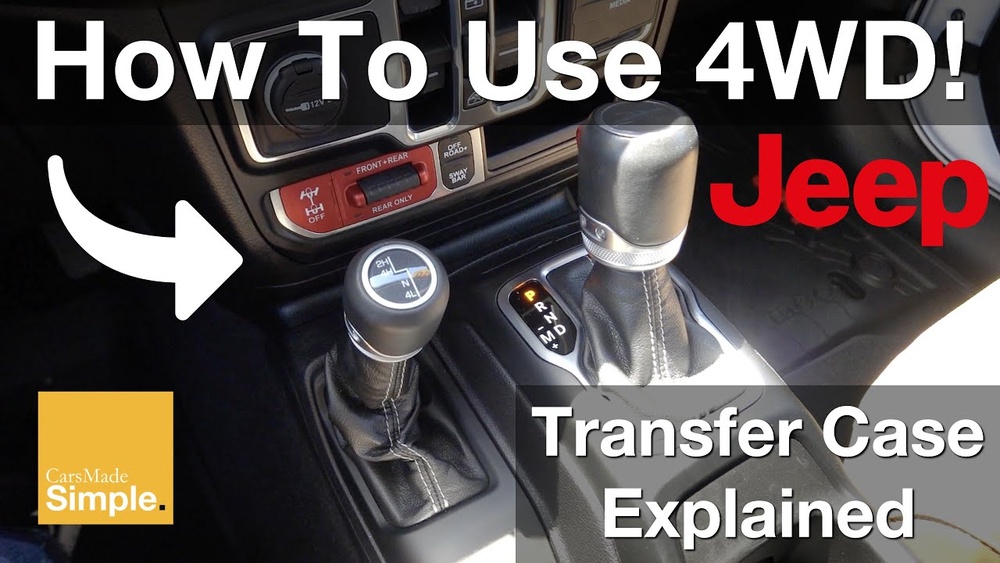
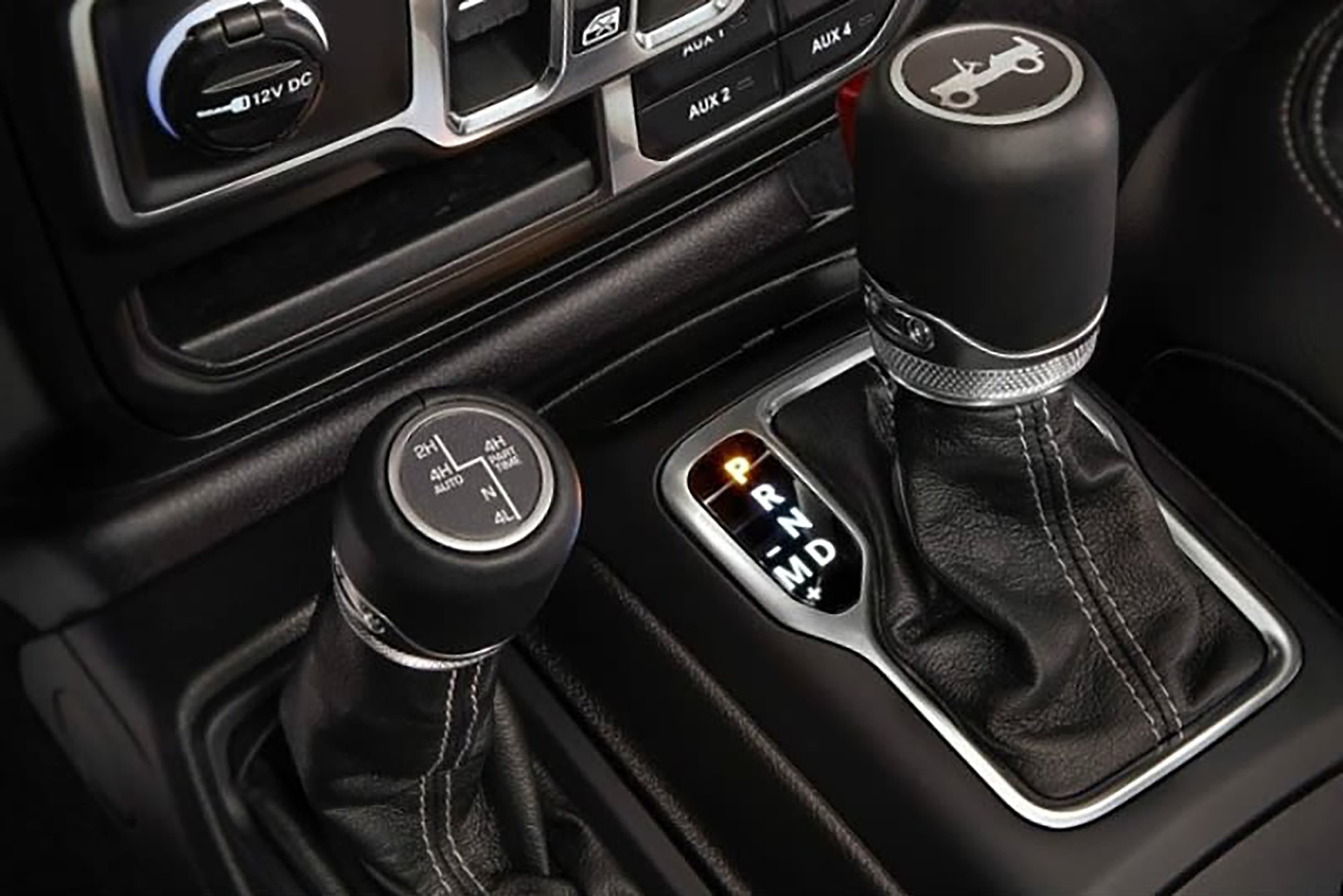
Most Jeep Wranglers use either the Command-Trac or Rock-Trac system. Both offer four main drive settings. These are: 2H (Two High), 4H (Four High), N (Neutral), and 4L (Four Low). Each setting is meant for different road and weather conditions. Knowing what each mode does—and when to use it—will help you drive safely and get the most from your Jeep.
Here is a quick comparison of the four modes:
| Mode | Best For | Max Speed | How to Engage |
|---|---|---|---|
| 2H | Dry, paved roads | Normal highway speed | While stopped or moving slowly |
| 4H | Rain, snow, mud, gravel | Up to 55 mph | At low speeds or stopped |
| N | Towing, transfer case disengaged | 0 mph (not for driving) | While stopped |
| 4L | Steep hills, deep mud, rocks | Up to 25 mph | Fully stopped, in Neutral gear |
1. 2h (two High)
2H is the default driving mode for most Wrangler owners. In this mode, power goes only to the rear wheels, offering better fuel efficiency and a smoother ride on regular roads.
How To Use 2h
- Use 2H for everyday driving on dry, paved roads.
- You can shift into 2H at almost any speed, but it’s best to slow down first.
- Never use 4WD modes (4H or 4L) on dry pavement, as this can damage your drivetrain.
Non-obvious tip: If your Wrangler feels “twitchy” or drags around corners, check that you’re not accidentally in 4H on dry roads.
2. 4h (four High)
4H sends power to all four wheels, making it ideal for slippery conditions like snow, gravel, or mud. This mode helps prevent wheel spin and gives you more control.
How To Use 4h
- Slow down to under 55 mph before shifting.
- Move the transfer case lever from 2H to 4H. Most modern Wranglers let you do this while moving slowly.
- Use 4H when you need extra traction but still want to drive at moderate speeds.
Practical insight: You don’t need to stop to shift into 4H, but always avoid sharp turns on high-traction surfaces.
3. N (neutral)
Neutral (N) in the transfer case is different from the gear shifter’s neutral. It fully disconnects the engine from the wheels. This mode is used mainly for towing.
How To Use N
- Only use N if you need to tow your Wrangler with all four wheels on the ground.
- Come to a complete stop, place the transmission in neutral, then shift the transfer case to N.
- Never drive in this mode—it’s not for regular driving.
Beginner tip: Accidentally shifting into N while driving will leave you unable to move. Double-check your lever before heading out.
4. 4l (four Low)
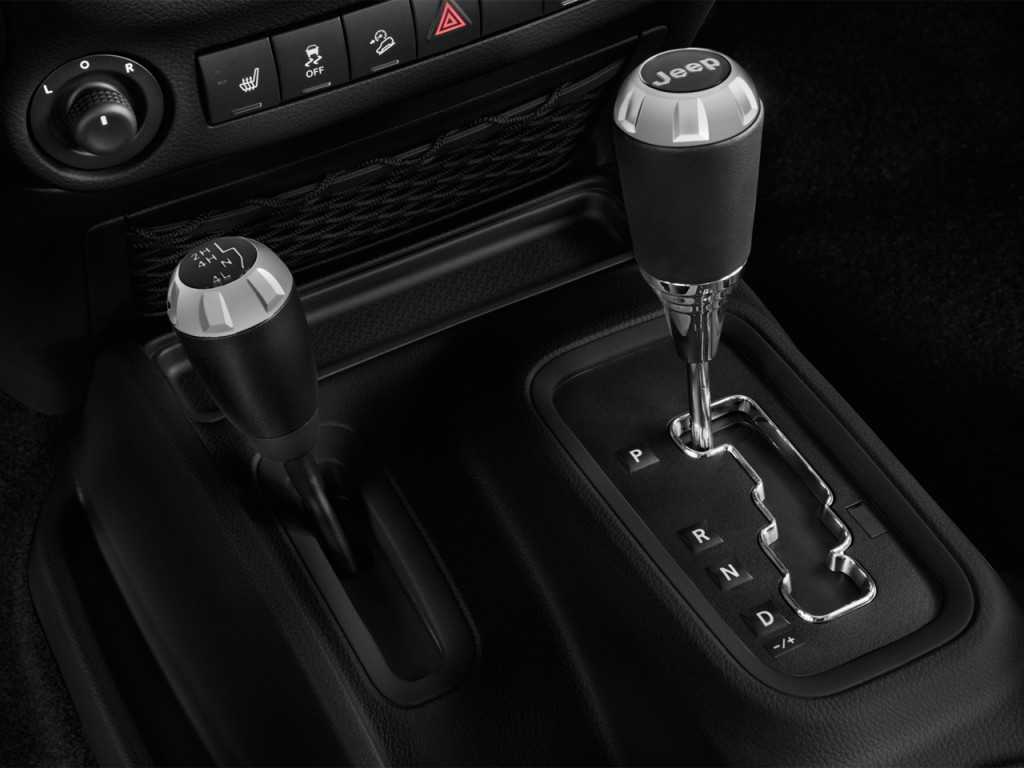
4L is for extreme off-road situations—think deep mud, sand, rocks, or steep hills. It uses low-range gears to boost torque and control but limits your speed.
How To Use 4l
- Come to a complete stop.
- Put the transmission in neutral.
- Firmly move the transfer case lever into 4L.
- Use 4L at speeds below 25 mph for maximum power and control.
Extra advice: Always shift back to 2H or 4H before returning to regular roads. Driving fast in 4L can damage your Jeep.
Quick Reference: When To Use Each 4wd Setting
To help you decide which mode fits your situation, here’s an easy guide:
| Condition | Best Mode |
|---|---|
| Dry highway | 2H |
| Wet or icy road | 4H |
| Deep mud/sand/rocks | 4L |
| Towing | N |
Common Mistakes To Avoid
Many new Jeep owners make errors that can hurt their vehicle or leave them stuck. Here are a few to watch out for:
- Using 4H or 4L on dry pavement.
- Forgetting to shift back to 2H after off-roading.
- Switching between 4WD modes at high speed or without following instructions.
- Not stopping fully before shifting to 4L or N.
Pro tip: If you hear grinding or feel resistance when shifting, stop and try again. Forcing the lever can break internal parts.
Real-world Examples
Imagine you’re on a snowy road and feel the back end slipping. Shift to 4H for better grip and keep driving at a safe speed. Or, if you’re climbing a rocky trail, stop and engage 4L for slow, controlled movement.
Another scenario: You want to tow your Wrangler behind a camper. Place both the transmission and transfer case in N to protect your drivetrain.
For more technical details and advice, the official Jeep Wrangler site has helpful guides and updates.
Frequently Asked Questions
How Do I Know If My Jeep Wrangler Is In 4wd?
Check the dashboard indicator light. When you select 4H or 4L, a 4WD symbol usually lights up. If it blinks, the transfer case may not be fully engaged yet.
Can I Switch To 4wd While Driving?
You can shift from 2H to 4H while moving at low speeds (under 55 mph). For 4L, always stop the vehicle and put the transmission in neutral before shifting.
Is It Bad To Leave My Wrangler In 4wd All The Time?
Yes, using 4H or 4L on dry roads can cause wear on the drivetrain and tires. Only use 4WD when conditions require it.
What Happens If I Use 4l At High Speeds?
4L is not made for speed. Driving fast in this mode can damage your engine and transfer case. Always keep speeds below 25 mph in 4L.
Why Won’t My Wrangler Shift Into 4l?
You must be fully stopped, and the transmission must be in neutral. If it still won’t shift, try rolling back slightly while moving the lever, or check for mechanical issues.
The Jeep Wrangler’s 4WD system is powerful and easy to use once you understand each mode. With practice, you’ll feel more confident—on and off the road. Use these tips to protect your Jeep and enjoy every adventure.